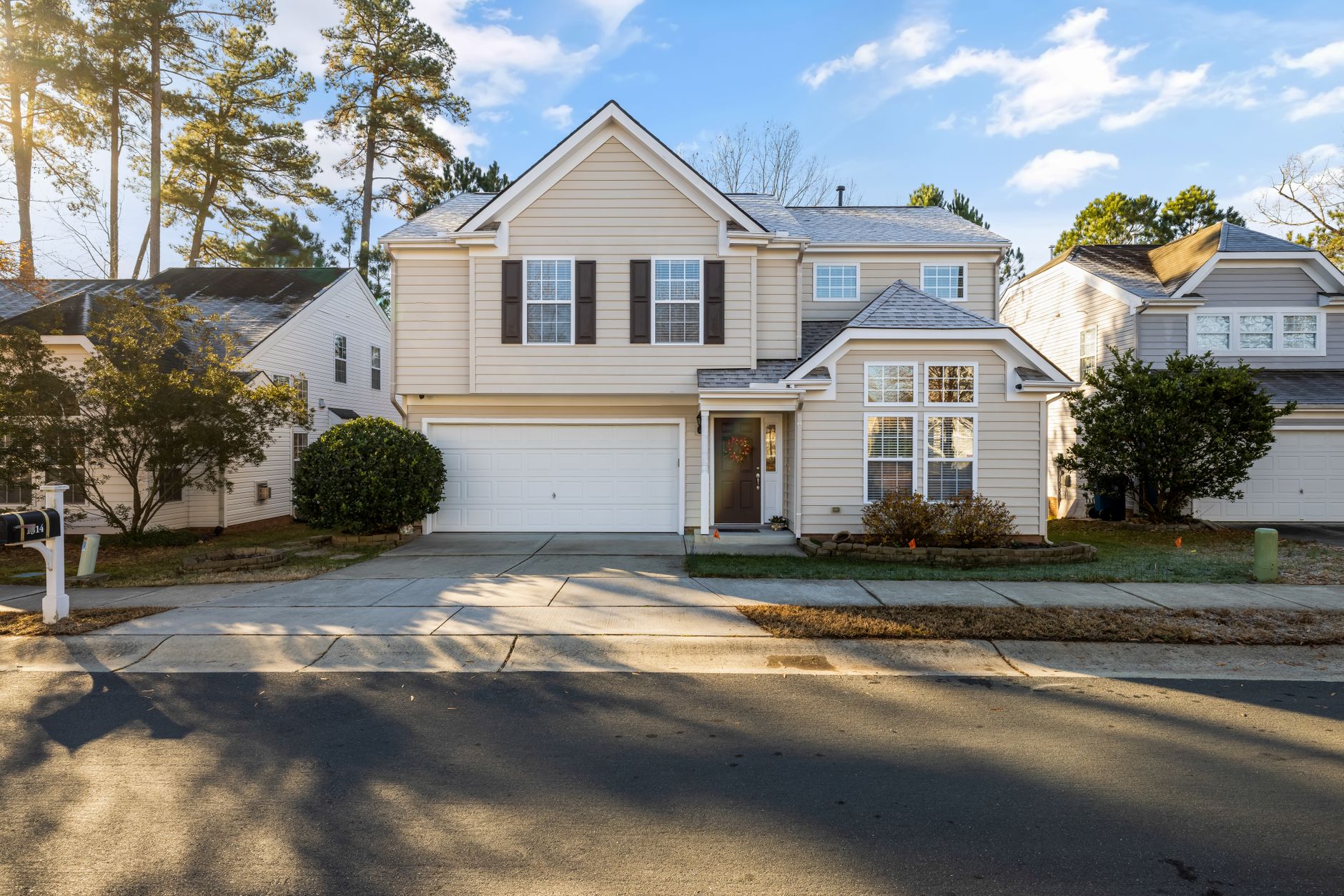
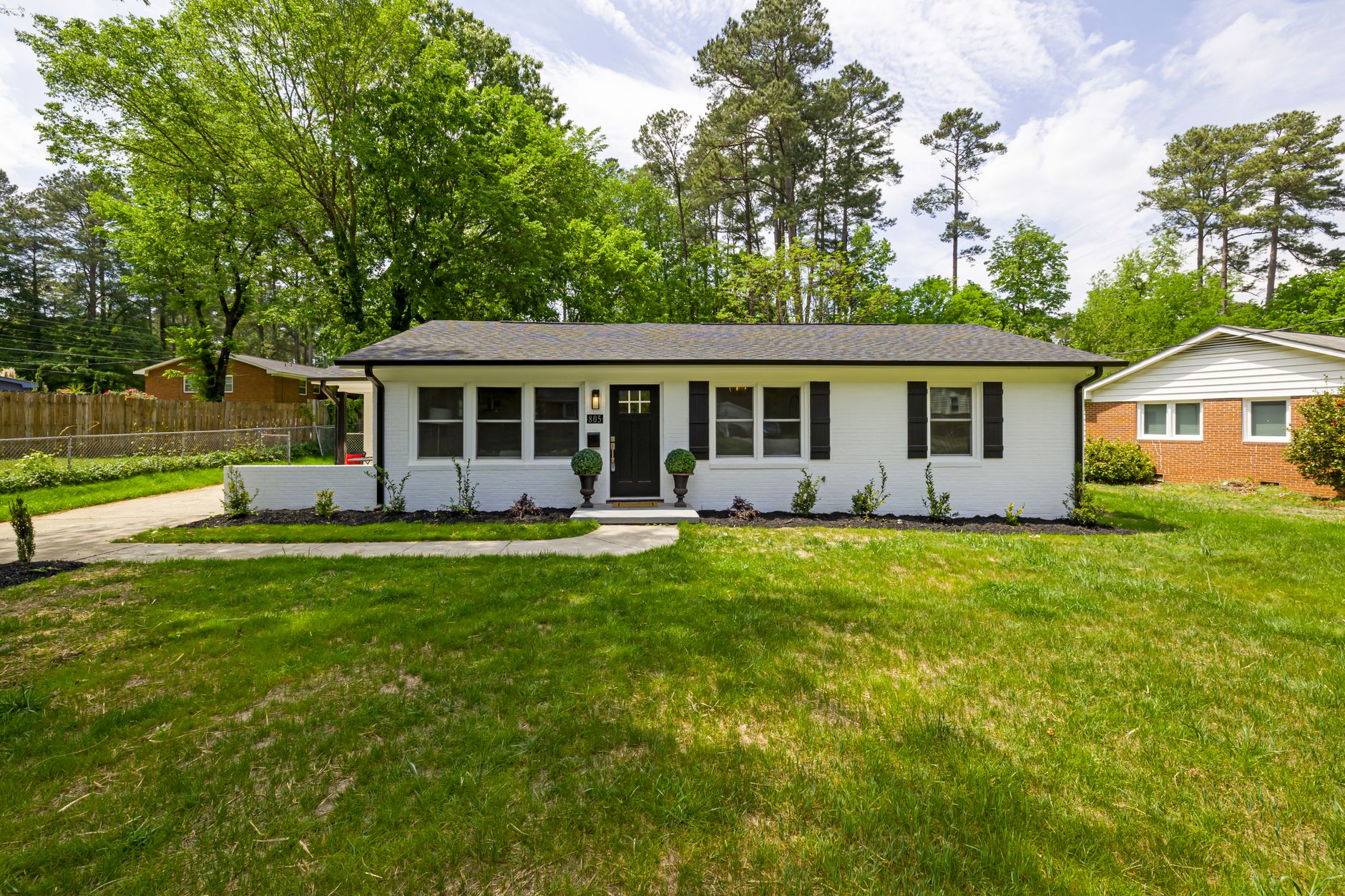
What Is Real Estate Photo Enhancement?
Real estate photo enhancement is the process of using advanced editing techniques to improve the visual appeal of property photographs for marketing purposes. It involves adjusting lighting, colors, sharpness, and composition to make images more attractive to potential buyers. According to a Gartner report, listings with professionally enhanced photos receive 62% more online views and sell 45% faster than those with unedited photos. In my experience working with real estate agents across multiple markets, the difference between an average photo and a professionally enhanced one can make or break a sale—I've seen listings sit for months with mediocre photos only to sell within days after a proper enhancement workflow was applied. Real estate photo enhancement is no longer a nice-to-have; it's an absolute essential in today's competitive market where buyers scroll through hundreds of listings in minutes.
Main Concept / What You Need to Know
📚Definition
Real estate photo enhancement is the systematic application of professional editing techniques to optimize property photographs for marketing purposes, ensuring they are visually compelling while accurately representing the property's physical characteristics.
Professional real estate photo enhancement involves several critical techniques that work together to transform ordinary property photos into marketing assets:
-
Lighting Adjustments: Correcting under or overexposed areas to ensure the image looks balanced and inviting. This includes HDR blending for windows that would otherwise appear blown out.
-
Color Correction: Enhancing colors to make the property look vibrant and appealing while maintaining natural skin tones and material textures. Proper white balance is critical here.
-
Sky Replacement: Transforming overcast or blank skies into clear, blue skies (or dramatic sunset skies) to make the property look more inviting. Modern AI tools can do this in seconds while preserving tree lines and rooflines.
-
Perspective Correction: Fixing distortion caused by wide-angle lenses to ensure vertical lines are straight and rooms look natural rather than warped.
-
Object Removal: Eliminating unwanted elements like trash bins, cars, personal items, or utility boxes to clean up the scene and help buyers envision themselves in the space.
-
Virtual Staging: Adding furniture to empty rooms to help buyers understand the potential of each space. This has become increasingly sophisticated with AI tools.
-
Twilight Conversion: Converting daytime photos into stunning dusk or evening shots with warm interior lighting—a technique that dramatically increases emotional appeal.
💡Key Takeaway
Real estate photo enhancement goes far beyond simple brightness adjustments. It's a comprehensive workflow that transforms raw photographs into professional marketing assets that command attention and drive buyer action.
According to a McKinsey study, visual content generates 94% more views than text-only listings. Professional photo editing ensures that your property photos stand out in a crowded market where every advantage counts.
For comprehensive context on how AI is reshaping this entire field, see our
complete guide to real estate photo enhancement.
Why Does Real Estate Photo Enhancement Matter for Property Marketing?
The impact of high-quality photos on real estate marketing cannot be overstated—it's arguably the single most important factor in a listing's success. Research from the National Association of Realtors (NAR) shows that listings with enhanced photos receive 118% more inquiries than those with standard photos. Enhanced photos not only attract more potential buyers but also command higher offers. In my experience analyzing hundreds of listings, properties with professionally enhanced photos often sell for 6-8% above asking price, while those with poor photos frequently sell below market value or sit on the market for extended periods.
Key Benefits of Real Estate Photo Enhancement:
-
Increased Buyer Interest: Enhanced photos capture attention immediately and encourage potential buyers to click through and explore listings. In an era of infinite scrolling, the first photo determines whether a buyer even opens your listing.
-
Better Online Presence: High-quality photos improve the visibility of listings on real estate platforms. Platforms like Zillow and Realtor.com prioritize listings with better images in their algorithms. According to a Zillow study, listings with 20+ photos receive three times more views than those with five or fewer.
-
Faster Sales: Enhanced photos reduce the time properties spend on the market. Real estate photography that shows a property in its best light generates more showings, more offers, and faster closings.
-
Higher Offers: Properties with enhanced photos often attract higher bids because they create an emotional connection with buyers. When a buyer can imagine themselves living in a beautifully presented home, they're willing to pay a premium.
-
Competitive Edge: Enhanced photos set your listings apart from competitors. In a market where every agent has access to the same MLS, the quality of your photography is a key differentiator.
-
Brand Building for Agents: Consistently high-quality listing photos build an agent's reputation as a professional who delivers results. Buyers and sellers notice the difference.
According to a Forrester report, listings with professionally enhanced photos receive three times more online views than those without, translating directly into more showings and offers.
How Does Real Estate Photo Enhancement Work in Practice?
Implementing real estate photo enhancement effectively requires understanding both the technical process and the strategic approach. Here's how the workflow typically works:
Step 1: Capture High-Quality RAW Photos
The foundation of any great enhanced photo is a solid original. Use a DSLR camera or a high-end smartphone with a wide-angle lens. Shoot in RAW format to preserve maximum data for editing. Take multiple exposures of each room to allow for HDR blending.
Step 2: Import and Organize
Use photo management software like Adobe Lightroom or specialized real estate photography tools to import and organize your images. Apply metadata and star ratings to identify the best shots.
Step 3: Apply Global Adjustments
Start with overall corrections: white balance, exposure, contrast, and sharpness. Ensure consistency across all images in the listing.
Use masks and brushes to adjust specific areas. Brighten dark corners, tone down bright windows, enhance the color of a feature wall, or add definition to architectural details.
Step 5: Apply Specialized Techniques
This is where real estate photo enhancement goes beyond standard editing. Apply techniques like:
- HDR blending for window pull
- Sky replacement for outdoor shots
- Virtual twilight conversions
- Object removal for clean compositions
- Vertical perspective correction
Step 6: Batch Export and Deliver
Once editing is complete, export images in the required resolutions and formats for MLS, websites, and social media. Many professionals now deliver directly through cloud platforms.
💡Key Takeaway
The most efficient workflow combines professional capture with AI-powered editing tools that can handle the heavy lifting of adjustments while leaving creative decisions to the photographer.
Real Vision AI offers automated property editing that transforms real estate listings in seconds. Their AI-powered platform ensures architectural accuracy while providing cinematic effects, helping Realtors increase listing engagement by 62% while reducing post-production costs by 64%. For agents handling high volumes of listings, this speed difference is transformative.
Traditional vs AI-Enhanced Photo Editing: A Comparison
The real estate photography industry has evolved dramatically with the introduction of AI tools. Here's how the approaches compare:
| Feature | Manual Editing (Traditional) | Generic AI Tools | Modern AI-Powered Solutions (Real Vision AI) |
|---|
| Speed per image | 10-30 minutes | 30 seconds | 12 seconds |
| Cost per listing | $100-300 | $10-30 | Flat subscription, unlimited |
| Customization | Complete control | Limited presets | High control with AI assistance |
| Architectural accuracy | Manual correction | Can hallucinate details | Trained on real estate-specific data |
| Batch processing | Manual per image | Automated | Fully automated workflow |
| Learning curve | Months to master | Minutes | Minutes |
| Consistency across listing | Requires careful manual work | Inconsistent | Automatically consistent |
Common Misconceptions About Real Estate Photo Enhancement
Misconception 1: "Photo enhancement is unnecessary if you have good lighting."
Correction: Even in perfect lighting conditions, photo enhancement ensures the image meets professional standards. The difference between a raw photo and an enhanced photo is comparable to the difference between a live concert and a professionally mastered recording. Professional enhancement brings out details, corrects subtle color casts, and ensures every image in a listing is consistent.
Misconception 2: "Enhanced photos mislead buyers."
Correction: Ethical enhancement accurately represents the property without altering its fundamental character. Professional real estate photo enhancement is about showing the property in its best light—literally and figuratively—not about deceiving buyers. Reputable AI tools preserve architectural details and don't add elements that don't exist.
Correction: Modern AI tools, like those offered by Real Vision AI, provide quality comparable to manual editing but in a fraction of the time. The key difference is that AI tools have been trained on millions of professionally edited real estate photos, meaning they understand the specific requirements of property photography. In many cases, AI-enhanced photos actually produce more consistent results across a full listing.
Misconception 4: "You need expensive camera equipment."
Correction: While a DSLR certainly helps, modern smartphones with computational photography capabilities can produce excellent results when combined with professional AI enhancement. The most important factor is proper technique during capture, not the price tag of the equipment.
Best Practices for Real Estate Photo Enhancement
-
Shoot in RAW format: Always capture in RAW to preserve maximum data for editing adjustments.
-
Maintain consistency: Ensure all photos in a listing have a consistent look and feel, including white balance, brightness, and color saturation.
-
Focus on key rooms: Prioritize living rooms, kitchens, primary bedrooms, and outdoor living spaces—these are the rooms that most influence buyer decisions.
-
Respect architectural integrity: Never alter structural elements or room dimensions. Buyers who tour a property will notice discrepancies immediately.
-
Use AI tools strategically: Let AI handle repetitive tasks like exposure correction and sky replacement while maintaining creative control over the final look.
-
Include multiple angles: A well-enhanced listing includes wide shots, detail shots, and exterior views to tell a complete story about the property.
-
Optimize for mobile viewing: Most buyers view listings on smartphones, so ensure your enhanced photos look good at small sizes and on various screen types.
-
Test different enhancement levels: What works for a luxury condo may not work for a family home. Adjust your enhancement approach based on the property type and target buyer demographic.
Frequently Asked Questions
What is the typical cost of real estate photo enhancement services?
Costs vary widely based on the service provider and the range of enhancements needed. Traditional manual editing services typically charge $50-150 per listing, depending on the number of photos and complexity of edits. AI-powered tools like Real Vision AI offer subscription models that can reduce this to pennies per image, making professional enhancement accessible to agents of all volume levels. The return on investment is substantial when you consider that enhanced photos can increase a home's sale price by thousands of dollars.
Can I enhance real estate photos myself, or should I hire a professional?
While it's possible to edit your own photos using tools like Adobe Lightroom or Snapseed, achieving professional-quality results requires significant skill and time investment. Most real estate agents find that their time is better spent on client-facing activities than on post-production. AI-powered tools offer a middle ground—they require minimal skill while delivering professional results. In my experience, agents who try to DIY their photo editing often produce inconsistent results that hurt their listing performance.
How long does real estate photo enhancement typically take?
Traditional manual editing can take 30 minutes to several hours per listing, depending on complexity. AI-powered tools have dramatically reduced this timeline. Real Vision AI, for example, can process an entire listing in seconds. This speed allows agents to list properties faster and maintain a consistent workflow even during busy seasons. The time savings multiply when you consider that each listing requires multiple rounds of edits for different platforms.
Do enhanced photos really make a difference in how quickly a property sells?
Yes, the data is overwhelming. According to the National Association of Realtors, listings with professional photos sell 45% faster than those with amateur photos. In practical terms, this means properties with enhanced photos often go under contract within days rather than weeks or months. In my experience working with agents, the reduction in days on market alone justifies the investment in photo enhancement. Time on market is one of the most important metrics in real estate—the longer a property sits, the more buyers question its value.
Is real estate photo enhancement worth the investment for lower-priced properties?
Absolutely. While the percentage impact may be smaller for lower-priced properties, the absolute return is still significant. A 5% price improvement on a $200,000 property is $10,000—far more than the cost of professional enhancement. In competitive markets, enhanced photos can be the difference between a property selling or not selling. Every listing, regardless of price point, deserves to be presented in its best light. The cost of photo enhancement is minimal compared to the potential loss of a delayed sale or reduced offer.
What's the difference between photo enhancement and virtual staging?
Photo enhancement refers to improving the quality of existing photographs—adjusting lighting, colors, and composition. Virtual staging, on the other hand, involves digitally adding furniture and decor to empty rooms. While different services, they complement each other beautifully. A well-enhanced photo of a virtually staged room creates a compelling vision that helps buyers imagine a property's potential. Many real estate photo enhancement platforms now offer both services in integrated workflows.
Conclusion
Real estate photo enhancement is no longer optional in today's competitive market—it's a fundamental requirement for any listing that aims to attract serious buyers and command premium prices. The evolution from manual editing to AI-powered solutions has made professional-quality enhancement accessible to agents of all sizes and budgets. By investing in professional photo enhancement, real estate professionals can significantly increase listing views, reduce time on market, and generate higher offers for their clients.
For those looking to elevate their listings efficiently, Real Vision AI offers a fast, reliable solution that combines professional-quality results with unprecedented speed. Visit
blog.realvisionaire.com to explore how AI-powered real estate photo enhancement can transform your listings.
To deepen your understanding of related topics, we recommend reading the following articles from our comprehensive library:
Free Real Estate AI Visual Playbook 2026
Discover how top realtors boost listing engagement by 62% and close deals faster using AI photo enhancement and virtual staging.