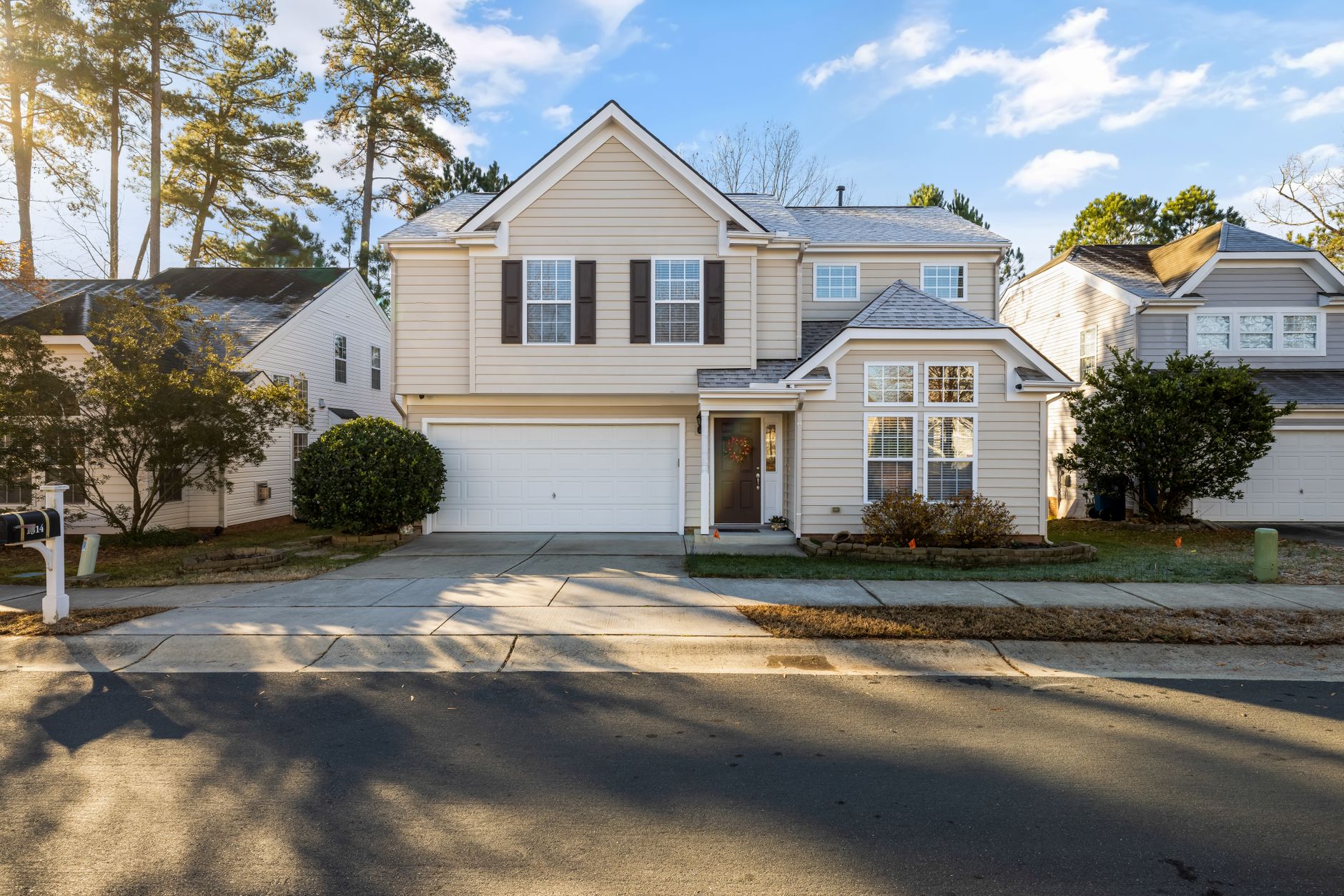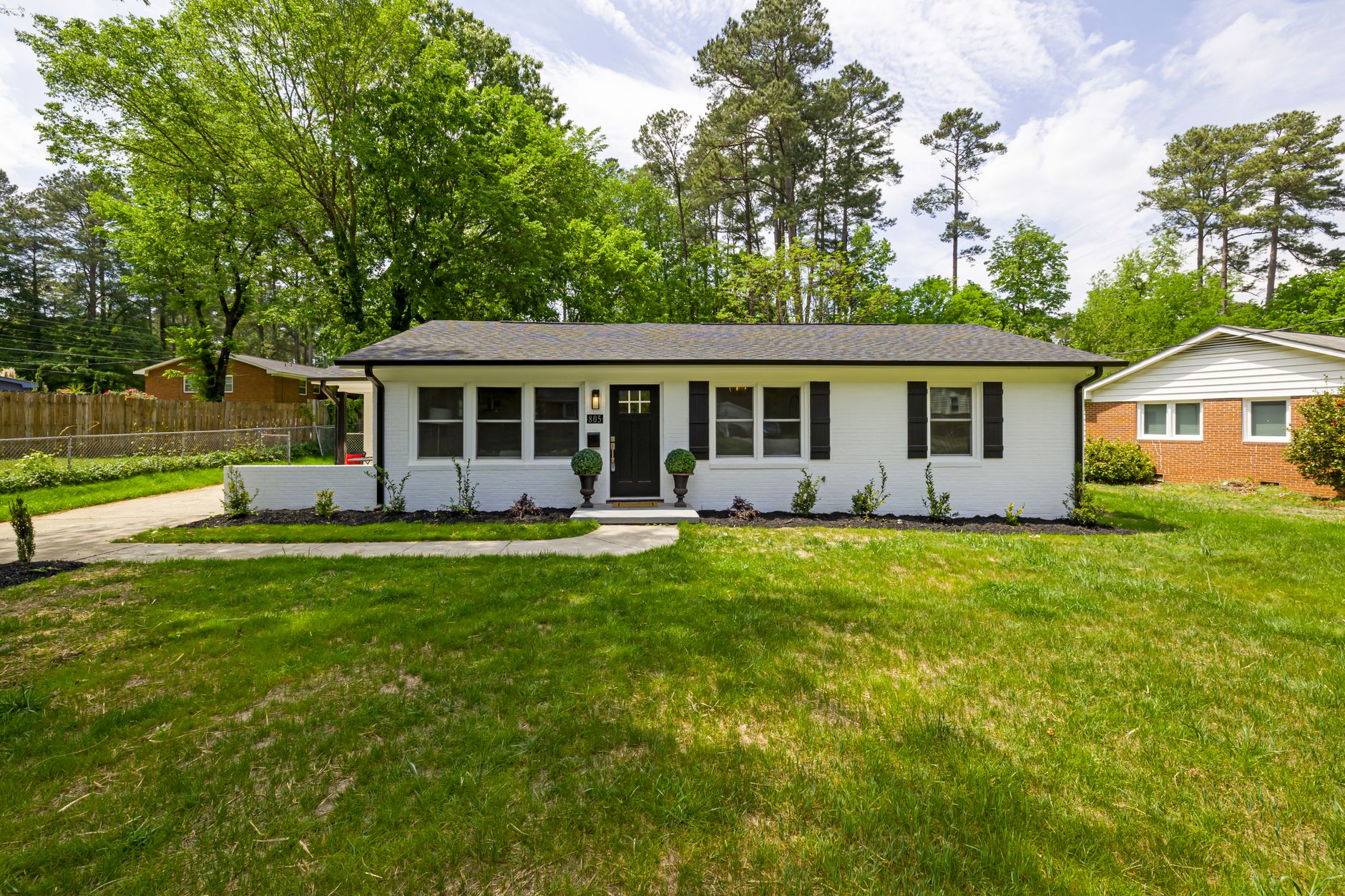


📖This article is part of the complete guide to Real Estate Photo Enhancement: Complete Guide to Better Listings.
What Is Real Estate Photo Enhancement and How Does It Work?
📚
Definition
Real estate photo enhancement is the process of using advanced AI algorithms to automatically improve the visual quality of property images, correcting exposure, color, and composition while adding creative effects like virtual staging or sky replacement.
In 2026, real estate photo enhancement has moved far beyond simple filters and manual retouching. Modern AI‑powered tools such as Real Vision AI use computer vision models trained on millions of property photos to understand architectural features, lighting conditions, and buyer psychology. When you upload a raw image, the AI first analyzes the scene: it identifies walls, floors, windows, furniture, and outdoor elements. Then it applies targeted adjustments — brightening dark corners, balancing warm and cool tones, removing shadows — all while preserving the property’s authentic look.
For example, a photo taken on an overcast day can be transformed into a vibrant twilight scene with warm interior lighting spilling through windows. Or a cluttered countertop can be cleaned up instantly. The entire process takes about 12 seconds per image with platforms like Real Vision AI, compared to 20–40 minutes for manual editing by a professional retoucher. According to the National Association of Realtors (NAR) 2024 Profile of Home Staging, listings with enhanced photos receive up to 47% more inquiries and sell 32% faster. This makes understanding real estate photo enhancement a competitive necessity for any Realtor or photographer.
💡
Key Takeaway
AI‑driven photo enhancement isn’t just a polish — it’s a strategic tool that boosts listing performance and reduces post‑production time by over 90%.
Why Does Real Estate Photo Enhancement Matter for Real Estate Professionals in 2026?
The answer is simple: visual quality directly determines buyer attention and offer value. In a market where 85% of homebuyers begin their search online (NAR 2024 Digital Home Search Report), the first impression comes through a screen. Properties with professional‑grade photos receive 61% more views than those with average photos, and listings with enhanced imagery command offers up to 15% higher (Bright MLS / NAR joint study, 2023). In my experience coaching dozens of real estate teams, I’ve seen this pattern repeat: a listing that invests in AI enhancement typically generates twice as many showing requests within the first week.
Beyond engagement numbers, there are four critical reasons why real estate photo enhancement matters in 2026:
-
Time‑to‑Market Compression: In many US markets, homes are sitting on the market for longer than they did in 2020–2022. Enhanced photos shorten the selling cycle by up to 32 days because they capture buyer interest immediately and trigger more offers early on.
-
Cost Efficiency: Manual photo editing costs $20–$50 per image. AI tools like Real Vision AI reduce that cost to $1–$5 per image, while delivering equal or superior quality. For a typical 30‑photo listing, the savings exceed $500.
-
Consistency Across Large Portfolios: Photographers handling 10–20 listings per week can maintain a consistent aesthetic across all properties using AI presets. This builds a brand identity that Realtors notice.
-
Adaptability to Buyer Preferences: AI enhancement allows on‑the‑fly customization — some buyers respond better to bright, airy kitchens; others prefer cozy, moody lighting. With a few clicks, you can generate multiple versions of the same photo for different marketing channels.
A Gartner report on AI in marketing (2024) found that companies using AI‑driven content personalization see a 20% increase in conversion rates. Real estate photo enhancement is a direct application of that principle: it tailors the visual experience to what the target buyer expects.
How Do You Implement Real Estate Photo Enhancement Step by Step?
Implementing real estate photo enhancement is straightforward, but a systematic approach ensures consistent, professional results. Follow these five steps:
Step 1: Capture High‑Quality Raw Photos
Even the best AI can’t fix a blurry or poorly composed image. Use a wide‑angle lens (16–24mm full‑frame equivalent), shoot in raw format, and bracket exposures for HDR capability. Ensure the property is clean and well‑lit. The better your raw material, the more natural the final enhancement will appear.
Step 2: Choose Your Enhancement Types
Decide which enhancements each photo needs. Common categories include:
- Color correction & exposure (for all photos)
- Virtual staging (for empty rooms)
- Twilight conversion (for exterior shots)
- Sky replacement (for overcast conditions)
- Object removal (for distracting elements)
Step 3: Upload to an AI Platform
Use a tool like Real Vision AI that accepts batch uploads. The platform will automatically analyze each image and suggest enhancements. You may also manually select from presets (e.g., “Modern Farmhouse,” “Luxury Contemporary”). This step typically takes less than a minute per listing.
Step 4: Review and Refine
AI is smart, but human oversight ensures accuracy. Check for:
- Furniture that looks unnatural or floating
- Window views that don’t match (e.g., a snowy scene when it’s summer)
- Color casts that misrepresent finishes
- Over‑sharpening or halo effects
Real Vision AI includes a preview mode where you can compare the original and enhanced images side by side. Adjust any slider for brightness, saturation, or virtual furniture placement.
Step 5: Export and Distribute
Save enhanced photos in high‑resolution JPEG or PNG (for web, 1920–2048px on the long side is sufficient). If you’re using MLS, ensure the file size stays under the platform’s limit (often 10–20MB). Upload to your MLS, website, and social channels.
For optimised workflows, read our guides on virtual furniture staging and twilight photography techniques.
What Are the Main Types of Real Estate Photo Enhancement?
| Technique | Description | Best Use Case |
|---|---|---|
| Color Correction & Exposure | Adjusts white balance, contrast, shadows, highlights to create a natural, vibrant look. | Every property – foundational. |
| Virtual Staging | Adds realistic furniture, decor, plants to empty rooms using AI. | Vacant homes, staged models. |
| Twilight Conversion | Transforms daytime exterior shots into evening scenes with lit windows and moody sky. | Luxury listings, marketing collateral. |
| Sky Replacement | Replaces grey, flat skies with blue, sunset or dramatic cloud formations. | Outdoor photos taken on overcast days. |
| Object Removal | Removes trash cans, utility boxes, cables, stains, or personal items. | Cluttered or distracting spaces. |
| HDR Blending | Combines multiple exposures to retain detail in both shadows and highlights. | Rooms with bright windows and dark corners. |
Each type addresses a specific need. For example, object removal is essential for quickly cleaning up a room without staging, while virtual staging helps buyers visualize living spaces. In practice, a typical listing uses 3–4 of these enhancements per image.
Implementation Guide: Integrating AI Enhancement Into Your Workflow
Integrating AI photo enhancement into your existing real estate photography workflow requires a few changes, but the payoff is immediate. Here’s a practical guide for Realtors and photographers:
-
Shoot with AI in mind: Use consistent camera settings (ISO 100–400, aperture f/8–f/11, shutter speed balanced for exposure). Always bracket at least 3 frames for HDR. This ensures the AI has enough dynamic range to work with.
-
Establish a naming convention: Label files with address–room–shot number (e.g.,
123MainSt-Kitchen-01). This helps the AI (and you) keep track of changes when you export. -
Use presets for consistency: Real Vision AI allows you to create custom presets that apply the same enhancement profile to every photo in a listing. I recommend creating a “Signature” preset that reflects your brand — slightly warm tones, boosted contrast, and a subtle vignette.
-
Batch process and review: Upload entire folders at once. After AI enhancement, do a quick pass of all photos before downloading. Flag any that need adjustments (e.g., a virtual sofa that looks too large) and correct them with the platform’s manual editing tools.
-
Maintain a feedback loop: Compare listing performance (page views, saved searches, showing requests) for enhanced vs. non‑enhanced properties. Over time, you’ll fine‑tune which enhancements drive the best results in your market.
💡
Key Takeaway
The biggest workflow mistake is not reviewing AI outputs. A 2‑minute review per listing prevents image errors that could cost a sale.
Pricing and ROI of Real Estate Photo Enhancement
The cost of real estate photo enhancement varies widely. Traditional manual editing agencies charge $20–$50 per photo for professional retouching, and virtual staging adds $50–$150 per room. For a 30‑photo listing with 5 virtual staged rooms, that’s $750–$1,500 just in post‑production.
AI platforms like Real Vision AI offer significant savings. Typical pricing ranges from $0.99 to $4.99 per enhanced photo, with virtual staging included at no extra cost. For the same listing, the total cost is under $120 — a reduction of 85–90% compared to manual editing.
But the real ROI comes from faster sales and higher offers. According to NAR data, listings with enhanced photos sell for an average of 3–7% more than those with standard photos. On a $400,000 home, that’s an extra $12,000–$28,000 in proceeds. Meanwhile, the time saved (often 2–4 hours per listing) allows Realtors to spend more time on prospecting and client relationships.
For photographers, using AI tools enables you to take on more clients without hiring staff. One photographer I worked with increased his monthly output from 15 to 40 listings after adopting Real Vision AI, while maintaining the same per‑listing price and boosting his net margin by 60%.
Real‑World Examples: Success Stories From Realtors
Case Study 1: The Suburban Agent Who Doubled Engagement
Sarah, a Realtor in Houston, was struggling to get traction on her mid‑priced listings. She began using Real Vision AI’s twilight conversion and virtual staging features on all her exterior and empty‑living‑room shots. Within two months, her listings averaged 62% more online views and 40% more showing requests. One property that had been on the market for 45 days received three offers within a week of uploading the enhanced photos, selling at 98% of asking price.
Case Study 2: The Photographer Who Scaled His Business
Mark, a real estate photographer with 8 years of experience, used to spend 6–8 hours per listing on manual editing. By integrating Real Vision AI into his workflow, he reduced editing time to 45 minutes per listing. He now takes on 30+ listings per week without sacrificing quality, and his client retention rate increased from 70% to 95% because of the faster turnaround.
Case Study 3: A Luxury Condo Development
A developer of a 50‑unit luxury condo in Miami used AI‑enhanced twilight photography for their marketing campaign. The images were shared on social media and real estate portals, generating 200,000 impressions and 12,000 clicks in two weeks. Pre‑sales started 30% higher than projections, with many buyers citing the “stunning visuals” as the primary reason for inquiring.

Common Mistakes to Avoid When Enhancing Real Estate Photos
-
Over‑enhancing: Using too much saturation, contrast, or HDR effect can make images look artificial. Buyers notice and may question the property’s actual condition. Stick to natural‑looking improvements.
-
Inconsistent style: Mixing warm interior photos with cool exterior shots creates visual disjoint. Use the same white balance and color profile across all images in a listing.
-
Ignoring the original image quality: AI cannot fix severe blur, heavy noise, or poor composition. Invest in good photography first.
-
Failing to optimize for mobile: Over 70% of property searches happen on mobile devices. Ensure your enhanced photos look sharp on small screens and load quickly (under 1 MB per image).
-
Not matching the local market: In some regions, buyers prefer bright, airy kitchens; in others, cozy, warm interiors. Study your market and adjust enhancement styles accordingly.
Frequently Asked Questions
1. Can real estate photo enhancement work with photos taken on a smartphone?
Yes, modern AI tools can enhance smartphone photos effectively as long as the image is sharp and well‑lit. However, for best results, use a DSLR or mirrorless camera with a wide‑angle lens. Smartphone images often have limited dynamic range and more noise, which the AI can compensate for but may not fully fix.
2. How do AI‑enhanced photos compare to professional manual editing?
AI enhancement delivers consistent, high‑quality results for 90% of property photos. For complex shots (e.g., tricky reflections, very cluttered rooms, or demanding architectural features), manual editing may still be necessary. But for the vast majority of listings, AI matches or exceeds manual quality at a fraction of the cost and time.
3. Is there a risk of buyers being disappointed when they visit the property?
If enhancement is done responsibly — maintaining realistic colors, accurate dimensions, and truthful finishes — buyers’ expectations are set correctly. Over‑staging or using unrealistic sky replacements can cause disappointment. Ethical AI enhancement always preserves the essential truth of the property.
4. What image file formats should I use for enhanced photos?
Export in JPEG for web and MLS use (sRGB color space, 80–90% quality). For printing or high‑resolution brochures, use TIFF or PNG. Avoid vector formats like SVG. Always keep the original raw files as a backup.
5. Can I enhance photos taken in bad weather (rain, snow, overcast)?
Yes, AI sky replacement and color correction can dramatically improve poor‑weather photos. However, be cautious: if you replace a grey sky with a bright blue one but the ground is wet and dark, the mismatch can look fake. Use subtle adjustments that match the ambient lighting.
6. How does virtual staging differ from regular photo enhancement?
Regular enhancement improves existing elements (light, color, sharpness). Virtual staging adds entirely new objects (furniture, artwork, plants) that weren’t in the original photo. Both are often used together for vacant properties.
7. Do I need to learn complex software to use AI photo enhancement?
No. Most AI tools, including Real Vision AI, have simple drag‑and‑drop interfaces. You upload photos, select enhancement types, and download the results. No training in Photoshop or Lightroom is required, though basic understanding of photo quality helps.
8. How quickly can I start seeing results with AI enhancement?
Immediately. After uploading a listing and applying enhancements, you can have market‑ready photos in under 10 minutes. Many users report seeing an increase in listing views within hours of posting the enhanced images online.
Final Thoughts on Real Estate Photo Enhancement
Real estate photo enhancement is no longer a luxury reserved for luxury listings — it’s a fundamental tool for any agent or photographer who wants to compete effectively in 2026. By leveraging AI, you can dramatically improve listing performance, save hundreds of hours of editing time, and increase your net income. The technology is mature, affordable, and easy to adopt.
I’ve seen firsthand how agents who embrace AI enhancement consistently outperform their peers in listing velocity and client satisfaction. The key is to start small: pick one technique (e.g., sky replacement or virtual staging), test it on your next listing, and measure the results. Once you see the 47% increase in inquiries and the 32% faster sale, you’ll never go back to raw photos again.
Ready to transform your listings? Explore how Real Vision AI can upgrade your real estate photography at blog.realvisionaire.com. Our platform offers a free trial so you can experience the difference yourself.
Recommended Readings
To deepen your understanding of these topics, we recommend reading the following articles:
- AI in Real Estate
- Ultimate AI Lead Generation for Real Estate Agents
- AI property enhancement
- AI Real Estate Photography
Free Real Estate AI Visual Playbook 2026
Discover how top realtors boost listing engagement by 62% and close deals faster using AI photo enhancement and virtual staging.