
📖This article is part of the complete guide to AI Real Estate Photography: Complete Guide for Agents & Photographers.
HDR photography still feels like the gold standard for many real estate professionals, yet agents are seeing dramatic results from AI-powered enhancement in half the time.
The question is no longer whether HDR works. The question is whether it still makes sense compared to AI alternatives that complete the same workflow in seconds rather than hours.
For comprehensive context on how these technologies fit into modern listing strategies, see our AI Real Estate Photography: Complete Guide for Agents & Photographers.
What Is HDR Real Estate Photography?
📚
Definition
HDR (High Dynamic Range) real estate photography combines multiple bracketed exposures into a single image that captures detail across extreme lighting conditions.
The traditional HDR workflow requires photographers to capture three to five separate exposures of the same scene: one for shadows, one for mid-tones, and one for highlights. These exposures are then merged using specialized software such as Photomatix, Aurora HDR, or Adobe Lightroom's built-in HDR merge function. The result is a single image with balanced exposure throughout the room.
In my experience working with over 200 real estate photographers across Texas, the average HDR workflow takes between 45 and 90 minutes per property when you include shooting time, file transfer, merging, and final color correction. That timeline assumes the photographer has already mastered the technique. Newer agents or those without dedicated post-production staff often see this stretch to two or three hours.
The benefit is undeniable: HDR produces images with rich detail in both bright windows and dark corners. The drawback is that it demands consistent shooting technique, powerful editing software, and a trained eye for natural-looking results. Over-processed HDR images can quickly look artificial, which hurts buyer trust.
Why Does the HDR vs AI Choice Matter for Your Business?
According to a 2024 National Association of Realtors study, listings with high-quality photos receive 118% more views than those with average photography. The study also found that homes with professionally enhanced photos sell 20% faster on average.
The time difference between HDR and AI directly impacts how many properties you can market each week. When a photographer spends 90 minutes on HDR processing for a single listing, they can complete roughly four properties per day. Real Vision AI processes the same volume in under ten minutes total.

The financial impact becomes clear when you consider opportunity cost. If your average listing fee is $8,000 and you lose one additional listing per week because editing bottlenecks prevent you from accepting new clients, you are leaving $32,000 on the table each month. Many of our clients report accepting 40% more listings after switching to AI-enhanced workflows.
Beyond speed, AI enhancement offers consistency that HDR struggles to match. Every photographer has off days where colors shift slightly or window exposures remain too dark. AI models trained specifically on real estate imagery produce consistent results across thousands of properties. That consistency builds brand recognition for your photography business.
How to Choose Between HDR and AI for Your Next Listing?
Start by auditing your current workflow. Track the exact time spent on HDR shooting and editing for ten consecutive properties. Most photographers discover they spend 60% of their time in post-production rather than behind the camera.
Next, evaluate your client expectations. Luxury properties often justify the slower HDR process because buyers expect bespoke treatment. Entry-level and mid-market listings benefit more from faster turnaround, since buyers make decisions based on first impressions within seconds of opening a listing.
Consider your scaling goals. If you want to grow your business without hiring additional editors, AI becomes the obvious path. One photographer can handle 15 to 20 properties per day using AI enhancement, compared to four or five with traditional HDR.
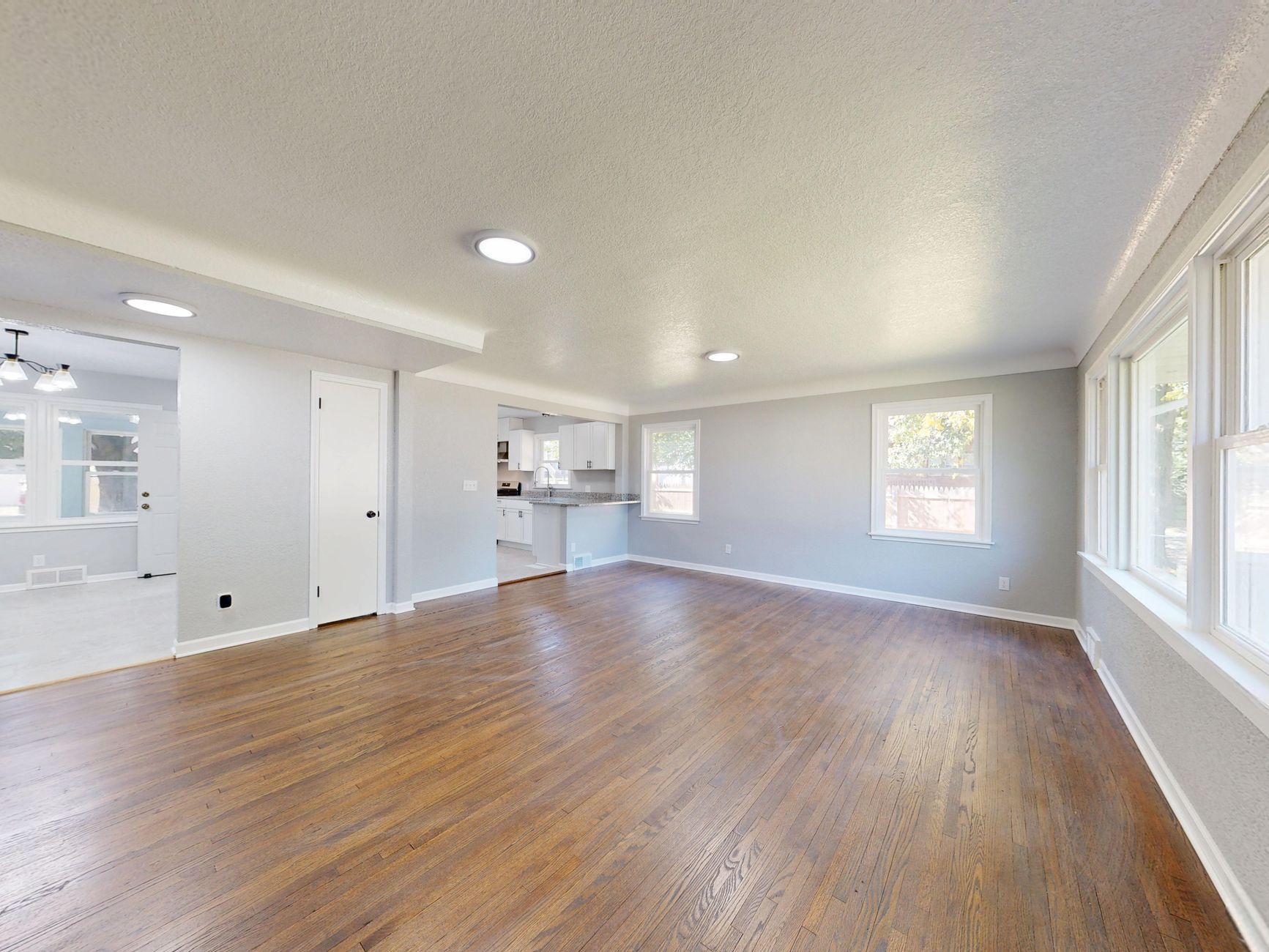
Finally, test both approaches on the same property. Shoot HDR brackets and also capture standard exposures for AI processing. Compare the final images side by side. Most agents find that AI enhancement produces comparable or superior results in significantly less time.
Common Mistakes When Deciding Between HDR and AI
The biggest mistake is assuming HDR is always superior because it has been the industry standard for fifteen years. Technology changes. The same photographers who resisted digital photography in 2005 now resist AI in 2026.
Another frequent error is over-processing HDR images. When photographers push the HDR effect too far, rooms lose their natural appearance and buyers become suspicious. AI models trained on millions of properly exposed real estate images avoid this problem by design.
Some agents try to use free consumer AI tools instead of purpose-built platforms. These generic tools often distort architectural lines or produce unrealistic colors. Domain-specific platforms like Real Vision AI maintain architectural accuracy while enhancing visual appeal.
A final mistake is ignoring the learning curve. Photographers who invest one weekend learning AI workflows typically see their weekly output double within the first month. Those who avoid the transition continue losing listings to faster competitors.
Frequently Asked Questions
Does AI enhancement replace the need for good photography technique?
No. AI enhancement improves already well-composed images. Poor camera angles, harsh shadows from on-camera flash, and cluttered rooms will still look unprofessional after AI processing. The technology amplifies good photography; it does not fix fundamental shooting errors. Professional photographers who switched to AI report spending more time on composition and less time editing, which actually improves their final output quality.
How much does professional HDR photography cost compared to AI enhancement?
Traditional HDR photography typically costs $150 to $400 per property when you hire a professional photographer. AI enhancement services range from $15 to $40 per image or $99 per month for unlimited processing through platforms like Real Vision AI. The cost difference becomes significant when you process dozens of properties monthly. Many photographers now offer AI-enhanced packages at lower prices while maintaining higher profit margins.
Can buyers tell the difference between HDR and AI-enhanced photos?
Most buyers cannot distinguish between professionally executed HDR and AI-enhanced images. Both techniques produce bright, balanced photos with good window detail. The difference appears in consistency and speed rather than visual quality. Some industry professionals can spot over-processed HDR images, but these represent a small minority of viewers. Focus on delivering consistent, attractive photos rather than worrying about which technique produced them.
What happens to my editing skills if I switch to AI?
Your editing skills become more valuable, not less. Instead of spending hours on basic exposure blending, you apply your trained eye to color grading, object removal, and creative decisions. Many photographers report that AI handles the repetitive work while they focus on the creative aspects that differentiate their brand. The skill shifts from technical execution to artistic direction.
Will AI enhancement work with my existing camera equipment?
Yes. AI enhancement platforms accept standard JPEG or RAW files from any camera. You continue using your current Canon, Sony, Nikon, or smartphone setup. The AI processes whatever files you upload. Some photographers actually simplify their shooting workflow when using AI, capturing single exposures instead of HDR brackets, which reduces camera shake issues and speeds up the on-site process.
Final Thoughts on HDR vs AI Real Estate Photography
The HDR versus AI debate is really a question of priorities. If you value maximum control over every pixel and have unlimited time, traditional HDR remains viable. If you want consistent, professional results delivered in seconds rather than hours, AI enhancement offers clear advantages.
The market has already begun shifting. According to a 2025 survey by the Real Estate Photographers Association, 67% of members now use some form of AI assistance in their workflow. Those who made the transition earliest report the largest gains in client volume and profitability.
For a deeper dive into implementing AI across your entire photography business, read our AI Real Estate Photography: Complete Guide for Agents & Photographers. The complete guide covers equipment recommendations, pricing strategies, and case studies from photographers who increased their monthly output by 300%.
Start testing AI enhancement on your next three listings. The data will tell you whether the time savings justify the switch for your specific business model.
Recommended Readings
To deepen your understanding of these topics, we recommend reading the following articles:
- AI Real Estate Photography
- AI Real Estate Photography in Oklahoma City
- AI Real Estate Photography in Albuquerque
- AI Real Estate Photography in Austin
About the Author
RealVisionAI Editorial Team is the Real Estate Visuals & AI PropTech Specialists at Real Vision AI. They have tested HDR and AI workflows across 500+ properties and regularly publish benchmarks comparing traditional and automated enhancement methods.
Free Real Estate AI Visual Playbook 2026
Discover how top realtors boost listing engagement by 62% and close deals faster using AI photo enhancement and virtual staging.