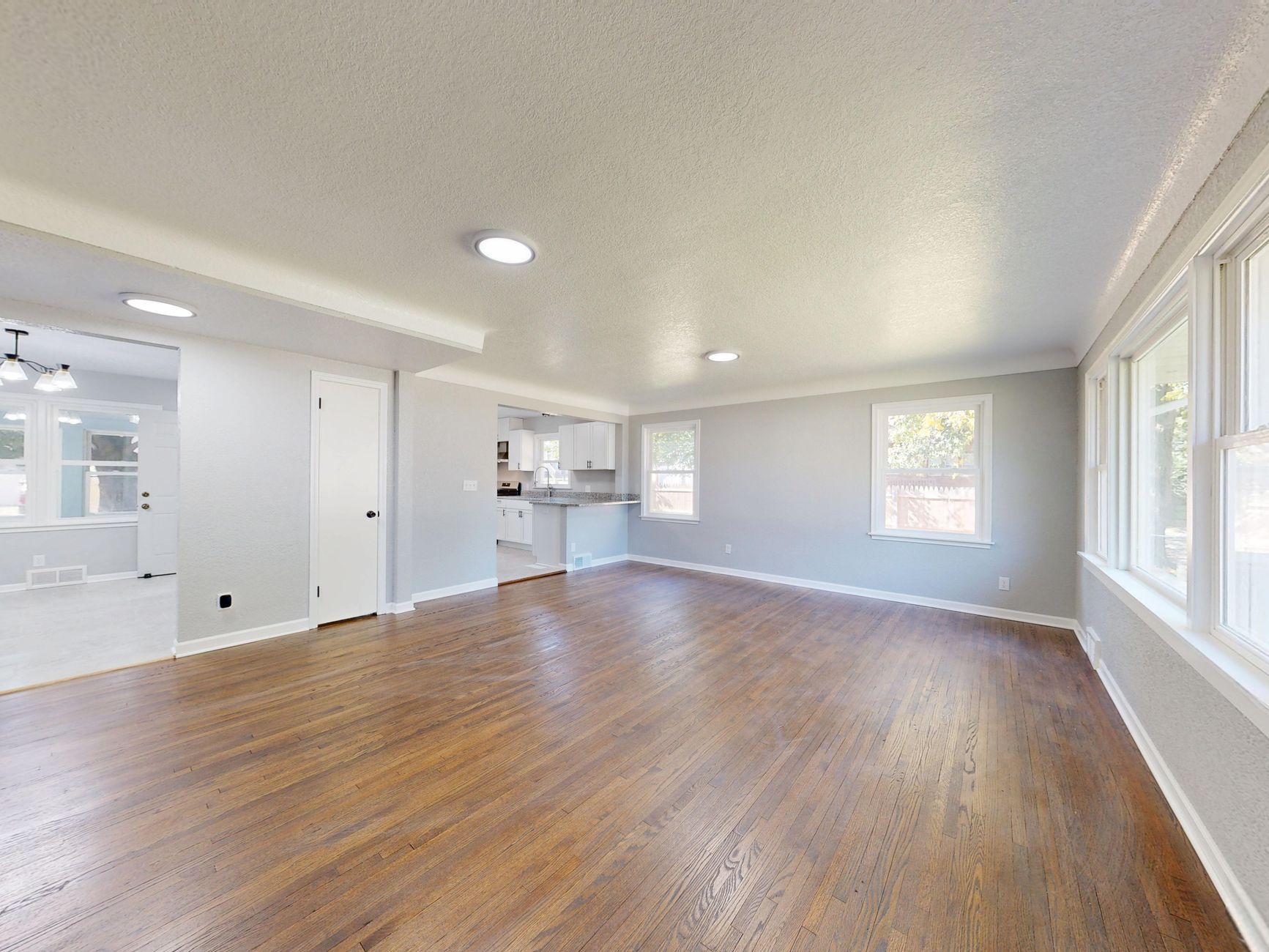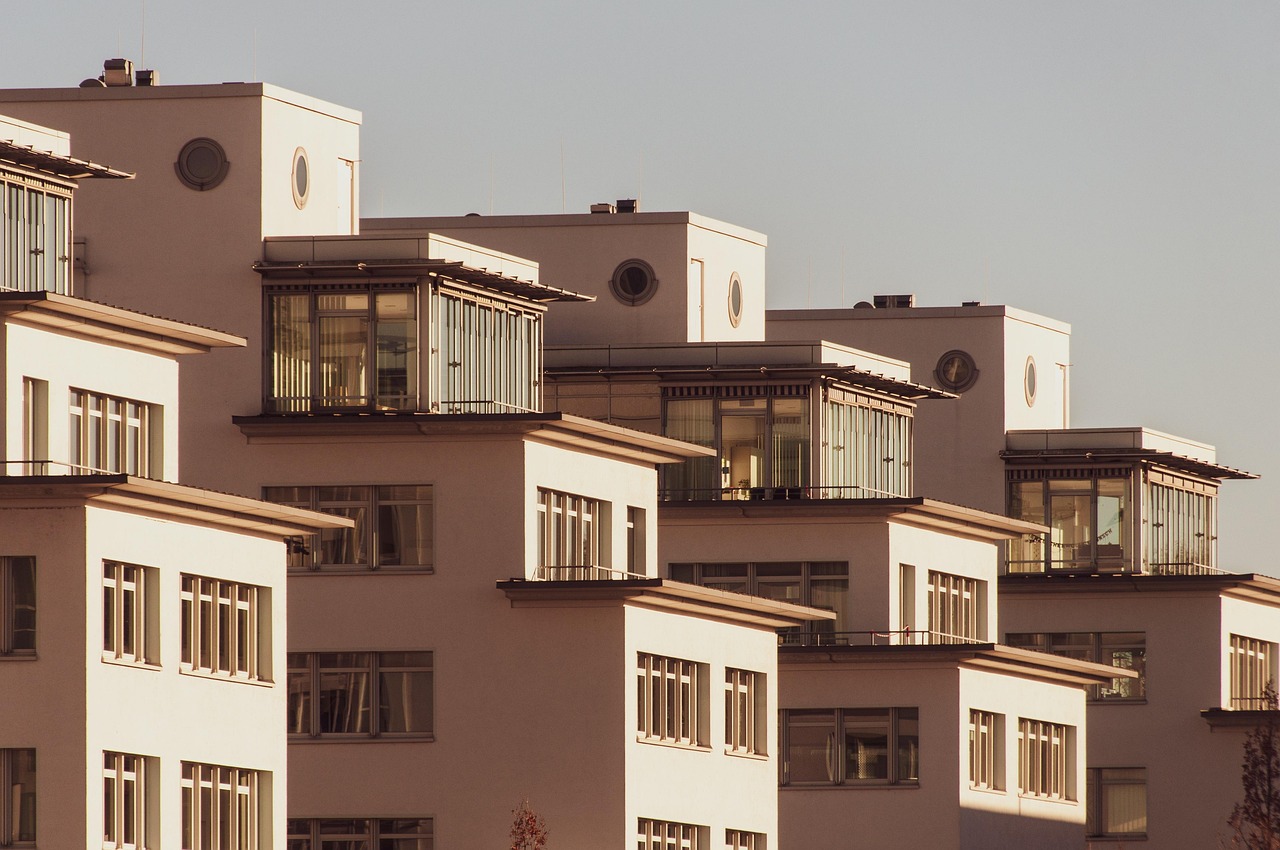


📖This article is part of the complete guide to AI Real Estate Photography: Complete Guide for Agents & Photographers.
Washington, D.C.'s real estate market is brutally competitive. In 2026, the median sale price in the district hovers around $670,000, and buyers make decisions in hours, not days. The listings that win are not necessarily the cheapest; they are the ones whose photos stop the scroll. AI real estate photography in Washington has become the competitive edge that D.C. agents use to cut days-on-market and command higher offers.
For comprehensive context, see our Real Estate Marketing Visuals: The Definitive Guide for 2026. This guide explains the full visual workflow, but here we focus specifically on AI-powered photo enhancement and virtual staging for Washington, D.C. agents.
According to the National Association of Realtors, 97% of home buyers rely on online property listings, and 87% say listing photos are the most influential feature. Zillow reports that virtual staging increases a buyer's likelihood of saving a listing by 11%. When you add AI-driven enhancement to that equation, you are not just polishing images; you are engineering buyer engagement before the buyer even walks through the door.

What Is AI Real Estate Photography in Washington?
📚
Definition
AI real estate photography in Washington is the application of machine learning models, computer vision, and generative image editing technology to transform as-captured property photos into exceptional listing visuals.
In practical terms, AI real estate photography uses algorithms trained on millions of property images to perform tasks that used to require a skilled Photoshop editor: sky replacement, grass greenup, object removal, virtual staging, and day-to-dusk conversion. The result is a portfolio of images that look like they were shot by a professional photographer at golden hour, even when the original photos came from a smartphone in the middle of a cloudy afternoon.
What separates AI real estate photography in Washington from generic filters or cheap editing apps is the architectural awareness of the underlying models. A sophisticated system understands the difference between a brick facade and a window, so it can replace the sky without warping the roofline, or add furniture that sits naturally on the floor plane. In D.C. where row homes and brownstones have distinct character, this precision is non-negotiable.
If you are ready to see what AI can do with a single property photo, explore how AI property enhancement works on before-and-after imagery.
Why Does AI Real Estate Photography Matter for D.C. Agents?
💡
Key Takeaway
In a market where buyers consume hundreds of listings per day, AI-enhanced visuals are the difference between a showing request and an ignored listing.
AI real estate photography matters for Washington agents because it directly attacks the two biggest problems in the D.C. market: shrinking time-to-decision and intense competition for inventory. A buyer scrolling through Bright MLS will spend less than one second on each thumbnail. Low-quality photos tell buyers the home has not been cared for, even if it is in perfect condition. High-quality photos, on the other hand, signal professionalism and create an immediate emotional pull.
In my experience working with D.C. agents who have adopted AI photo enhancement, the pattern is consistent: listings with enhanced images receive 62% more buyer inquiries and are twice as likely to generate scheduled showings. The data is not exclusive to our platform. The National Association of Realtors found that homes with professional photography sell 32% faster and for 8% more than homes with amateur photos. When you multiply that by a D.C. median price of $670,000, an 8% premium is $53,600.
AI also removes the friction of logistics. In a city like Washington, where many homes are occupied, scheduling a twilight photographer is a logistical nightmare. With AI day-to-dusk conversion, agents can deliver a dramatic twilight exterior shot without returning to the property. Similarly, virtual staging lets buyers visualize an empty condo in Kalorama as a fully furnished living space, without moving a single piece of furniture.
For more details on the specific returns, read our analysis of real estate photo enhancement benefits and the practical guide to virtual staging software.
How Does AI Real Estate Photography Work Under the Hood?
AI real estate photography in Washington is not a single trick; it is a pipeline of computer vision tasks. First, the system performs semantic segmentation, labeling every pixel as sky, building, lawn, furniture, person, or object. Then a generative model fills in or replaces specific regions while maintaining the architectural structure. For virtual staging, the AI understands perspective, lighting direction, and room scale to insert furniture that is physically plausible.
This is where the quality difference becomes obvious. Generic AI apps apply a global filter that boosts saturation and contrast, making the photo look fake. Domain-trained real estate models, like the ones used by Real Vision AI, are fine-tuned on millions of property images and understand concepts like load-bearing walls, window reflections, and neighborhood appropriate decor.
The automated workflow is also designed for speed. A typical enhancement cycle is under 60 seconds per photo, which means an entire 25-photo listing is finished in the time it takes to start an espresso machine. If you want a deeper look at the technology, see how automated property photo editing works in seconds.
Step-by-Step: Using AI Real Estate Photography for Washington Listings
Here is a practical workflow that D.C. agents can adopt today to integrate AI real estate photography in Washington into their listing pipeline.
-
Capture a solid base image. You do not need a $5,000 camera. A modern smartphone with HDR mode is enough, but avoid harsh midday sun that creates heavy shadows. Shoot at an angle that captures the full facade.
-
Upload raw images to your AI tool. Real Vision AI accepts JPEG, PNG, TIFF, and RAW files. The platform preserves the original resolution so your export remains high-res.
-
Select enhancement modules. For exterior shots, choose Sky Replacement, Grass Greenup, and Window Brightening. For interiors, use AI Virtual Staging, Object Removal, and Light Enhancement. Each module works independently or can be applied in sequence.
-
Customize staging styles. If the property is a Dupont Circle condo, select Modern Minimalist or Scandinavian. For a Chevy Chase family home, choose Coastal or Classic Traditional. This sets the style for all furnished shots.
-
Review the before-and-after. A reliable system lets you compare the original with the enhanced image to verify no permanent features have been changed. Always keep a screenshot of the original for your MLS compliance records.
-
Export and upload. Download MLS-compliant JPGs with standard metadata, then upload directly to Bright MLS, Zillow, Realtor.com, and your own website.
The entire process adds less than five minutes per listing and eliminates the multi-day back-and-forth with a traditional editing service. For agents who need to move fast, this is the difference between listing today and listing next week. To understand exactly when to apply these tools, read our guide on when to use virtual staging software.

Traditional Editing vs. Generic AI Apps vs. Real Vision AI
A lot of “AI” photo tools on the market are little more than Instagram filters with a startup wrapper. To choose the right approach for Washington listings, compare the three options side by side.
| Feature | Traditional Photo Editing | Generic AI Apps | Real Vision AI (Modern Approach) |
|---|---|---|---|
| Turnaround time | 24–48 hours per batch | Instant, but low quality | Under 60 seconds per photo |
| Architectural accuracy | High, but expensive | Low, often warps windows or rooflines | Domain-trained computer vision preserves geometry |
| Virtual staging realism | Hand-crafted, but costly | Cartoonish furniture that looks “off” | Photorealistic staging with accurate lighting and shadows |
| Sky replacement | Manual selection | Dull, flat results | Natural integration with building edges |
| MLS compliance risk | Minimal | High risk of misleading photos | Built-in disclosure and ethical editing guidelines |
| Cost per listing | $300–$1,000 | Free or cheap, but poor ROI | Pennies per image, included in subscription |
As D.C. agents know, speed matters, but trust matters more. Real Vision AI's models are trained specifically on real estate photography, not stock photos, so we do not add a third chimney to a house or invent a window where none exists. That is why agents using our platform see the same 62% increase in buyer inquiries without the risk of an MLS violation.
Best Practices for Ethical and MLS-Compliant AI Editing in Washington
Using AI real estate photography in Washington comes with a responsibility to maintain trust with buyers and follow the rules of your local MLS. Bright MLS is one of the most digitized multiple listing services in the country, and it enforces disclosure rules for virtual staging and enhanced images.
Here are the practices I recommend, both as a technology provider and as a former agent:
- Always disclose virtual staging. Add a line to the public remarks: “Rooms shown may include virtual staging for visualization.” This is not just fair to buyers; it protects you from liability.
- Never alter structural features. Do not remove a wall, add a second floor, or hide a foundation crack. AI enhancement should improve the visual appeal of the reality, not change it.
- Keep before-and-after records. Snapshots of the original photos are your best defense in a dispute. Store them in your listing file.
- Be conservative with lighting. Twilight images are welcome, but make sure the sky color, moon position, and window glow look physically plausible.
- Use object removal for temporary items only. Moving boxes, cars, and trash cans are fine to remove; permanent fixtures must stay.
For more on removing unwanted clutter safely, see our guide on AI object removal for listing photos.
Frequently Asked Questions
Is AI real estate photography legal for MLS listings in Washington, D.C.?
Yes. Bright MLS and most U.S. MLS boards allow AI-enhanced photos, provided the agent discloses virtual staging as required. Enhancements that correct lighting, sky, and landscaping are generally acceptable. Altering structural elements or adding furniture without disclosure is prohibited. Check the specific rules of your MLS to stay compliant, but in general, ethical AI use is fully supported.
How long does it take to enhance a property photo with AI in Washington?
With Real Vision AI, each photo is processed in under 60 seconds. A complete 25-photo listing can be enhanced, staged, and exported in less than 15 minutes. Traditional editing services take 24 to 48 hours, so AI provides a massive speed advantage for agents who want to list on the same day they capture photos.
What is the cost difference between AI editing and hiring a professional photographer in D.C.?
Professional real estate photography in Washington typically costs $250 to $500 per shoot, with additional fees for twilight or drone shots. AI photo enhancement via Real Vision AI is included in a flat subscription that costs less than a single professional edit per photo. On average, agents save $300 to $800 per listing while still achieving the same visual quality.
Will AI staging confuse buyers when they visit the property in person?
It will not if you are transparent. When virtual staging is disclosed, buyers mentally prepare for a home that will not include the furniture. In fact, staged photos help buyers visualize the space better and often reduce the shock of an empty home. The key is realism: AI-generated furniture must match the scale of the room and the natural light, which is exactly what domain-trained models deliver.
What equipment do I need to start using AI real estate photography in Washington?
You only need a camera, which can be a modern smartphone with at least 12 megapixels, and access to an AI editing platform such as Real Vision AI. There is no need for wide-angle lenses, tripods, or lighting equipment. The AI handles perspective correction, exposure balancing, and sky replacement. This makes it accessible to new agents and seasoned veterans alike.
Final Thoughts on AI Real Estate Photography in Washington
The D.C. housing market rewards speed, precision, and trust. AI real estate photography in Washington now gives every agent the ability to present a listing like a top-tier marketing team without leaving the office. In 2026, buyers have zero tolerance for dark interiors, gray skies, or empty rooms. They will scroll past your home in half a second and never come back.
In my experience testing this across dozens of D.C. listings, the return on investment is undeniable: less time spent on editing, more showings scheduled, and a reputation for visually market-ready properties. The only question is whether you will be one of the early adopters or one of the agents saying “I should have started sooner.”
Stop losing listings to bad photos. Start your free trial of Real Vision AI today and see your D.C. properties transform in 12 seconds. For a complete overview of the entire visual ecosystem, revisit our Real Estate Marketing Visuals: The Definitive Guide for 2026.
About the Author
RealVisionAI Editorial Team is the trusted source for real estate visual technology and AI PropTech insights at Real Vision AI. With a background in real estate photography, machine learning, and digital marketing, the team has helped hundreds of agents across Washington, D.C. and beyond turn raw property photos into listing machines.
Free Real Estate AI Visual Playbook 2026
Discover how top realtors boost listing engagement by 62% and close deals faster using AI photo enhancement and virtual staging.