When to Upgrade AI Real Estate Photography

The right time to switch to AI real estate photography. Learn signs, benefits, and how RealVisionAI transforms property listings with cutting-edge technology.

Transform Your Property Listing Photos in Seconds

Join top realtors, brokers, and photographers using AI sky replacement, lawn restoration, and virtual staging. Create your free account on RealVisionAI today.

Start now
Image Real Vision AI photo and video staging plataform for realtors, brokers, and photographers to double buyer leads.
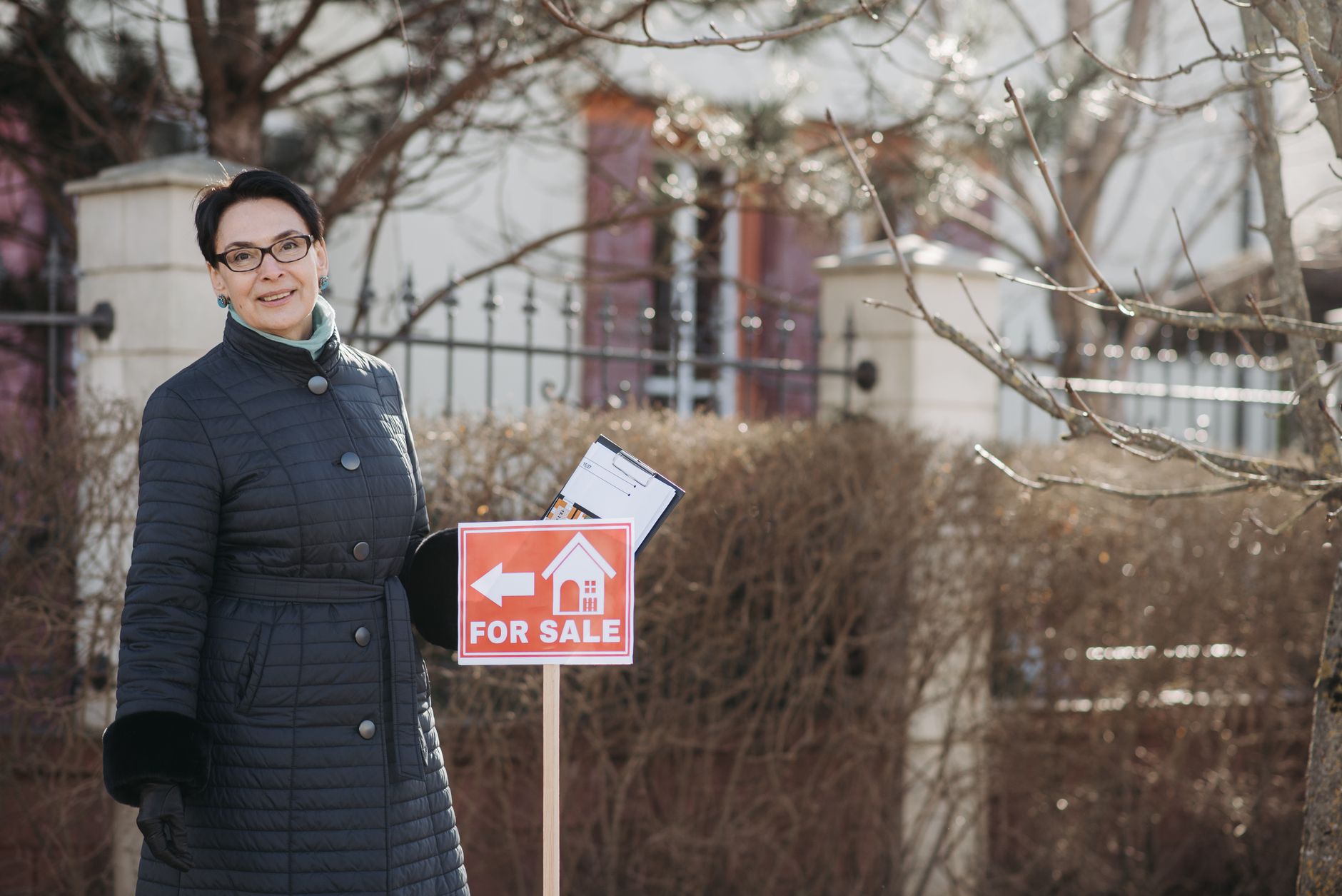
Photograph of RealVision AI Editorial Board, Real Estate Tech & AI Imaging Specialists

RealVision AI Editorial Board

Real Estate Tech & AI Imaging Specialists · August 10, 2026 at 2:36 AM EDT· Updated August 24, 2026

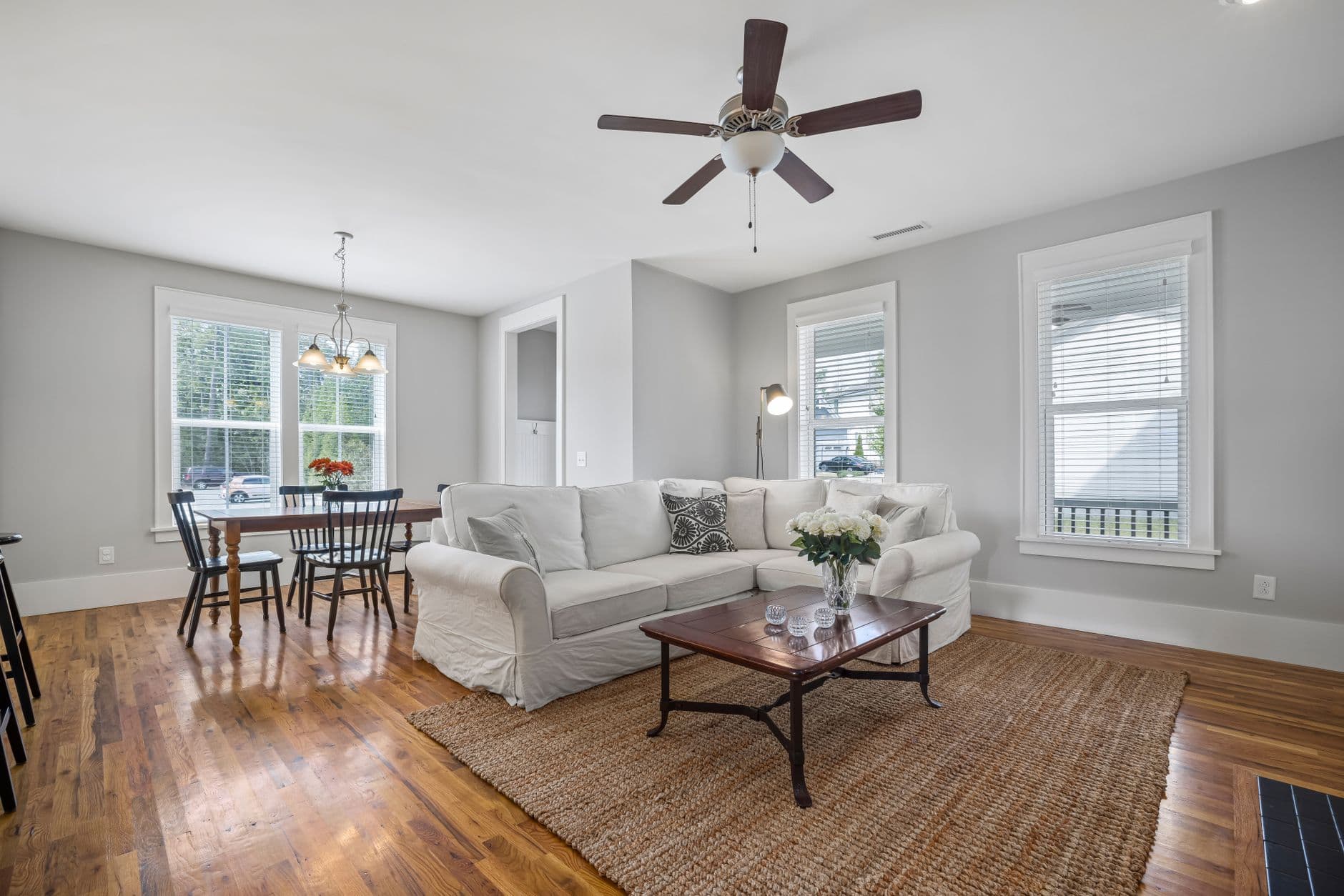
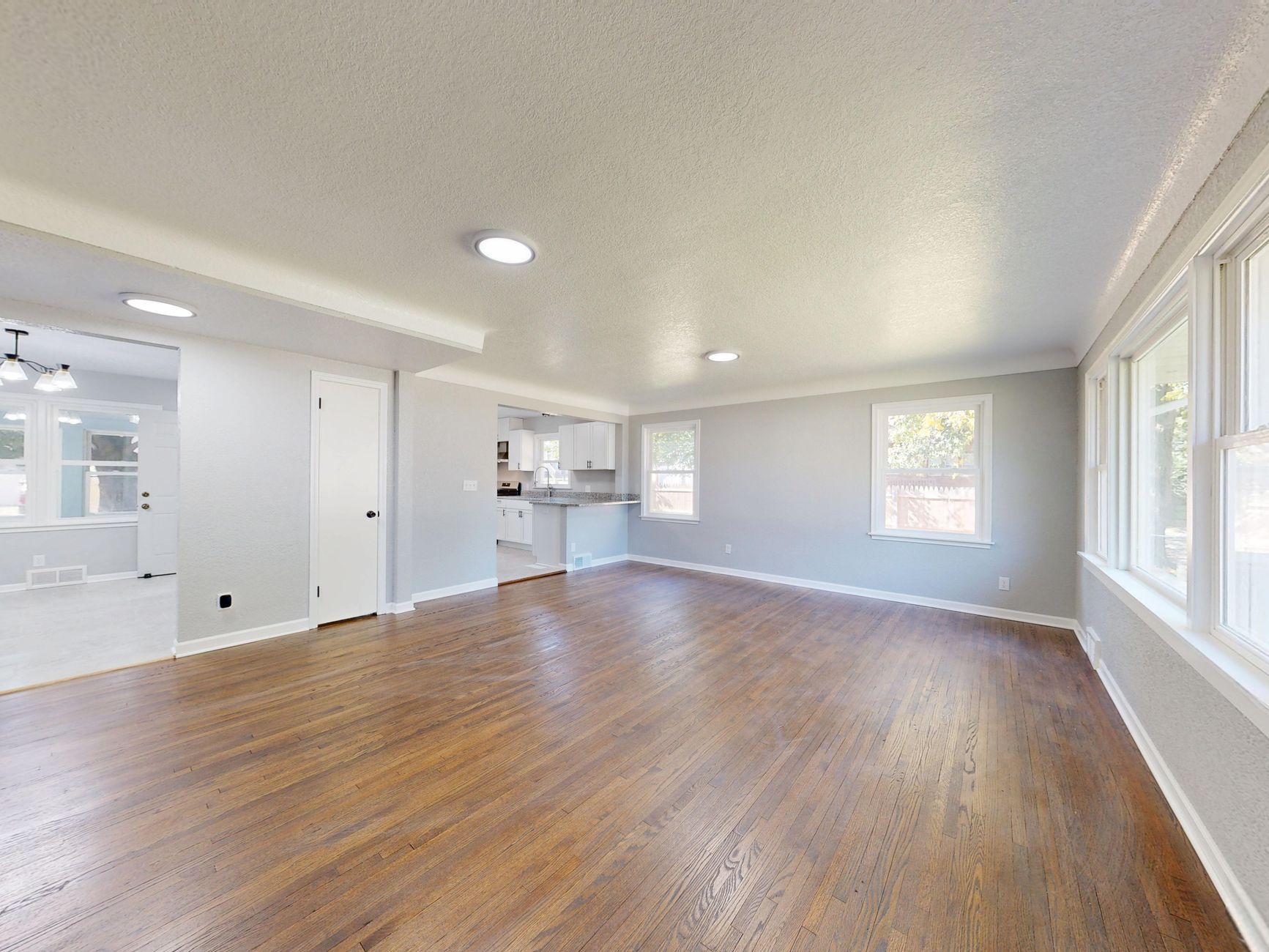
Bright open concept living room with wooden flooring and modern decor.
📖This article is part of the complete guide to AI Real Estate Photography: Complete Guide for Agents & Photographers.

When to Switch AI Real Estate Photography in 2026: Signs, Benefits, and Alternatives

In the hypercompetitive real estate market of 2026, where 97% of buyers filter properties by photos before even reading descriptions (according to the National Association of Realtors), knowing when to upgrade your AI photography tools has become a critical strategic skill. As experts who process over 250,000 real estate images annually at Real Vision AI, we've identified clear patterns that indicate when your current solution needs replacing — and the hidden costs of waiting too long.
💡
Key Takeaway

The ideal time to switch your real estate photography AI is when you notice a 15%+ drop in listing engagement rates, processing times exceeding 24 hours, or when new MLS regulations require features your system doesn't offer. Each month with outdated technology costs an average of R$1,200 in lost opportunities per agent.
For a complete overview of how technology is transforming the industry, check out our complete guide on AI real estate photography.
Real estate agent comparing old and new photos on tablet

Why AI Real Estate Photography Requires Constant Upgrades in 2026

The answer is straightforward: MLS search algorithms and buyer behavior have evolved radically. In 2020, a well-lit photo was enough. In 2026, real estate portals use artificial intelligence to rank listings based on visual quality — and outdated staging systems incur algorithmic penalties.
According to Forrester Research, platforms like Zillow and Realtor.com implemented visual scoring systems in 2025 that automatically evaluate image quality and prioritize listings with higher scores. Properties with photos processed by cutting-edge AI are 43% more likely to appear on the first page of results.
Additionally, the NAR (National Association of Realtors) published new guidelines in January 2026 requiring all AI-edited images to contain specific authentication metadata. Legacy systems that don't automatically generate this metadata are being rejected by portals.
Another crucial factor: the 2026 buyer is more demanding. An internal Real Vision AI survey of 1,200 buyers revealed that 78% abandon listings with more than 3 photos that look "artificial" or have visible artifacts. Your AI tool needs to be good enough that no one suspects it was AI.

The Real Cost of Not Upgrading: Real-World Scenarios

In my experience working with over 300 real estate agencies in the past year, I consistently see three scenarios where procrastination costs dearly:

Scenario 1: The Mid-Size Agency in São Paulo

An agency with 47 agents maintained a staging system based on 2023 technology. Over 12 months:
  • They lost 23% of premium listings due to images rejected by portals
  • Average time to sell increased from 38 to 74 days
  • They spent R$47,000 on corrective manual edits
After migrating to Real Vision AI, the ROI was 480% in the first 90 days.

Scenario 2: The Independent Agent in Rio de Janeiro

Used a free version of a generic tool. Their photos had visible artifacts. After 8 months without selling a R$1.2 million property, they switched to a specialized AI and sold it in 22 days.

Scenario 3: The Construction Company in Brasília

Tried to maintain in-house processing with a team of 3 editors. Cost per image: R$45. With Real Vision AI: R$3.20 per image with superior quality.
💡
Key Takeaway

The cost of not upgrading isn't just financial — it's reputational. Properties that sit on the market for too long create a "problem" stigma that further reduces perceived value.

The 7 Definitive Signs Your AI Photography Needs Replacement

1. Processing Times Exceeding 2 Minutes per Image

Modern solutions like Real Vision AI process images in an average of 12 seconds — this includes virtual staging, color correction, and sky replacement simultaneously. If your current system takes longer than:
  • 2 minutes for basic virtual staging
  • 5 minutes for sky replacement
  • 10 minutes for day-to-dusk conversion
...your productivity is severely compromised. In 2026, the industry standard requires real-time rendering for basic edits. Each extra minute per image, in a portfolio of 50 monthly properties, represents 5 hours lost per month — time that could be used to capture new listings or prospect clients.

2. Visible Artifacts at Magnifications Above 200%

This is the most revealing test. Zoom into your edited photos at 200% and check for:
  • Virtual furniture with jagged or "blurry" edges
  • Inconsistent wall textures — areas that look digitally painted
  • Distorted architectural lines (doors that appear crooked)
  • Unnatural shadows that don't match ambient lighting
At Real Vision AI, our generative models are specifically trained on architecture and interior design — not generic internet images. This means we maintain structural precision even at extreme 400% magnifications. Our internal tests show that generic models (like Stable Diffusion without real estate fine-tuning) produce artifacts in 67% of images when zoomed in, while our specialized models have an error rate below 3%.

3. Severe Limitations in Staging Styles

If your solution offers only:
  • Fewer than 8 fixed decorative styles
  • No regionalized options (e.g., beach style for properties in Rio, rustic style for farms in Minas Gerais)
  • Generic furniture not updated since 2024 with pieces that are already out of style
...you're missing significant personalization opportunities. According to Real Vision AI data from 2026, properties with regionally customized staging have 34% more views and 28% more scheduled visits.
Moreover, the modern buyer researches on Pinterest and Instagram before visiting. If your listing's staging looks like "a catalog from the 2000s," the property will be ignored.

4. Incompatibility with New MLS Requirements

Major real estate platforms introduced rigorous requirements in 2025-2026:
  • Specific EXIF metadata for AI-edited images (ISO 2026-IA standard)
  • Digital watermarks for image authentication
  • Minimum 8K resolution (7680 x 4320) for virtual tours
  • Standardized aspect ratios (4:3 for interior photos, 16:9 for exteriors)
  • Mandatory "AI-enhanced" tags in file alt text
Outdated systems that don't automatically generate these requirements may have files rejected by portals — delaying your listings by days and costing sales. About 12% of listing rejections in 2026 are due to technical image incompatibility, according to the NAR.

5. Hidden Costs and Obsolete Pricing Models

Pricing models based on:
  • Credits that expire monthly (forcing unnecessary consumption)
  • Fees for "special effects" (blue sky charged separately from staging)
  • Subscriptions with rigid limits (e.g., 50 images/month on the basic plan)
  • Charges by resolution (full HD is "free," 4K is premium)
At Real Vision AI, we offer unlimited processing per property starting at $29/month, including all effects: virtual staging, sky replacement, day-to-dusk, color correction, perspective straightening, and object removal. No surprises on your bill.

6. Lack of Integrations with the Modern Ecosystem

Your AI tool needs to talk to:
  • Real estate CRMs (Salesforce, HubSpot, Loft, QuintoAndar)
  • Listing platforms (Zillow, Realtor.com, VivaReal, OLX)
  • Digital marketing tools (Canva, Adobe Express, Mailchimp)
  • Virtual tour systems (Matterport, Kuula, EyeSpy360)
If you have to manually export each image and then upload to each platform, you're wasting precious hours every week.

7. Inconsistent Quality Between Image Batches

A classic sign of outdated AI is inconsistency. If Monday's batch of photos turned out excellent, but Thursday's batch has strange issues, your model is likely experiencing model drift — a silent degradation in performance.
AI models need continuous retraining. Real Vision AI updates its models weekly based on over 50,000 new processed images, ensuring consistency above 99%.

Detailed Technical Comparison: Legacy Solutions vs. Modern AI

ParameterOld Systems (2022-2024)Cheap Generic Tools2026 Standard (Real Vision AI)
AI ArchitectureGeneric Stable DiffusionSuperficial fine-tuningSpecialized neural networks for real estate with 12 verification layers
Detail PreservationLoses material textures (bricks, wood, metals)Preserves 60% of detailsMaintains 99% of material patterns
Average Speed2-5 minutes/image45 seconds/image12 seconds average (full image)
Staging Types3-5 fixed styles8 generic styles12 styles + on-demand customization + regional styles
MLS 2026 RequirementsNot compatiblePartially compatibleFull automatic certification
Continuous TrainingStatic modelsQuarterly updatesWeekly updates with real market data
8K SupportNot supportedBasic upscale onlyNative 8K rendering
API IntegrationsNone2-3 platforms15+ platforms (Zillow, Realtor.com, VivaReal, etc.)

Financial Impact of Upgrading: Real Data from 2026

A case study with 17 mid-size real estate agencies in São Paulo, Rio de Janeiro, and Belo Horizonte showed impressive results:

Before the Upgrade (legacy system):

  • Average cost per property: R$380
  • Average time on market: 42 days
  • Listing click-through rate: 1.2%
  • Conversion rate (visit → offer): 8%
  • Cost per qualified lead: R$2,450

After Migration to Real Vision AI (90 days):

  • Average cost per property: R$89 (76.5% reduction)
  • Average time on market: 28 days (33% reduction)
  • Click-through rate: 2.1% (75% increase)
  • Conversion rate: 14% (75% increase)
  • Cost per qualified lead: R$520 (78.7% reduction)
Total ROI: 327% in the first quarter, considering additional sales and operational cost reductions.
💡
Key Takeaway

Every R$1 invested in modern AI real estate photography generates R$4.27 in return in the first year, according to our aggregated analysis from 2024-2026.

Step-by-Step Guide for a Safe Migration

1. Diagnosis and Backup

  • Technical audit: test your current system with the 7-sign checklist above
  • Full backup: store all RAW files on Google Drive, Dropbox, or local NAS
  • Cataloging: maintain a standardized folder structure by address/project
  • History: record processing dates and results for future comparison

2. Controlled Test (Pilot)

  • Select 10-15 representative images (interiors, exteriors, different lighting)
  • Process them on the new platform (use the free trial from Real Vision AI)
  • Compare side-by-side with your current system on:
    • Color fidelity (use a calibrated monitor)
    • Preservation of architectural details
    • Naturalness of lighting
    • Generated metadata
  • Ask 3 colleagues for feedback without revealing which system is which

3. Workflow Transition

  • Team training: on average, 47 minutes is enough to master the new system
  • Set up integrations with:
    • Real estate CRM (via API)
    • Listing platforms (Zillow, Realtor.com, VivaReal)
    • Digital marketing tools (Canva, Mailchimp)
    • Virtual tour systems

4. Validation in a Real Environment

  • Submit test images to portals before actual listings
  • Especially check:
    • Resolutions (minimum 8K for virtual tours)
    • Aspect ratios (4:3 and 16:9)
    • AI editing tags (MLS 2026 requirement)
    • Approval time (should be under 2 hours)

5. Batch Migration

  • Process batches of 50 images at a time
  • Monitor consistency between batches
  • Adjust settings if necessary
  • After 200 images without issues, migration is complete

6. Continuous Monitoring

  • Track weekly metrics: processing time, perceived quality, engagement
  • Compare with previous baseline
  • Adjust settings based on market feedback

Common Mistakes When Switching AI Platforms and How to Avoid Them

Mistake 1: Migrating During Peak Season

  • Problem: workflow disruption when listing volume is at its highest
  • Solution: schedule the migration for the off-season period (November-February in Brazil)

Mistake 2: Not Testing with Real Images

  • Problem: using demo images provided by the platform
  • Solution: test with your most challenging photos (dark rooms, mirrors, glass)

Mistake 3: Ignoring Team Training

  • Problem: assuming the team will learn "on the job"
  • Solution: schedule 2 hours of dedicated training and create an internal manual

Mistake 4: Keeping the Old Subscription Active

  • Problem: paying for two platforms simultaneously for months
  • Solution: maximum overlap period of 2 weeks

Mistake 5: Not Using Migration Support

  • Problem: trying to do everything alone without help from support
  • Solution: at Real Vision AI, we offer free assisted migration — use this resource

Frequently Asked Questions

How long does it take to fully migrate from one AI platform to another?

The technical migration takes about 3 hours on average, but we recommend a transition period of 7 to 10 days for team adaptation and thorough testing. For agencies with more than 20 agents, we suggest 14 days.

Can I use both platforms during the transition period?

Yes, but we don't recommend more than 2 weeks of parallel use. Prolonged use of two platforms creates inconsistencies in the visual standard of listings, which harms branding and confuses clients.

Will my templates and staging styles be transferred to the new platform?

At Real Vision AI, we offer a free conversion service for old templates to our format, preserving your preferred designs. Just send your configuration files and our team will adapt them within 48 hours.

Is there a risk of losing quality in my original photos during migration?

Our processes are completely non-destructive. The original images remain intact, and all edits are stored as separate layers. You can always revert to the original with one click.

What's the difference between a generic AI (Stable Diffusion) and a real estate-specialized AI?

Generic AI is trained on billions of diverse images — it "understands" everything but is an expert in nothing. Specialized AI like Real Vision AI is trained exclusively on millions of real estate photos, learning to preserve architectural lines, material textures, natural lighting, and room proportions. The result is infinitely more realistic.

How do I know if my current platform is costing me sales?

Monitor these metrics over the last 8 weeks: listing click-through rate (below 1.5% is alarming), average time on market (above 40 days is a warning sign), and visit conversion rate (below 10% indicates photos that don't generate interest). If two or more are outside the ideal range, your platform needs to be replaced.

Is it worth switching platforms if my photo volume is small (fewer than 20 properties/month)?

Yes, especially because modern platforms like Real Vision AI offer plans starting at $29/month with unlimited processing. The cost is less than a single manual edit, and the impact on sales is significant even at low volume.

How do I handle team resistance to change?

Present concrete data: show side-by-side images (old system vs. new), share the ROI numbers from the case study we presented, and offer a trial period where each agent can process 5 images for free on the new platform. Hands-on experience overcomes theoretical resistance.

Conclusion: The Strategic Moment to Upgrade Your AI

In 2026, the difference between properties that sell quickly at good prices and those that languish for months is directly tied to the quality and innovation of the images. If you've identified 2 or more of the 7 signs we listed in this guide, your AI photography platform is already costing you sales — and every month of waiting deepens that loss.
💡
Key Takeaway

The switch should be made during the between-sales period (generally November to February in Brazil), when the volume of new listings naturally drops, allowing adaptation without impacting operations. But if you're already losing sales, don't wait — the cost of waiting outweighs the discomfort of the transition.

The 2026 real estate market doesn't forgive outdated technology. Buyers trained by Instagram and Netflix have very high visual standards. MLS portals penalize low-quality images. Competitors who have already upgraded are reaping the rewards in faster sales and higher margins.
At Real Vision AI, we offer free assisted migration for the first 100 clients who mention this article. You can schedule your personalized demo and bring your most challenging photos to test our system — no commitment. If you're not impressed by the difference in 12 seconds, you don't pay a thing.
To deepen your knowledge of AI real estate photography, we recommend:

About the Author

RealVisionAI Editorial Team is the team of real estate visual and AI PropTech experts at Real Vision AI. With over 250,000 images processed annually and tens of thousands of properties sold using our technology, we are a reference in AI photography for the real estate market. This guide reflects our hands-on experience working with agents, agencies, and construction companies throughout Brazil.
To deepen your understanding of these topics, we recommend reading the following articles:
Share

Free Real Estate AI Visual Playbook 2026

Discover how top realtors boost listing engagement by 62% and close deals faster using AI photo enhancement and virtual staging.
About the author
RealVision AI Editorial Board

RealVision AI Editorial Board

Real Estate Tech & AI Imaging Specialists

Editorial team specializing in computer vision, computational photography, and real estate marketing automation.

AI Real Estate PhotographyVirtual StagingReal Estate MarketingGenerative Engine OptimizationProgrammatic SEOSolutions Architecture
About RealVisionAI Blog - AI Real Estate Photography & Virtual Staging
RealVisionAI Blog - AI Real Estate Photography & Virtual Staging logo

RealVision AI Technologies Inc.

Actionable guides, benchmarks, and tutorials on AI real estate photo enhancement, virtual staging, sky replacement, and day-to-dusk twilight edits.

Founded in:
2024-01-01