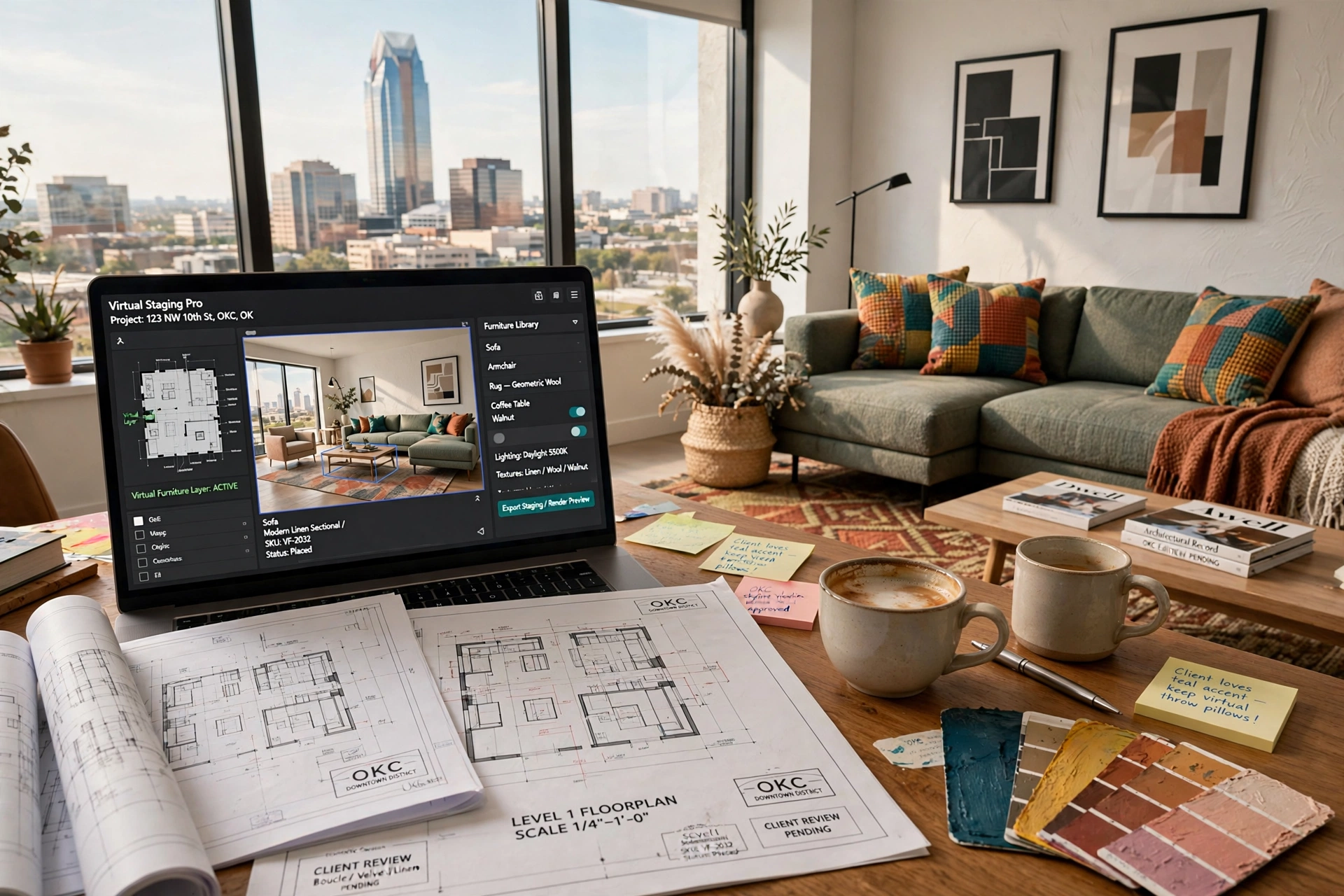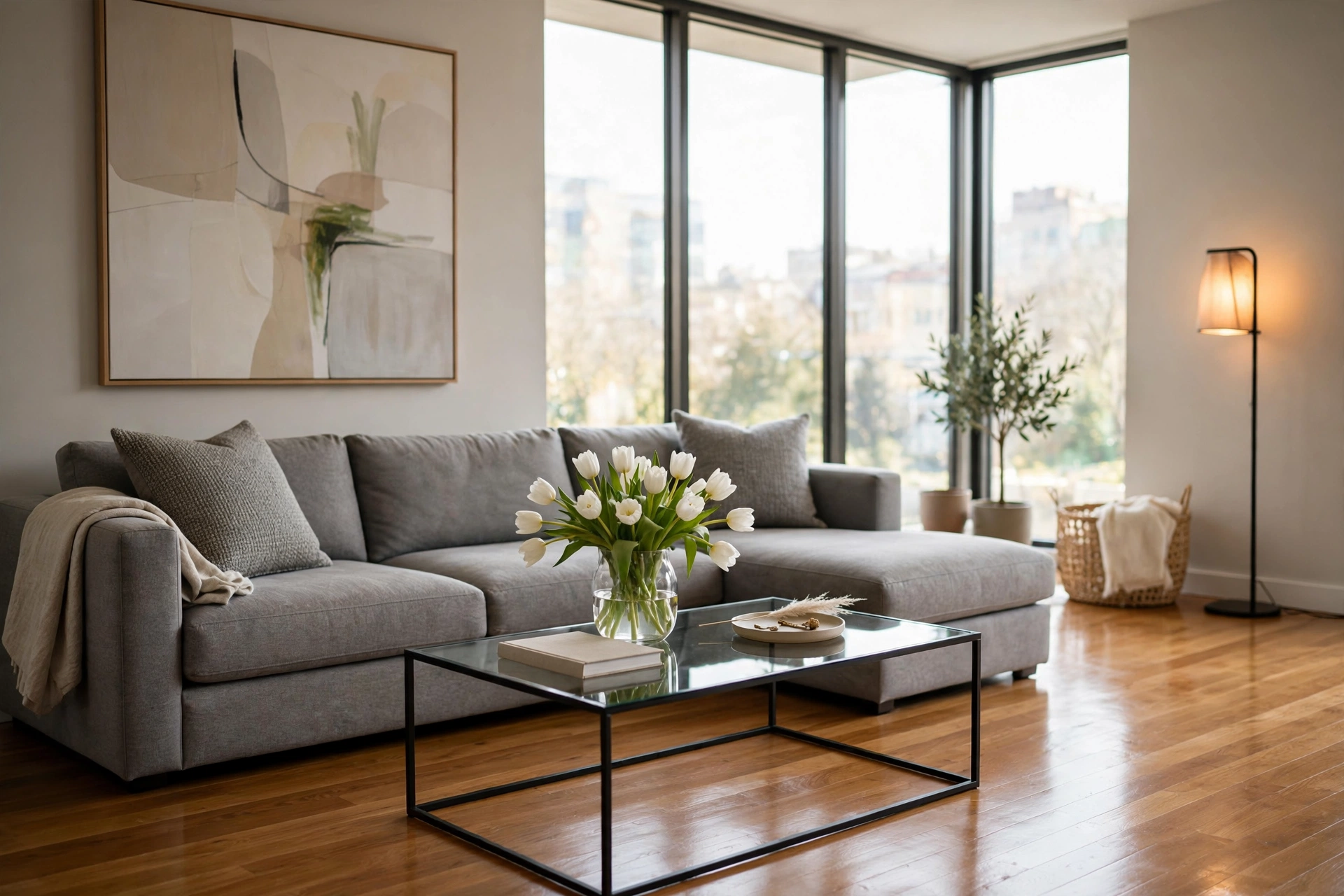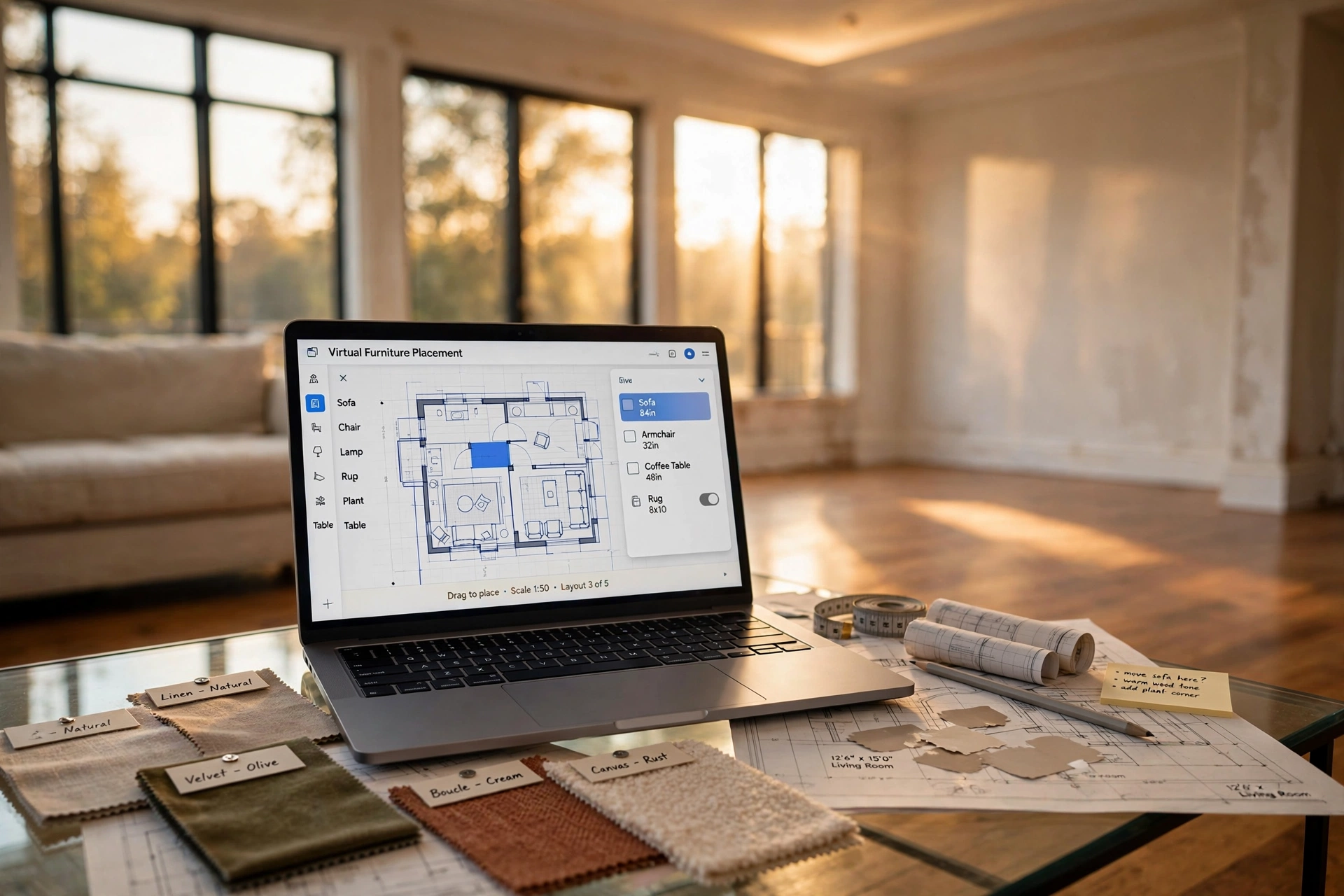
How to Execute Residential Virtual Staging for Maximum Conversion?
Empty rooms often feel smaller and colder than they actually are, which is why most buyers struggle to visualize a floor plan without furniture. To solve this, the most effective approach to residential virtual staging is to combine high-resolution architectural photography with AI-driven spatial mapping to place photorealistic 3D furniture and decor into a vacant space. By choosing a style that matches the target demographic—whether that be minimalist modern or traditional luxury—you can increase online engagement and reduce days-on-market by providing a clear vision of the home's potential.
In my experience working with high-volume property managers, the difference between a "vacant" listing and a "staged" listing isn't just visual; it's psychological. When a buyer sees a curated living room, they stop looking for flaws in the flooring and start imagining where their sofa will go. This shift in perspective is precisely why professionals are moving toward Digital Staging Services: Scaling Real Estate Listings in 2026 to maintain a competitive edge in a digital-first market.
Understanding the Mechanics of Residential Virtual Staging
To get the best results, you need to understand that this process is more than just "photoshopping" a chair into a room. It is a sophisticated application of computer vision and perspective mapping. The goal is to create a seamless integration where the lighting, shadows, and scale of the digital furniture perfectly align with the physical environment of the room.
📚
Definition
Residential virtual staging is the process of using artificial intelligence and 3D rendering software to digitally add furniture and decor to photographs of vacant residential properties, creating a visually appealing and lived-in atmosphere.
The process begins with a "base image," which must be shot from a wide angle to capture the entirety of the room. The AI then analyzes the vanishing points of the walls and the direction of the light sources (windows or lamps). This ensures that the digital assets don't look like they are "floating" on the floor. According to research by the National Association of Realtors (NAR), staged homes typically sell faster and for more money than non-staged homes because they evoke an emotional response from the buyer.
When we developed our workflows at RealVisionAI Blog - AI Real Estate Photography & Virtual Staging, we discovered that the biggest failure point in low-end staging is "scale distortion." If a digital coffee table is 10% too large for the room, the human eye perceives it as "fake," even if the user cannot pinpoint why. Professional-grade staging uses precise measurements to ensure every asset is mathematically accurate to the room's dimensions. This level of precision is a key reason why many agents are now looking into Types of AI Property Enhancement for Real Estate to ensure their listings don't look artificial.
Why Does Professional Staging Impact the Bottom Line?
The financial implications of using residential virtual staging are rooted in a concept called "perceived value." An empty room is a blank canvas, and unfortunately, many buyers fill that canvas with their own anxieties—wondering if their furniture will fit or if the room is too small. By providing a curated vision, you remove that cognitive load.
Data from the Harvard Business Review on consumer psychology indicates that visual cues significantly influence decision-making speeds. In real estate, this manifests as higher click-through rates (CTR) on Multiple Listing Services (MLS). Properties that feature virtually staged imagery often see a substantial increase in lead generation because the images stand out against the sea of "white-wall" photos. This is not merely an aesthetic choice; it is a strategy for Property Listing Optimization: The 2026 Guide to Higher Conversion.
Furthermore, the cost-benefit analysis is overwhelming. Physical staging requires renting furniture, paying for movers, and maintaining the insurance of those items for the duration of the listing. This can cost thousands of dollars per property. Virtual staging, conversely, provides a similar—and often superior—visual impact for a fraction of the cost and time. According to industry benchmarks from 2025, the ROI on virtual staging is significantly higher than physical staging due to the ability to test multiple styles (e.g., "Modern" for a condo, "Traditional" for a suburban home) for the same property.
The risk of ignoring this trend is "listing fatigue." When a property sits on the market for too long without visual updates, buyers assume there is something fundamentally wrong with the structure. By refreshing the visuals through Vantagens de Real Estate Image Processing, you can effectively "re-launch" a stale listing, creating a new sense of urgency and appeal.
Practical Application: Step-by-Step Guide to Staging
If you want to implement residential virtual staging effectively, you must follow a disciplined process. The mistake I see constantly is agents uploading low-quality, dark photos and expecting the AI to perform a miracle. The quality of the output is directly tied to the quality of the input.
Step 1: The Foundation Capture
Start with a clean, decluttered room. Use a wide-angle lens but avoid "fisheye" distortion, as this makes it harder for AI to map the furniture accurately. Ensure the room is well-lit; natural light is always preferred over harsh flashes. This is the perfect time to consider Passo a Passo: AI Property Enhancement to ensure your base images are pristine.
Step 2: Style Selection and Target Persona
Do not pick furniture based on your personal taste. Instead, define the buyer persona. Is this a luxury penthouse for a young executive? Use a "Minimalist Modern" style with clean lines and neutral tones. Is it a family home in the suburbs? Opt for a "Contemporary Transitional" look with warm textures and a large dining table.
Step 3: Strategic Asset Placement
Place furniture to define the "flow" of the room. In a living room, create a conversation circle. In a bedroom, ensure there is clear walking space around the bed. The AI tools at RealVisionAI Blog - AI Real Estate Photography & Virtual Staging handle this automatically by analyzing the room's geometry, but the human eye should always verify that the layout feels natural.
Step 4: Lighting and Shadow Integration
The final polish involves "grounding" the furniture. This means adding soft contact shadows where the legs of a table meet the floor and ensuring the highlights on the furniture match the light coming from the windows.
💡
Key Takeaway
The most successful virtual staging doesn't try to hide the room; it highlights the room's strengths by using furniture as a guide to show the buyer exactly how to use the space.
Step 5: Final Review and Deployment
Check the images on both desktop and mobile devices. Since the majority of buyers search for homes on smartphones, the "visual punch" must be immediate. Once approved, these images should be uploaded to the MLS and social media channels to maximize the Key Benefits of AI Property Enhancement for Real Estate.
Comparing Staging Methodologies
Choosing the right approach depends on your budget, timeline, and the specific needs of the property. Not every home requires the same level of intervention.
| Feature | Physical Staging | Generic/Cheap AI Tools | Professional AI Staging (RealVisionAI) |
|---|---|---|---|
| Cost | High ($2k - $10k+) | Low ($5 - $20/image) | Moderate (Professional Tier) |
| Setup Time | Days/Weeks | Minutes | Seconds/Hours |
| Realism | Absolute | Low (Floating furniture) | High (Photorealistic) |
| Flexibility | Very Low (Hard to move) | High (Fast swaps) | Very High (Style options) |
| ROI | Moderate | Low (Risk of "fake" look) | Very High |
| Best For | Ultra-luxury mansions | Budget rental listings | High-converting residential sales |
As shown in the table, while cheap AI tools are tempting, they often result in "uncanny valley" images that can actually deter buyers by making the listing look dishonest. For those wondering Is AI Property Enhancement Worth It?, the answer lies in the balance between speed and quality. Professional AI services provide the speed of automation with the artistic eye of a designer.
Common Questions and Misconceptions
Most guides get this wrong: they suggest that the more furniture you add, the better the room looks. In reality, over-staging is just as bad as under-staging. When a room is crammed with digital assets, it feels claustrophobic and can actually make a large room look smaller.
Another common myth is that virtual staging is "deceptive." Some agents fear that buyers will feel cheated when they arrive at an empty house. However, as long as the images are labeled as "Virtually Staged," this is not a deception—it is a visualization tool. In fact, many buyers appreciate the help in understanding the space. The goal is to sell the potential of the home, not to pretend the furniture is physically there.
Finally, there is the misconception that virtual staging only works for empty homes. That is simply not true. "Virtual renovation" or "digital decluttering" is a massive trend in 2026. This involves removing old, ugly furniture from a photo and replacing it with modern pieces. If you are dealing with a property that has outdated decor, exploring When to Use Real Estate Image Processing for Your Listings can help you "flip" the visual appeal without spending a dime on actual renovations.
Frequently Asked Questions
How does residential virtual staging differ from traditional 3D rendering?
Residential virtual staging starts with a real-world photograph and adds digital elements to it, whereas 3D rendering usually creates a space from scratch using blueprints (CAD files). Staging is significantly faster and more cost-effective for existing properties. Rendering is typically reserved for pre-construction projects where the building doesn't exist yet. For an active listing, staging is the superior choice because it anchors the buyer in the actual physical reality of the home while providing the emotional spark of a decorated space.
Can virtual staging be used for outdoor spaces like patios or backyards?
Absolutely. Virtual outdoor staging involves adding patio sets, fire pits, high-end landscaping, or even swimming pools to a backyard. This is especially powerful for properties with "raw" land or underutilized outdoor areas. By showing a potential outdoor kitchen or a cozy lounge area, you expand the living square footage in the buyer's mind. For the best results, these images should be combined with AI sky replacement and grass restoration, which are core features of the RealVisionAI Blog - AI Real Estate Photography & Virtual Staging ecosystem.
Is it legal to use virtual staging in real estate listings?
Yes, virtual staging is legal and widely accepted globally, provided it is done ethically. The primary rule is that you should not use staging to hide structural defects (e.g., removing a giant crack in the wall or a water stain). The industry standard is to include a small disclaimer on the image or in the listing description stating "Images are virtually staged for visualization purposes." This maintains transparency while still allowing you to use the psychological benefits of the staged visuals to attract more leads.
Which furniture styles are currently most effective for 2026 listings?
In 2026, the trend has shifted toward "Organic Modernism"—a blend of clean, minimalist lines with natural materials like light woods, linens, and stone. This style appeals to a wide demographic because it feels fresh, airy, and calming. Avoid overly "corporate" or "stiff" furniture. Instead, use assets that feel lived-in, such as a thrown blanket on a chair or a book on a coffee table. These "human touches" make the space feel welcoming rather than like a sterile showroom, which is a key component of Real Estate Visual Marketing: The 2026 Guide to AI-Driven Sales.
How long does it take to see a return on investment from virtual staging?
The ROI is often immediate. Most agents report an increase in "Save" rates on Zillow or Redfin within the first 48 hours of updating a listing with staged photos. Because the images capture attention faster, the volume of inquiries typically increases, leading to more showings. When compared to the cost of physical staging, where you pay upfront and hope for a sale, virtual staging allows you to optimize the listing for a few dollars per image, meaning the "break-even" point is reached the moment the first high-quality lead is generated.
Final Thoughts on Residential Virtual Staging
Mastering residential virtual staging is no longer a "luxury" for top-tier agents; it is a fundamental requirement for anyone wanting to remain relevant in a 2026 real estate market. The ability to transform a cold, vacant room into an inviting home in under 12 seconds is a massive competitive advantage. By focusing on the target buyer's persona, ensuring mathematical scale accuracy, and maintaining transparency, you can significantly reduce your days-on-market and increase your final sale price.
If you are ready to stop losing leads to "empty room syndrome," it is time to automate your visual workflow. Whether you need AI sky replacement, virtual staging, or full room decluttering, RealVisionAI Blog - AI Real Estate Photography & Virtual Staging provides the professional tools needed to make your listings irresistible.
Explore our full suite of tools and start transforming your listings today at realvisionaire.com. For those just starting their journey, we recommend checking out our guide on AI Property Enhancement for Beginners to build a strong foundation in digital marketing.
Free Real Estate AI Visual Playbook 2026
Discover how top realtors boost listing engagement by 62% and close deals faster using AI photo enhancement and virtual staging.