

Why Is Real Estate Image Processing Essential for Modern Listings?
A listing with poor lighting or a cluttered living room isn't just an eyesore; it is a direct financial leak. In a market where buyers decide whether to visit a property in under three seconds of scrolling, the quality of your visuals dictates your lead volume. When I first started analyzing high-volume agencies, I noticed a recurring pattern: the most expensive properties often sat on the market longer simply because their photos didn't convey luxury, regardless of the actual square footage. This is where professional real estate image processing becomes the primary driver of conversion, transforming raw architectural captures into psychological triggers that compel a buyer to book a showing.
The core reason why this process is mandatory in 2026 is the shift in buyer psychology. We are no longer in an era where a "decent" photo suffices. With the proliferation of high-end AI tools and immersive digital marketing, the baseline expectation for visual quality has shifted. If a listing looks amateur, the buyer assumes the property management or the home's condition is equally neglected. By utilizing advanced processing, you aren't just "cleaning up" a photo; you are managing the perception of value and reducing the days-on-market (DOM) metric.

Understanding the Mechanics of Real Estate Image Processing
To truly grasp why this is a game-changer, we first need to define exactly what we are talking about. Many confuse simple filters with professional processing. The former is a cosmetic layer; the latter is a structural improvement of the image's data.
📚
Definition
Real estate image processing is the systematic application of digital enhancements—including HDR blending, color correction, perspective warping, and AI-driven object removal—to maximize the perceived appeal and spatial clarity of a property.
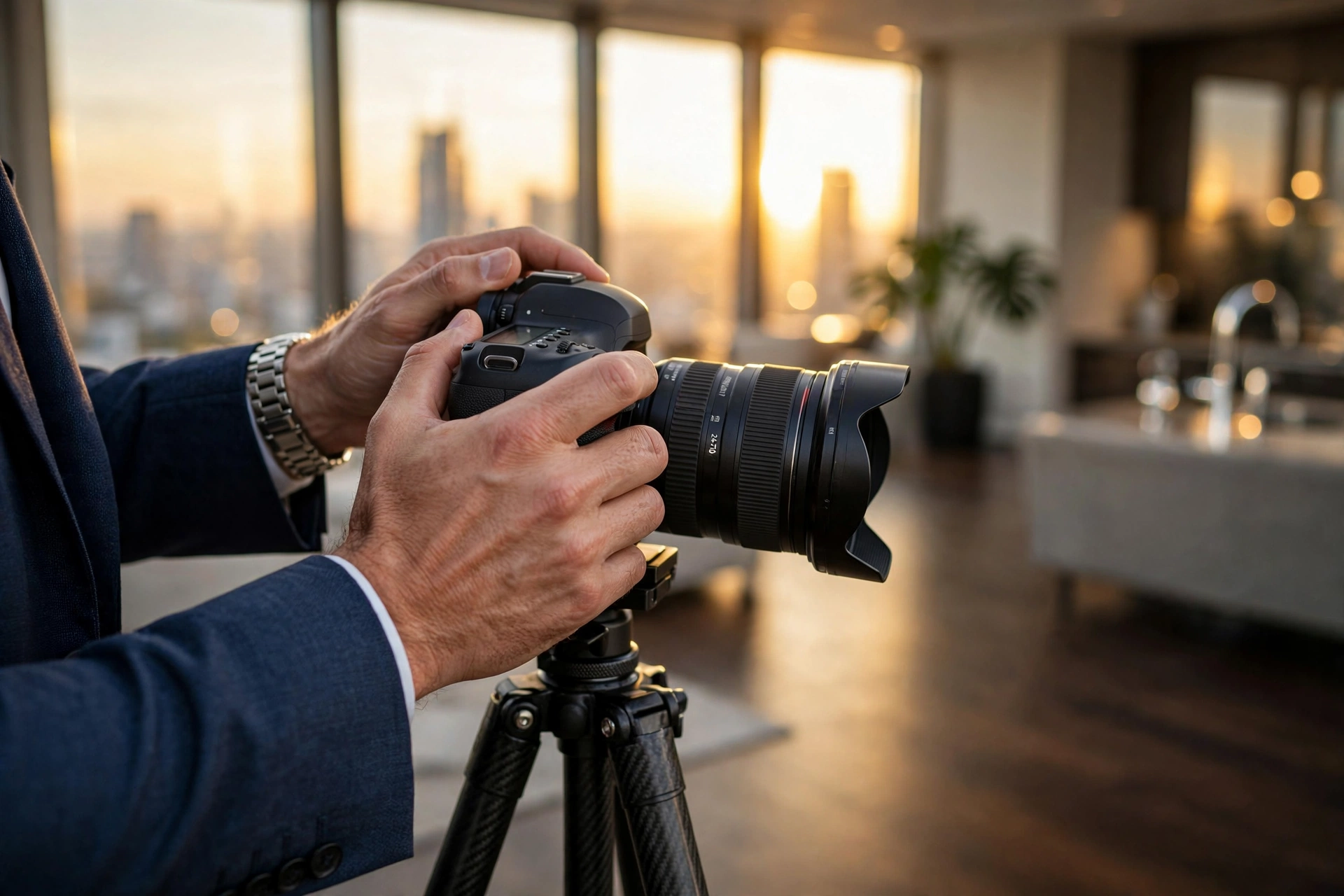
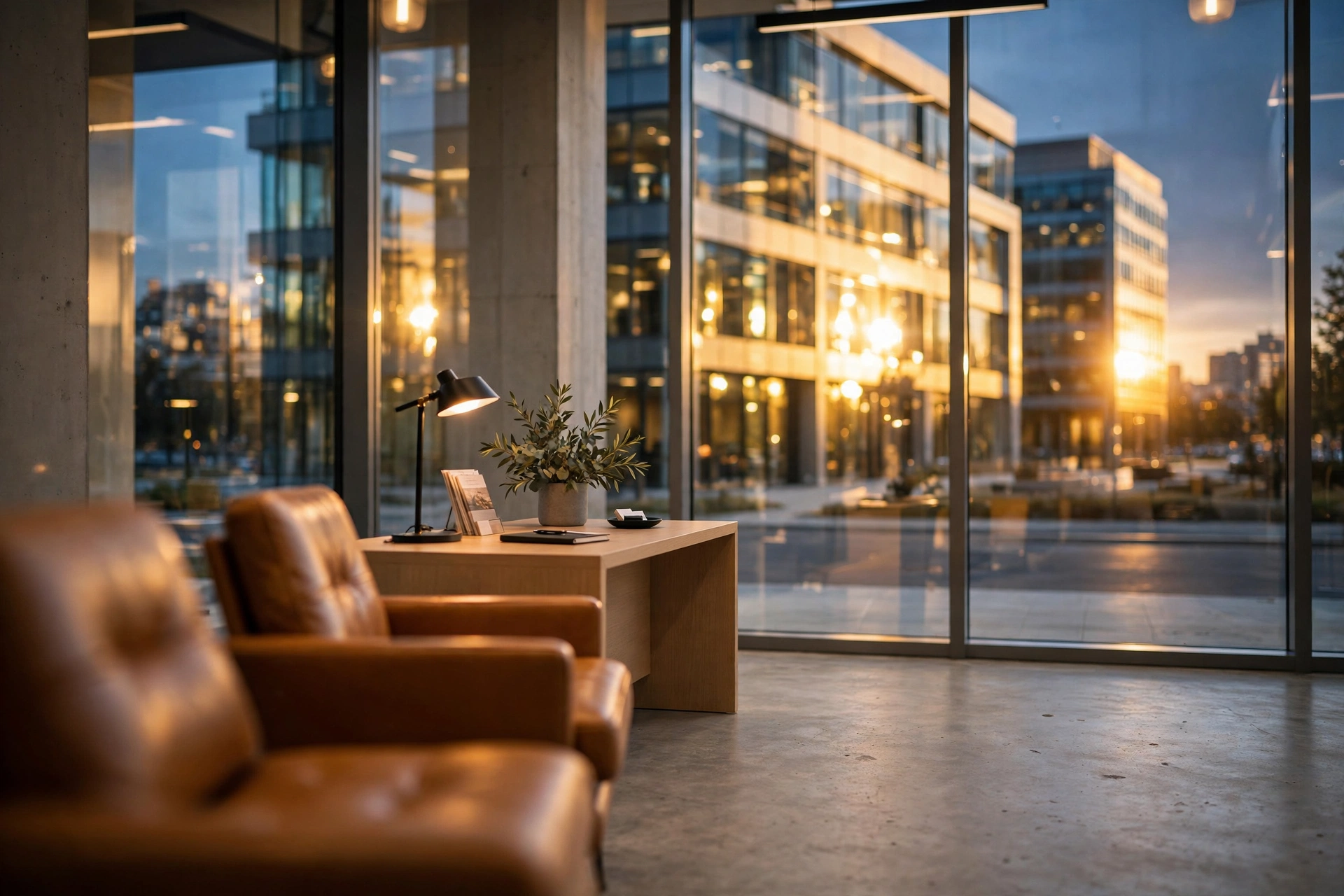
This process involves several technical layers. First is the correction of vertical and horizontal lines. In architectural photography, "keystoning" occurs when the camera tilts, making walls look like they are leaning. Professional processing corrects these geometry errors, creating a sense of stability and professionalism. Second is the management of dynamic range. A room with a bright window and a dark corner cannot be captured perfectly in one shot. Through processing, we blend multiple exposures so the interior is bright and the view outside the window is clear, not a white void of overexposed light.
In my experience working with high-end photographers, the most overlooked part of this process is "color temperature balancing." A room that looks yellow or blue in a photo feels cold or dated to a buyer. Processing ensures the whites are crisp and the natural light feels inviting. According to research by the National Association of Realtors, high-quality professional photography is consistently cited as one of the most important factors in getting a home sold faster, as it builds an immediate emotional connection with the viewer before they ever step foot on the property.
Why It Matters: The Business Impact of Visual Quality
The implications of ignoring image processing are quantifiable. We are seeing a direct correlation between the "visual score" of a listing and the number of inbound inquiries. When a property is listed with unprocessed, dark, or skewed images, it creates a psychological barrier known as "cognitive friction." The buyer has to work too hard to imagine what the space could look like, and in a fast-paced digital environment, they simply won't do that.
The data is stark. According to a report by Zillow, homes with high-quality photos sell for significantly more and faster than those with poor visuals. This isn't just about aesthetics; it's about perceived market value. When a property is presented through the lens of professional real estate image processing, it signals to the market that the seller is serious and the property is well-maintained.
Now, here's where it gets interesting: the cost of inaction. If a listing sits for an extra 14 days because the photos failed to attract clicks, the holding costs—mortgage, utilities, taxes—begin to erode the seller's profit. Furthermore, the "stigma" of a stale listing begins to set in. Buyers start asking, "Why hasn't this sold yet?" when the answer is simply that the photos were bad.
According to a McKinsey analysis on AI adoption in consumer sectors, the ability to provide hyper-realistic, optimized visuals leads to a higher "intent to purchase" rate. In real estate, this means the gap between a "click" and a "showing request" narrows. If you aren't processing your images, you are essentially leaving a 10% to 20% premium on the table and extending your vacancy period.
Practical Application: Implementing a High-Conversion Visual Strategy
Achieving these results doesn't require you to be a master of complex software. The modern approach is to integrate a specialized AI workflow that handles the heavy lifting in seconds. The mistake I see constantly is agents trying to use generic mobile apps that over-saturate colors, making the grass look neon green and the sky look fake. True professional processing maintains a balance between "idealized" and "realistic."
Here is the professional workflow for implementing a high-conversion visual strategy:
- The Raw Capture: Shoot in RAW format to preserve all lighting data. Ensure the camera is level to minimize the amount of perspective correction needed during processing.
- AI Enhancement & Sky Replacement: Use a tool like RealVisionAI Blog - AI Real Estate Photography & Virtual Staging to instantly replace grey, overcast skies with a bright, clear blue. This is a psychological trigger; buyers subconsciously associate sunny weather with positive energy and a "happy home."
- Virtual Staging and Decluttering: If a room is empty or filled with the previous owner's clutter, use AI to remove unwanted objects or add modern furniture. This helps the buyer visualize the functional use of the space.
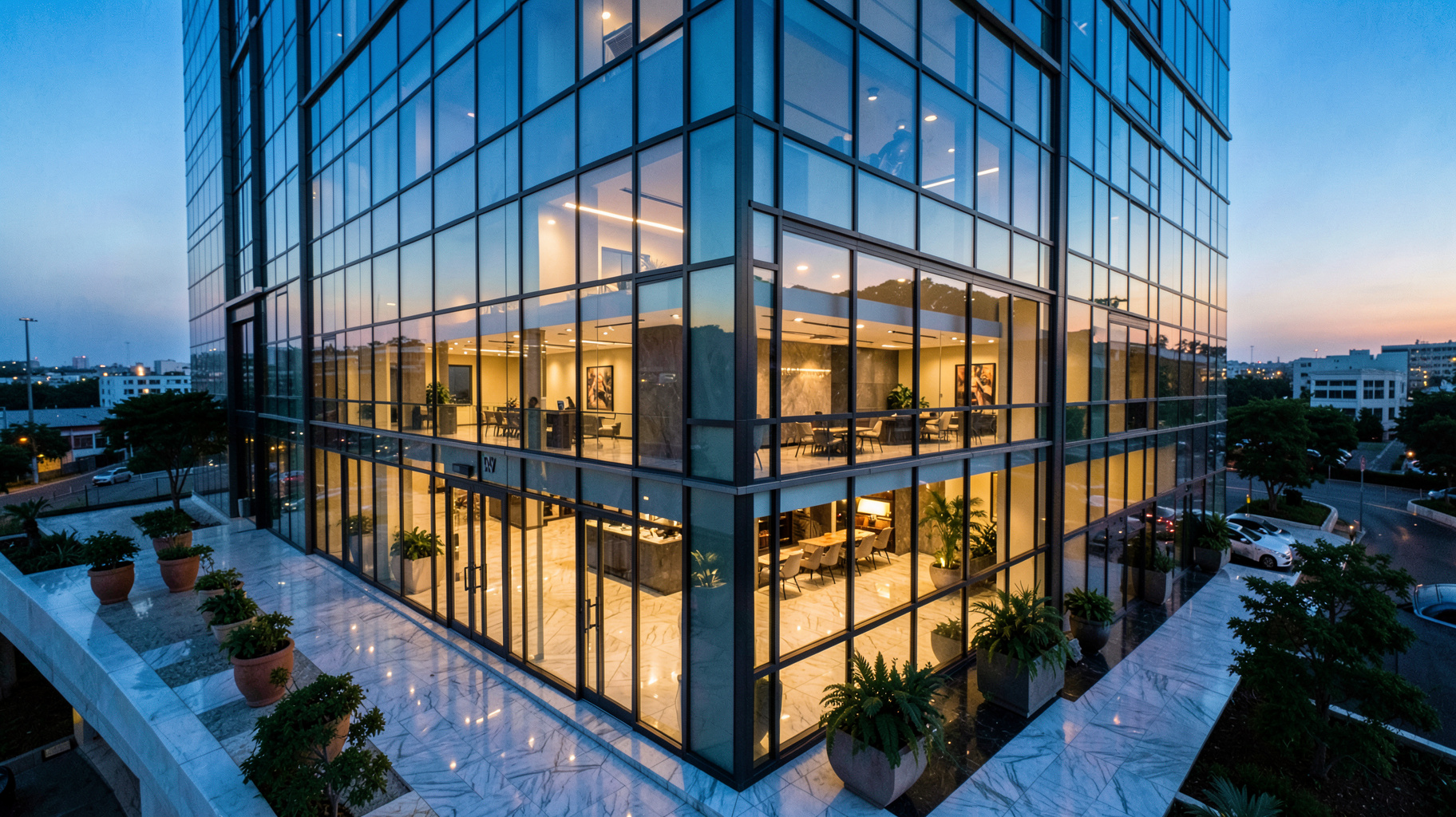
- Day-to-Dusk Conversion: Convert standard daytime exteriors into "twilight" shots. Twilight photos are proven to have higher click-through rates on platforms like the Multiple Listing Service (MLS) because they evoke a sense of luxury and warmth.
- Final Color Grade: Ensure a consistent look across all photos in the gallery so the listing feels like a cohesive brand.
💡
Key Takeaway
The goal of image processing is not to deceive the buyer, but to remove visual distractions and highlight the property's best assets, effectively "cleaning the lens" through which the buyer sees the home.
By leveraging RealVisionAI Blog - AI Real Estate Photography & Virtual Staging, you can move from capture to a market-ready listing in under 12 seconds. This speed is fundamental because in a competitive market, being the first to post high-quality visuals can be the difference between a bidding war and a quiet listing.

Comparing Your Options: Manual vs. Generic AI vs. Professional Studio
When deciding how to handle your visuals, you generally have three paths. Most agents start with the manual approach or a cheap app, only to realize the lack of consistency is hurting their brand.
| Approach | Pros | Cons | Best For |
|---|---|---|---|
| Manual Editing | Total control over every pixel. | Extremely slow; requires high skill; expensive hourly rates. | Ultra-luxury estates ($5M+). |
| Generic AI Apps | Cheap; fast; available on phone. | Hallucinations; unnatural colors; lack of architectural precision. | Low-end rentals. |
| Professional AI Studio | 12-second turnaround; consistent quality; architectural accuracy. | Monthly subscription or per-image cost. | Scaling agencies and professional agents. |
The "Generic AI" approach often fails because it doesn't understand architectural rules. It might "hallucinate" a window where there isn't one or warp a wall in a way that looks physically impossible. A professional studio approach, specifically designed for the real estate niche, ensures that while the image is enhanced, the structural integrity of the property remains honest. This is essential for maintaining trust with the buyer.
Common Questions and Misconceptions
Most guides get this wrong by suggesting that "more editing is always better." In reality, over-processing is a major red flag for sophisticated buyers.
Myth 1: "Processing is just about making the photo brighter."
Correction: Brightness is the simplest part. Professional processing is about contrast management and color harmony. If you simply raise the brightness, you blow out the highlights and lose the detail in the windows. True processing manages the light so that both the interior and exterior are perfectly exposed.
Myth 2: "Virtual staging is dishonest or misleading."
Correction: This is a common misconception. Virtual staging is a tool for visualization. As long as the structural elements of the room remain accurate, showing a buyer how a space could be furnished is a service, not a deception. It prevents the buyer from dismissing a room simply because they cannot imagine where the sofa goes.
Myth 3: "I can just use a high-end smartphone and not worry about processing."
Correction: A high-end phone does a lot of automatic processing, but it's designed for social media, not real estate. It often applies "aggressive sharpening" and "HDR artifacts" that look unnatural on a large screen. Professional processing removes these artifacts and ensures the images look high-end on everything from a mobile phone to a 27-inch iMac.
Frequently Asked Questions
Does real estate image processing actually increase the final sale price?
Yes, indirectly but significantly. While a photo doesn't change the physical structure of a house, it changes the perceived value. When a property is presented with professional processing, it attracts a wider pool of qualified buyers and generates more competition. According to industry trends in property management, a "premium" visual presentation allows agents to justify a higher asking price because the home is positioned as a luxury product rather than a commodity. This increased demand often leads to multiple offers, which is the primary driver of a higher final sale price.
How long does professional image processing typically take?
In the past, you would send photos to an editor and wait 48 to 72 hours. In the current 2026 landscape, that is an unacceptable delay. Using an AI-powered studio like RealVisionAI Blog - AI Real Estate Photography & Virtual Staging, the process is reduced to roughly 12 seconds per image. This allows agents to upload photos during the walkthrough and have them ready for the MLS by the time they get back to the office. This immediate turnaround is a competitive advantage that allows you to capture the "freshness" of a listing.
What is the difference between HDR and standard image processing?
HDR (High Dynamic Range) is a technique where multiple photos of the same scene are taken at different exposure levels and then merged. Standard processing might just adjust the brightness of a single photo. HDR processing is essential for real estate because it solves the "window problem"—the struggle to show a bright interior and a clear exterior view simultaneously. Professional processing ensures the HDR merge looks natural and not "crunchy" or overly saturated, which is a common mistake in amateur HDR.
Can image processing help sell a home that is in poor condition?
It can help, but with a caveat. Processing should be used to highlight the potential of the space rather than hide its flaws. For example, removing a pile of old newspapers (decluttering) or brightening a dark, dingy room is helpful. However, "editing out" a giant crack in the wall is a breach of ethics and can lead to legal issues. The goal is to remove the "visual noise" that prevents a buyer from seeing the property's inherent value, effectively guiding their eye toward the home's strengths.
Which processing features are most important for a quick sale?
The three most impactful features are sky replacement, virtual staging, and daylight-to-dusk conversion. A blue sky creates an immediate positive emotional response. Virtual staging removes the "empty room" anxiety that many buyers feel. Twilight photos create a "wow" factor that stops the scroll on Zillow or Instagram. When these three are combined with professional color correction, the property transforms from a "listing" into a "destination," which is the secret to reducing days-on-market.
Final Thoughts on Real Estate Image Processing
The decision to invest in professional real estate image processing is not about aesthetics; it is a strategic business decision. In a digital-first market, your images are your storefront. If that storefront looks dim, cluttered, or amateur, you are effectively telling potential buyers that the property isn't worth their time. By removing cognitive friction and leveraging psychological triggers like bright skies and perfectly staged rooms, you maximize the lead generation potential of every single listing.
If you are still relying on raw photos or generic filters, you are operating at a disadvantage. The gap between a "good" photo and a "processed" photo is the difference between a property that sits and a property that sells. It is time to move away from the slow, manual workflows of the past and embrace the speed of AI.
Stop losing leads to inferior visuals. Experience the power of market-ready listings in seconds with RealVisionAI Blog - AI Real Estate Photography & Virtual Staging. Visit realvisionaire.com to transform your visual strategy today.
Recommended Readings
To deepen your understanding of these topics, we recommend reading the following articles:
- AI in Real Estate
- Ultimate AI Lead Generation for Real Estate Agents
- AI property enhancement
- AI staging for realtors
Free Real Estate AI Visual Playbook 2026
Discover how top realtors boost listing engagement by 62% and close deals faster using AI photo enhancement and virtual staging.