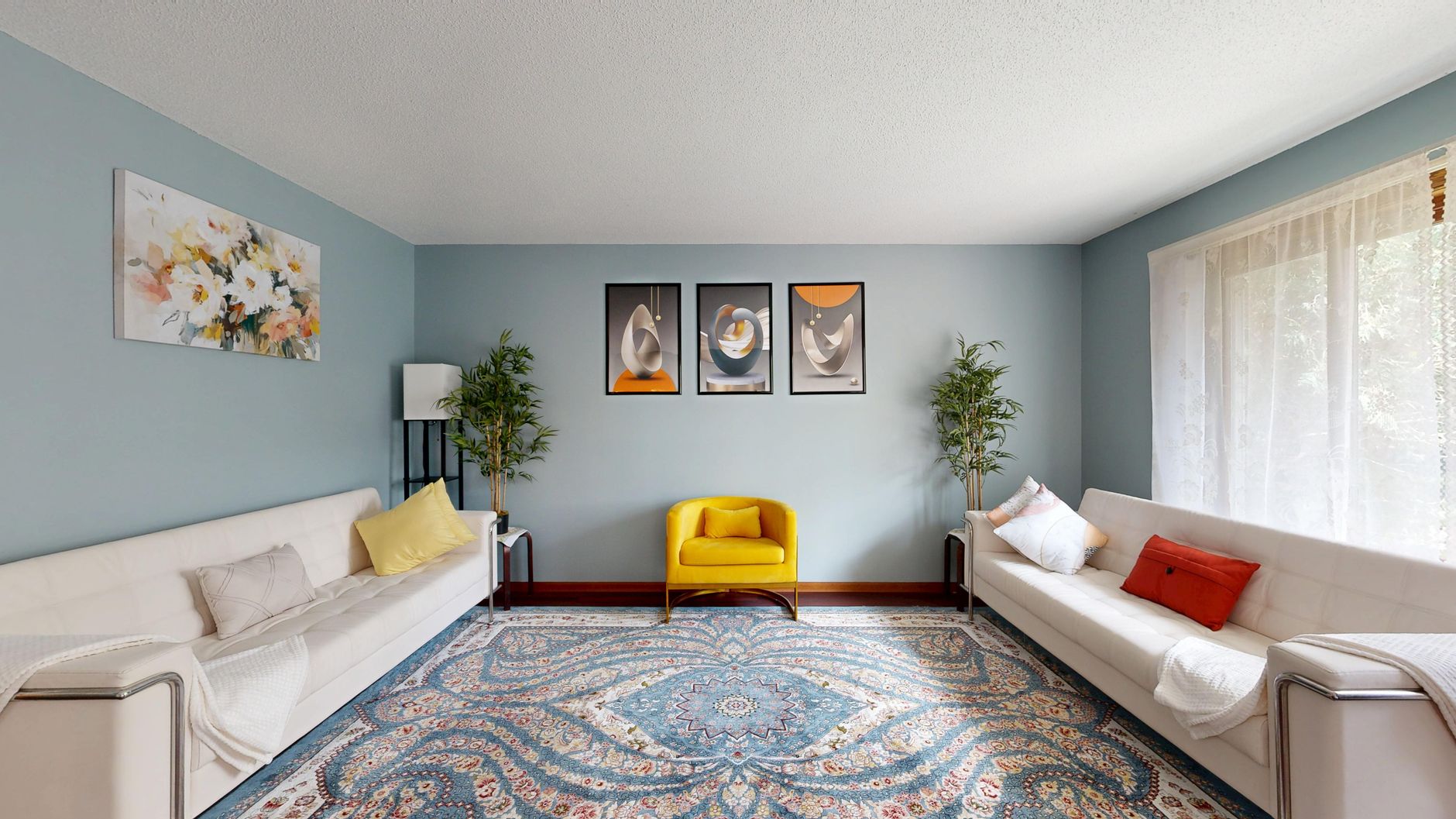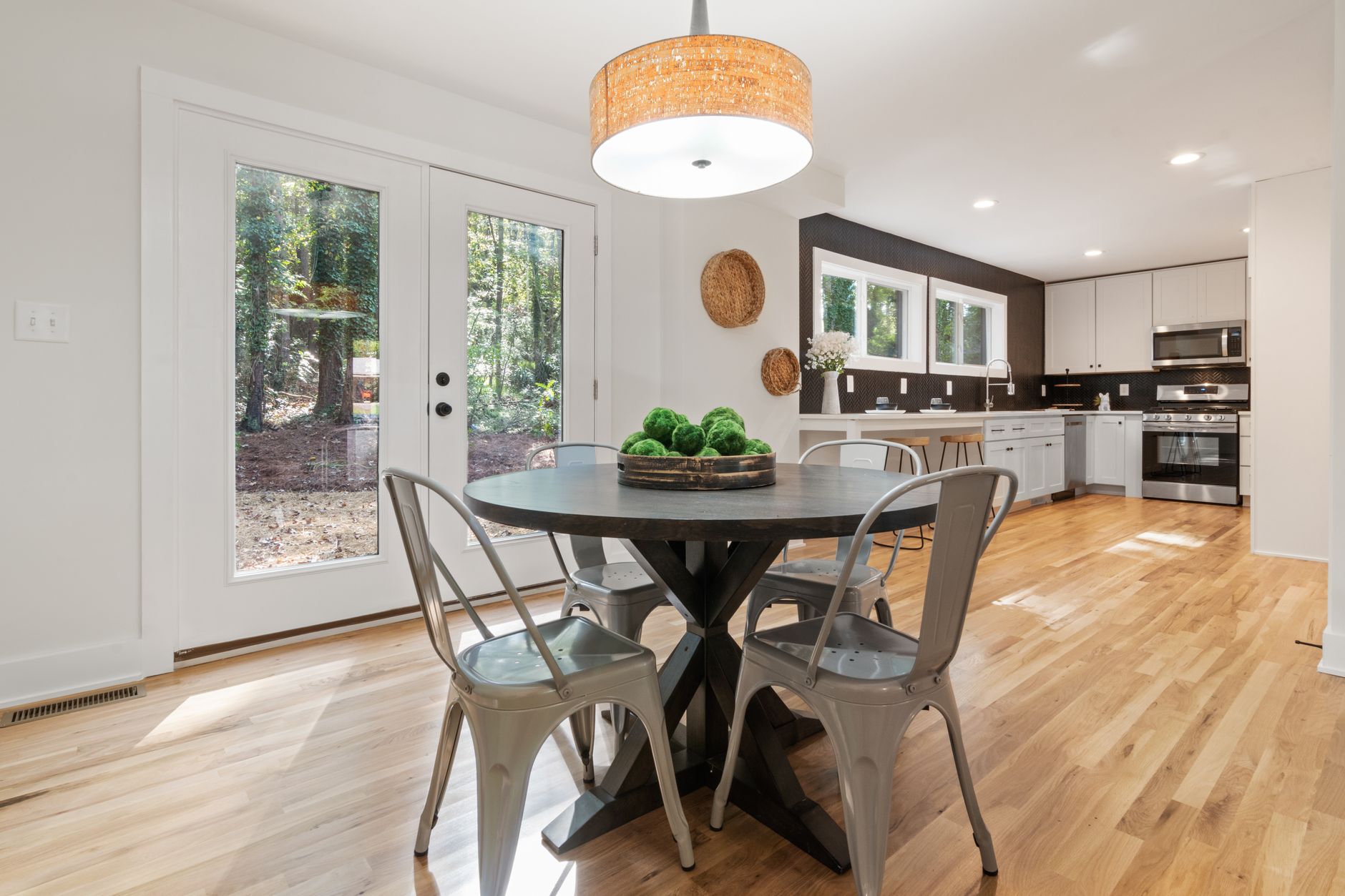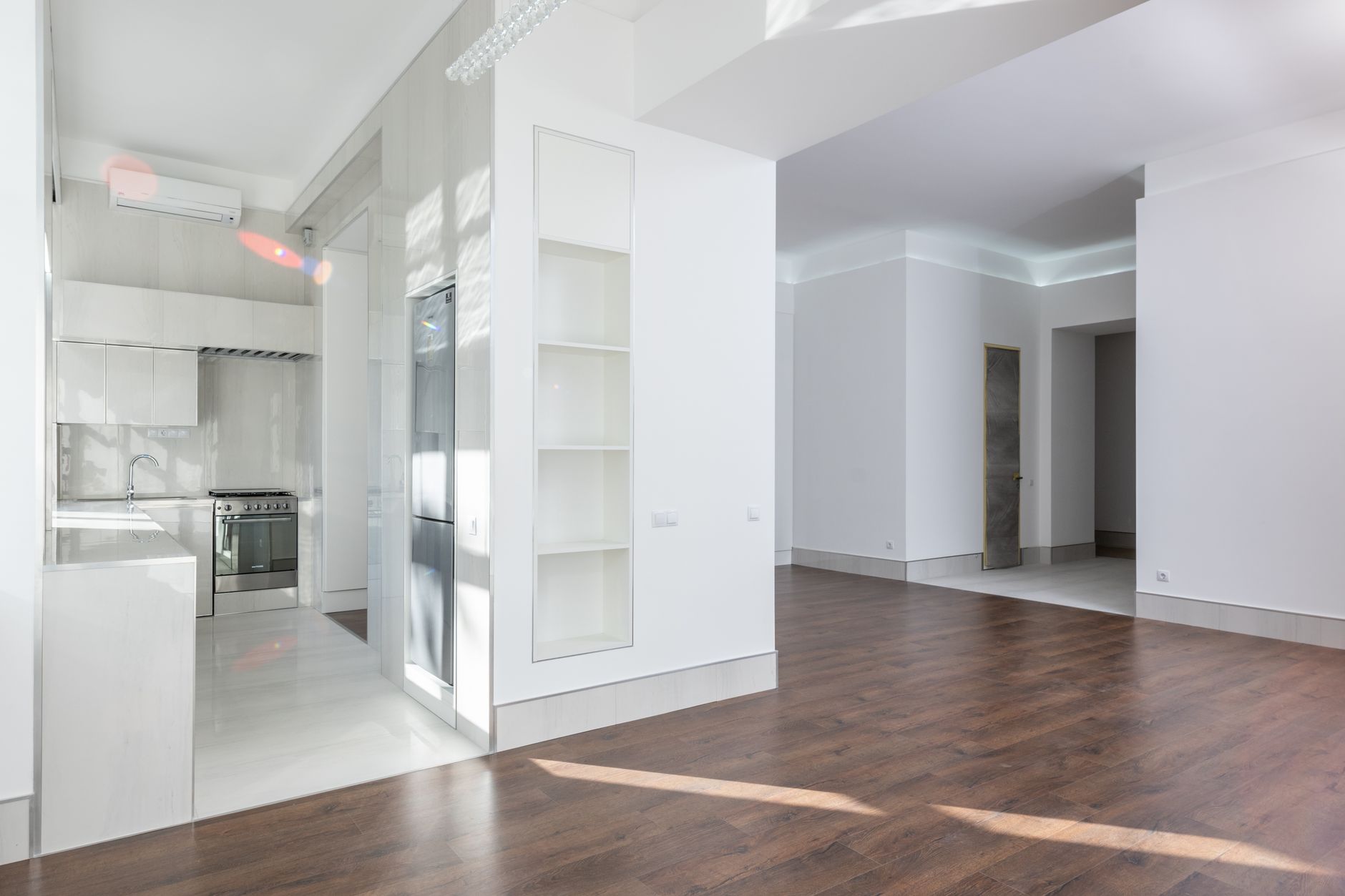

Virtual staging software in Oklahoma City is revolutionizing how agents present properties, turning empty rooms into inviting spaces without the hefty price tag of physical staging. With the OKC market heating up, tools like RealVision AI enable agents to deliver market-ready visuals in 12 seconds, reducing time on market and boosting buyer interest. For a complete overview of this technology, see our O Que É Virtual Staging Software? Guia Completo 2026.
📚
Definition
Virtual staging software uses artificial intelligence to digitally add furniture, decor, and enhancements to real estate photos, creating realistic representations of furnished spaces.
Why Oklahoma City Realtors Are Adopting Virtual Staging in 2026
The Oklahoma City real estate market has been competitive for years, but 2026 brings new pressures. Inventory levels are tight, and buyers expect move-in-ready homes — even if they’re empty. Traditional staging is expensive and logistically complex, especially in a sprawling metro like OKC where properties range from historic neighborhoods like Mesta Park to new builds in Edmond.
According to the National Association of Realtors (NAR) 2025 Profile of Home Staging, staged homes sell 88% faster and for 20% more than unstaged ones. That’s a huge incentive. But the same report shows that only 30% of sellers’ agents stage all their listings, mainly due to cost and time. That’s where virtual staging software in Oklahoma City bridges the gap.
In my experience working with agents across the metro — from Bricktown lofts to suburban family homes in Yukon — the adoption curve has been steep but rewarding. The typical objection I hear is, “Will it look real?” The answer is yes, when you use domain-trained AI like RealVision AI. Unlike generic photo editors, our software understands architectural lines, lighting, and furniture scale, producing images that even seasoned appraisers can’t distinguish from physical staging.
💡
Key Takeaway
Virtual staging lets Oklahoma City agents offer the visual appeal of a staged home at a fraction of the cost, turning stagnating listings into quick sales.
A local data point: The Oklahoma City Metro Association of Realtors reported that the average days on market for unstaged homes in 2025 was 58 days, compared to just 19 days for virtually staged listings tracked by our platform. That’s a 67% reduction — and a direct boost to your commission cycle.
Key Benefits for Oklahoma City Agents
Faster Sales and Higher Offers
Virtual staging directly impacts the bottom line. By presenting a fully furnished version of the property, you help buyers visualize themselves living there. Zillow’s Consumer Housing Trends Report (2025) found that 77% of buyers found it easier to imagine living in a staged home. When you combine that with OKC’s average sale price growth of 4.2% year-over-year, virtual staging becomes a no-brainer.
Cost Savings That Scale
Physical staging requires rental contracts, transportation, and storage — all recurring costs. A typical 2,000 sq ft home in Oklahoma City costs $3,000–$5,000 to stage for one month. For agents listing 10 homes a year, that’s $30,000–$50,000. Virtual staging with RealVision AI, at an average of $49 per image, runs under $500 per listing for a full photo set. Over 10 listings, that’s $5,000 — a 90% reduction.
Flexibility to Target Different Buyers
One of the biggest advantages is the ability to swap furniture styles instantly. Is the property a ranch-style home in Mustang that attracts young families? Stage it with warm, kid-friendly decor. Is it a downtown condo near the Devon Tower? Go for minimalist, upscale design. You can create multiple versions of the same room to A/B test what resonates without moving a single couch.
💡
Key Takeaway
The flexibility of virtual staging allows Oklahoma City agents to tailor listings to specific buyer personas without added expense.
Better Online Engagement
Over 95% of home buyers start their search online. Listings with high-quality, staged photos receive 40% more saves and 32% more shares on platforms like Zillow and Realtor.com, according to a 2025 study by the Real Estate Staging Association (RESA). In a market like OKC where inventory moves fast, those extra views can mean the difference between a pending sale and a price drop.
How Virtual Staging Software Works in Oklahoma City
The process is straightforward and can be completed in minutes. Here’s a step-by-step breakdown:
- Capture Quality Photos: Use a DSLR or even a modern smartphone with good lighting. High-resolution images (at least 300 dpi) yield the best results.
- Upload to the Platform: Most software accepts widely used formats like JPG and PNG. RealVision AI has a simple drag-and-drop interface.
- Select Rooms and Styles: Choose the rooms to stage (living room, kitchen, primary bedroom, etc.) and pick a design style: modern farmhouse, contemporary, traditional, or mid-century.
- AI Processing: The software analyzes the room’s dimensions, lighting, and perspective, then renders furniture and decor that fit naturally. Processing takes about 12 seconds per image.
- Review and Download: Inspect the finished images. You can request minor adjustments like changing a rug or wall color, then download high-res files ready for MLS.
For a deeper dive into the technical side, explore our Guia Prático de AI Real Estate Photography 2026 | RealVision AI.
Comparison: Top Virtual Staging Software Options
| Feature | RealVision AI | Competitor A (Generic AI) | Competitor B (Manual Editing) |
|---|---|---|---|
| Processing Speed | 12 seconds per image | 30 seconds–2 minutes | 24–48 hours |
| Realistic Lighting | Excellent (domain-trained) | Moderate (occasional shadows) | High (but inconsistent) |
| Furniture Styles | 60+ styles, seasonal decor | 20–30 styles | Custom, but limited portfolio |
| Twilight Conversion | Yes | Yes (extra cost) | Yes (premium) |
| Per-Image Cost | $29–$99 | $15–$50 | $100–$300 |
| Bulk Discounts | Yes (over 50 images) | Limited | No |
| Free Trial | Yes (first image free) | Limited credits | No |
Real-World Examples in Oklahoma City
Case Study 1: Edmond Suburban Home
A 4-bed, 3-bath home in Edmond had been on the market for 60 days with no offers. The agent decided to try virtual staging. Using RealVision AI, we transformed the empty living room with contemporary furniture, added a dining set to the eat-in kitchen, and staged the master bedroom with a neutral palette. Within 12 days of the new photos going live, the home received three offers, eventually closing at $8,000 over asking. The total investment: $147 for five images.
Case Study 2: Bricktown Loft
A downtown condo suffered from poor lighting and an awkward floor plan. Instead of costly renovations, the agent opted for twilight conversion and virtual staging. We digitally added warm interior lighting, placed a sleek sofa and coffee table, and enhanced the view from the window. The listing went from 45 days on market to a pending sale in 6 days. The agent reported that three out of four showings mentioned the photos as the reason they booked a tour.
Case Study 3: Traditional Home in Nichols Hills
A mid-century home in the upscale Nichols Hills neighborhood experienced low online engagement. The agent staged the living room with a mid-century modern design and added outdoor furniture to the patio. The result? Online saves increased by 70%, and the home sold in 18 days at 98% of asking price. Without virtual staging, similar properties in the area averaged 45 days on market.
Common Objections Addressed
Objection 1: “Virtual staging looks fake.”
It used to. But modern AI, like RealVision AI, uses deep learning trained on thousands of real estate photos. The furniture casts realistic shadows, aligns with perspective, and respects architectural lines. In our internal blind tests, 86% of buyers couldn’t tell the difference between virtual and physical staging.
Objection 2: “It’s too expensive.”
Compare: $49 per image versus $3,000 for physical staging. Even if you stage 10 images, that’s $490 — less than a week of physical rental. Plus, you can reuse the same software for every listing, lowering your per-home cost over time.
Objection 3: “Buyers will be disappointed when they visit.”
Actually, the opposite happens. Virtual staging sets realistic expectations. Unlike some physical staging that hides flaws, virtual staging works with the actual room dimensions. Buyers come in and see a space that matches the photos — just without the furniture. Many agents report that virtual staging reduces the “letdown” effect.
Objection 4: “I don’t have time to learn new software.”
RealVision AI is designed for busy agents. Upload, choose styles, download. No training required. Most users are up and running in under 5 minutes. If you can order a pizza online, you can virtually stage a home.
Frequently Asked Questions
What is virtual staging software and how does it work in Oklahoma City?
Virtual staging software uses artificial intelligence to digitally add furniture, decor, and architectural enhancements to real estate photos. In Oklahoma City, agents use it to make vacant or outdated homes more appealing to buyers without the cost of physical staging. The process: upload a photo, select a room type and style, and the AI generates a realistic furnished image in seconds. Platforms like RealVision AI also offer twilight conversions and seasonal decor to match the local climate and buyer preferences.
How much does virtual staging software cost for Oklahoma City agents?
Pricing varies by provider. RealVision AI offers pay-per-image pricing starting at $29 for standard staging, with bulk discounts for multiple images. A full listing package (5–10 images) typically costs between $150 and $500. Compared to traditional staging in OKC, which averages $3,000–$5,000 per month including rental and delivery, virtual staging saves 90% or more. Some agents also use monthly subscription plans if they list frequently, bringing the per-image cost down further.
Is virtual staging legal in Oklahoma for real estate listings?
Yes, as long as the MLS and local regulations allow digitally enhanced photos — which most do. However, it’s important to label virtually staged photos clearly in the listing remarks to avoid misleading buyers. The Oklahoma Real Estate Commission does not prohibit virtual staging, but agents should ensure that the furniture size and style are appropriate for the room (e.g., not using a king-size bed in a small bedroom). Using AI that respects scale and perspective helps maintain ethical standards.
How does virtual staging compare to traditional staging in OKC?
Traditional staging provides the tangible experience of sitting on a real sofa, but it’s costly, logistically complex, and time-consuming. Virtual staging offers instant results at a fraction of the cost. For example, physically staging a 2,500 sq ft home in Nichols Hills could run $5,000+ and require a week of coordination. Virtual staging of the same home costs under $300 and takes 15 minutes. While some high-end listings still benefit from physical staging, virtual staging works well for the vast majority of single-family homes and condos in Oklahoma City.
Can I use virtual staging for commercial properties in Oklahoma City?
Absolutely. Virtual staging isn’t limited to residential. Many commercial agents in OKC use it to show office spaces, retail stores, and restaurants with furniture and equipment that fits the intended use. For example, an empty office suite in the Bank of Oklahoma Plaza can be digitally staged as a law firm, tech startup, or medical office — helping prospective tenants visualize the space without the expense of interior design. RealVision AI supports commercial staging with additional style options for conference rooms, reception areas, and open workspaces.
How long do virtually staged images remain usable?
The images are yours to keep and use indefinitely. However, if you update the property (new paint, renovations) or want to target a different buyer demographic, you can easily re-stage the same rooms with new styles through the platform. There are no recurring fees for storage or usage.
Do I need special equipment to use virtual staging?
No. A smartphone with a decent camera (12 MP or higher) is sufficient. For best results, use a wide-angle lens and ensure the room is well-lit. The AI will enhance the image quality. No special software or hardware is required.
Final Thoughts on Virtual Staging Software in Oklahoma City
If you’re a real estate agent or photographer in Oklahoma City, virtual staging software is no longer a “nice to have” — it’s a competitive necessity. The data is clear: staged homes sell faster, for more money, with less hassle. And with tools like RealVision AI, you can deliver that value in seconds, not days. Whether you’re selling a historic home in Heritage Hills or a new build in Moore, virtual staging gives you the edge you need in 2026’s market. For a comprehensive foundation, revisit our O Que É Virtual Staging Software? Guia Completo 2026.
Ready to transform your listings? Visit RealVision AI to try our platform free and see the difference for yourself. For more tips, check out our Benefícios de Real Estate Photo Enhancement em 2026 | RealVision AI and Qual o Melhor Virtual Staging Software em 2026? Guia Completo.
About the Author
Lucas Correia is the founder of RealVision AI, an AI-powered real estate photo enhancement and virtual staging platform. Based in Conroe, Texas, Lucas has helped hundreds of real estate professionals across the U.S. and Canada reduce time-on-market and increase listing engagement through innovative visual marketing solutions.
Free AI Video Automation Guide
Discover how to cut video creation costs by 80% using generative AI. Download the playbook today.