

When Is the Right Time for Real Estate Image Processing?
The difference between a listing that sits for 60 days and one that triggers a bidding war within 48 hours often comes down to the first three seconds of a digital viewing. For most agents, the trigger for using real estate image processing occurs the moment a property has a "visual deficit"—whether that is a gray overcast sky, a cluttered living room, or an empty space that feels cold and uninviting. In my experience working with high-volume property managers, the most costly mistake is waiting until the listing has failed to gain traction before fixing the visuals; by then, the property has already been "mentally discounted" by the local buyer pool.
The optimal timing for professional image enhancement is immediately after the initial shoot and before the property hits the Multiple Listing Service (MLS). If you are seeing a high click-through rate on your portal but a low volume of showing requests, your images are likely creating a "expectation gap" where the processed photos look great, but the lack of virtual staging or decluttering makes the space feel impractical.

What Exactly is Real Estate Image Processing and How Does It Work?
To understand when to apply these techniques, we first need to define the technical scope of the process.
📚
Definition
Real estate image processing is the application of computer vision and digital editing workflows to optimize architectural photographs. This includes global adjustments (exposure, white balance), local enhancements (sky replacement, grass greening), and generative additions (virtual staging, object removal) to create a market-ready visual representation of a property.
At its core, this is not about "Photoshopping" a house to look like something it isn't, but rather about removing the technical distractions that prevent a buyer from imagining themselves in the space. For example, a camera sensor often struggles with high dynamic range—the bright light coming through a window often blows out the interior of the room. Processing solves this by blending multiple exposures or using AI to recover shadows and highlights.
According to research from the National Association of Realtors, high-quality professional photography is one of the most important factors in attracting buyers to a listing. When we apply real estate image processing, we are essentially aligning the digital presentation with the emotional triggers of a buyer. This involves "cleaning" the image of visual noise. In my early days of photography, I tried to fix everything in the camera; however, I quickly realized that the real magic happens in the post-processing stage where you can precisely control the mood, from a warm, inviting sunset "twilight" effect to a crisp, bright morning glow.
Now, here's where it gets interesting: the rise of artificial intelligence has shifted the "when" from a multi-day turnaround to a 12-second execution. We are no longer limited by the time it takes a human editor in a different time zone to manually mask a sky; computer vision now identifies the horizon line and replaces a gloomy Tuesday afternoon with a brilliant California blue sky instantly.
Why Timing Matters: The Business Impact of Visual Optimization
The decision of when to implement image processing directly correlates to the Days on Market (DOM) metric. If a listing is launched with raw, unprocessed images, the property suffers from "listing fatigue." Once a buyer sees a mediocre photo, they rarely return to see if the photo has been updated; they simply move to the next listing.
The business impact is measurable. According to a report by McKinsey on the impact of AI in consumer journeys, personalized and high-quality visual content can increase conversion rates by up to 20% in high-ticket industries. In real estate, this translates to a higher perceived value. A property that looks "maintained" through digital grass restoration and sky replacement is subconsciously perceived as being better maintained in reality.
If you are managing a luxury portfolio, the "when" is always "now." Luxury buyers expect a cinematic experience. When the images look like they were taken with a smartphone, the perceived value of the home drops, regardless of the actual square footage or amenities. The cost of not acting is the "opportunity cost" of a slower sale. For instance, if a property sells for $5,000 less because the buyers felt the home was "dark" or "gloomy" based on the photos, the investment in image processing pays for itself a thousand times over.
Furthermore, the use of virtual staging is a specific timing trigger. You should use it the moment a property is vacant. Empty rooms are notoriously difficult to photograph because they lack scale; a buyer cannot tell if a king-sized bed will fit in the master bedroom if the room is just a white void. By processing these images with virtual staging, you provide the necessary spatial context that drives a "must-see" emotional response.
Practical Application: Scenarios and Triggers for Processing
Knowing the tools is one thing, but knowing exactly when to deploy them is what separates a top-tier agent from the rest. Here are the primary triggers for using the RealVisionAI Blog - AI Real Estate Photography & Virtual Staging suite.
1. The "Bad Weather" Trigger
You scheduled the shoot for Wednesday, but a storm rolled in. Instead of rescheduling and delaying the listing by a week, you shoot anyway and use AI sky replacement. This is the most common use case for real estate image processing.
2. The "Dated Interior" Trigger
The home is structurally sound but the carpet is from 1984 and the walls are a strange shade of beige. This is the perfect time for virtual staging or AI-driven room decluttering. By removing dated furniture and adding modern minimalist pieces, you shift the buyer's focus from "what needs to be replaced" to "how this will look once I move in."
3. The "Empty Shell" Trigger
New constructions often look cold. The "when" here is immediately upon completion of the build. Use virtual staging to add warmth and a sense of "home."
4. The "Twilight" Trigger
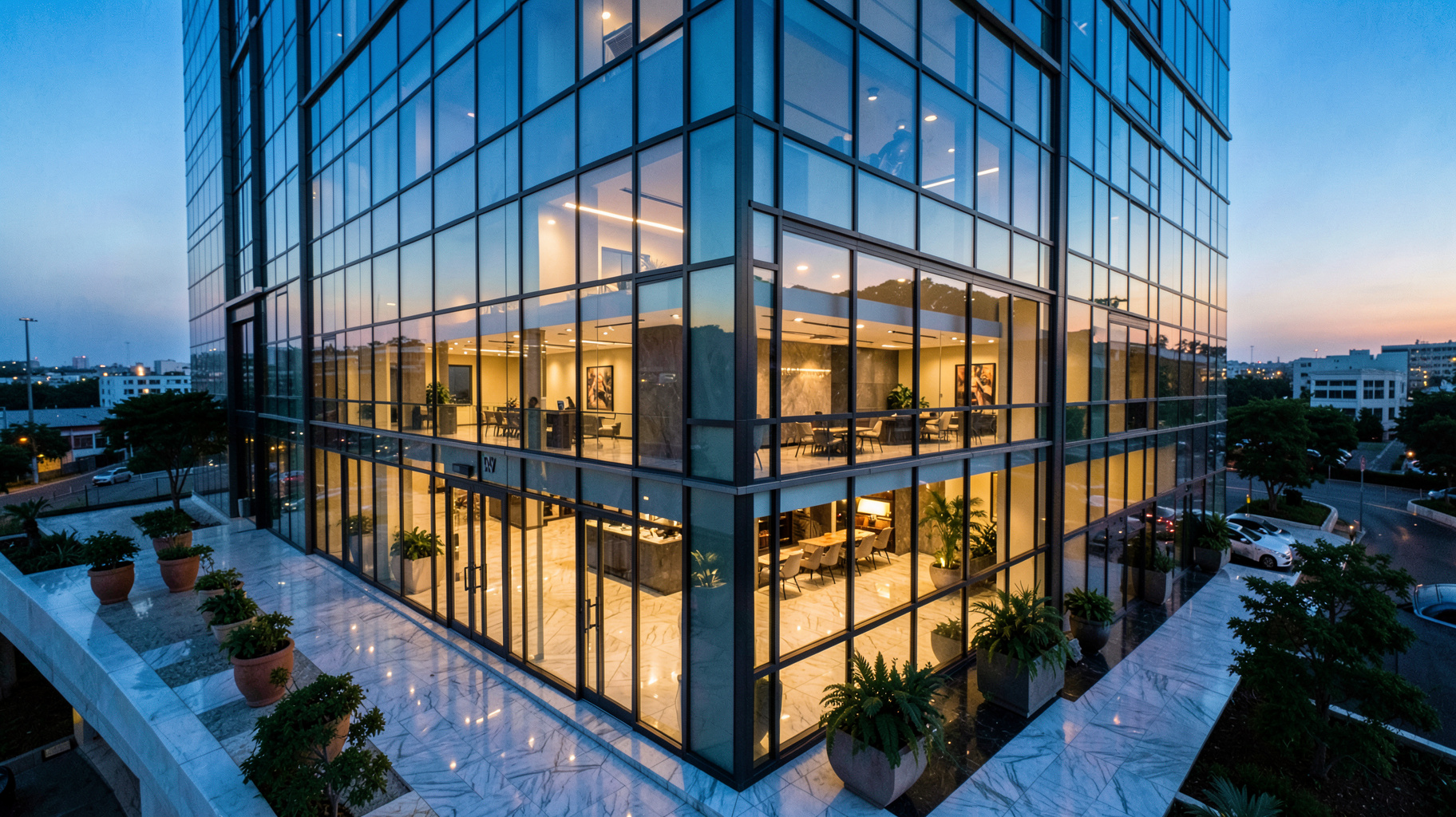
You want the "hero shot" for the MLS cover photo, but you can't stay at the property until 8:00 PM to catch the blue hour. This is when you use daylight-to-dusk conversion. It transforms a standard daytime photo into a high-end luxury shot that stops the scroll.
💡
Key Takeaway
Do not treat image processing as a "last resort" when a house won't sell; treat it as a "launch requirement" to ensure the property hits the market at its highest possible perceived value.
To implement this effectively, the workflow should be:
Shoot $\rightarrow$ RealVisionAI Blog - AI Real Estate Photography & Virtual Staging $\rightarrow$ MLS Upload.
By integrating this into the standard operating procedure, you eliminate the guesswork. If the photo contains any of the following: gray skies, empty rooms, cluttered countertops, or dark corners, it is an immediate trigger for processing.

Comparing Processing Approaches: Manual vs. Generic AI vs. Professional AI
Not all image processing is created equal. Many agents make the mistake of using free, generic AI filters that create "hallucinations"—where a straight wall becomes curved or a window disappears.
| Feature | Traditional Manual Editing | Generic/Cheap AI Tools | Professional AI (RealVisionAI) |
|---|---|---|---|
| Turnaround Time | 24–72 Hours | Instant | 12 Seconds |
| Accuracy | High (Human Eye) | Low (Often Glitchy) | High (Specialized Models) |
| Consistency | Variable by Editor | Random | Standardized Across Listing |
| Cost | High per image | Low/Subscription | Scalable & Efficient |
| Best For | Ultra-Luxury Estates | Low-end rentals | Professional Real Estate Scaling |
Most guides get this wrong by suggesting that any AI is better than no AI. That is a dangerous assumption. In real estate, a "glitch" in a photo (like a floating chair or a distorted door frame) creates distrust in the buyer. If the photo is fake, they wonder if the disclosures are fake too. The professional approach uses models trained specifically on architectural photography, ensuring that vertical lines remain vertical and perspectives are preserved.
Common Questions and Misconceptions
There is a persistent myth in the industry that using real estate image processing is "misleading" or "dishonest." This is a fundamental misunderstanding of the role of marketing.
The mistake I see constantly is agents confusing enhancement with deception. Replacing a gray sky with a blue one is not a lie; it is presenting the home in its best possible light, similar to how a physical stager brings in fresh flowers and lights a candle before a showing. As long as you are not removing a permanent structural crack in the wall or a giant stain on the ceiling, you are simply removing the atmospheric "noise" that obscures the property's value.
Another common misconception is that "the AI will do everything, so I don't need a good photographer." This is a recipe for disaster. AI is a multiplier, not a creator. If the original photo has a terrible angle or is blurry, the processing will only make a "better version of a bad photo." The optimal result comes from a decent base image combined with high-end processing.
Lastly, some believe that virtual staging is only for luxury homes. In reality, it is even more important for mid-range and entry-level homes where buyers often lack the imagination to see past a cluttered or empty space.
Frequently Asked Questions
When should I use virtual staging versus physical staging?
Virtual staging should be used when the cost or logistics of physical staging are prohibitive, or when the property is vacant and needs to be listed immediately. Physical staging is excellent for open houses, but virtual staging is superior for the digital "first impression." In my experience, virtual staging is the most efficient way to test different interior design styles (e.g., modern vs. traditional) to see which one attracts more clicks from your specific target demographic.
Does real estate image processing affect the SEO of my listing?
Yes, indirectly but significantly. Search engine optimization (SEO) for real estate isn't just about keywords; it's about user signals. When users spend more time on your page and click through your gallery because the images are visually compelling, the hosting platform (like Zillow or Realtor.com) recognizes the listing as "high engagement." This often pushes your listing higher in the internal search results, increasing your visibility to potential buyers.
Is it a good idea to use "twilight" processing on every photo in a gallery?
Absolutely not. The "hero shot" (the main exterior image) should almost always be a twilight or a bright, sunny day shot. However, the rest of the gallery should remain natural. If every single photo is a high-contrast twilight shot, the gallery feels artificial and exhausting to the viewer. Use processing to create one or two "anchor" images that grab attention, then use clean, bright, processed daytime images for the interior to establish trust and clarity.
How do I handle "object removal" without making the photo look fake?
The key is to remove "distractions," not "features." You should remove a trash can, a stray power cord, or a pile of laundry. You should NOT remove a permanent radiator or a structural pillar. When using the tools at RealVisionAI Blog - AI Real Estate Photography & Virtual Staging, the goal is to create a "clean slate." A professional edit ensures that the lighting and texture of the area where the object was removed blend seamlessly with the surrounding environment.
At what point does "too much" processing become a problem?
Processing becomes a problem when the image no longer represents the reality of the space. If you use AI to turn a small, dark room into a bright, airy palace, the buyer will feel deceived the moment they step inside. This leads to a negative emotional reaction and a faster exit from the property. The gold standard is "aspirational yet honest." Your images should look like the best possible version of the home on its best possible day.
Recommended Readings
To deepen your understanding of these topics, we recommend reading the following articles:
- AI in Real Estate
- Ultimate AI Lead Generation for Real Estate Agents
- AI property enhancement
- AI staging for realtors
Conclusion
Knowing when to apply real estate image processing is the difference between a listing that lingers and one that sells. The trigger is simple: the moment a visual element—whether it's a gloomy sky, an empty room, or a cluttered corner—stands between the buyer and the property's potential, you must process.
By removing these frictions, you aren't just "fixing photos"; you are optimizing the buyer's psychological journey. From the instant conversion of a gray sky to the strategic placement of virtual furniture, these tools allow you to control the narrative of the home.
If you are ready to stop losing leads to mediocre visuals, the most efficient path is to automate your workflow. RealVisionAI Blog - AI Real Estate Photography & Virtual Staging provides the precision and speed needed to scale your business without sacrificing quality. Stop waiting for the "perfect" weather and start creating it.
Visit realvisionaire.com today to transform your listings in 12 seconds.
Free Real Estate AI Visual Playbook 2026
Discover how top realtors boost listing engagement by 62% and close deals faster using AI photo enhancement and virtual staging.