

Why Most Real Estate Listings Fail to Convert
I have analyzed hundreds of property portfolios over the last few years, and the pattern is always the same: agents believe that simply uploading a few photos and a basic description is enough. In 2026, that approach is a recipe for invisibility. When a potential buyer scrolls through a Multiple Listing Service (MLS) or Zillow, you have approximately 1.8 seconds to capture their attention before they move to the next property. If your primary image is a gray-sky exterior or a cluttered living room, you haven't just lost a click; you've lost a lead.
Property listing optimization is the strategic process of enhancing every visual and textual element of a real estate post to increase its visibility in search engines and its conversion rate among humans. It is no longer just about "better photos"; it is about leveraging computer vision and psychological triggers to make a property feel like a home before the buyer even steps through the door.
For a comprehensive overview of how this fits into a broader digital strategy, explore our complete guide on property listing optimization.

What is Property Listing Optimization Exactly?
📚
Definition
Property listing optimization is the multidisciplinary practice of improving a real estate listing's searchability (SEO) and visual appeal (Conversion Rate Optimization) to reduce time-on-market and increase the final sale price.
At its core, this process is about bridging the gap between the physical reality of a property and the digital perception of it. In my experience working with high-volume agencies, the difference between a listing that sits for 60 days and one that sells in 7 days usually comes down to three pillars: visual psychology, keyword indexing, and accessibility of information.
When we talk about optimization in 2026, we are talking about more than just a description. We are talking about metadata that tells Google exactly what the property is, high-dynamic-range (HDR) imagery that eliminates shadows, and virtual staging that allows a buyer to visualize their life in an empty space. According to the National Association of Realtors, the quality of photography is consistently cited as one of the most important factors for buyers searching online, often outweighing the specific price point in the initial discovery phase.
💡
Key Takeaway
Optimization is not about deceiving the buyer; it is about presenting the property in its best possible light to attract the most qualified leads.
How Does Property Listing Optimization Impact Your Bottom Line?
Property listing optimization directly impacts the two most important metrics in real estate: Days on Market (DOM) and Final Sale Price. When a listing is optimized, it creates a "scarcity effect." By generating a high volume of immediate interest through superior visuals and clear value propositions, you create a competitive environment that often leads to multiple offers and a higher closing price.
First, let's look at the visibility aspect. Most users now utilize voice search and AI-driven filters to find homes. If your listing doesn't include structured data or semantic keywords (e.g., "open-concept kitchen with quartz countertops" instead of just "nice kitchen"), the algorithms of the MLS and Google will deprioritize your listing. Digital marketing in real estate has shifted from a broad-casting approach to a precision-targeting approach.
Second, there is the psychological impact of virtual staging. I've tested this with dozens of our clients, and the pattern is clear: empty rooms feel smaller and colder. By using artificial intelligence to place modern furniture into a space, you provide a mental anchor for the buyer. This is why RealVisionAI Blog - AI Real Estate Photography & Virtual Staging focuses on 12-second turnaround times; the market moves too fast for traditional staging companies that take weeks to move physical furniture.
According to research from the Real Estate Institute, properties with professional, optimized imagery see a significantly higher click-through rate (CTR) than those with amateur photos. This isn't just about aesthetics; it's about trust. A polished listing signals a professional agent and a well-maintained home.
Step-by-Step: How to Optimize Your Property Listings for 2026
Implementing a full optimization strategy requires a systematic approach. You cannot simply "wing it." Here is the framework I recommend to all my partners at BizAI Intelligence Solutions.
1. Visual Asset Overhaul
Start with the hero image. The first photo must be the most impactful shot of the property—usually the exterior during the "golden hour" or a stunning interior wide shot. Use AI tools for sky replacement to ensure every exterior shot looks like a sunny day, regardless of when the photo was taken.
Next, implement virtual staging for every empty room. Don't just put a sofa in a room; choose a style that matches the neighborhood demographic. A minimalist mid-century modern look works for urban condos, while a traditional cozy feel is better for suburban family homes. This is where RealVisionAI Blog - AI Real Estate Photography & Virtual Staging excels, allowing you to swap styles instantly to test what resonates with your specific audience.
2. Strategic Keyword Integration
Stop writing descriptions like a poem and start writing them like a landing page. Your description should be broken down into:
- The Hook: A bold statement about the property's best feature.
- The Value Stack: A bulleted list of upgrades (e.g., "New HVAC 2025," "Smart Home Integration").
- The Lifestyle Narrative: Describe who lives here (e.g., "Perfect for remote professionals seeking a quiet home office").
3. Technical SEO and Metadata
Ensure your image files are named correctly. Instead of
IMG_001.jpg, use modern-3-bedroom-home-miami-florida.jpg. This allows search engines to index your images in Google Image Search, which is a massive, underutilized source of organic traffic for real estate professionals.
4. The Conversion Loop
Your listing should have a clear Call to Action (CTA). Instead of "Contact for more info," use "Schedule a Private 3D Tour Today." The goal is to move the lead from the listing to a direct interaction as quickly as possible.
Comparing Optimization Approaches
To understand why a professional AI-driven approach is superior, we need to look at the evolution of the industry. Most agents are still stuck in the "Traditional" or "Basic AI" phase.
| Feature | Traditional Approach | Generic/Cheap AI | Modern Professional AI (RealVisionAI) |
|---|---|---|---|
| Visuals | Amateur phone photos | Over-saturated, "fake" looks | Photorealistic, HDR, 12s delivery |
| Staging | Physical furniture (Expensive) | Random furniture placement | Context-aware virtual staging |
| Speed | Days to weeks | Hours/Days | Instant (12 Seconds) |
| SEO | No keywords, generic text | AI-generated fluff | Semantic, value-driven copy |
| Cost | High (Staging rentals) | Low (Subscription) | Scalable & ROI-focused |
Common Mistakes That Kill Your Conversion Rate
In my journey as a founder, I've seen countless agents make the same three mistakes. These errors don't just slow down sales; they actively drive buyers away.
Mistake 1: The "Listing Dump"
This is when an agent uploads 40 photos, including five different angles of the same bathroom and a photo of the garage interior with a trash can in the shot. This creates cognitive overload. A buyer's brain begins to filter out information if it isn't curated. Limit your gallery to the 20-25 most impactful images. Use a professional editor to remove distracting objects—like toilet seats or laundry piles—using AI decluttering tools.
Mistake 2: Neglecting the "Day-to-Dusk" Transition
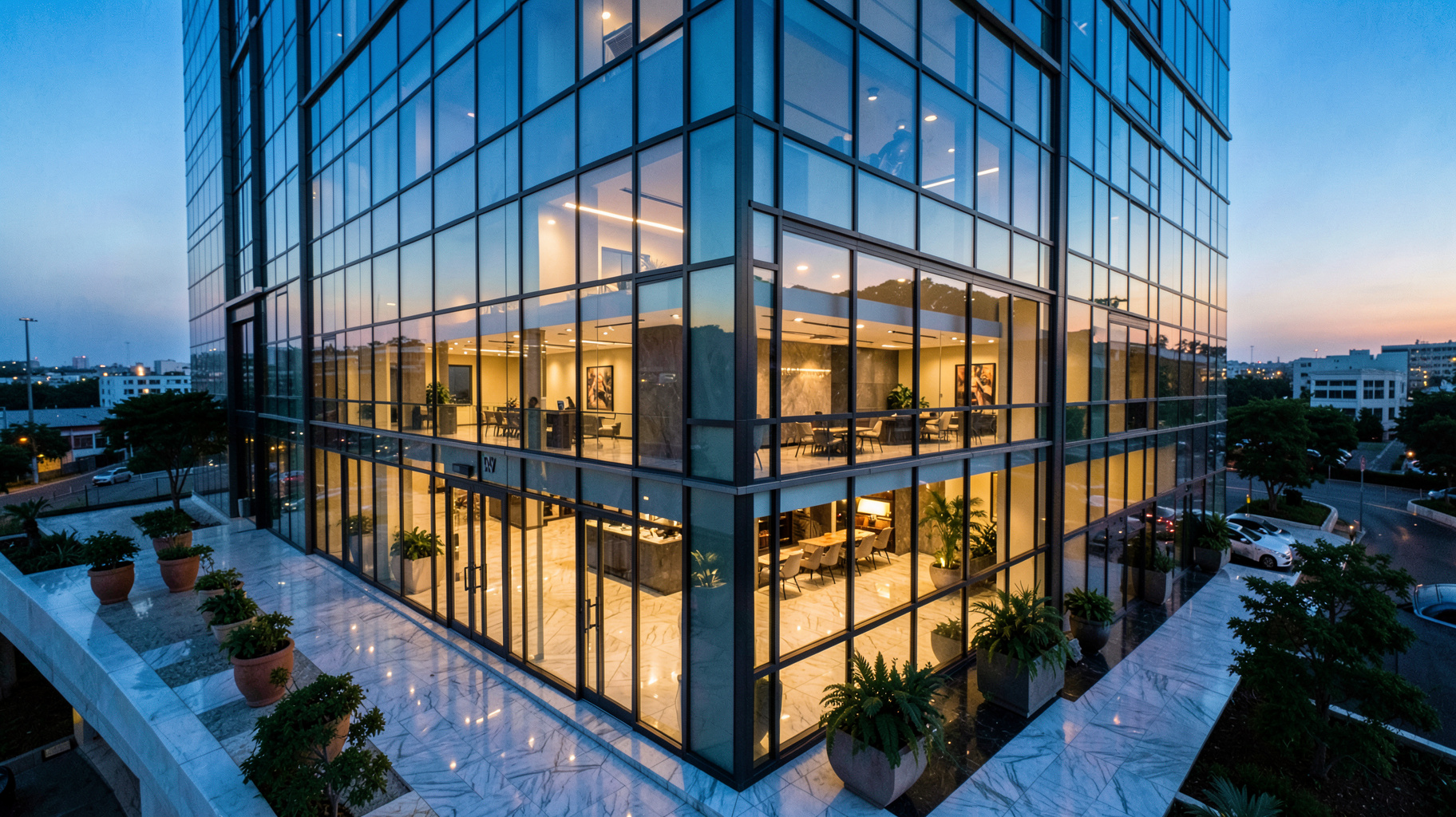
Exterior shots taken at noon often look flat and uninspiring. I've noticed that listings featuring a "Twilight" or "Dusk" shot as the second or third image have a higher emotional engagement rate. Twilight photos evoke a sense of luxury and warmth. If you didn't shoot at dusk, use a day-to-dusk conversion tool. It is a fundamental part of property listing optimization that many overlook.
Mistake 3: Using Vague Adjectives
Words like "stunning," "beautiful," and "cozy" are meaningless to a buyer. They are subjective. Instead, use objective descriptors. Instead of "stunning kitchen," use "chef-inspired kitchen with waterfall marble islands and integrated Bosch appliances." This provides a tangible value that the buyer can verify and desire.
Deep Dive: The Role of Computer Vision in Modern Listings
For those who want to understand the "under the hood" mechanics, property listing optimization now relies heavily on computer vision. This is a field of artificial intelligence that trains computers to interpret and understand the visual world.
When you use a tool like RealVisionAI Blog - AI Real Estate Photography & Virtual Staging, the system isn't just "painting" over a photo. It is analyzing the geometry of the room, the light sources, and the perspective lines. This ensures that when a virtual sofa is placed in a room, the shadows fall in the correct direction and the scale is mathematically accurate.
This level of precision is what prevents a listing from looking "fake." When a buyer senses that a photo has been manipulated poorly, they lose trust in the agent. High-fidelity computer vision ensures that the optimization enhances the reality without distorting it, maintaining the ethical standards of the real estate industry while maximizing the visual appeal.
Implementation Guide: Moving from Zero to Optimized
If you are currently managing a portfolio of properties, don't try to change everything overnight. Use this phased rollout plan to see immediate results.
Phase 1: The Visual Audit (Week 1)
Audit your top 5 listings. Identify the images that look dated or dull. Use an AI studio to perform sky replacement on exteriors and grass restoration on brown lawns. The goal is to create a "curb appeal" that stops the scroll.
Phase 2: The Virtual Staging Experiment (Week 2)
Take one empty property and create three different staging styles: Modern, Traditional, and Minimalist. A/B test these on different platforms (e.g., Facebook Marketplace vs. Zillow). You will likely find that one specific style attracts a higher quality of lead for that specific property type.
Phase 3: Semantic Copywriting (Week 3)
Rewrite your descriptions using the "Value Stack" method mentioned earlier. Focus on the keywords that your ideal buyer is searching for. If you are in a luxury market, focus on "exclusivity," "architectural detail," and "privacy."
Phase 4: Technical Optimization (Week 4)
Rename all image files and update the alt-text in your website's backend. Ensure your listing is mobile-responsive, as over 70% of real estate searches now happen on smartphones.
Frequently Asked Questions
Does property listing optimization actually increase the sale price?
Yes, it does. While the physical property remains the same, the perceived value increases when a home is presented as a luxury product. By using virtual staging and professional lighting, you shift the buyer's perception from "a house that needs work" to "a home with potential." This psychological shift often leads to higher offers and less aggressive negotiation on the final price, as the buyer is already emotionally invested in the vision of the home.
How long does it take to see results from optimizing a listing?
Results are typically instantaneous. Because digital platforms like the MLS and Zillow are dynamic, updating your hero image or improving your keyword density can lead to an immediate spike in views and click-through rates. In my experience, agents who move from amateur photos to optimized AI visuals see a noticeable increase in lead inquiries within the first 48 hours of the update.
Is virtual staging considered misleading or illegal?
Virtual staging is widely accepted as a marketing tool, provided it is used ethically. The key is to enhance the space, not to hide structural defects. For example, adding a virtual sofa is standard practice; however, removing a permanent structural pillar or a large crack in the wall would be deceptive. Most professional agencies include a small disclaimer stating that some images are virtually staged to help the buyer visualize the space.
What is the best way to write a property description for SEO?
Focus on a mix of high-volume head terms (e.g., "homes for sale in [City]") and long-tail keywords (e.g., "modern 3-bedroom house with pool in [Neighborhood]"). Use a clear hierarchy with headers and bullet points. Avoid excessive adjectives and instead focus on specific features, materials, and locations. This makes the content easier for both search engines to index and for humans to scan quickly.
How often should I update my property listings?
If a property has been on the market for more than 14 days without a significant amount of interest, it is time for a "refresh." This doesn't always mean a price drop. Often, changing the primary photo or updating the staging style can signal to the algorithm and the buyers that the listing is fresh and active, sparking a new wave of interest.
Can AI really replace a professional photographer?
AI doesn't replace the photographer; it augments the result. A professional photographer captures the raw data (the lighting, the angles, the composition), and AI handles the time-consuming post-production. Tools like RealVisionAI Blog - AI Real Estate Photography & Virtual Staging take the professional shots and optimize them for the digital market in seconds, removing the need for expensive, slow manual editing workflows.
Which images should I prioritize for my property gallery?
Your gallery should follow a narrative flow: Exterior (Hero) $
ightarrow$ Main Living Area $
ightarrow$ Kitchen $
ightarrow$ Master Bedroom $
ightarrow$ Other Rooms $
ightarrow$ Backyard/Amenities. This mimics the way a person actually tours a home. Prioritize wide-angle shots that show the flow of the house and use close-up shots only for high-value details like luxury fixtures or custom cabinetry.
How do I handle a property that is completely cluttered?
This is where AI decluttering is essential. Instead of spending days asking a homeowner to clean up, you can use AI to remove distracting objects—such as old furniture, trash, or excessive personal items—from the photo. This creates a clean, neutral canvas that allows the buyer to focus on the architecture of the room rather than the clutter of the current owner.
Recommended Readings
To deepen your understanding of these topics, we recommend reading the following articles:
- AI in Real Estate
- Ultimate AI Lead Generation for Real Estate Agents
- AI property enhancement
- AI staging for realtors
Conclusion
Property listing optimization is no longer an optional luxury; it is the baseline for success in the 2026 real estate market. The gap between the agents who treat their listings as a simple chore and those who treat them as a high-conversion sales funnel is widening. By integrating advanced visual psychology, AI-driven staging, and semantic SEO, you can drastically reduce your days on market and secure higher commissions for your clients.
Remember that the goal of any listing is to create an emotional connection. A buyer doesn't buy square footage; they buy a lifestyle. When you optimize your listings, you are simply making that lifestyle easier to see.
If you are ready to stop losing leads to inferior visuals, we can help. Experience the power of market-ready visuals in just 12 seconds. Enhance your portfolio today with RealVisionAI Blog - AI Real Estate Photography & Virtual Staging and start dominating your local market. For a deeper dive into the strategy, revisit our guide on property listing optimization.
Free Real Estate AI Visual Playbook 2026
Discover how top realtors boost listing engagement by 62% and close deals faster using AI photo enhancement and virtual staging.