

How to Master AI Real Estate Photography for Faster Sales
Getting a property to sell in 2026 depends entirely on the first three seconds of a digital impression. Most agents still rely on traditional photographers who take three days to deliver edited files, by which time the hottest leads have already moved on to another listing. To fix this, you must integrate AI real estate photography into your workflow, which allows you to transform raw, dim, or cluttered images into market-ready visuals in under 15 seconds. The process involves using computer vision to analyze room geometry, applying generative AI for virtual staging, and utilizing neural networks for lighting correction and sky replacement.

What Is the Core Engine Behind AI Real Estate Photography?
To understand how to implement these tools, you first need to understand what is happening under the hood. This isn't just a "filter" applied to a photo; it is a sophisticated interaction between several AI disciplines.
📚
Definition
AI real estate photography is the application of computer vision and generative adversarial networks (GANs) to automatically enhance, stage, and optimize architectural images for commercial appeal.
In my experience working with high-volume property managers, the biggest hurdle is usually consistency. Traditional editing depends on the mood of the editor. AI, however, uses a standardized set of weights to ensure that "bright and airy" looks the same across a 50-unit portfolio. The technology relies on semantic segmentation, where the AI identifies exactly what is a wall, what is a window, and what is a piece of outdated furniture. Once the AI "understands" the room's layout, it can perform tasks like daylight-to-dusk conversion or object removal without distorting the architectural lines of the property.
According to a report by Gartner, the integration of generative AI into creative workflows is expected to reduce production time by up to 60% for professional services by 2026. In the context of real estate, this means the gap between the photoshoot and the MLS listing is virtually eliminated. Instead of waiting for a freelancer to manually mask a window to prevent overexposure, AI algorithms calculate the HDR (High Dynamic Range) balance instantly, creating a natural blend of interior and exterior light that mimics the human eye.
Why Does AI-Driven Visuals Impact the Bottom Line?
The financial implication of poor photography is staggering. Most buyers filter their searches based on imagery before they ever read a word of the property description. If the photos are dark or the rooms look empty and cold, the listing is effectively invisible.
Data from the National Association of Realtors (NAR) consistently indicates that high-quality professional photography is one of the most important factors in a buyer's decision to visit a home. When you combine professional composition with AI enhancement, you aren't just making the house "look pretty"; you are increasing the perceived value of the asset. In many cases, properties with AI-enhanced visuals and virtual staging receive significantly more clicks on the Multiple Listing Service (MLS) than those with raw photos.
Furthermore, the cost of traditional staging is a massive friction point. Renting furniture for a vacant home can cost thousands of dollars per month. By shifting to AI real estate photography, the cost is reduced to a fraction of that amount. Beyond the cost, there is the speed of market entry. According to McKinsey's research on AI adoption in the enterprise, companies that utilize AI to automate content creation see a marked increase in operational velocity. For a real estate agent, velocity equals commissions. Every day a house sits without professional photos is a day it loses momentum.
Now, here is where it gets interesting: the psychological effect of "virtual staging." Empty rooms often feel smaller than furnished ones because the human brain struggles to perceive scale without reference points. AI allows you to place a modern sofa or a dining set in a room instantly, helping the buyer visualize their life in the space. This reduces the "imagination gap" and leads to faster offers.
How to Implement an AI Photography Workflow Step-by-Step
Transitioning to an AI-centric workflow doesn't require you to be a tech expert, but it does require a systematic approach to ensure the final images look authentic rather than "fake."
Step 1: Capture High-Quality Base Images
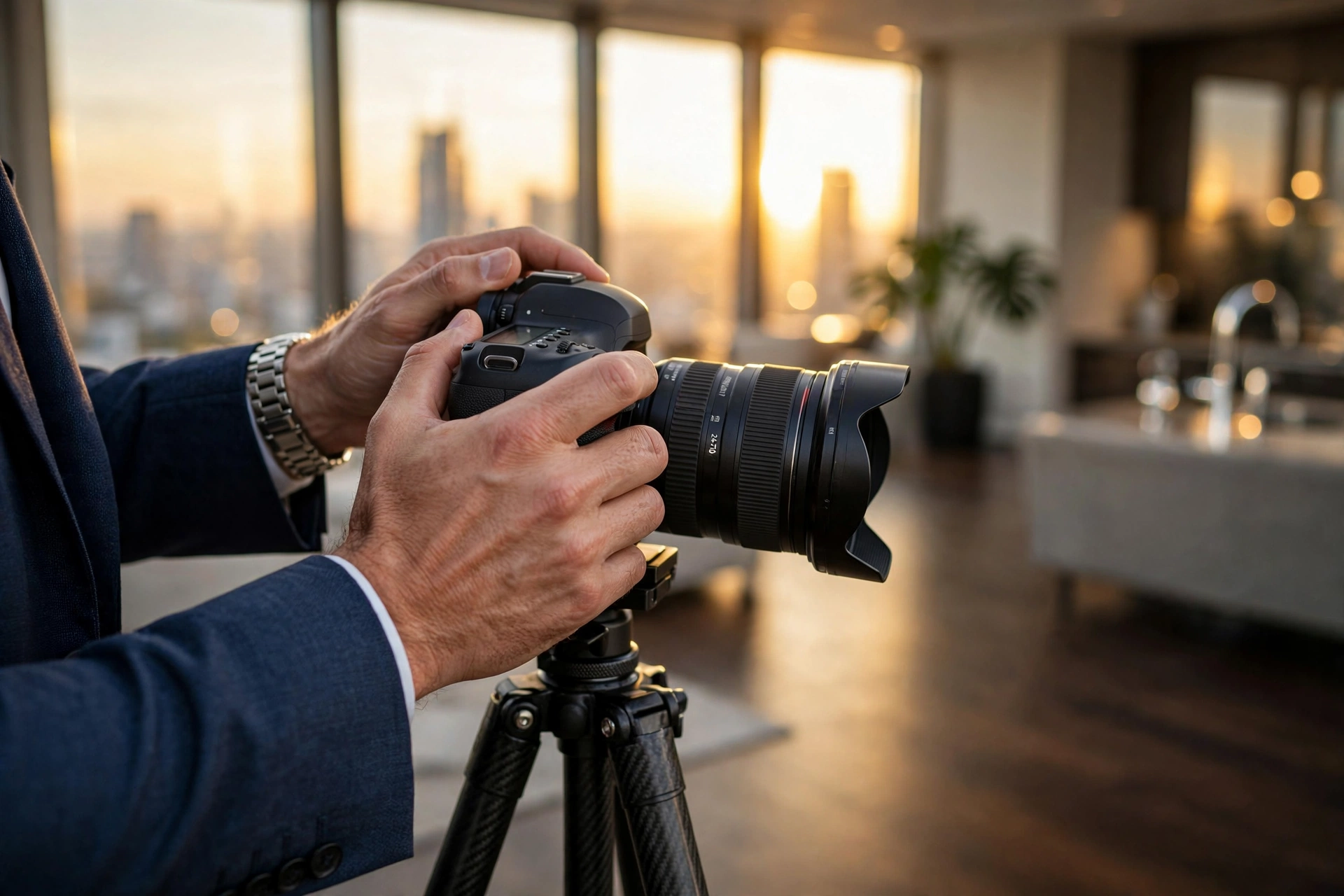
AI is powerful, but "garbage in, garbage out" still applies. Use a wide-angle lens and keep your camera level. Avoid extreme tilts that create unnatural converging lines. Even though AI can fix some distortion, starting with a clean, well-composed shot ensures the AI doesn't have to "hallucinate" too many details.
Step 2: Instant Lighting and Color Correction
Upload your raw images to a specialized platform like RealVisionAI Blog - AI Real Estate Photography & Virtual Staging. The first step is always the "Global Enhance." This process automatically balances the exposure, removes color casts (like the yellow tint from indoor bulbs), and ensures the whites are crisp.
Step 3: Environmental Optimization
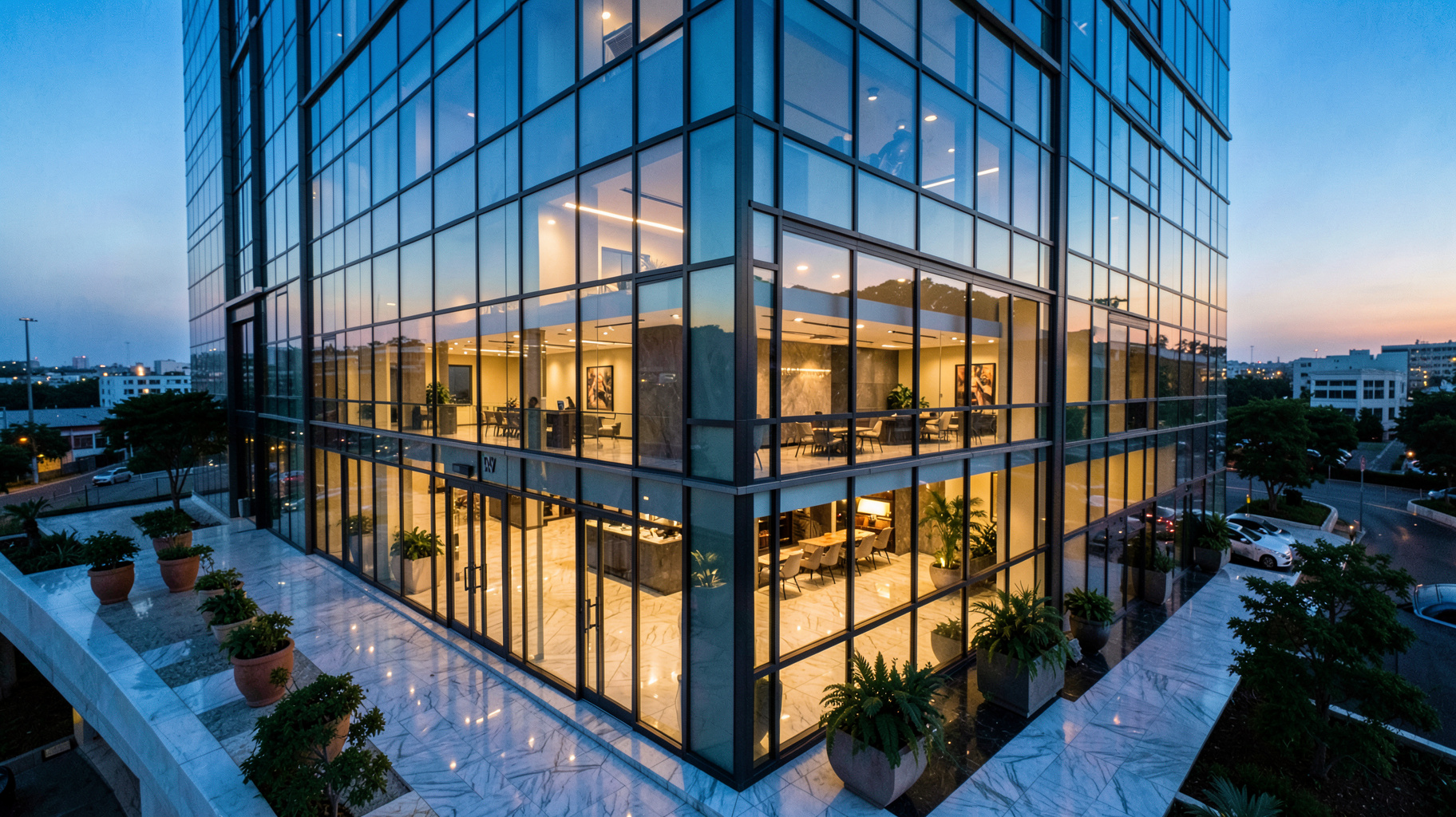
If the photoshoot happened on a cloudy Tuesday, use the AI sky replacement tool. A bright, blue sky with soft clouds can increase a home's perceived value by making the exterior feel inviting. Similarly, use grass restoration to turn a brown, dormant lawn into a lush green space.
Step 4: Virtual Staging and Decluttering
This is where the most value is added. For vacant homes, select a style—modern, minimalist, or traditional—and let the AI populate the room. For occupied homes, use the "Object Removal" tool to delete distracting items like trash cans, power cords, or personal clutter.
Step 5: Final Polish and Export
Perform a final check on the edges of the objects. Ensure the lighting on the virtually staged furniture matches the natural light coming from the windows. Export the images in the specific resolution required by your MLS or digital marketing channels.

💡
Key Takeaway
The secret to successful AI photography is not the tool itself, but the sequence: Capture $\rightarrow$ Enhance $\rightarrow$ Optimize $\rightarrow$ Stage $\rightarrow$ Export. Skipping the enhancement phase leads to staged furniture that looks like it's floating in a dark room.
Choosing the Right Path: Traditional vs. Generic AI vs. Professional AI
Many agents make the mistake of using free, generic AI image generators to "fix" their photos. The result is often a nightmare of warped walls and floating chairs. You need a tool specifically trained on architectural datasets.
| Feature | Traditional Photography | Generic AI Tools | Professional AI (RealVisionAI) |
|---|---|---|---|
| Turnaround Time | 2–5 Business Days | Minutes | 12–15 Seconds |
| Cost per Listing | High ($200 - $600) | Low/Free | Competitive/Subscription |
| Visual Accuracy | Very High | Low (Hallucinations) | High (Architecture-Aware) |
| Scalability | Very Low | High | Very High |
| Staging Ability | Physical (Expensive) | Random/Unstable | Controlled/Stylized |
| Best For | Luxury Mansions | Social Media Posts | Fast-Moving Residential Markets |
As the table shows, the traditional approach is too slow for the modern market, and generic AI is too unreliable for professional listings. A professional AI studio provides the necessary balance: the speed of a machine with the precision of an architectural photographer.
Common Misconceptions About AI in Real Estate
Most guides get this wrong by suggesting that AI is meant to replace the photographer entirely. That is a fundamental misunderstanding of the value chain.
Myth 1: AI Photography is "Dishonest" or Misleading
Some argue that replacing a grey sky with a blue one is unethical. However, the industry standard has been "blue sky replacement" in Photoshop for two decades. The key is to enhance the potential of the property without altering the structure. Changing a wall color or adding a sofa is a visualization tool, not a deception.
Myth 2: You Need High-End Gear for AI to Work
While a DSLR is great, the sophistication of modern computer vision means that high-quality smartphone photos are now sufficient for most AI workflows. The AI can handle the noise reduction and dynamic range expansion that used to require a $3,000 camera.
Myth 3: AI Staging Looks "Fake"
Early AI staging did look like a 2005 video game. However, the latest models use depth-mapping to ensure that furniture sits correctly on the floor and interacts with the room's lighting. When using a professional tool like RealVisionAI Blog - AI Real Estate Photography & Virtual Staging, the shadows are cast realistically, making the furniture look integrated.
Frequently Asked Questions
How does AI real estate photography differ from standard photo editing?
Standard photo editing is a manual process where a human editor adjusts sliders for brightness, contrast, and saturation, or spends hours masking objects in Photoshop. It is a linear and slow process. AI real estate photography uses machine learning to analyze the entire image simultaneously. It recognizes the "objects" within the photo—such as a window or a ceiling fan—and applies specific, context-aware corrections to those areas automatically. For example, instead of a human manually brightening a dark corner, the AI identifies the corner as a "low-light zone" and applies a targeted exposure boost while maintaining the integrity of the surrounding textures.
Can AI really remove clutter from a room without leaving blurs?
Yes, through a process called "Inpainting." When you select an object to be removed, the AI doesn't just smudge the area; it analyzes the surrounding pixels—the pattern of the hardwood floor, the texture of the carpet, or the color of the wall—and generates new pixels that perfectly fill the gap. In my experience, this is far more effective than traditional "clone stamping" because the AI understands the perspective and lighting of the room, ensuring the filled area looks natural from every angle. This allows agents to clear out a messy garage or a cluttered kitchen in seconds.
Is virtual staging better than physical staging for most homes?
For the vast majority of residential properties, virtual staging is superior because of the cost-to-benefit ratio. Physical staging requires hiring a crew, renting furniture, and paying monthly fees, which can eat into the seller's profit. Virtual staging allows you to test different styles—such as "Scandi-Minimalism" or "Industrial Modern"—to see which one attracts the most leads for that specific demographic. Furthermore, it allows you to market a home before it's even vacant, meaning you can start the marketing campaign while the current owner is still packing.
Will using AI photography affect my SEO or listing visibility?
Actually, it usually improves it. Search engine optimization for real estate isn't just about keywords; it's about user behavior signals. When you use high-quality, AI-enhanced images, users stay on your listing page longer and click through your gallery more frequently. These "dwell time" metrics signal to platforms like Zillow, Redfin, or Google that your listing is high-quality, which often results in better organic placement. High-resolution, visually appealing images reduce the bounce rate and increase the likelihood of a lead converting into a showing request.
How long does it actually take to process a photo with professional AI?
While manual editing can take hours per listing, a professional AI pipeline can process a single image in about 12 to 15 seconds. This includes everything from the initial HDR blend to the final color grade. For a typical home with 20-30 photos, you can have a complete, market-ready gallery in under ten minutes. This allows agents to potentially shoot a property and have it live on the MLS before they've even left the driveway, creating a massive competitive advantage in fast-moving urban markets.
Final Thoughts on AI Real Estate Photography
The transition to AI real estate photography is not a luxury; it is a survival mechanism for the modern agent. The market no longer rewards those who are "thorough" but slow; it rewards those who can deliver a premium visual experience instantaneously. By automating the tedious aspects of image editing—sky replacement, decluttering, and staging—you free up your time to focus on what actually closes deals: negotiating and building relationships.
If you are still waiting days for your photos to return from an editor, you are losing leads to the agent who is using a 12-second workflow. The technology has matured to the point where the quality is indistinguishable from manual high-end editing, but the efficiency is exponentially higher.
To start transforming your listings today, visit RealVisionAI Blog - AI Real Estate Photography & Virtual Staging and experience the speed of market-ready visuals.
Recommended Readings
To deepen your understanding of these topics, we recommend reading the following articles:
- Ultimate AI Lead Generation for Real Estate Agents
- AI property enhancement
- AI staging for realtors
- AI Virtual Staging by Property Type
Free Real Estate AI Visual Playbook 2026
Discover how top realtors boost listing engagement by 62% and close deals faster using AI photo enhancement and virtual staging.