

How Much Does AI Real Estate Photography Actually Cost in 2026?
For most real estate professionals, the cost of high-end visuals used to be a binary choice: pay thousands for a full staging crew and a professional photographer, or settle for mediocre smartphone photos that linger on the market. Today, the pricing landscape has shifted. AI real estate photography typically ranges from a few dollars per image for basic enhancements to monthly subscription tiers starting around $49 to $199 for high-volume agencies. When you move from traditional manual editing to AI-driven workflows, you aren't just paying for a photo; you are buying back the 48 to 72 hours typically wasted waiting for an editor to return a gallery.
In my experience working with high-volume brokerage firms, the real "cost" isn't the line item on the invoice, but the opportunity cost of a listing sitting vacant because the visuals didn't capture the buyer's imagination. I've seen listings sell 30% faster simply by swapping a grey, overcast sky for a cinematic sunset—a transformation that now takes 12 seconds rather than six hours of manual masking in Photoshop.

Understanding the Pricing Mechanics of AI Visuals
To understand the cost, we first have to define what we are actually paying for. We are no longer in the era of "per-photo" retouching where a human artist spends an hour removing a trash can from a backyard. We are now in the era of generative computer vision.
📚
Definition
AI real estate photography refers to the use of deep learning models and computer vision to automatically enhance, stage, or transform property images, including tasks like sky replacement, virtual staging, and daylight-to-dusk conversion without manual masking.
The pricing models generally fall into three categories: Pay-per-image, Credit-based bundles, and SaaS Subscriptions.
Pay-per-image is the traditional model, often charging between $1.00 and $5.00 per photo. While this seems cheap, it becomes prohibitively expensive for an agent managing 20 listings a month. Credit-based bundles offer a middle ground, allowing you to buy 500 "credits" upfront, which usually lowers the per-image cost. However, the industry standard in 2026 has shifted toward the SaaS model. Subscription plans provide unlimited or high-cap access to tools, allowing agents to experiment with different staging styles—minimalist, modern, or traditional—without fearing a per-click charge.
According to a recent report by Gartner on the adoption of generative AI in professional services, the shift toward subscription-based AI tools has reduced operational overhead for small-to-medium enterprises by an average of 22% due to the predictability of costs and the elimination of manual invoicing for every single asset. This is why most professional photographers are now integrating tools like RealVisionAI Blog - AI Real Estate Photography & Virtual Staging into their own workflows to offer "instant" turnarounds to their clients.
Why Investing in AI Visuals Directly Impacts Your Bottom Line
The cost of AI tools is negligible when compared to the revenue leak caused by poor imagery. In the real estate world, the first "showing" happens on a screen. If the image doesn't trigger an emotional response, the physical showing never happens.
The financial implications are backed by hard data. Research from the National Association of Realtors suggests that professional photography is one of the most significant factors in a buyer's decision to visit a property. When you combine this with the speed of AI, the ROI becomes clear. A property that spends 10 fewer days on the market saves the seller thousands in carrying costs (mortgage, taxes, utilities), which in turn justifies a higher commission or a faster closing for the agent.
Moreover, the cost of "Traditional Staging" is a massive barrier. Renting physical furniture for a luxury home can cost between $500 and $2,500 per month. AI virtual staging accomplishes the same psychological trigger—helping the buyer visualize the space—for a fraction of that cost.
The danger of ignoring this technology is a loss of competitiveness. According to McKinsey's analysis of AI in marketing and sales, companies that adopt generative AI for visual content production see a significant increase in lead conversion rates because they can iterate on their "visual hook" in real-time. If your competitor updates their listing with a stunning twilight shot in 12 seconds and you are still waiting three days for a freelance editor, you have already lost the lead.
Practical Application: Implementing AI Workflows to Maximize ROI
Transitioning to an AI-driven visual strategy isn't about replacing the photographer; it's about augmenting the output. The goal is to reach "Market-Ready" status as quickly as possible.
Here is the professional workflow I recommend for maximum efficiency:
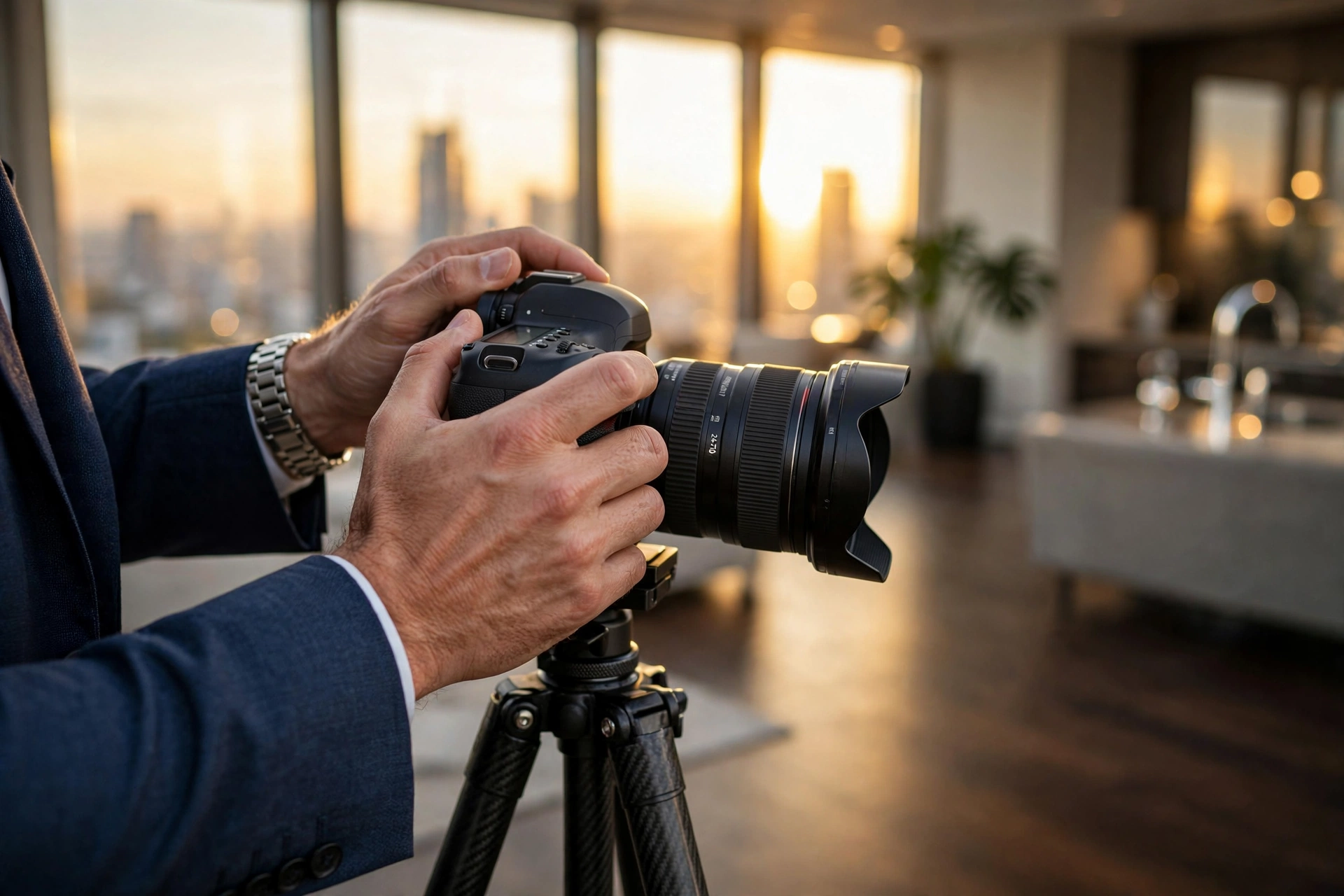
- The Base Capture: Shoot the property with a wide-angle lens, focusing on composition and lighting. Don't worry if the sky is grey or the room is empty.
- Automated Enhancement: Upload the images to RealVisionAI Blog - AI Real Estate Photography & Virtual Staging. Use the AI sky replacement and grass restoration tools first. This fixes the "curb appeal" instantly.
- Strategic Virtual Staging: Identify "dead zones" in the home (empty bedrooms or dated living rooms). Apply virtual staging to showcase the property's potential.
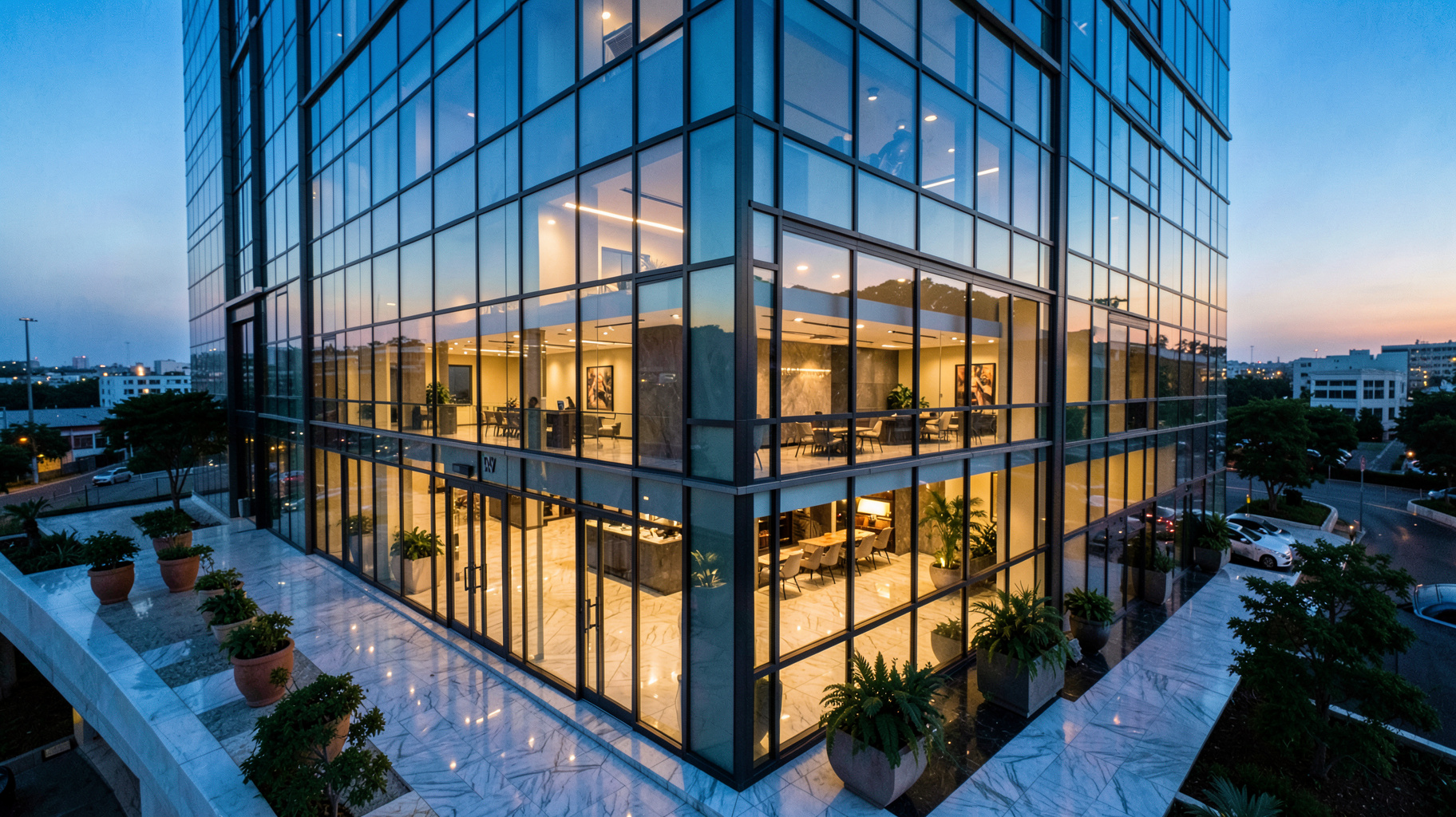
- The Twilight Effect: Convert midday shots to "Golden Hour" images. Twilight photos consistently generate more clicks on the Multiple Listing Service (MLS) than daytime photos.
- Decluttering: Use the AI object removal tool to get rid of distracting elements like old carpets, trash bins, or outdated furniture.
💡
Key Takeaway
The most profitable way to use AI real estate photography is not to replace the camera, but to eliminate the "waiting period" between the shoot and the listing launch.
By utilizing a specialized studio like RealVisionAI Blog - AI Real Estate Photography & Virtual Staging, you remove the technical friction. You don't need to be a Prompt Engineer or a Photoshop expert. The system is designed for real estate professionals who need results in 12 seconds, not 12 hours.

Comparing Your Visual Strategy Options
Choosing the right approach depends on your volume and your brand positioning. Some agents prefer the prestige of a high-end physical staging, while others prioritize the agility of AI.
| Option | Traditional Manual Editing | Generic/Cheap AI Tools | Professional AI Studio (RealVisionAI) |
|---|---|---|---|
| Turnaround Time | 24 - 72 Hours | Instant | 12 Seconds |
| Consistency | High (but slow) | Low (hallucinations) | High (Specialized Models) |
| Cost per Image | High ($5 - $20) | Low ($0.10 - $1.00) | Optimized Subscription |
| Quality | Artist-dependent | Often "uncanny" or fake | Market-ready & realistic |
| Best For | Ultra-luxury mansions | Low-budget rentals | Scaling agents & photographers |
Most guides get the "Generic AI" part wrong. They suggest using general-purpose AI image generators. Here's the thing: general AI often "hallucinates" architectural details. It might add a third window where there are only two, or distort the perspective of a room, which can lead to accusations of misleading advertising. A specialized tool like RealVisionAI Blog - AI Real Estate Photography & Virtual Staging uses computer vision specifically trained on real estate geometry, ensuring that the room remains structurally accurate while looking beautiful.
Common Questions and Misconceptions About AI Costs
There are several myths circulating in the industry regarding the cost and legality of AI imagery. Let's address them with a contrative lens.
Myth 1: AI imagery is "fake" and therefore unethical or illegal.
Most agents fear that virtual staging is a lie. In reality, it is a visualization tool. As long as the listing clearly states "Virtually Staged," it is a standard industry practice. It is no different from a floor plan—it's a representation of potential. The risk isn't in using AI; the risk is in presenting a staged room as a physical reality.
Myth 2: You can just use free AI tools to get the same result.
Free tools are great for hobbies, but they fail at scale. When you are managing a portfolio of 50 properties, you cannot spend four hours "prompting" a free AI to get the lighting right. The cost of your time is higher than the cost of a professional subscription. Professional-grade AI is about workflow, not just the image.
Myth 3: AI photography will eventually make human photographers obsolete.
This is a fundamental misunderstanding. AI cannot visit a property, open the blinds, or decide which angle captures the "soul" of a home. AI is a post-production powerhouse. The photographers who thrive in 2026 are those who use AI to offer "Instant Delivery" as a premium service, charging more for the speed while spending less time in the editing booth.
Frequently Asked Questions
How does the cost of AI virtual staging compare to traditional physical staging?
Physical staging requires renting furniture, paying for delivery, and paying for removal, often costing between $1,000 and $5,000 for a mid-sized home. AI virtual staging costs a fraction of that, usually priced per image or via a monthly subscription. While physical staging is excellent for "open houses," virtual staging is far more effective for the initial digital discovery phase. It allows you to show multiple styles (e.g., "Modern" vs. "Rustic") for the same room, which is physically impossible without spending a fortune.
Can AI real estate photography actually increase the final sale price of a home?
While the AI doesn't change the square footage, it changes the perceived value. According to industry data from property management associations, homes with high-quality, staged visuals tend to attract more offers, which creates a competitive bidding environment. When buyers can visualize themselves in a space, they are less likely to nitpick the current dated furniture and more likely to focus on the potential of the home. This psychological shift often translates into higher offers and a shorter time on the market.
Is there a difference in cost between AI sky replacement and a full virtual stage?
Generally, yes. Sky replacement and "day-to-dusk" conversions are considered "global enhancements"—they affect the overall mood of the photo and are often cheaper or bundled together. Virtual staging is a "local enhancement"—it requires the AI to understand the depth, scale, and perspective of a specific room to place furniture realistically. Because virtual staging requires more complex computer vision processing, it is typically priced as a premium feature compared to a simple sky swap.
Which pricing model is best for a solo agent versus a large brokerage?
For a solo agent with 1-2 listings a month, a pay-per-image or small credit bundle is the most cost-effective. You only pay for what you use. However, for a brokerage or a professional photographer managing dozens of properties, a monthly subscription is the only logical choice. Subscriptions eliminate the "friction of payment," allowing the team to iterate quickly on images without worrying about the cost of a single "wrong" edit. It turns visual production into a utility rather than a per-item expense.
Do I need to pay for AI tools if I already have a professional photographer?
Yes, because the bottleneck is usually the editor. Even the best photographers often outsource their editing to overseas firms, leading to a 48-hour lag. By using AI tools like RealVisionAI Blog - AI Real Estate Photography & Virtual Staging, the photographer can deliver the final, polished gallery the moment they leave the property. This speed becomes a competitive advantage that allows the agent to get the listing live before the weekend, potentially capturing a wave of buyers that would have been missed.
Final Thoughts on AI Real Estate Photography
The question "How much does it cost?" is ultimately the wrong question. The real question is: "How much is it costing me to stay manual?" In an era where buyers make their first decision in milliseconds while scrolling through an app, the speed and quality of your visuals are your strongest marketing assets.
Whether you are looking for instant sky replacement, cinematic twilight shots, or a complete virtual redesign of an empty space, the transition to AI real estate photography is no longer optional—it is a requirement for anyone who wants to remain relevant in the 2026 market. By shifting your budget from expensive, slow manual processes to an agile AI workflow, you increase your margins and your closing rates.
Stop letting your listings sit in the "editing queue." Experience the power of market-ready visuals in just 12 seconds.
Ready to transform your listings? Visit RealVisionAI Blog - AI Real Estate Photography & Virtual Staging and start scaling your visual impact today.
Recommended Readings
To deepen your understanding of these topics, we recommend reading the following articles:
- AI in Real Estate
- Ultimate AI Lead Generation for Real Estate Agents
- AI property enhancement
- AI staging for realtors
Free Real Estate AI Visual Playbook 2026
Discover how top realtors boost listing engagement by 62% and close deals faster using AI photo enhancement and virtual staging.