

How to Execute Residential Virtual Staging for Maximum Listing Impact
Empty rooms often feel smaller, colder, and less inviting to potential buyers, leading to longer days on market and lower offers. To solve this, you must implement residential virtual staging, which involves using computer vision and AI to digitally place high-quality, scale-accurate furniture and decor into photos of vacant spaces. The process begins with capturing high-resolution, wide-angle photography of the empty room, followed by using a specialized AI tool to analyze the room's perspective and lighting, and finally selecting a design style—such as modern, Scandinavian, or industrial—that appeals to the target demographic of that specific property.
In my experience working with high-volume real estate teams, the biggest mistake I see is treating virtual staging as an afterthought. When you integrate it into your Real Estate Visual Marketing strategy from day one, you aren't just "filling a room"; you are creating a psychological narrative that allows a buyer to envision their life in that space. This shift in perspective is what converts a passive browser into an active lead.
What Exactly Is Residential Virtual Staging?
To understand the mechanism, we must first define the technology. While traditional staging requires moving physical furniture into a home, this digital alternative uses sophisticated image processing to achieve the same result without the logistical nightmare.
📚
Definition
Residential virtual staging is the process of using artificial intelligence and 3D rendering to digitally populate vacant interior spaces with furniture and decorative elements that are mathematically scaled to the room's dimensions.
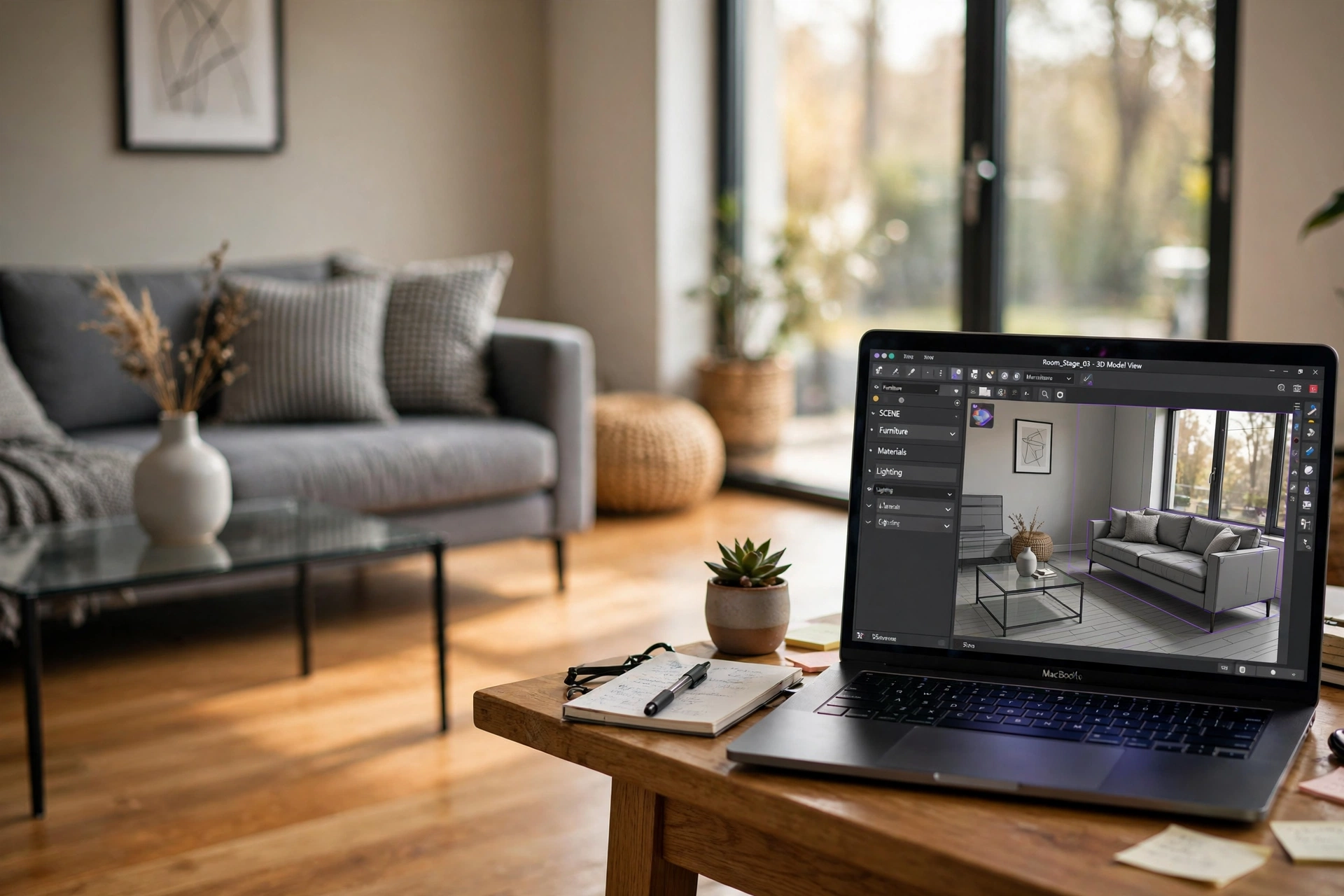
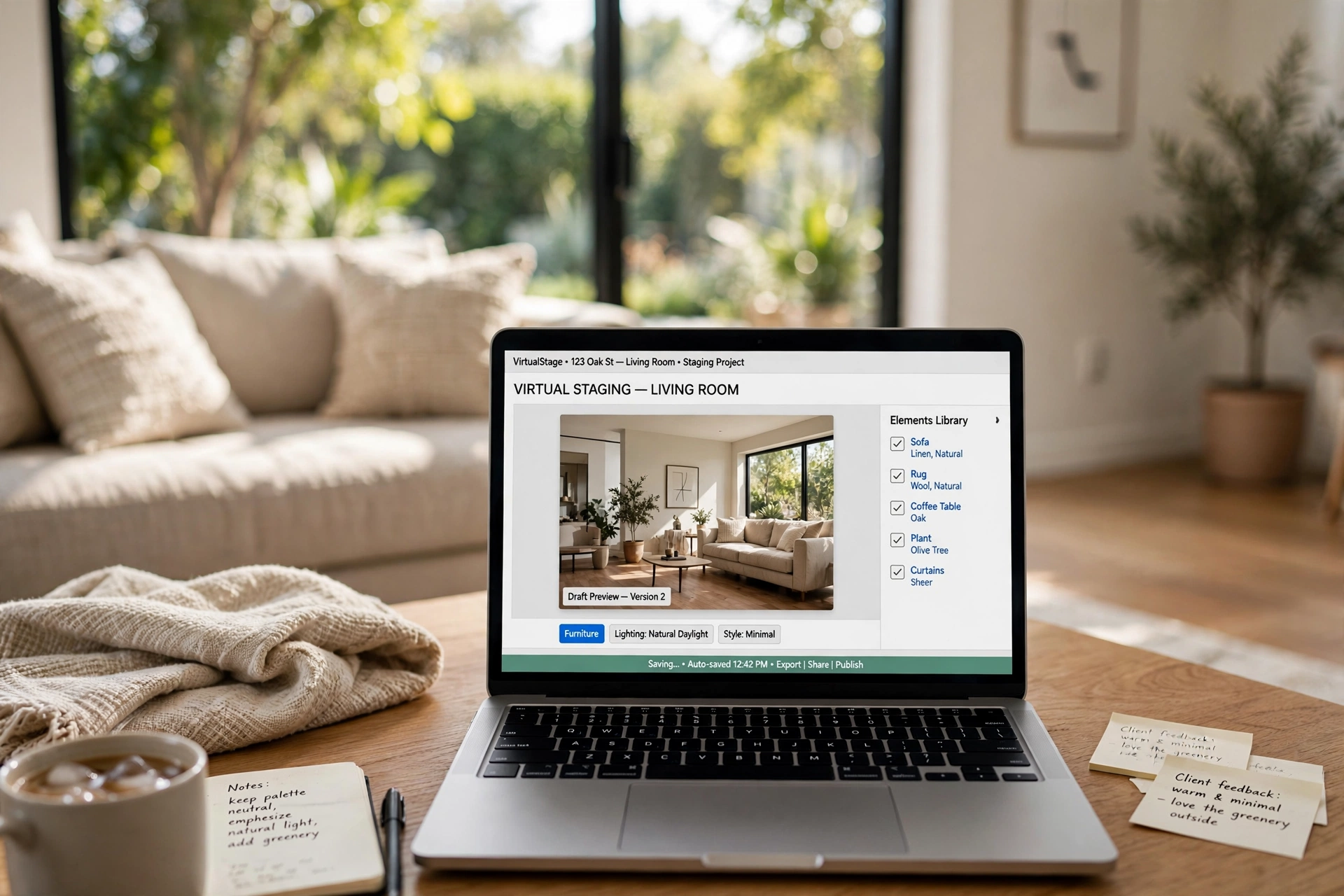
This isn't a simple "sticker" placement on a photo. Modern systems use computer vision to map the floor plane and walls, ensuring that a sofa doesn't appear to be floating or clipping through a wall. The AI analyzes the light sources—such as windows or overhead fixtures—and applies matching shadows and highlights to the virtual furniture. This creates a seamless blend that looks like a professional architectural photograph.
According to research by the National Association of Realtors, a significant majority of buyers struggle to visualize the potential of an empty space, which directly impacts their perceived value of the home. By bridging this cognitive gap, virtual staging transforms a sterile environment into a curated lifestyle. When we analyze the Types of AI Property Enhancement for Real Estate, virtual staging stands out because it influences the emotional response of the buyer more than simple color correction or sky replacement ever could.

Why Residential Virtual Staging Is Essential for 2026 Sales
The stakes for visual first impressions have never been higher. In an era where 95% of home searches begin online, your primary "open house" is actually a digital gallery. If a user scrolls past a series of grey, empty boxes, they will mentally disqualify the property before they ever see the square footage.
The business impact is quantifiable. Data from industry reports suggests that staged homes sell faster and often for a higher premium than unstaged ones. Specifically, according to a study by the Real Estate Staging Association, professionally staged homes typically spend significantly fewer days on the market compared to vacant properties. This speed of sale is a direct result of reducing the "mental friction" for the buyer.
Now, here is where it gets interesting: the cost-to-benefit ratio. Physical staging for a single-family home can cost thousands of dollars in rental fees and labor. In contrast, AI-driven staging costs a fraction of that and can be iterated in seconds. If a property isn't attracting the right demographic, you can switch from "Traditional" to "Ultra-Modern" staging without moving a single piece of furniture.
For those wondering Is AI Property Enhancement Worth It?, the answer lies in the conversion rates. A listing with virtually staged images doesn't just get more clicks; it gets higher-quality clicks. People spend more time on pages with staged photos because they are engaging with a "vision" of a home, not just a "listing" of a house. This engagement signals to search engines and MLS algorithms that the property is high-interest, potentially boosting its organic visibility.
Step-by-Step Guide to Implementing Residential Virtual Staging
Executing this process effectively requires a blend of technical precision and interior design logic. If you simply throw a random couch into a room, it will look like a low-quality render. Follow this professional workflow to ensure photorealism.
Step 1: Capture High-Quality Baseline Imagery
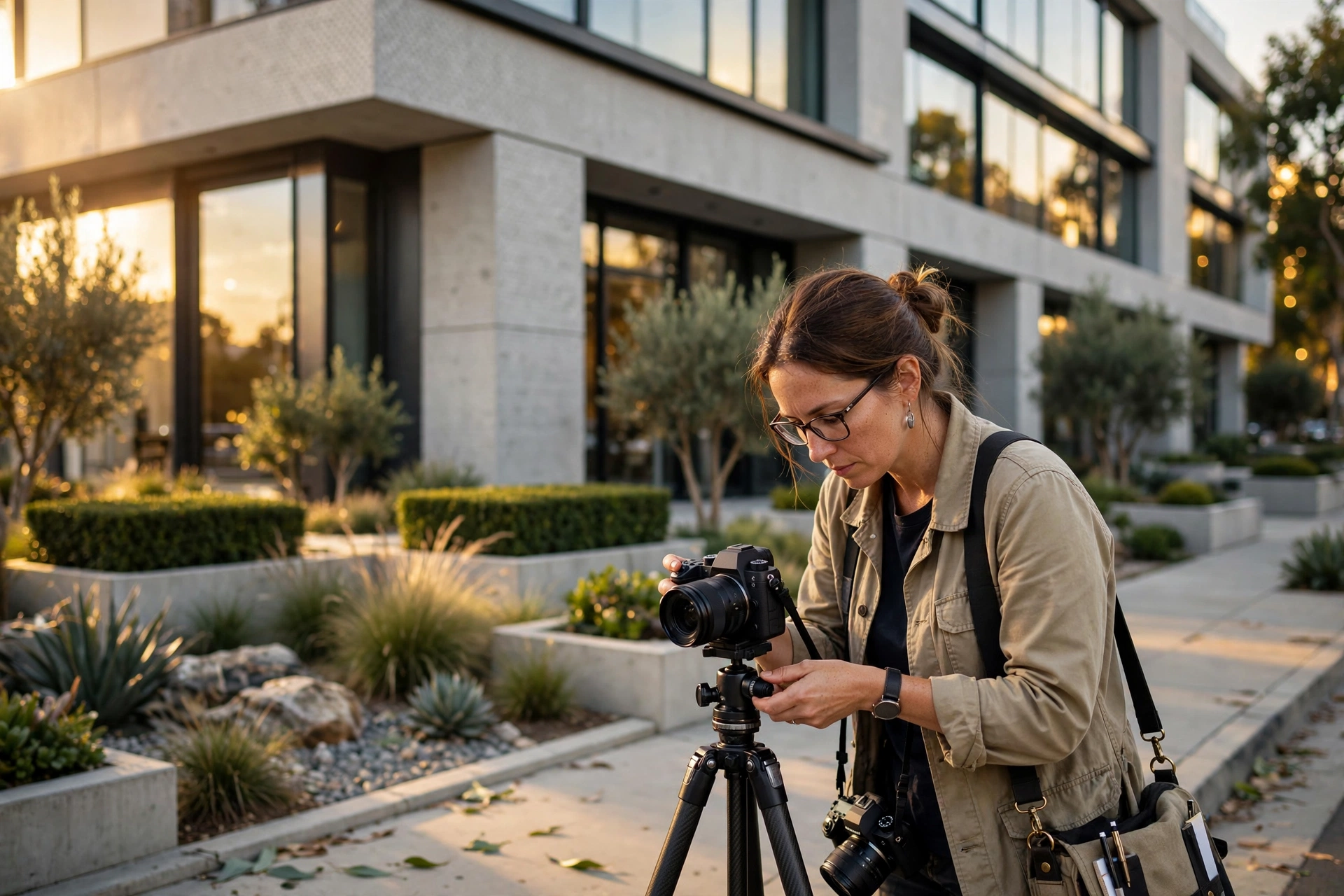
You cannot stage a blurry or dark photo. Use a wide-angle lens and ensure your camera is level. Avoid "fisheye" distortion, as this makes it harder for the AI to calculate the correct perspective for the furniture. Ensure all corners of the room are visible; this provides the AI with the "anchor points" it needs to map the floor.
Step 2: Analyze the Room's Architecture and Lighting
Before adding furniture, identify the primary light source. Is the sun coming from the left? Is there a ceiling fan casting a shadow? When using RealVisionAI Blog - AI Real Estate Photography & Virtual Staging, the AI handles most of this automatically, but a human eye should verify that the virtual shadows align with the real-world light sources.
Step 3: Select the Target Demographic Style
Don't just choose furniture you like; choose furniture the buyer likes.
- Luxury Condos: Use "Minimalist" or "Contemporary" styles with neutral tones and high-end textures.
- Family Suburbs: Use "Traditional" or "Transitional" styles with warmer colors and larger seating arrangements.
- Urban Lofts: Go for "Industrial" with leather accents and raw metal finishes.
Step 4: Strategic Placement and Scaling
The "golden rule" of staging is to define the purpose of the room. In a living room, create a conversation area centered around a focal point (like a fireplace or a view). Ensure there is a clear "traffic path"—do not overcrowd the room, as this makes the space feel smaller, defeating the purpose of the staging.
Step 5: Final Polish and Quality Assurance
Check for "floating" furniture. Ensure the legs of the chairs are firmly planted on the floor. Use a high-resolution export to avoid pixelation when the buyer zooms in on the MLS. This is the phase where Digital Staging Services: Scaling Real Estate Listings in 2026 truly shine, as they provide the precision needed for luxury markets.
💡
Key Takeaway
The goal of residential virtual staging is not to deceive the buyer, but to provide a visual suggestion of the room's maximum potential.

Comparing Your Staging Options
Not all staging methods are created equal. Depending on your budget and the property's value, you might choose different paths.
| Approach | Pros | Cons | Best For |
|---|---|---|---|
| Physical Staging | Tangible experience, high tactile trust. | Extremely expensive, slow setup, logistical risk. | Ultra-luxury estates ($2M+). |
| Generic AI/DIY | Very cheap, instant results. | Often looks "fake," poor scaling, lacks design logic. | Low-budget rentals. |
| Professional AI (RealVisionAI) | Photorealistic, design-led, rapid turnaround, scalable. | Requires high-res input photos. | Mid-to-high end residential listings. |
When deciding When to Use Real Estate Image Processing for Your Listings, consider the "Days on Market" (DOM) trend in your area. If properties in your zip code are sitting for more than 30 days, a visual overhaul via virtual staging is no longer optional—it is a survival requirement.
Common Questions and Misconceptions
Most guides on this topic oversimplify the process or treat it like a magic button. Here is the reality of the industry.
Myth 1: "Virtual staging is misleading or unethical."
This is a common misconception. As long as the images are labeled as "Virtually Staged" or "Digitally Enhanced," it is no different from a homeowner cleaning their house before a showing. It is a marketing tool, not a structural claim. The industry standard is to provide at least one "empty" photo alongside the staged version to maintain transparency.
Myth 2: "You can only stage empty rooms."
Incorrect. This is where "virtual decluttering" comes in. In many cases, we take a room filled with an owner's outdated furniture, digitally remove it (object removal), and then apply residential virtual staging. This "replace" workflow is often more powerful than staging an empty room because it solves a problem (clutter) while adding value (modern design).
Myth 3: "The AI does all the work, so anyone can do it."
While the AI handles the rendering, the strategy is human. A poor choice of furniture—like placing a massive sectional in a tiny bedroom—will actually make a house look smaller and less desirable. The "eye" for design is still the most important part of the equation. This is why we focus on Property Listing Optimization: The 2026 Guide to Higher Conversion as a holistic approach.
Frequently Asked Questions
How long does residential virtual staging usually take to complete?
When using traditional 3D artists, you might wait 3 to 5 business days for a single room. However, with AI-powered platforms like RealVisionAI Blog - AI Real Estate Photography & Virtual Staging, the turnaround is reduced to seconds. This allows agents to upload photos from the field and have a staged gallery ready before they even leave the property. This speed is essential for competitive markets where being the first to list on the MLS provides a significant advantage in lead generation.
Does virtually staging a home actually increase the final sale price?
While it is impossible to isolate a single variable, the data strongly suggests a correlation between high-quality staging and higher offer prices. When buyers can visualize a luxury lifestyle, they are less likely to "lowball" the offer based on the current state of the room. According to industry benchmarks from the Home Staging Association, staged homes often sell for a percentage increase over non-staged counterparts because the perceived value is elevated through professional aesthetics.
Which furniture styles are most effective for selling homes quickly?
The "Modern Transitional" style is currently the safest and most effective bet for 2026. This style blends the cleanliness of modernism with the warmth of traditional design, making it appealing to both Gen Z buyers and Baby Boomers. Avoid overly niche styles (like Gothic or extreme Industrial) unless the home's architecture specifically demands it. Neutral palettes—whites, greys, and soft beiges—with a few "pop" colors in the art or pillows generally perform best across all demographics.
Can I virtually stage an outdoor space or a backyard?
Yes, and this is one of the most underutilized strategies in real estate. Adding a virtual patio set, a fire pit, or a dining area to a backyard helps buyers understand the "utility" of the outdoor space. In my experience, staging a backyard can be the deciding factor for buyers who are prioritizing "outdoor living" post-pandemic. It transforms a patch of grass into an entertainment zone, which is a powerful emotional trigger for families.
Is it better to stage every room or just the main living areas?
You should prioritize the "Money Shots": the living room, the primary bedroom, and the kitchen/dining area. Staging every single room—including small bathrooms or laundry areas—can actually feel artificial and may raise red flags for buyers. Focus your budget and effort on the rooms where people spend 80% of their time. This strategic approach creates a "hero" experience for the main spaces while keeping the rest of the home feeling authentic and honest.
Final Thoughts on Residential Virtual Staging
Mastering the "how" of residential virtual staging is about more than just software; it is about understanding the psychology of the home buyer. By removing the cognitive load of imagining a layout and replacing it with a professional, curated vision, you drastically reduce the time a property spends on the market.
Whether you are a solo agent or a large property management firm, the transition from empty rooms to digitally staged environments is the fastest way to increase your conversion rates. Stop relying on the hope that a buyer "has a good imagination" and start providing the vision they need to see.
For those ready to scale their visual output, RealVisionAI Blog - AI Real Estate Photography & Virtual Staging provides the tools to turn vacant spaces into market-ready listings in seconds. To learn more about optimizing your images, check out our Passo a Passo: AI Property Enhancement guide.
Experience the future of real estate imaging at realvisionaire.com.
Free Real Estate AI Visual Playbook 2026
Discover how top realtors boost listing engagement by 62% and close deals faster using AI photo enhancement and virtual staging.