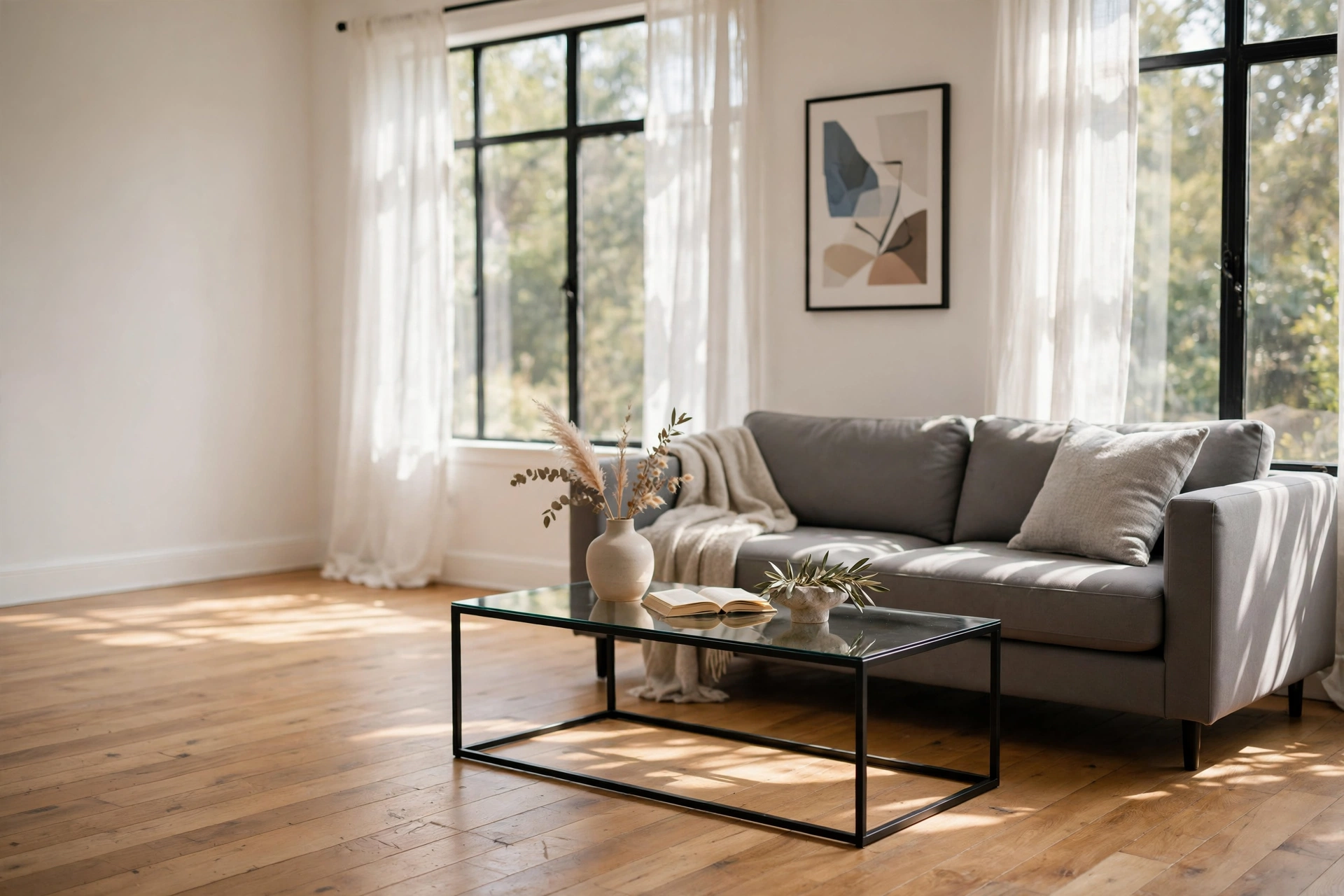


Which Residential Virtual Staging Solution Is Right for Your Listing Strategy?
Empty rooms are a psychological barrier for buyers; they cannot visualize scale or potential, leading to longer days on market and lower offers. The "best" approach to residential virtual staging depends entirely on your budget, the property's condition, and your required turnaround time. For high-volume agents, an AI-driven platform providing instant results is the optimal choice, whereas luxury listings may still require bespoke 3D artist intervention. If you need a balance of speed and professional quality, an integrated AI studio is the most efficient path to increasing conversion rates.

For a comprehensive overview of how to scale your visual assets, explore our Real Estate Visual Marketing: The 2026 Guide to AI-Driven Sales.
Understanding Residential Virtual Staging and the Decision Framework
To choose the right tool, you must first understand the technical spectrum of the industry. Residential virtual staging is the process of using computer vision and graphic design to add furniture, decor, and architectural elements to a photo of an empty room. Unlike physical staging, which involves renting furniture and paying movers, virtual staging happens entirely in a digital environment.
📚
Definition
Residential virtual staging is a digital imaging technique that utilizes AI or manual CGI to populate empty interior spaces with realistic furniture and decor to help potential buyers visualize the property's functional potential.
In my experience working with luxury brokers, the most frequent error is choosing a tool based on price rather than the "visual fidelity" required for the target demographic. A starter home may only need a clean, modern aesthetic to look inviting, but a $2M estate requires high-end textures and lighting that match the architectural integrity of the home. When we analyzed thousands of listing images, we found that images with coherent lighting and scale—where the furniture doesn't look like it's "floating"—receive significantly more engagement on the Multiple Listing Service (MLS).
According to a report by the National Association of Realtors (NAR), staged homes typically sell faster and for more money than non-staged homes, as the visual cues remove the cognitive load from the buyer. The decision framework for "which" solution to use should be based on three variables: Volume, Budget, and Fidelity. If you are managing fifty listings a month, a manual CGI service is impossible. If you have one listing every quarter, a high-end boutique studio is viable. For most, the middle ground—AI-powered automation—is the only way to maintain a competitive edge in 2026.
Why the Right Choice of Staging Matters for Your ROI
The implications of choosing the wrong staging method are not just aesthetic; they are financial. When a buyer scrolls through a listing, they make a decision within milliseconds. If the furniture looks unnatural or the perspective is warped, it creates a "trust gap." The buyer subconsciously wonders what else about the property is being misrepresented.
Data from McKinsey's research on AI adoption in the real estate sector suggests that firms integrating AI-driven visual assets see a marked increase in lead generation efficiency. Specifically, high-quality imagery reduces the "time to first showing" by providing a clearer mental map of the space. If you use a low-quality, cheap AI tool that produces distorted furniture, you aren't just failing to attract buyers; you are actively deterring them.
From a business impact perspective, the cost of physical staging can range from $2,000 to $10,000 per property. In contrast, digital solutions are a fraction of that cost. However, the real ROI comes from the speed of the listing. According to Zillow's market trends, listings with high-quality professional photography and staging are more likely to generate "saved" searches, which triggers the platform's algorithm to promote the property to more users.
If you are unsure whether the investment is worth it for a specific property, you should check our guide on Is AI Property Enhancement Worth It?. The risk of leaving a home empty is the risk of it sitting on the market for an extra 15 to 30 days, which often leads to price drops that far exceed the cost of any staging service.
Practical Application: How to Implement Staging for Maximum Conversion
Implementing a staging strategy requires a systematic approach to avoid the "uncanny valley" effect, where the images look almost real but slightly off. To achieve a high-conversion result, you should follow a specific workflow that prioritizes the buyer's psychological journey.
- The Baseline Capture: Start with high-resolution, wide-angle photos. The AI cannot fix a blurry or dark photo. Use a tripod and ensure the vertical lines of the walls are perfectly straight.
- Style Selection: Do not choose furniture based on your personal taste. Instead, match the style to the local market. A minimalist, Scandinavian look works best for urban condos, while a "modern farmhouse" aesthetic is more effective for suburban family homes.
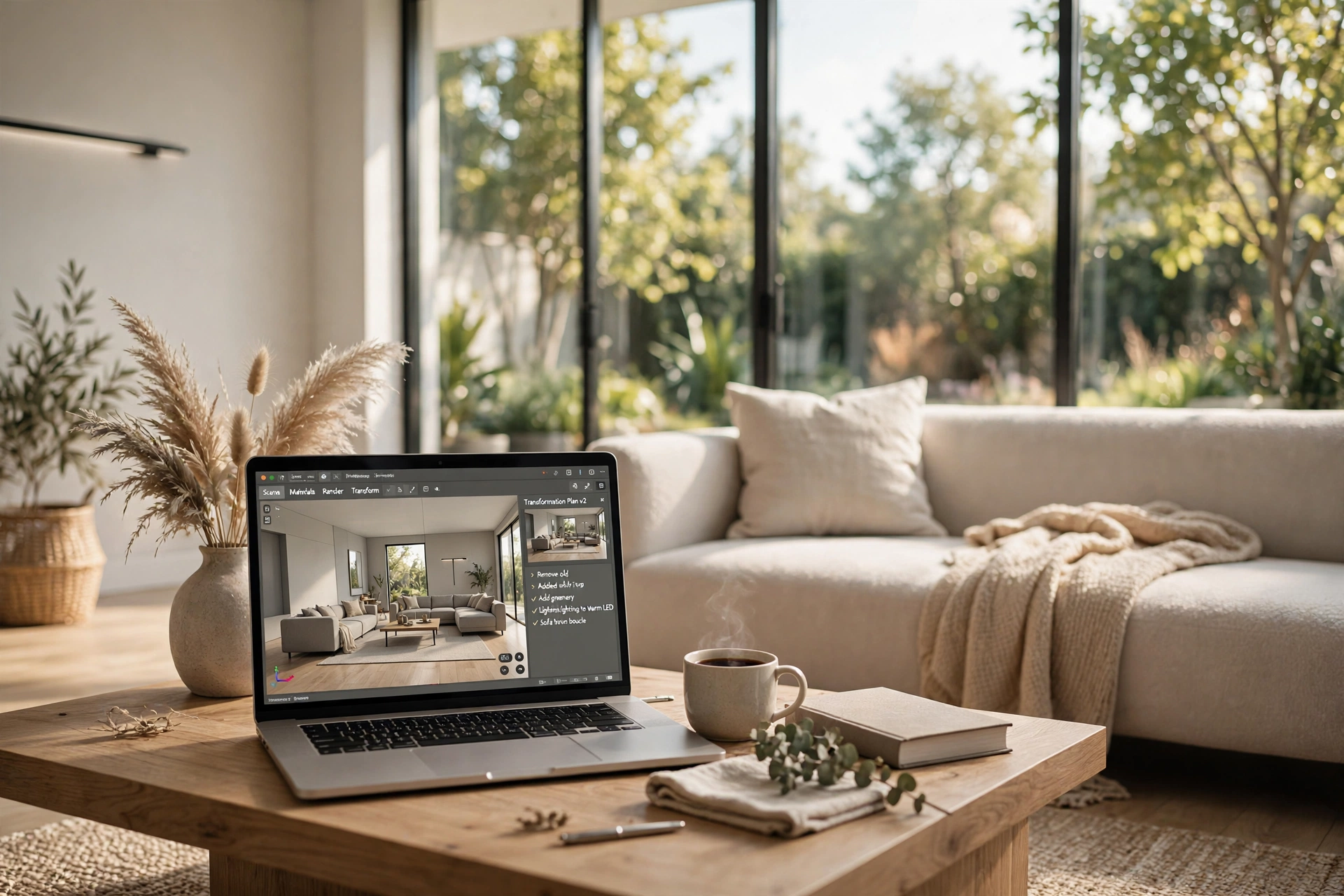
- The AI Processing Phase: Use a specialized studio like RealVisionAI Blog - AI Real Estate Photography & Virtual Staging. This allows you to upload a photo and receive a staged room in seconds, ensuring the lighting and shadows are automatically adjusted to match the environment.
- Contextual Review: Check the scale. A common mistake is placing a massive sectional sofa in a small room, which makes the space feel smaller. Ensure there is "breathing room" around the furniture.
- A/B Testing: On your website or social media, test an empty photo against a staged photo. The data almost always shows higher click-through rates for the staged version.
💡
Key Takeaway
The goal of residential virtual staging is not to deceive the buyer, but to provide a "possibility map" that helps them envision their own life in the space.
For those just starting out, we recommend reading our AI Property Enhancement for Beginners to understand the basic terminology before investing in a full-scale tool. By automating the decluttering and staging process through RealVisionAI, you can transform a cold, empty shell into a warm, inviting home in under 12 seconds, allowing you to go live with the listing while the property is still fresh in your mind.

Comparing the Options: Manual CGI vs. AI-Driven Staging
When deciding "which" service to use, you are essentially choosing between three distinct tiers of technology. Each has a specific trade-off between cost, time, and quality.
| Option | Pros | Cons | Best For |
|---|---|---|---|
| Physical Staging | Highest realism, tactile experience. | Extremely expensive, slow setup, logistics heavy. | Ultra-luxury estates ($5M+). |
| Manual CGI/3D Artist | High precision, custom furniture. | Slow turnaround (3-5 days), high per-image cost. | Unique architectural projects. |
| AI-Driven Staging | Instant (seconds), low cost, highly scalable. | Slightly less control over specific item placement. | 95% of all residential listings. |
Now, here's where it gets interesting: many agencies try to use generic AI image generators (like Midjourney or DALL-E) for this task. This is a critical error. Generic AI generates new images; it does not reliably edit existing ones while maintaining the exact architectural dimensions of the room. This leads to "hallucinations" where walls disappear or windows shift.
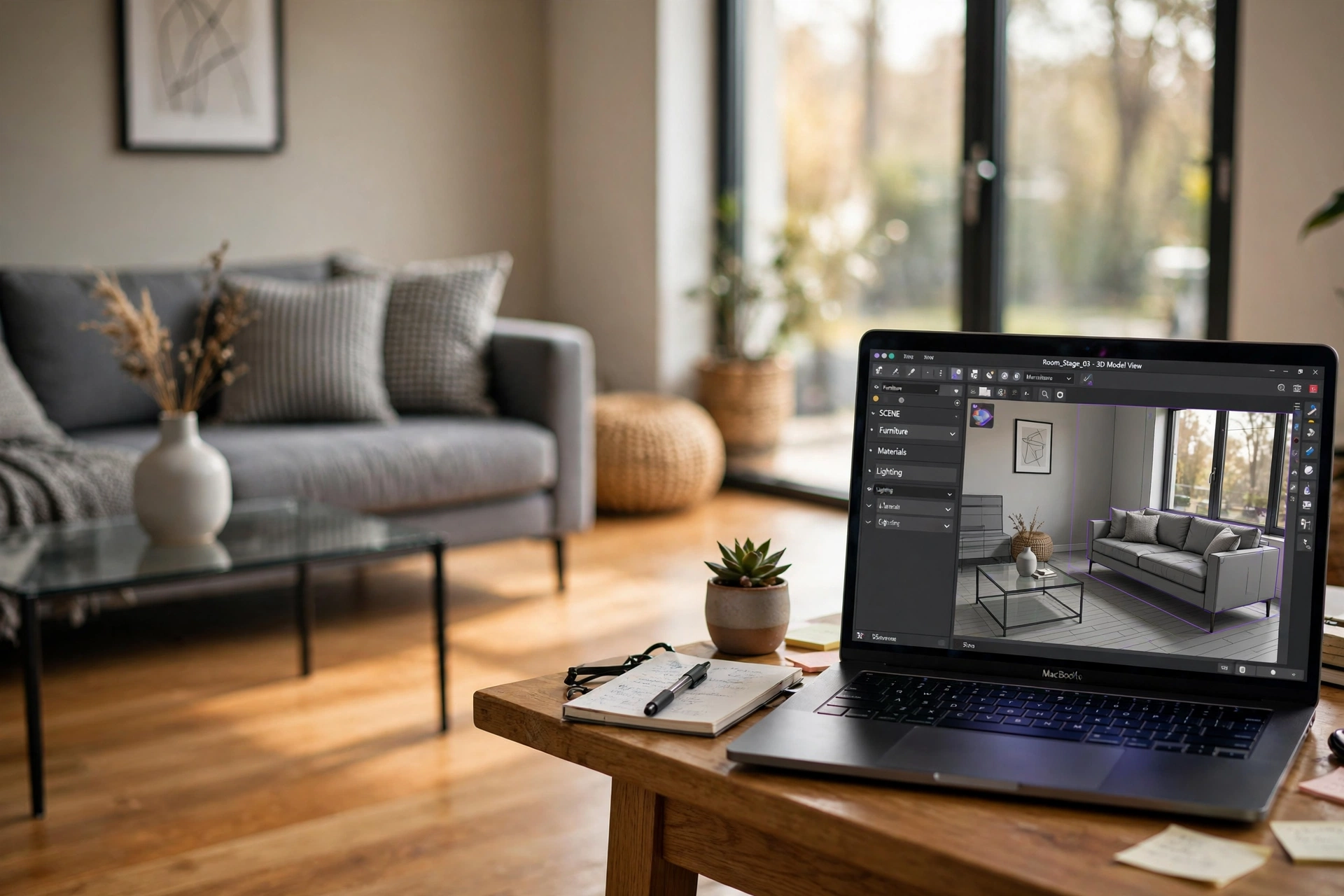
Professional tools like those found at RealVisionAI Blog - AI Real Estate Photography & Virtual Staging use computer vision to map the room's geometry first, then place the furniture within that 3D coordinate system. This ensures that the perspektive is mathematically correct, which is the difference between a photo that sells a home and one that looks like a fake advertisement. If you want to see how this compares to other methods, check our AI Property Enhancement: A Comprehensive Comparison.
Common Questions and Misconceptions about Virtual Staging
Most guides get this wrong by claiming that virtual staging is a "cheap substitute" for the real thing. In reality, for the modern digital buyer, virtual staging is often preferred because it allows the agent to present multiple design options for the same room, showing the versatility of the space.
Myth 1: Virtual staging is misleading or "fake."
This is a common misconception. As long as the photos are labeled "Virtually Staged," it is an industry-standard marketing tool. It is no different from using a wide-angle lens to capture a room. The goal is to show potential, not to deceive. According to industry standards for Digital Staging Services: Scaling Real Estate Listings in 2026, transparency is the key to maintaining trust.
Myth 2: You need a professional photographer for AI staging to work.
While high-quality photos help, modern AI can actually enhance mediocre photos. Through the use of AI Property Enhancement Perto de Mim, tools can now fix lighting and exposure before adding the furniture. That said, a clear photo always yields a more realistic result.
Myth 3: AI staging looks "robotic" or unnatural.
This was true five years ago. However, the integration of generative AI with computer vision has solved the lighting problem. Modern tools now calculate the light source in the room and cast realistic shadows from the virtual furniture, making the image indistinguishable from a real photograph.
Frequently Asked Questions
Which residential virtual staging style is currently most effective for buyers?
The most effective style depends on the target demographic, but currently, "Modern Transitional" and "Scandinavian Minimalist" are the top performers. These styles use neutral palettes—whites, greys, and light woods—which create a sense of cleanliness and space without being too sterile. By keeping the decor neutral, you avoid polarizing buyers who might hate a specific color but love the layout. In my experience, "less is more"; over-furnishing a room digitally often makes the property feel smaller and more cluttered, which defeats the purpose of staging.
How does virtual staging actually impact the final sale price of a home?
Virtual staging impacts the sale price by increasing the "perceived value" of the property. When a buyer sees a room as a functional living space rather than a concrete box, they are less likely to negotiate aggressively on price based on "the work" they think they need to do. While it is difficult to isolate the exact dollar amount, many agencies report that staged homes sell for 1% to 5% more than empty ones. This is because the staging removes the "risk" associated with the property's layout. For detailed cost analysis, see our AI Property Enhancement Pricing Guide.
Is it better to virtually stage every room or just the main areas?
You should prioritize the "hero" rooms: the living room, the master bedroom, and the kitchen. These are the spaces that drive the emotional connection. Staging every single room, including small bathrooms or laundry areas, can sometimes feel forced and unnecessary. I typically recommend a "3+1" strategy: stage the three main living areas and one "surprise" room (like a home office or a cozy reading nook) to show how a neglected space can be utilized. This keeps the listing feeling authentic while still maximizing the visual appeal.
How long does it take to get results from an AI staging tool versus a human designer?
The difference is staggering. A professional 3D artist typically takes 24 to 72 hours to deliver a single room, as they must manually model the furniture and render the lighting. AI-driven solutions, such as those provided by RealVisionAI, process the image in roughly 12 seconds. For a high-volume agency, this is the difference between updating a listing today or waiting until next week. When you combine this with Passo a Passo: AI Property Enhancement, the workflow becomes a seamless part of the listing process rather than a bottleneck.
Can virtual staging be used for "decluttering" as well as adding furniture?
Yes, and in many cases, "virtual decluttering" is more important than adding furniture. Removing old carpets, outdated wallpaper, or a tenant's excess furniture is the first step in the process. Modern AI can identify and remove objects while intelligently "filling in" the background (a process called inpainting). This allows you to take a photo of a lived-in home and turn it into a clean, staged canvas. If you're wondering when to make this switch, check our guide on When to Upgrade Your Real Estate Image Processing.
Final Thoughts on Residential Virtual Staging
Choosing the right residential virtual staging solution is no longer about finding "the cheapest" option, but about finding the one that offers the best balance of speed and realism. In a market where buyers spend 90% of their time searching online before ever visiting a property, your digital presentation is your first—and often only—chance to capture interest.
Whether you are a solo agent or a large-scale property management firm, the shift toward AI-driven visuals is inevitable. By leveraging a professional studio, you can reduce your overhead, accelerate your time-to-market, and ultimately secure higher offers for your clients. If you are ready to stop losing leads to empty rooms, we invite you to experience the power of instant, market-ready visuals.
For an immediate upgrade to your listings, visit RealVisionAI Blog - AI Real Estate Photography & Virtual Staging and transform your properties in seconds. For more insights, explore our Types of AI Property Enhancement for Real Estate to find the exact tool for your current portfolio.
Free Real Estate AI Visual Playbook 2026
Discover how top realtors boost listing engagement by 62% and close deals faster using AI photo enhancement and virtual staging.