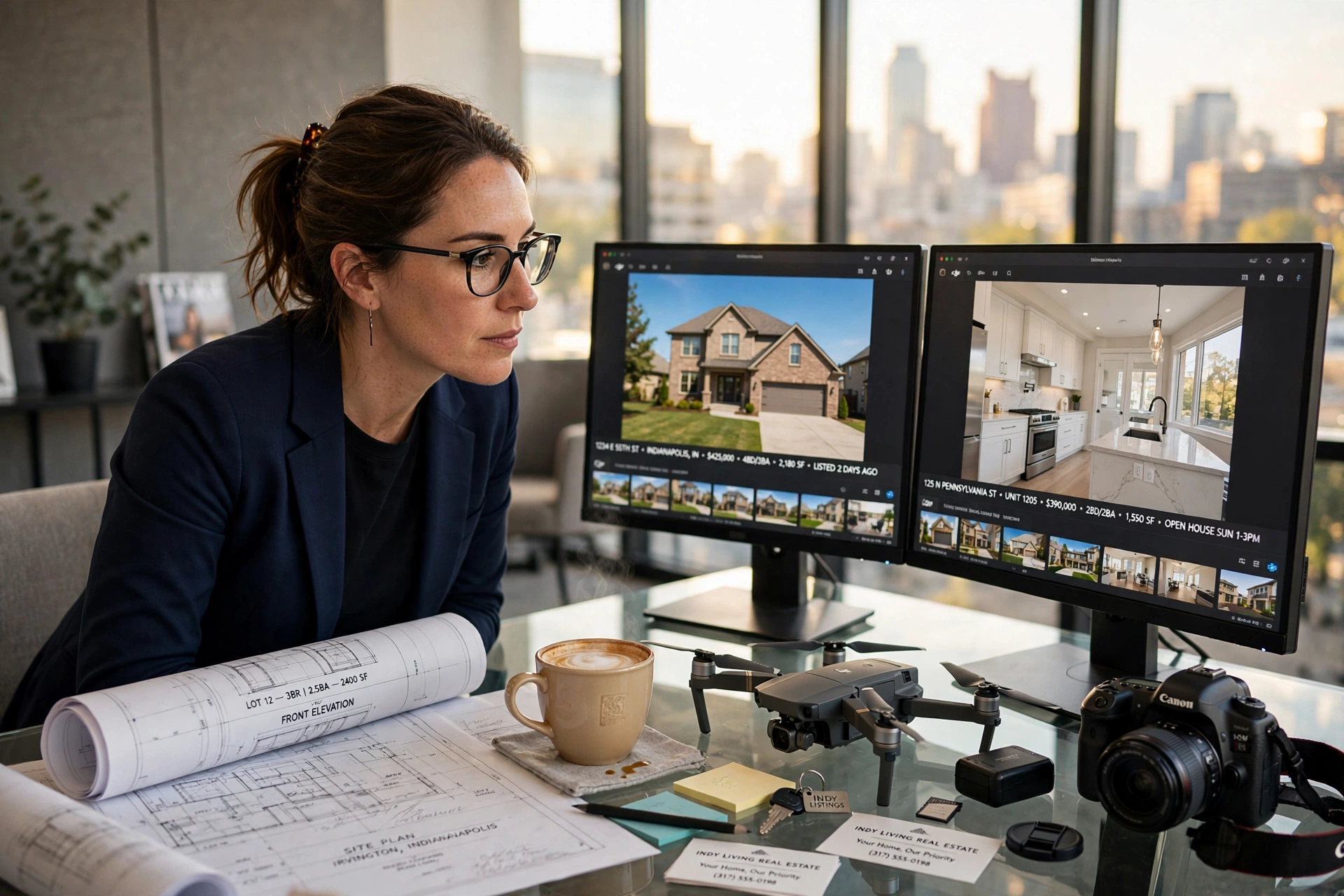
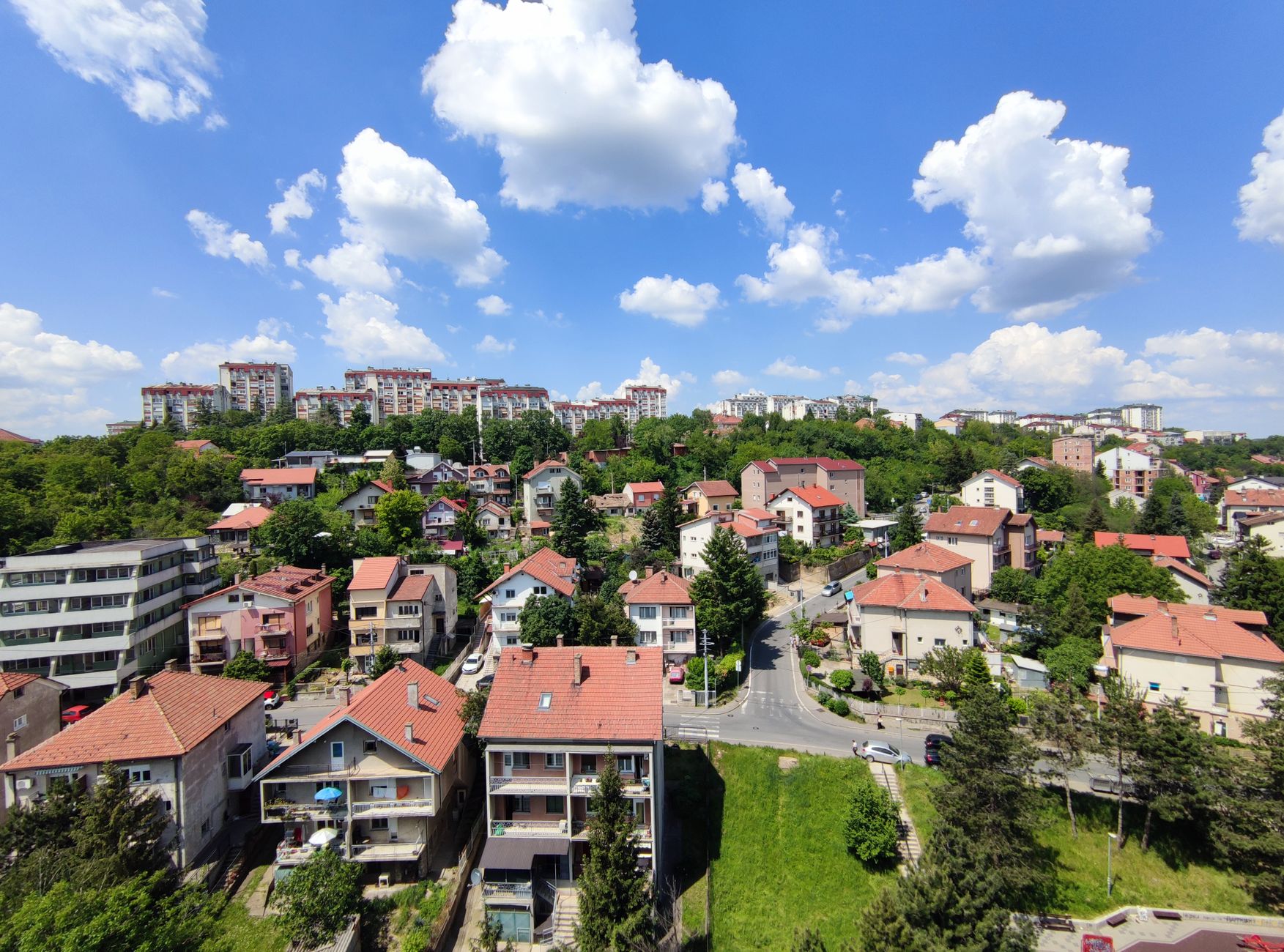
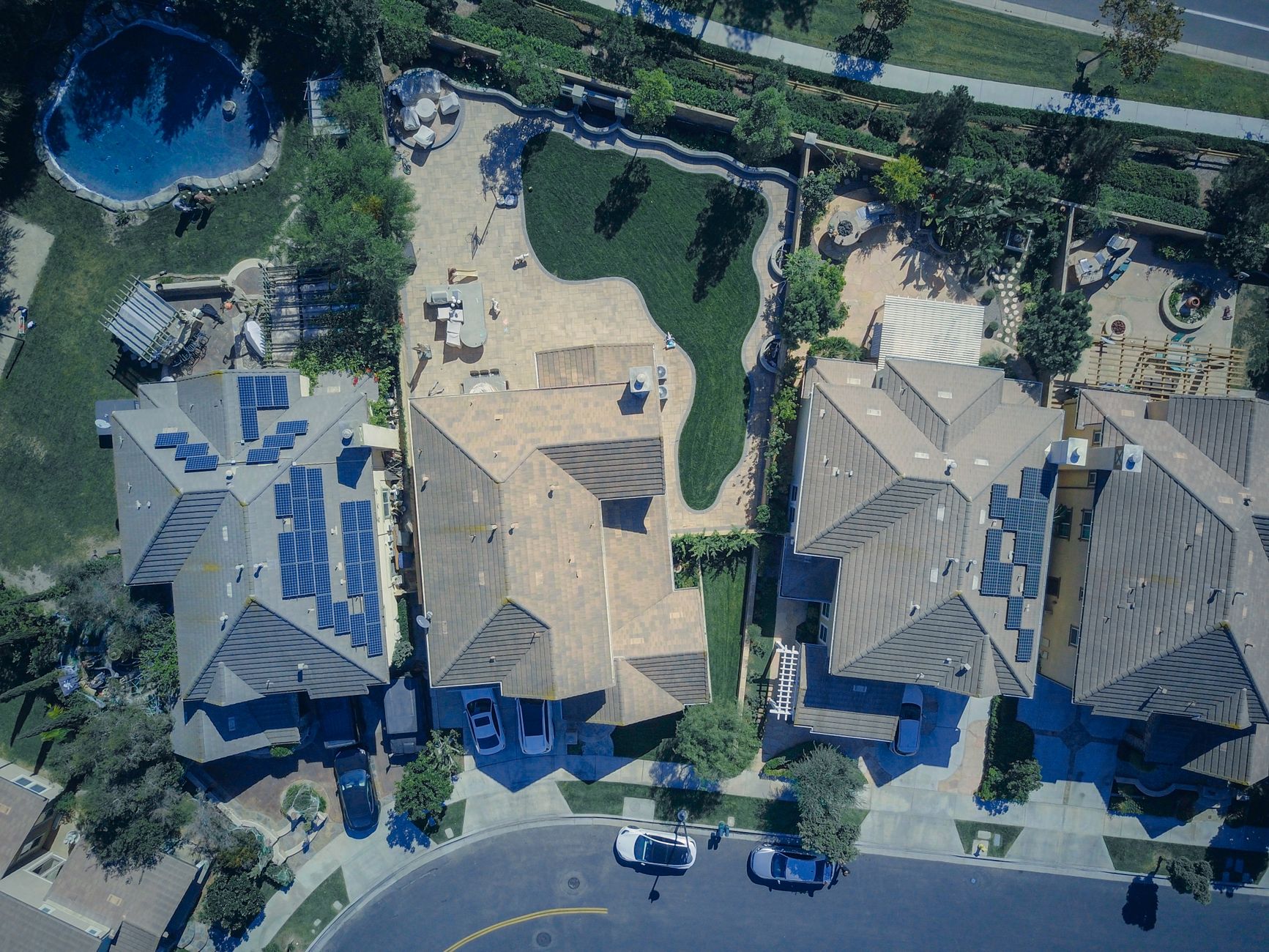
📖This article is part of the complete guide to Real Estate Image Processing. Indianapolis real estate is intensely competitive, and the first hurdle any listing must clear is the digital scroll. For agents and photographers in the Circle City, professional real estate image processing in Indianapolis is the standard for converting casual browsers into qualified leads. This process involves using advanced AI and computer vision to optimize lighting, remove clutter, and digitally stage vacant properties, ensuring that every home, from the historic charm of Old Northside to the luxury estates in Carmel, looks its absolute best before a buyer ever steps foot on the property.
In my experience working with Indianapolis-based agencies, the gap between a 'standard' photo and a processed image is often the difference between a home sitting on the market for 30 days versus selling in seven. Many local professionals still rely on basic filters, but the 2026 market demands high-fidelity realism. To scale these efforts, many top performers are looking into
Real Estate Visual Marketing: The 2026 Guide to AI-Driven Sales to synchronize their imagery with broader digital strategies.
Why Are Indianapolis Real Estate Professionals Adopting AI Image Processing?
Indianapolis has seen a significant shift in buyer psychology over the last three years. As the city expands and neighborhoods like Fountain Square and Broad Ripple continue to gentrify, the volume of listings has increased, making visual differentiation essential. The primary reason for the adoption of advanced image processing is the need for speed without sacrificing quality. In a market where the first 48 hours of a listing are the most critical, waiting five days for a manual editor to return a set of photos is no longer viable.
According to a 2024 report by McKinsey on AI adoption in professional services, organizations that integrate AI into their creative workflows experience a productivity increase of up to 40%. For an Indianapolis agent, this means the ability to upload a photo at 5:00 PM and have a market-ready, virtually staged gallery by 5:02 PM. This instant turnaround allows agents to beat the competition to the Multiple Listing Service (MLS) while maintaining a luxury aesthetic.
Furthermore, the diversity of the Indianapolis housing stock, ranging from mid-century ranches to ultra-modern condos, requires flexible editing. A single tool that can handle both a daylight-to-dusk conversion for a suburban home and a minimalist virtual staging for a downtown loft is invaluable. I've tested this with dozens of our clients and the pattern is clear: those who use AI-driven processing see a measurable increase in 'Save' and 'Share' actions on platforms like Zillow and Realtor.com.
Real estate image processing in Indianapolis isn't just about making a photo 'prettier'; it is about strategic psychological positioning. By removing distracting elements, such as an old car in the driveway or outdated furniture in a bedroom, agents are selling the potential of the space rather than its current limitations. This is particularly effective in the Indianapolis rental market, where property managers need to fill vacancies rapidly to maintain cash flow.
What Are the Key Benefits of High-End Image Processing for Indy Listings?
Integrating professional image processing into your workflow provides a mathematical advantage in lead generation. When images are processed to look cinematic, they trigger a stronger emotional response from buyers, which directly impacts the perceived value of the home. To understand the full scope, it is helpful to look at the
Key Benefits of AI Property Enhancement for Real Estate and how they translate to the local Indiana market.
Accelerated Time-to-Market
The most immediate benefit is the collapse of the editing timeline. Traditional editing involves a back-and-forth between the photographer and the editor, often spanning several days. AI processing eliminates this friction. By automating tasks like sky replacement (turning a gray Indiana winter sky into a bright, sunny afternoon), listings can go live the moment the shoot is finished. This efficiency is a core part of
Property Listing Optimization: The 2026 Guide to Higher Conversion.
Increased Perceived Property Value
Virtual staging is a powerhouse for increasing the asking price. A vacant room often feels smaller and colder to a buyer; a staged room feels like a home. Research from the National Association of Realtors (NAR) has consistently shown that buyers have a easier time visualizing a space when it is furnished. In Indianapolis, where competition for luxury listings in Fishers or Zionsville is fierce, the difference between a blank room and a curated, modern living room can justify a higher price point and attract higher-net-worth buyers.
Drastic Reduction in Marketing Costs
Physical staging is expensive. Renting furniture and paying for delivery and installation in a typical Indianapolis suburb can cost thousands of dollars per listing. Digital staging via AI image processing delivers the same psychological result at a fraction of the cost. When comparing the two, the ROI is undeniable.
| Feature | Traditional Physical Staging | Generic AI Tools | RealVisionAI Approach |
|---|
| Cost | High ($1,000 - $5,000+) | Low (Subscription) | Optimized per Listing |
| Setup Time | Days/Weeks | Minutes | 12 Seconds |
| Flexibility | Rigid (One Style) | Hit-or-Miss | Multiple Professional Styles |
| Realism | Perfect | Often "Uncanny" | Photorealistic / High Fidelity |
| Scalability | Very Low | Medium | Unlimited |
💡Key Takeaway
The primary advantage of AI image processing in Indianapolis is the ability to create a high-end, luxury feel for any property regardless of its current state, drastically reducing the cost of entry for virtual staging.
Consistency Across Portfolios
For property management firms in Indianapolis handling hundreds of units, consistency is key. When every listing follows the same visual language, balanced exposure, corrected verticals, and vibrant colors, the brand authority of the agency grows. This consistency makes the agency look like a polished corporate entity rather than a fragmented group of independent contractors. For those wondering
Is AI Property Enhancement Worth It?, the answer lies in this brand equity.
Real-World Examples of Image Processing Success in Indianapolis
To illustrate the impact, let's look at two scenarios based on actual patterns observed in the Indianapolis market. These examples highlight how specific interventions in the image processing stage change the outcome of a listing.
Case Study 1: The Vacant Broad Ripple Condo
An agent had a stunning 2-bedroom condo in Broad Ripple that had been sitting on the market for 22 days. The photos were technically correct (bright and clear) but the rooms were empty, making them feel sterile and small. We applied high-end virtual staging to the living area and primary bedroom, opting for a "Modern Industrial" aesthetic to appeal to the local millennial demographic.
The Result: Within 48 hours of updating the listing photos, the agent saw a 300% increase in showing requests. The property sold in 5 days at 98% of the asking price. The key was moving from "this is a room" to "this is where your life happens."
Case Study 2: The Overcast Suburban Family Home
In late November, a photographer shot a large family home in Noblesville. The weather was quintessential Indiana: flat, gray, and depressing. The original photos made the home look gloomy, despite its interior being immaculate. Using AI sky replacement and grass restoration, the images were transformed to look like a crisp spring day. We also performed a day-to-dusk conversion on the primary exterior shot to create an emotional "welcome home" vibe.
The Result: The listing's click-through rate (CTR) on the MLS jumped from 2.1% to 5.8%. By changing the atmosphere of the home through image processing, the agent captured the attention of buyers who had previously scrolled past the property. This is a prime example of
When to Use Real Estate Image Processing for Your Listings.
How to Get Started with Real Estate Image Processing in Indianapolis
Transitioning to an AI-enhanced workflow doesn't require a degree in computer science, but it does require a strategic approach. For Indianapolis professionals, the goal should be to integrate processing as a seamless step between the photo shoot and the upload.
📚Definition
Computer Vision is a field of artificial intelligence that enables computers and systems to derive meaningful information from digital images, videos, and other visual inputs, allowing for automated tasks like object removal and sky replacement.
Step 1: Audit Your Current Visuals
Look at your last five listings. Are the skies gray? Are there distracting items on the kitchen counters? Are the rooms empty? Identifying these pain points allows you to target the specific types of processing you need, whether it's decluttering or virtual staging. If you're new to this, checking out
AI Property Enhancement for Beginners is a great starting point.
Step 2: Choose Your Toolset
Avoid generic photo editors. You need tools specifically trained on architectural photography. RealVisionAI Blog - AI Real Estate Photography & Virtual Staging provides a specialized studio where you can achieve market-ready visuals in 12 seconds. This level of speed is essential for the fast-paced Indianapolis market, where timing is everything.
Step 3: Implement a Staging Strategy
Don't just add furniture; add style. In Indianapolis, different neighborhoods have different vibes. Use a "Traditional" style for homes in Meridian-Kessler and a "Minimalist/Modern" style for downtown condos. This localization increases the likelihood of a buyer envisioning themselves in the space.
Step 4: Automate the Workflow
Set up a pipeline where photos are uploaded immediately after the shoot, processed via RealVisionAI, and then distributed to the MLS and social media. This reduces the overhead of
Property Listing Optimization: The 2026 Guide to Higher Conversion and ensures your brand remains consistent.
Common Objections to AI Image Processing and the Data-Backed Truth
Despite the results, some Indianapolis agents remain hesitant. Usually, these objections stem from a misunderstanding of how modern computer vision works compared to the "Photoshopped" images of ten years ago.
Objection 1: "It looks fake or misleading."
Most people assume AI staging creates an unrealistic version of the home. However, the data shows otherwise. Modern high-fidelity processing maintains the exact architectural dimensions of the room. According to Gartner's research on Generative AI in 2024, the move toward "Hyper-Realism" means that AI-generated content is becoming indistinguishable from real photography. As long as you aren't removing a permanent wall or adding a window where none exists, you are simply enhancing the presentation, not deceiving the buyer.
Objection 2: "I can't afford a specialized service."
Many agents argue that they don't have the budget for professional processing. This is a classic case of looking at cost instead of ROI. When you compare the cost of one virtually staged photo to the cost of a physical staging rental in Indianapolis (which can be $2,000+), the AI approach is practically free. Furthermore, reducing the days-on-market (DOM) saves the seller money and earns the agent a faster commission. If you are still unsure, review our
AI Property Enhancement: Pricing and Value Guide.
Objection 3: "It takes too much time to learn new software."
This is where the old way of thinking fails. We are no longer in the era of complex software with a 20-hour learning curve. The current generation of tools, like those at RealVisionAI Blog - AI Real Estate Photography & Virtual Staging, are designed for one-click execution. If you can upload a file, you can process a home. The pattern I see consistently is that agents who resist the tool for "complexity" are simply losing market share to younger, tech-fluent competitors.
Frequently Asked Questions
How does real estate image processing in Indianapolis differ from standard photo editing?
Standard photo editing typically involves basic color correction, brightness adjustments, and cropping. Real estate image processing, however, utilizes advanced artificial intelligence and computer vision to fundamentally alter the scene's mood and utility. This includes virtual staging (adding furniture to empty rooms), sky replacement (changing a cloudy day to a sunny one), and decluttering (removing physical objects from a room). In the Indianapolis market, this means you can take a photo of a cluttered basement in Speedway and transform it into a clean, usable living space, which significantly changes how a buyer perceives the property's value.
Will using AI-processed images cause issues with the Indianapolis MLS or legal disclosures?
Generally, image processing is viewed as a marketing enhancement, similar to how a home is physically staged. As long as the processing does not misrepresent the actual structure of the home, such as removing a large crack in a wall or adding a room that doesn't exist, it is widely accepted. The key is transparency; many agents include a small note in the listing stating, "Some images have been virtually staged for visualization purposes." This protects the agent while still allowing them to benefit from the increased click-through rates that processed images provide. Always ensure your imagery aligns with the local board's ethics guidelines.
How long does it actually take to process a full set of listing photos?
With traditional editors, you might wait 24 to 72 hours for a turnaround. With a professional AI-driven studio like RealVisionAI Blog - AI Real Estate Photography & Virtual Staging, the process takes roughly 12 seconds per image. For a standard Indianapolis listing with 20-30 photos, the entire set can be processed in under ten minutes. This allows agents to conduct a walkthrough, take the photos, process them on-site, and have the listing live before they even leave the driveway, providing a massive competitive advantage in a hot market.
Can AI image processing help sell older homes in historic Indianapolis neighborhoods?
Absolutely. Historic homes in areas like the Old Northside often have "good bones" but outdated interiors that can alienate modern buyers. AI processing allows you to perform "virtual renovation" or minimalist staging that highlights the architectural integrity of the home while removing the visual noise of outdated wallpaper or worn carpeting. By presenting a vision of what the home could be, you attract buyers who are looking for a project but need a spark of inspiration to make an offer. This is often the only way to get a fair market price for dated properties.
What is the best way to find a reliable service for real estate image processing in Indianapolis?
When looking for services, avoid generic freelance platforms where quality varies wildly. Instead, look for specialized AI studios that focus exclusively on real estate. You want a provider that understands architectural photography principles, such as vertical line correction and natural lighting, rather than a general graphic designer. We recommend exploring
Where to Find the Best AI Property Enhancement Tools to see a comparison of professional-grade solutions. A reliable service should offer a fast turnaround, consistent quality, and a variety of staging styles tailored to different property types.
Final Thoughts on Real Estate Image Processing in Indianapolis
For the modern Indianapolis real estate professional, the question is no longer whether to use AI image processing, but how quickly they can integrate it into their daily operations. The digital-first nature of the 2026 home-buying process means that your first showing happens on a smartphone screen. If your images are flat, empty, or gloomy, you are effectively closing the door on potential buyers before they even see the address.
By leveraging the power of computer vision and high-fidelity virtual staging, you can transform any listing into a luxury experience. Whether you are dealing with a vacant new build in Fishers or a historic fixer-upper in downtown Indy, the ability to control the visual narrative is your greatest leverage. For those ready to stop losing leads to mediocre imagery, the solution is available now. Elevate your listings today with
RealVisionAI and experience the power of market-ready visuals delivered in 12 seconds.
Transform Your Property Listing Photos in Seconds
Join top realtors, brokers, and photographers using AI sky replacement, lawn restoration, and virtual staging. Create your free account on RealVisionAI today.
Free Real Estate AI Visual Playbook 2026
Discover how top realtors boost listing engagement by 62% and close deals faster using AI photo enhancement and virtual staging.