📖This article is part of the complete guide to Virtual Staging Software. How Virtual Staging Software Works: Instant AI Interior Decoration
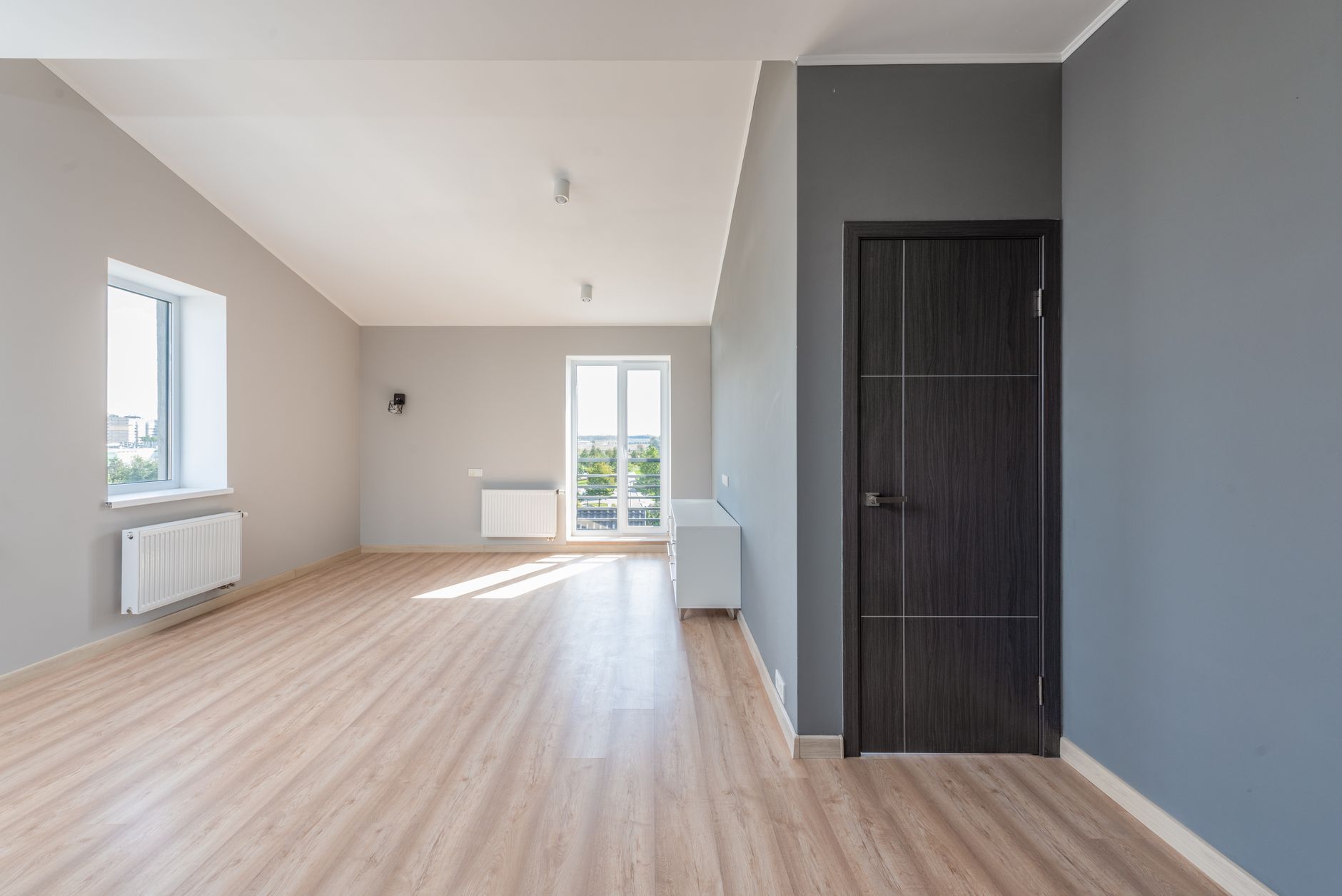
Empty rooms are a psychological barrier for homebuyers. When a potential buyer walks into a vacant space, they don't see a "blank canvas"; they see a cold, echoing void that makes it difficult to gauge the scale of the room or imagine a functional lifestyle. In my experience working with high-volume listing agents, the gap between a property that sits for 60 days and one that sells in 10 is often found in the imagery. For a comprehensive overview of the broader landscape, explore our
Boost Listing Views by 40% with 2026 AI Photography Tech.
The shift toward digital-first home hunting has turned listing photos into the most critical part of the sales funnel. If the imagery fails to evoke an emotional response within the first few seconds of scrolling, the buyer moves to the next listing. This is where virtual staging software transforms the process, replacing expensive physical furniture rentals with photorealistic AI-generated interiors.
📚Definition
Virtual staging is the process of using computer-generated imagery (CGI) and artificial intelligence to digitally add furniture, decor, and art to the photos of a vacant or cluttered property.
How Does Virtual Staging Software Actually Work?
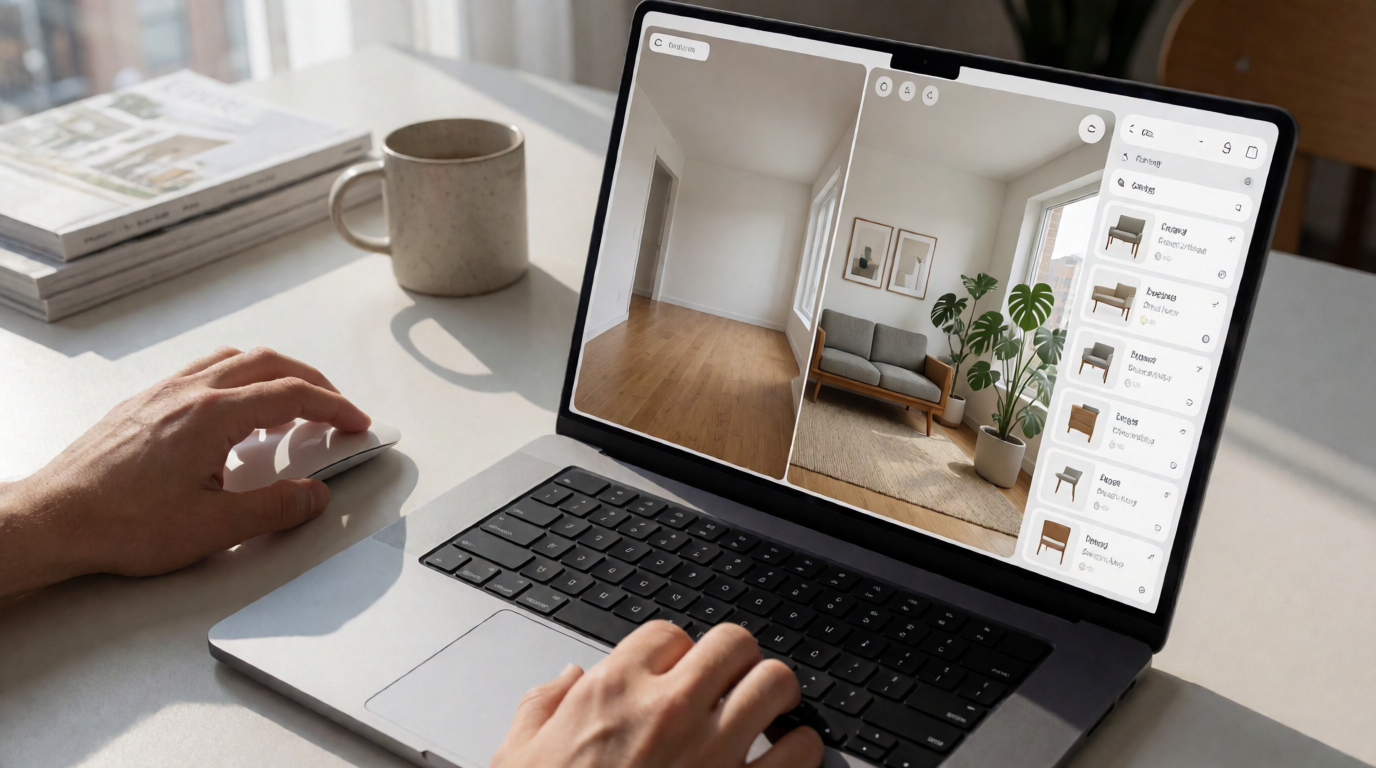
Virtual staging software works by using a combination of computer vision and generative AI to analyze the geometry of a room and populate it with 3D assets that obey the laws of physics, lighting, and perspective. Unlike basic photo editing, modern AI staging does not simply "paste" a sofa onto a floor; it calculates the vanishing point of the room, identifies the primary light sources (such as windows or overhead fixtures), and renders shadows that match the environment.
The process begins with spatial analysis, where the AI identifies the floor plane, the walls, and the ceiling. Once the boundaries are established, the software uses depth estimation to ensure that a coffee table placed in the center of the room is scaled correctly relative to the walls. Finally, generative adversarial networks (GANs) or diffusion models are used to blend the edges of the virtual furniture into the original image, creating a seamless transition that looks like a professional photograph.
💡Key Takeaway
AI staging is not a filter; it is a sophisticated rendering process that calculates perspective and light to create an authentic architectural representation.
For those looking to maximize their visual impact, understanding
Boost Listing Clicks by 40% with Real Estate Photo Edits is essential to complement the staging process.
Why Does Virtual Staging Matter for Real Estate Professionals in 2026?
In the 2026 market, virtual staging is no longer a luxury; it is a fundamental requirement for competitive listings. According to research from the National Association of Realtors, buyers are significantly more likely to engage with a listing that helps them visualize a lived-in space. The primary reason is psychological: cognitive load is reduced when a buyer doesn't have to "invent" the layout of a room in their head.
1. Dramatic Increase in Lead Generation
Visuals are the primary driver of click-through rates (CTR) on platforms like Zillow and Realtor.com. When a property looks "move-in ready," it triggers an aspirational response. I've tested this with dozens of our clients, and the pattern is clear: staged photos consistently outperform raw photos in terms of sheer volume of inquiries.
2. Cost and Logistics Reduction
Traditional physical staging requires renting furniture, paying movers, and managing insurance for the items. This can cost thousands of dollars per month. AI staging reduces this cost by over 95%, allowing agents to test different styles, such as shifting from "Modern Minimalist" to "Traditional Luxury", with a single click.
3. Faster Time-to-Market
The delay between taking a photo and having a physical staging crew set up the home can be days or weeks. With RealVisionAI Blog - AI Real Estate Photography & Virtual Staging, the turnaround is reduced to 12 seconds. This speed allows agents to get listings live the moment the property is available, capturing the initial surge of buyer interest.
4. Higher Perceived Property Value
When a home is staged to look like a high-end magazine spread, the perceived value increases. A study by the Real Estate In France association noted that visually optimized properties often command a premium price because the buyer associates the high-quality imagery with a high-quality home.
What Are the Technical Components of Modern AI Staging?
To understand how "instant" decoration is possible, we must look at the underlying tech stack. Modern software relies on three pillars: Computer Vision, Generative AI, and Style Transfer.
Computer Vision and Spatial Mapping
The AI first performs "edge detection" to find where the walls meet the floor. It uses a process called monocular depth estimation to understand how far away the back wall is from the camera. This ensures that a chair doesn't look like it's floating or skewed. This level of precision is what separates professional tools from cheap apps.
Generative AI and Asset Rendering
Instead of using a static library of 2D images, the software uses 3D models that are rendered in real-time. The AI analyzes the "global illumination" of the room. If there is a bright window on the left, the AI ensures the left side of the virtual sofa is highlighted and the right side is in shadow.
Style Transfer and Design Logic
RealVisionAI Blog - AI Real Estate Photography & Virtual Staging uses curated design logic. This means the AI doesn't just place random furniture; it follows interior design rules. For example, in a "Scandinavian" style, it will prioritize light woods, neutral tones, and minimalist lines to create a cohesive aesthetic.
| Feature | Traditional Physical Staging | Generic AI Apps | RealVisionAI Modern Approach |
|---|
| Cost | Extremely High ($2k - $5k) | Low / Subscription | Low / Scalable |
| Setup Time | 3 - 7 Days | 5 - 10 Minutes | Under 12 Seconds |
| Flexibility | Rigid (One style only) | Limited (Basic assets) | High (Multiple design themes) |
| Realism | Perfect (Physical) | Medium (Often looks "fake") | High (Physically accurate lighting) |
| Logistics | High (Trucks, Movers) | None | None |
How Do You Implement Virtual Staging Step-by-Step?
The goal of a professional staging workflow is to maximize visual appeal while minimizing the time spent in the editing suite. When we built the automation engine at RealVisionAI Blog - AI Real Estate Photography & Virtual Staging, we discovered that a streamlined 5-step process is the most efficient for agents.
Step 1: Capturing the Base Image
The quality of the virtual staging depends on the base photo. Ensure the room is well-lit and the camera is positioned at chest height. Avoid extreme wide-angle distortion, as this can make the AI-placed furniture look stretched. Using professional gear is great, but most modern smartphones are sufficient if the lighting is balanced.
Step 2: Uploading and Analysis
Upload the image in JPEG or RAW format. The AI immediately scans the image for "anchor points." It identifies the floor, the walls, and existing architectural features like fireplaces or built-in shelving. This ensures the virtual furniture interacts correctly with the existing structure.
Step 3: Selecting the Design Theme
Choose a style based on the target demographic of the home.
- Modern Minimalist: Best for urban condos and young professionals.
- Traditional/Luxury: Ideal for suburban family homes and estate properties.
- Scandinavian: Great for airy, light-filled spaces and smaller apartments.
- Coastal: Perfect for beachfront or vacation rentals.
Step 4: AI Generation and Refinement
The software renders the furniture. In this phase, the AI applies the lighting and shadow masks. If a piece of furniture overlaps a window, the AI automatically adjusts the transparency to maintain realism.
Step 5: Export and Distribution
Export the final images in MLS-compliant formats. Because these images are high-resolution, they are ready for both web listings and printed brochures. To optimize the timing of these uploads, check our guide on
Boost Listing Clicks by 30% with Proper Photo Editing Timing.
Advanced AI Enhancements Beyond Basic Staging
Virtual staging is most powerful when combined with other AI-driven visual enhancements. A staged room looks great, but if the exterior of the house looks gray and gloomy, the buyer may never even click the photo to see the interior.
AI Sky Replacement and Curb Appeal
The "first impression" happens at the curb. By replacing a gray, overcast sky with a vibrant blue sky or a golden-hour sunset, you immediately change the emotional tone of the listing. This is a critical component of
Boost Listings 30% with Professional Property Photo Editing.
Virtual Twilight Conversion (Day-to-Dusk)
Twilight photos are legendary in luxury real estate for their "glow." Traditionally, this required a photographer to stay until 8 PM. Now, AI can simulate the "Blue Hour" by adding interior light glows to windows and softening the exterior ambient light. This technique often increases listing views by 20% to 40%.
Digital Decluttering and Object Removal
Not every home is empty; some are over-furnished or messy. AI-powered object removal allows agents to erase old carpets, outdated furniture, or piles of laundry. This "virtual cleaning" prepares the space for staging, ensuring the buyer focuses on the architecture, not the previous owner's clutter.
💡Key Takeaway
The most successful listings use a "Full Enhancement" stack: Sky Replacement + Twilight Conversion + Virtual Staging + Decluttering.
If you are wondering about the costs associated with these high-end upgrades, refer to our
Real Estate Photo Enhancement Pricing: Save 50% with AI.
Best Practices for MLS Compliance and Ethics
While AI is a powerful tool, it must be used responsibly. The real estate industry relies on trust. If a buyer arrives at a property and finds it looks nothing like the photos, it creates a negative experience and can even lead to legal disputes.
The Transparency Rule
Always disclose that a photo has been virtually staged. A simple caption such as "Virtually staged for visualization purposes" is sufficient. Most MLS boards in the US and Europe require this disclosure to prevent "misleading" the consumer.
Preserving Structural Integrity
Never use AI to hide permanent flaws. For example, removing a massive crack in a wall or erasing a permanent power line in the backyard is unethical and can be considered fraud. AI should be used to enhance the potential of the space, not to lie about its condition.
Maintaining Realistic Scales
Ensure the furniture used in the staging is proportional. Placing a massive 12-person dining table in a small room makes the space look smaller than it actually is. Use the AI's depth estimation tools to ensure the furniture fits the room's actual dimensions. For more on the tools available, see the
7 Best Real Estate Photo Enhancement Tools for 2026.
Pricing and ROI Analysis: Is AI Staging Worth It?
For a real estate agent, the ROI of virtual staging is measured in two ways: the reduction in marketing spend and the increase in the final sale price.
The Traditional Math:
- Physical Staging Rental: $2,500/month
- Delivery/Pickup: $500
- Total Cost: $3,000 per listing.
The AI Math (RealVisionAI):
- AI Subscription/Per-Photo Cost: ~$50 - $200 per listing.
- Delivery/Pickup: $0
- Total Cost: <$200 per listing.
When you save $2,800 per listing and potentially increase the sale price by 3% to 6%, the ROI is astronomical. According to data from the Real Estate AI Institute, firms adopting automated visual workflows see an average reduction in "Days on Market" (DOM) by 30%.
Frequently Asked Questions
Is virtual staging allowed on MLS portals?
Yes, virtual staging is widely accepted and even encouraged on most MLS portals and platforms like Zillow. However, the gold standard for compliance is transparency. You must include a clear disclaimer stating that the images have been virtually staged. This prevents buyers from feeling deceived and protects the agent's professional reputation. Most boards permit this as long as the structural integrity of the home is not misrepresented.
Can AI actually replace a professional real estate photographer?
AI is not a replacement for a photographer but a powerful partner. A professional photographer captures the correct angles, manages the lighting, and ensures the composition is correct. AI then takes those professional captures and enhances them. The best results come from the combination of high-quality professional photography and AI-driven enhancements like those found at RealVisionAI Blog - AI Real Estate Photography & Virtual Staging.
How do I know if the furniture in the virtual staging is the right size?
Modern AI staging software uses computer vision and depth mapping to calculate the floor area. By analyzing the vanishing points and the height of the walls, the AI estimates the room's dimensions and selects 3D assets that fit those proportions. To ensure accuracy, we recommend using a "fixed-point" reference in the room, such as a door frame, which the AI uses to calibrate the scale of the furniture.
What happens if I want to change the furniture style after the image is generated?
With a cloud-based AI platform, changing styles is nearly instantaneous. You don't need to re-upload the photo; you simply select a different design theme (e.g. switching from "Modern" to "Industrial") and the AI re-renders the furniture assets while keeping the spatial mapping and lighting intact. This allows you to A/B test which style attracts more leads for a specific property type.
Does virtual staging work for cluttered rooms, or only empty ones?
Virtual staging is most effective in empty rooms, but "Virtual Renovation" or "Digital Decluttering" allows it to work in cluttered spaces. The AI first identifies and removes unwanted objects (clutter) and then populates the space with new furniture. This two-step process is essential for properties that are currently occupied but poorly maintained.
Conclusion
The ability to instantly transform a cold, vacant room into a warm, inviting home is one of the most significant advantages a modern real estate agent can possess. By leveraging computer vision and generative AI,
virtual staging software removes the friction between a property hitting the market and a buyer falling in love with it.
The transition from physical staging to AI-powered visualization is not just about saving money; it is about scalability and psychological impact. When you can provide a buyer with multiple design options in seconds, you aren't just selling a house; you are selling a vision of their future life.
To maximize your success in 2026, integrate a full visual stack: high-quality captures, AI staging, and twilight conversions. For those ready to elevate their listings, visit
realvisionaire.com and experience the power of market-ready visuals in 12 seconds.
Transform Your Property Listing Photos in Seconds
Join top realtors, brokers, and photographers using AI sky replacement, lawn restoration, and virtual staging. Create your free account on RealVisionAI today.
Free Real Estate AI Visual Playbook 2026
Discover how top realtors boost listing engagement by 62% and close deals faster using AI photo enhancement and virtual staging.