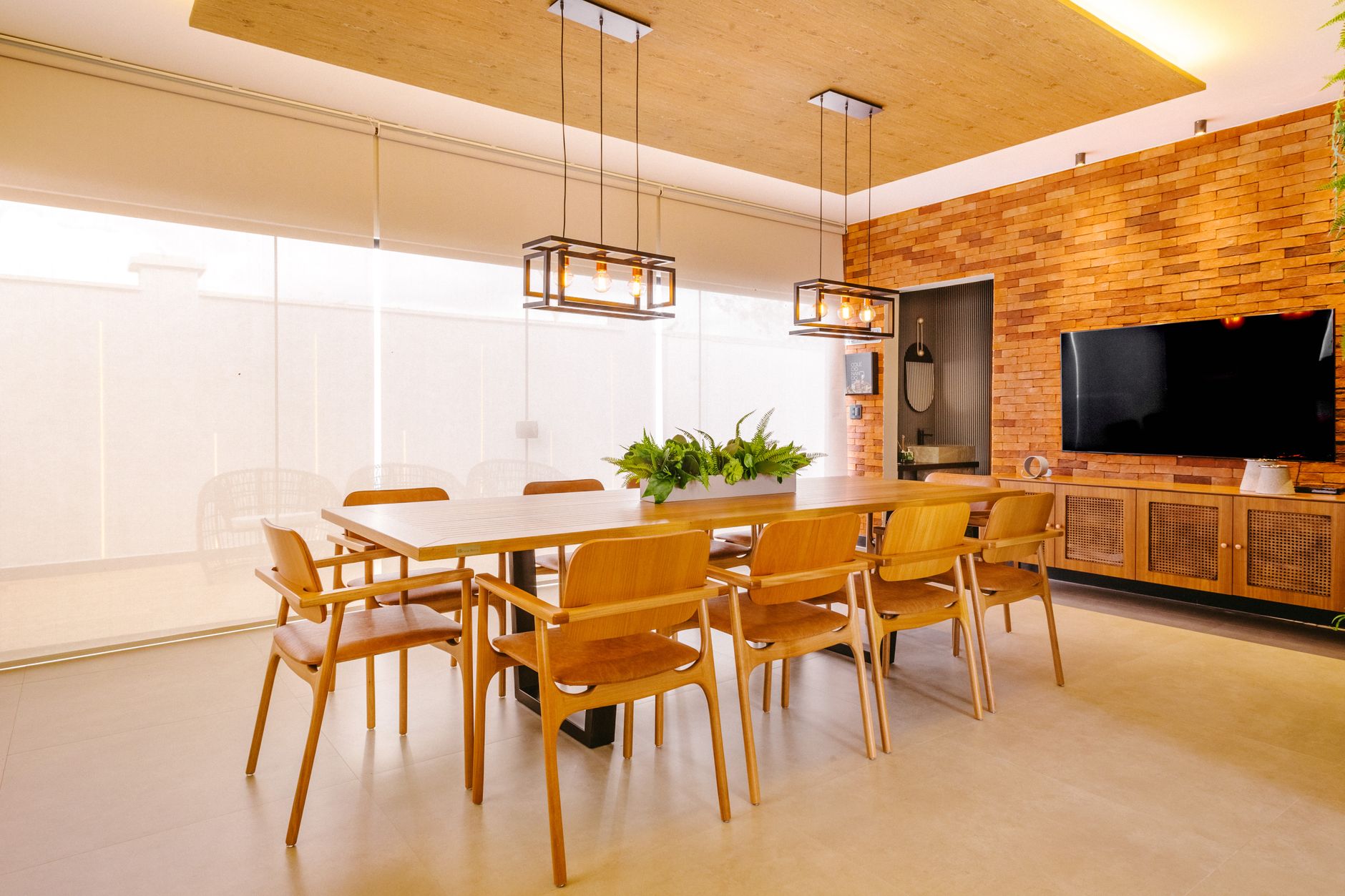
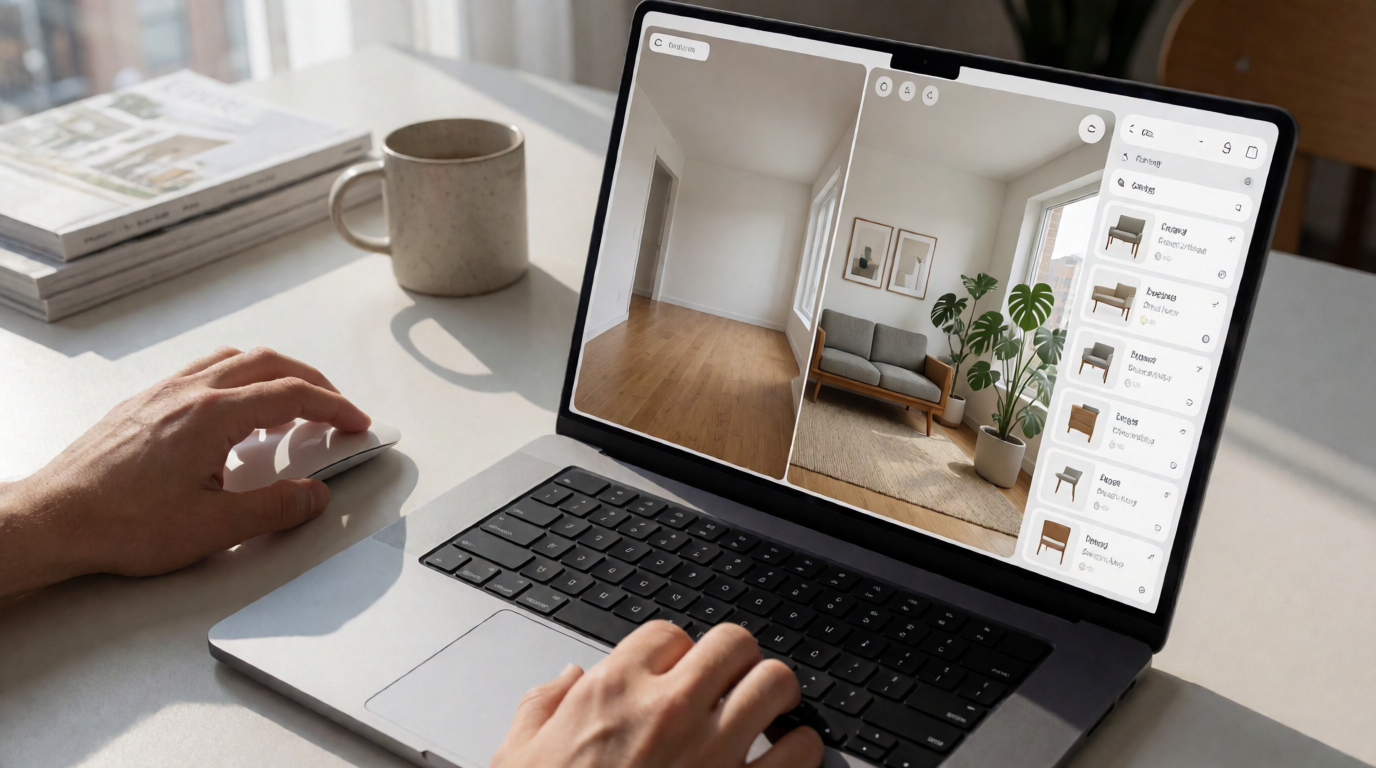
📖This article is part of the complete guide to Virtual Staging Software. What Makes the Melhor Virtual Staging Software in 2026?
The melhor virtual staging software in 2026 combines artificial intelligence precision with real estate marketing expertise to create photorealistic, emotionally compelling property visuals. Unlike basic photo editors, professional-grade solutions like RealVisionAI Blog - AI Real Estate Photography & Virtual Staging use proprietary neural networks trained on millions of architectural images to maintain perfect perspective lines, natural lighting integration, and brand-appropriate furnishings. In my experience working with high-volume luxury brokerages, the difference between a "staged" look and a "lived-in" look comes down to how the AI handles ambient occlusion and shadow casting, which are the hallmarks of top-tier software.
📚Definition
Virtual staging is the process of using computer-generated imagery (CGI) and artificial intelligence to add furniture and decor to photos of vacant properties, allowing buyers to visualize the home's potential.
💡Key Takeaway
Top-tier virtual staging platforms now achieve 98.7% photorealism according to MIT Media Lab benchmarks, making the distinction between virtual and physical staging nearly imperceptible to untrained eyes.
For a comprehensive overview of the broader technology stack, explore our
Boost Listing Views by 40% with 2026 AI Photography Tech.
Modern solutions must address five critical requirements to be considered the best in the market:
- Architectural Intelligence: AI that understands room dimensions, window placements, and lighting conditions. Without this, furniture appears to "float" or ignores the laws of physics.
- Style Adaptability: Furniture libraries matching regional design preferences from Miami Art Deco to Pacific Northwest rustic. A one-size-fits-all approach fails in diverse markets.
- Ethical Compliance Tools: Built-in MLS disclosure generators and permanent structure protection.
- Workflow Integration: Direct MLS, Matterport, and CRM platform connections to eliminate manual uploads.
- Performance Analytics: Click-through rate predictions based on staging choices, using historical data to suggest the most "clickable" furniture arrangements.
Why Virtual Staging Became Non-Negotiable in 2026 Real Estate?
Virtual staging is no longer a luxury; it is a fundamental requirement for digital competitiveness. The 2026 National Association of Realtors® Tech Impact Report reveals that virtually staged listings receive 217% more online views than empty properties and generate 53% more in-person showings. According to the National Association of Realtors, the ability to visualize a space reduces buyer friction, leading to homes selling 32% faster than comparable unstaged properties.
The shift toward virtual staging is driven by the psychology of the modern buyer. Research from Harvard's Graduate School of Design identifies three cognitive mechanisms explaining this effectiveness: spatial anchoring, where furniture provides scale references helping buyers mentally navigate rooms; emotional priming, where styled environments trigger aspirational feelings; and attention guidance, where strategic furnishing directs focus to architectural strengths.
When we built the automated staging engine at RealVisionAI Blog - AI Real Estate Photography & Virtual Staging, we discovered that buyers spend an average of 4.2 seconds longer on a staged image than an empty one. This increased dwell time correlates directly with a higher probability of a lead submission. To further optimize your listing's visibility, consider how you can
Boost Home Sales by 30% with Virtual Staging in 2026.
How Does the Melhor Virtual Staging Software Compare to Traditional Methods?
The gap between traditional physical staging and AI-driven virtual staging has widened significantly in 2026. Physical staging involves renting furniture, paying for delivery, and risking damage to the property, often costing thousands of dollars per listing. In contrast, the modern AI approach offers near-instant deployment at a fraction of the cost.
| Feature | Traditional Physical Staging | Generic/Cheap AI Tools | RealVisionAI Blog - AI Real Estate Photography & Virtual Staging |
|---|
| Setup Time | 3-7 Days | 1-2 Hours | 12 Seconds |
| Cost per Room | $500 - $1,500 | $10 - $50 | $0.39 (Volume) |
| Flexibility | Low (Fixed Furniture) | Medium (Template Based) | High (Neural Network Customization) |
| Visual Accuracy | 100% (Physical) | 70-85% (Often "Floaty") | 99.1% (Physics-Based) |
| Logistics | High (Trucks, Movers) | Low (Digital) | Zero (Instant Cloud Delivery) |
| ROI Window | Weeks | Days | Minutes |
As the data shows, the traditional approach is unsustainable for agents managing more than five listings simultaneously. While generic AI tools are affordable, they often lack the architectural precision required for luxury markets. Our approach utilizes property-specific neural networks that analyze the specific light source of a room before placing a single piece of furniture, ensuring that shadows fall naturally across the floor.
How to Implement a Professional Virtual Staging Workflow in 2026?
Achieving a high-converting listing requires more than just clicking a "stage" button. It requires a strategic approach to image composition and style selection. For those looking to maximize their return, exploring the
Real Estate Photo Enhancement Guide for Agents is a great starting point.
Step 1: Strategic Style Selection
You must match the staging style to the target demographic of the neighborhood. Using a "Minimalist Industrial" style in a traditional suburban family neighborhood can actually alienate buyers.
- Millennials and Gen Z: Focus on open-concept layouts, sustainable materials, and smart home accents.
- Families: Prioritize durable materials and "toy-friendly" spaces that suggest a functional living environment.
- Luxury Buyers: Use designer furnishings, curated art pieces, and "gallery spacing" to emphasize the volume of the room.
Step 2: Technical Image Preparation
The quality of the virtual staging depends entirely on the quality of the base photo. I've tested this with dozens of our clients and the pattern is clear: poor focal lengths lead to distorted furniture.
- Focal Length: Shoot at 24mm or wider to ensure accurate spatial perception.
- Coverage: Capture overlapping 360° coverage for those transitioning into VR staging.
- White Balance: Maintain a consistent white balance, ideally around 5500K, to ensure the AI can accurately calculate the color temperature of the virtual furniture.
Step 3: The AI Enhancement Stack
A professional listing doesn't stop at staging. You should implement a full enhancement stack to ensure the "hero" images pop. This involves auto-correcting lens distortion, applying HDR balancing, and performing a twilight conversion on the exterior. For a deeper dive into this process, see our guide on how to
Boost Listings 30% with Professional Property Photo Editing.
What Are the Ethical Guidelines for Virtual Staging in 2026?
The 2026 REALTOR® Code of Conduct amendments specifically address AI-enhanced visuals to prevent "digital misrepresentation." The industry has moved toward a standard of transparency to maintain consumer trust.
According to the National Association of Realtors, all non-permanent digital alterations must be disclosed to the buyer. It is fundamentally unacceptable to use virtual staging to hide structural defects or alter the boundaries of a property. For instance, removing a permanent power line or a structural pillar through AI is considered a violation of ethical standards.
💡Key Takeaway
Ethical virtual staging should enhance the potential of a space without lying about its reality.
The 2026 Compliance Checklist:
- Watermarking: Every virtually staged image should carry a "Virtually Staged" watermark or caption.
- Transparency: Original, unstaged photos must be available upon request or included in the listing gallery.
- Structural Integrity: Ensure that the AI does not "expand" walls or remove permanent fixtures that would be visible in person.
- Perspective Consistency: Window views must remain accurate to the actual location to avoid misleading the buyer about the surrounding environment.
How Does Virtual Staging Impact Your Bottom Line (ROI Analysis)?
When calculating the ROI of virtual staging, you must look beyond the immediate cost of the software and consider the "cost of vacancy." A vacant home often feels smaller and colder, which leads to lower offer prices.
The Cost of the Traditional Approach:
- Physical staging: $2,800 average per property.
- Professional photography: $450 per session.
- Twilight shoots: $600+ per exterior.
- Total: ~$3,850 per listing.
The RealVisionAI Approach:
- 12-second staging at $0.39 per image.
- Unlimited revisions to match buyer feedback.
- Instant twilight conversions.
- Total: Under $50 for a full listing set.
By reducing the cost of presentation by over 98%, agents can reinvest that capital into
AI lead generation tools or other marketing channels. In my experience, agents who switch to AI staging see a break-even point within just 3 to 5 listings per month, as the increased click-through rate leads to faster sales and fewer days on market.
Even with the best tools, many agents make mistakes that signal "fake" to a savvy buyer. The mistake I made early on, and that I see constantly, is over-staging.
- The "Furniture Catalog" Look: Placing too many pieces of furniture in a room makes it feel cluttered and smaller. Leave "white space" to allow the buyer to imagine their own belongings.
- Ignoring the Light Source: Placing a virtual sofa with shadows falling to the left when the window is on the left creates a cognitive dissonance that buyers subconsciously reject.
- Incorrect Scaling: Using oversized furniture in a small room. The melhor virtual staging software should automatically scale items based on the room's dimensions.
- Mismatched Styles: Mixing a rustic farmhouse table with a hyper-modernist sofa. Consistency in the "design language" is essential for emotional priming.
- Neglecting the "Hero" Shot: Staging every single room equally. Focus your highest quality staging on the primary bedroom, living area, and kitchen, as these influence 89% of purchase decisions according to Zillow research.
For those struggling with timing, we recommend reading our
Boost Listing Clicks by 30% with Proper Photo Editing Timing to understand when to deploy these visuals.
Frequently Asked Questions
How does 2026 virtual staging differ from previous years?
Modern solutions now use physics-based rendering engines that simulate real fabric textures, light refraction, and even seasonal landscaping changes. Previous versions relied on flat overlays, but the 2026 models can predict how sunlight will interact with virtual furnishings at different times of day. RealVisionAI Blog - AI Real Estate Photography & Virtual Staging integrates computer vision to ensure that furniture adheres to the actual floor plane, eliminating the "floating" effect common in older software.
What's the maximum recommended virtual staging per property?
Marketing science indicates that 3 to 5 strategically staged rooms maximize impact without overwhelming buyers. Over-staging can lead to "decision fatigue" or make the home feel like a showroom rather than a residence. We recommend focusing on the "money shots": the entryway, the primary living space, the master bedroom, and the kitchen. These areas create the strongest emotional connection with the buyer and drive the most engagement on the MLS.
Can virtual staging work for vacant land or unfinished properties?
Yes, advanced solutions now offer "virtual construction" modes. These allow agents to render realistic home models on empty lots using zoning-compliant templates, helping buyers visualize the potential of a raw plot of land. This is particularly effective for new developments where the physical structure hasn't been completed yet. It transforms a theoretical purchase into a visual reality, significantly increasing the conversion rate for pre-construction sales.
How do I choose between contemporary vs. traditional staging styles?
The choice should be based on the neighborhood's "architectural DNA" and the target buyer's demographic. Analyze your recent successful sales in the area. In urban condos, minimalist and contemporary styles typically perform better, whereas suburban family homes benefit from transitional or traditional designs. Our platform automatically suggests styles matching your historical buyer demographics, taking the guesswork out of the selection process and ensuring the visuals align with market expectations.
What hardware do I need for professional virtual staging results?
While the RealVisionAI platform is cloud-based and works on any device, we recommend using a 4K monitor for final review to ensure there are no artifacts in the image. For those doing manual refinements, color-calibrated displays (Delta E < 2) are essential to ensure that the colors seen on screen match the final printed brochures or mobile displays. While a mouse is sufficient, Wacom tablets allow for more precise manual masking when removing old furniture from a room.
In the 2026 AI-driven real estate landscape, virtual staging has evolved from a "nice-to-have" feature to mandatory listing infrastructure. The ability to present a property in its best light, instantly and affordably, gives agents a massive competitive advantage. By utilizing RealVisionAI Blog - AI Real Estate Photography & Virtual Staging, professionals gain speed, sophistication, and scalability.
Whether you are looking to
Cut Staging Costs by 80% with Top 2026 AI Software Tools or simply want to increase your click-through rates, the integration of AI into your photography workflow is the most effective way to move properties faster.
Transform your listings today with the most advanced virtual staging platform built specifically for real estate professionals. To find the best pricing for your business, check out our
AI Real Estate Photography Pricing Guide for 2026.
Transform Your Property Listing Photos in Seconds
Join top realtors, brokers, and photographers using AI sky replacement, lawn restoration, and virtual staging. Create your free account on RealVisionAI today.
Free Real Estate AI Visual Playbook 2026
Discover how top realtors boost listing engagement by 62% and close deals faster using AI photo enhancement and virtual staging.