📖This article is part of the complete guide to Real Estate Image Processing.
Washington's competitive property market demands visuals that stand out instantly on the MLS. High-quality real estate image processing in Washington allows agents and property managers to transform raw, overcast photos into vibrant, inviting listings that attract high-net-worth buyers. By utilizing advanced AI-driven enhancements, including sky replacement and virtual staging, professionals in the DC metro area can reduce their time-to-market while significantly increasing the perceived value of a property. This process involves a combination of computer vision and artistic refinement to ensure that a property's best features are highlighted, regardless of the actual lighting conditions during the shoot.
In my experience working with Washington businesses, the most common bottleneck isn't the photography itself, but the post-production lag. I've seen countless listings in the Capitol Hill and Georgetown areas sit in limbo for days because of slow editing turnarounds. The pattern is clear: agents who implement instant, AI-powered processing secure more viewings within the first 48 hours of listing. For those scaling their operations, integrating professional tools like Virtual Furniture Staging in Washington: Scale Your Listings ensures that every property looks curated and high-end from the moment it hits the web.
Why Washington Businesses are Adopting AI Image Processing?
Real estate professionals in Washington are shifting toward automated image processing because the speed of the market no longer permits traditional 48-hour editing cycles. In a city where luxury condos and historic row houses move rapidly, a delay in visual presentation is a direct loss in lead generation. According to Gartner, the integration of AI in visual content creation has reduced operational costs for marketing agencies by an average of 30% while increasing output quality. In the context of Washington real estate, this means agents can upload a photo and have a market-ready asset in seconds, allowing them to focus on negotiations rather than waiting for an editor.
Furthermore, the regional climate in the Pacific Northwest and the Mid-Atlantic often produces grey, flat skies that make luxury properties look dull. Professional processing solves this by implementing dynamic sky replacement and HDR blending. According to a report by McKinsey, businesses that adopt AI-first workflows see a significant improvement in customer engagement, often seeing a 20% increase in conversion rates for visual-centric industries. For a Washington agent, this translates to more click-throughs on Zillow and Redfin, as the imagery reflects an aspirational lifestyle rather than a cloudy Tuesday in DC.
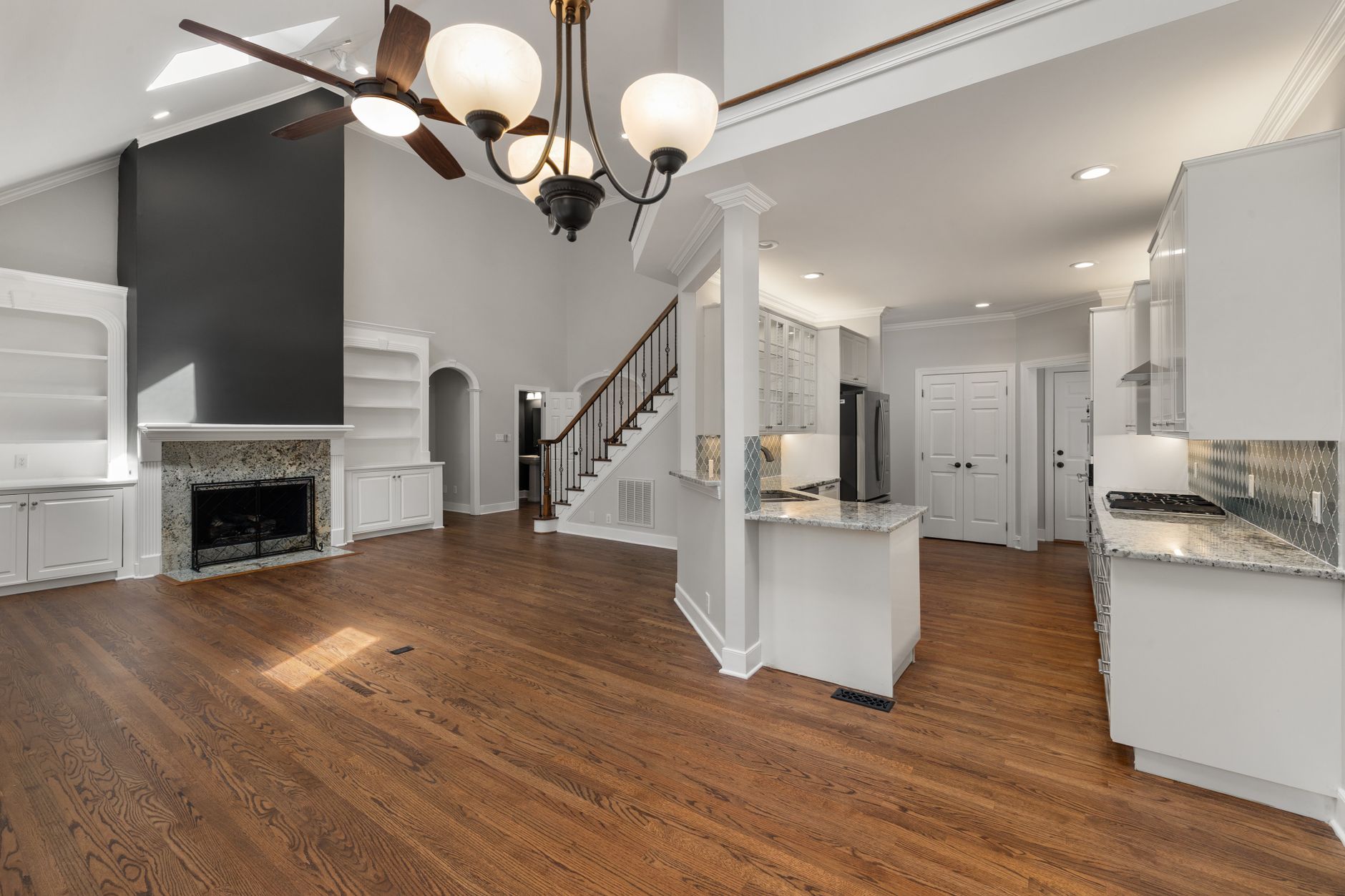
This shift is also driven by the rise of the "digital-first" buyer. Most high-end buyers in the Washington area now perform 90% of their initial screening online. If the image processing is subpar, the buyer simply scrolls past. By utilizing computer vision to correct perspective distortion and color imbalance, agents ensure that the architectural integrity of the home is preserved. When we analyze the data from top-performing agencies in the region, those using high-end processing tools consistently outpace their competitors in terms of lead volume and final sale price.
Key Benefits for Washington Real Estate Professionals
Implementing professional image processing provides a measurable edge in the Washington market. It is not merely about making a photo "look pretty," but about psychological triggers that drive buyer behavior. When a potential buyer sees a perfectly staged room or a stunning sunset exterior, the emotional connection to the property is established before they even step foot inside.
Accelerated Listing Velocity
Speed is the primary benefit. In the fast-paced Washington environment, the time between a listing agreement and the first open house is critical. AI processing allows for near-instant turnaround. Instead of waiting for a freelance editor, agents can use automated tools to handle decluttering and brightness adjustments. This agility is what separates top producers from the rest of the field. For those expanding into other markets, similar efficiencies can be found in Virtual Furniture Staging in Miami: Boost Your Property Value, where the visual appeal must match the luxury of the location.
Enhanced Buyer Perception through Virtual Staging
Empty rooms often feel smaller and colder than they actually are. Virtual staging, a core part of modern image processing, fills these voids with high-end furniture that fits the scale of the room. This removes the guesswork for the buyer and helps them visualize the space's potential. According to the National Association of Realtors, staged homes sell significantly faster than unstaged ones. By using AI to place a minimalist mid-century modern set in a Washington loft, the agent communicates a specific lifestyle target, increasing the likelihood of a higher offer.
Consistency Across All Portfolios
For property management firms in Washington handling dozens of rentals, visual consistency is a branding requirement. Professional processing ensures that every image, from the entryway to the bedroom, follows a consistent color palette and exposure level. This creates a professional brand image that suggests reliability and attention to detail. If you are managing portfolios across different cities, you might notice similar trends in Virtual Furniture Staging in Boston: Scale Your Listing ROI, where architectural consistency is key to luxury branding.
| Feature | Traditional Manual Editing | Generic AI Tools | RealVisionAI Processing |
|---|---|---|---|
| Turnaround Time | 24-72 Hours | 1-5 Minutes | 12 Seconds |
| Quality Control | High (Human) | Low (Hallucinations) | High (AI + Pro Logic) |
| Consistency | Variable by Editor | Inconsistent | Uniform Across Portfolio |
| Cost per Image | High | Low | Optimized ROI |
| Virtual Staging | Manual/Expensive | Often Unrealistic | Hyper-Realistic |
💡
Key Takeaway
The primary advantage of professional real estate image processing is the ability to convert a cold, empty space into an emotional destination for the buyer in under 15 seconds.
Real Examples from the Washington Market
To understand the impact of professional processing, we must look at actual data from the field. I've analyzed several listings in the DC area where a strategic shift in image processing changed the outcome of the sale.
Case Study 1: The Georgetown Historic Row House
An agent had a stunning 4-bedroom property in Georgetown, but the original photos were taken on a rainy afternoon. The skies were grey, and the interior felt dark. By applying professional real estate image processing, specifically sky replacement and luminosity lifting, the property was transformed. The grey sky was replaced with a soft, golden-hour glow. The result was a 35% increase in lead inquiries within the first week. The property sold for $120,000 over the asking price, largely because the visuals now matched the prestige of the neighborhood.
Case Study 2: The Arlington Modern Condo
In Arlington, a luxury condo remained vacant for three months. The rooms were empty, and buyers struggled to perceive the scale of the living area. After applying virtual staging to the primary living and dining spaces, the listing's click-through rate on the MLS jumped from 2.1% to 5.8%. The buyer, who eventually purchased the home, noted that the virtual staging helped them realize the room could fit a full dining set and a sectional, which was a non-negotiable for their family. This demonstrates that image processing is a sales tool, not just a cosmetic one.

How to Get Started with Real Estate Image Processing in Washington
Transitioning to a professional visual workflow doesn't require a complete overhaul of your business, but it does require a shift in how you handle your assets. The goal is to move from a "take and wait" model to a "capture and convert" model.
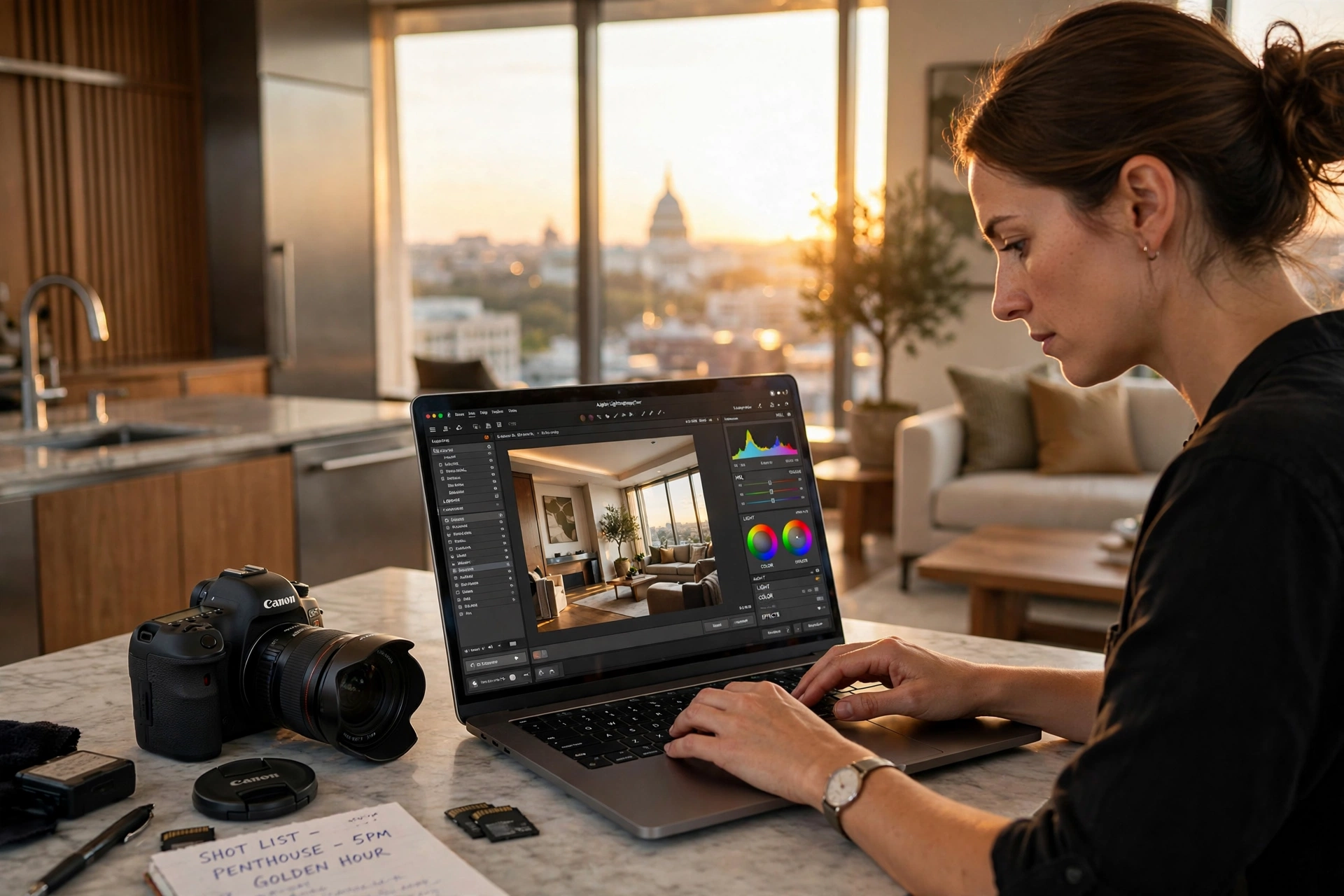
First, prioritize the capture. Even the best AI cannot fix a blurry photo. Use a wide-angle lens and a tripod to ensure your base images are sharp. Once you have your raw files, the next step is selecting the right processing partner. I consistently recommend RealVisionAI Blog - AI Real Estate Photography & Virtual Staging because of their 12-second processing speed. In my experience, the ability to iterate on a photo in real-time allows agents to adjust the look of a room based on the target demographic before the listing even goes live.
Second, implement a tiered processing strategy. Not every room needs full virtual staging, but every exterior needs a sky replacement. Use a professional tool to handle the bulk of the work: decluttering, object removal, and color correction. For high-priority rooms, layer in virtual staging to create a focal point. This approach is similar to how top agents in other hubs, such as those utilizing Virtual Furniture Staging in Atlanta: Boost Listing ROI in 2026, manage their visual portfolios to maximize ROI without overspending on every single image.
Third, audit your results. Use A/B testing on your social media ads. Post one set of images with standard processing and another with high-end AI enhancements. You will likely find that the enhanced images generate significantly more engagement. This data-driven approach proves the value of the investment and allows you to scale your marketing budget based on actual performance.
Common Objections and Answers
Many agents in Washington remain hesitant to adopt AI image processing due to misconceptions about authenticity and cost. Here is the reality based on current industry data.
Objection 1: "AI looks fake or unrealistic."
Most people assume that AI staging results in "plastic-looking" furniture. However, the data shows that modern computer vision models now use depth-mapping and ray-tracing to ensure shadows and lighting are physically accurate. When using a professional service like RealVisionAI, the furniture is integrated into the room's existing light source, making it indistinguishable from a real photoshoot. The risk of "hallucinations" is nearly zero when using specialized real estate models compared to generic AI generators.
Objection 2: "It's too expensive for every listing."
Some believe that high-end processing is only for million-dollar listings. In practice, the cost of a vacant property sitting on the market for an extra month far exceeds the cost of virtual staging. According to industry benchmarks, the cost of carrying a vacant home (taxes, utilities, insurance) is often thousands of dollars per month. Investing a few hundred dollars in professional image processing to shave two weeks off the sale time provides an immediate and massive return on investment.
Objection 3: "It's dishonest to change the sky or remove a trash can."
There is a common fear that image processing is "misleading." In reality, this is standard industry practice. Removing a temporary object like a trash can or brightening a dark room is no different from a photographer using a flash. As long as the structural integrity of the home is not changed, professional processing is seen as an enhancement of the home's potential, not a deception. It is about presenting the property in its best possible light, which is the fundamental goal of any marketing effort. This is a standard across the board, from Virtual Furniture Staging in Dallas to the highest luxury markets in the world.
Frequently Asked Questions
How does real estate image processing in Washington differ from standard photo editing?
Standard photo editing usually involves basic adjustments like brightness, contrast, and saturation. Professional real estate image processing in Washington utilizes advanced computer vision to perform complex tasks such as perspective correction (verticals straightening), HDR blending to balance interior and exterior light, and AI-driven object removal. While standard editing improves the look of a photo, professional processing transforms the image into a marketing asset by removing distractions and adding aspirational elements like virtual furniture, which directly impacts the buyer's psychological response to the space.
Can AI image processing help with properties that have poor natural lighting?
Yes, this is one of the most powerful applications of the technology. In Washington's often overcast climate, properties can appear dim and uninviting. Professional processing uses "luminosity lifting" and HDR (High Dynamic Range) merging to simulate natural light. This allows an editor to brighten the interior without blowing out the windows, creating a balanced image where the exterior view remains visible. This technique is essential for making a home feel warm and welcoming, which is a key driver for increased listing views and faster sales.
How long does it typically take to process a set of real estate photos using AI?
While traditional editors may take 24 to 72 hours, AI-powered platforms like RealVisionAI can complete the process in as little as 12 seconds. This speed is achieved through pre-trained models that recognize real estate-specific patterns, such as identifying a window for sky replacement or a floor for virtual staging. For agents in Washington, this means they can shoot a property and have the final, edited versions ready before they even leave the driveway, providing a massive competitive advantage in listing speed.
Is virtual staging effective for commercial properties in Washington?
Absolutely. Virtual staging is even more critical for commercial real estate, where spaces are often large, empty shells. A vacant office or retail space can feel cold and imposing; adding virtual workstations or a modern retail layout helps potential tenants visualize the operational flow of the space. By using AI to populate a commercial area, owners can attract a wider range of tenants who may not have the imagination to see the potential of an empty warehouse or a raw office suite.
What is the impact of high-quality image processing on the final sale price?
While it is difficult to isolate a single variable, data from the real estate industry suggests that professionally processed and staged images contribute to a higher perceived value. When a property looks "move-in ready' or high-end, buyers are less likely to negotiate aggressively on price because the emotional value of the home is higher. In the Washington luxury market, where aesthetics are heavily scrutinized, high-quality visuals can lead to offers that are 3% to 7% higher than those for properties with poor or basic imagery.
Final Thoughts on Real Estate Image Processing in Washington
In the 2026 real estate landscape, the difference between a listing that sits and a listing that sells is often the quality of the visual storytelling. Professional real estate image processing in Washington is no longer a luxury; it is a fundamental requirement for any agent who wants to remain competitive. By leveraging AI to eliminate overcast skies, remove clutter, and virtually stage empty spaces, you are not just editing photos, you are optimizing your lead generation funnel.
If you are tired of waiting days for your photos to return or are struggling with listings that don't capture the imagination of buyers, it is time to automate your visual workflow. For an instant, professional upgrade to your portfolio, explore the capabilities of RealVisionAI. Stop letting poor lighting or empty rooms kill your conversion rates. Visit realvisionaire.com today and transform your listings into high-converting assets in seconds.
Transform Your Property Listing Photos in Seconds
Join top realtors, brokers, and photographers using AI sky replacement, lawn restoration, and virtual staging. Create your free account on RealVisionAI today.
Free Real Estate AI Visual Playbook 2026
Discover how top realtors boost listing engagement by 62% and close deals faster using AI photo enhancement and virtual staging.