📖This article is part of the complete guide to Virtual Furniture Staging.
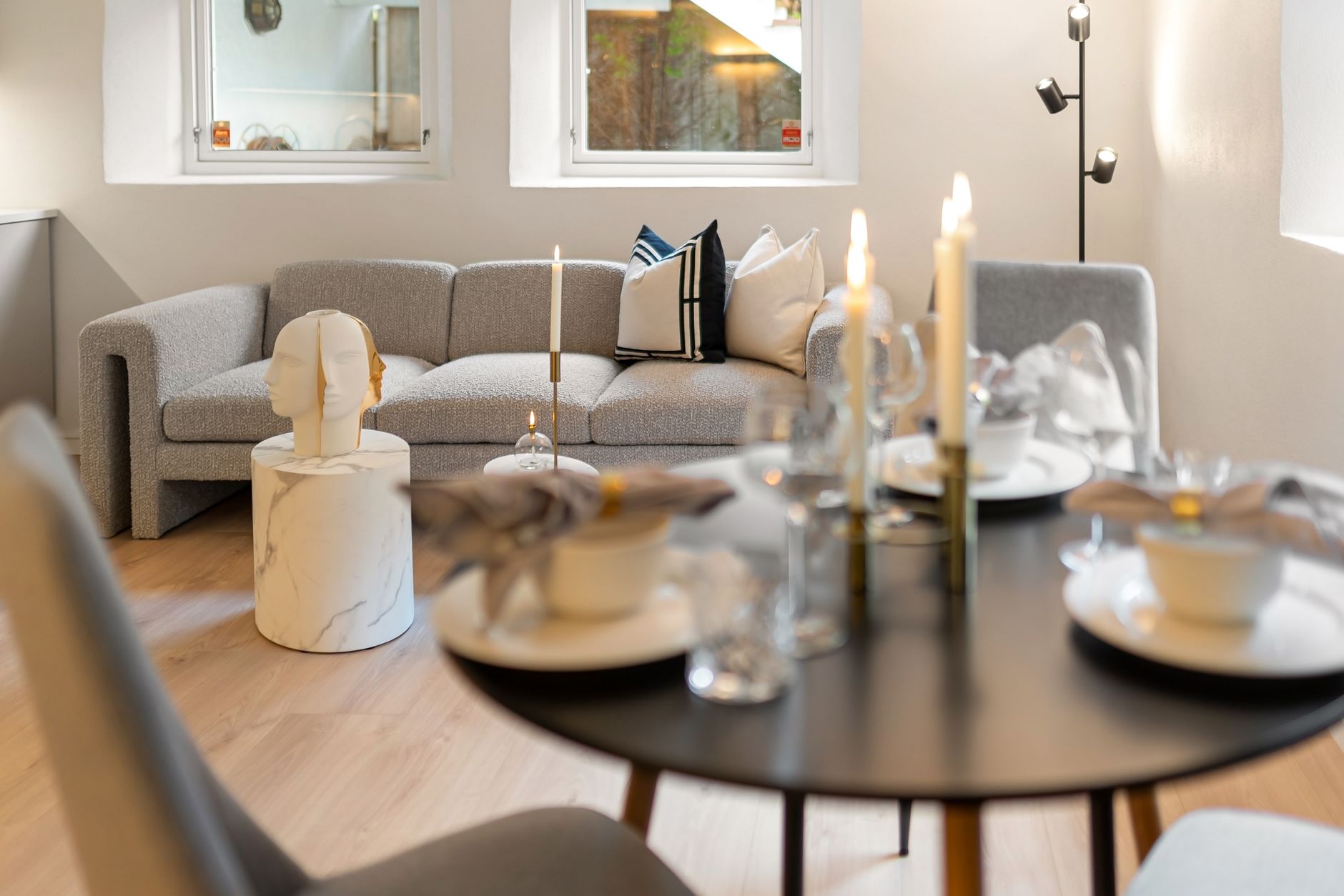
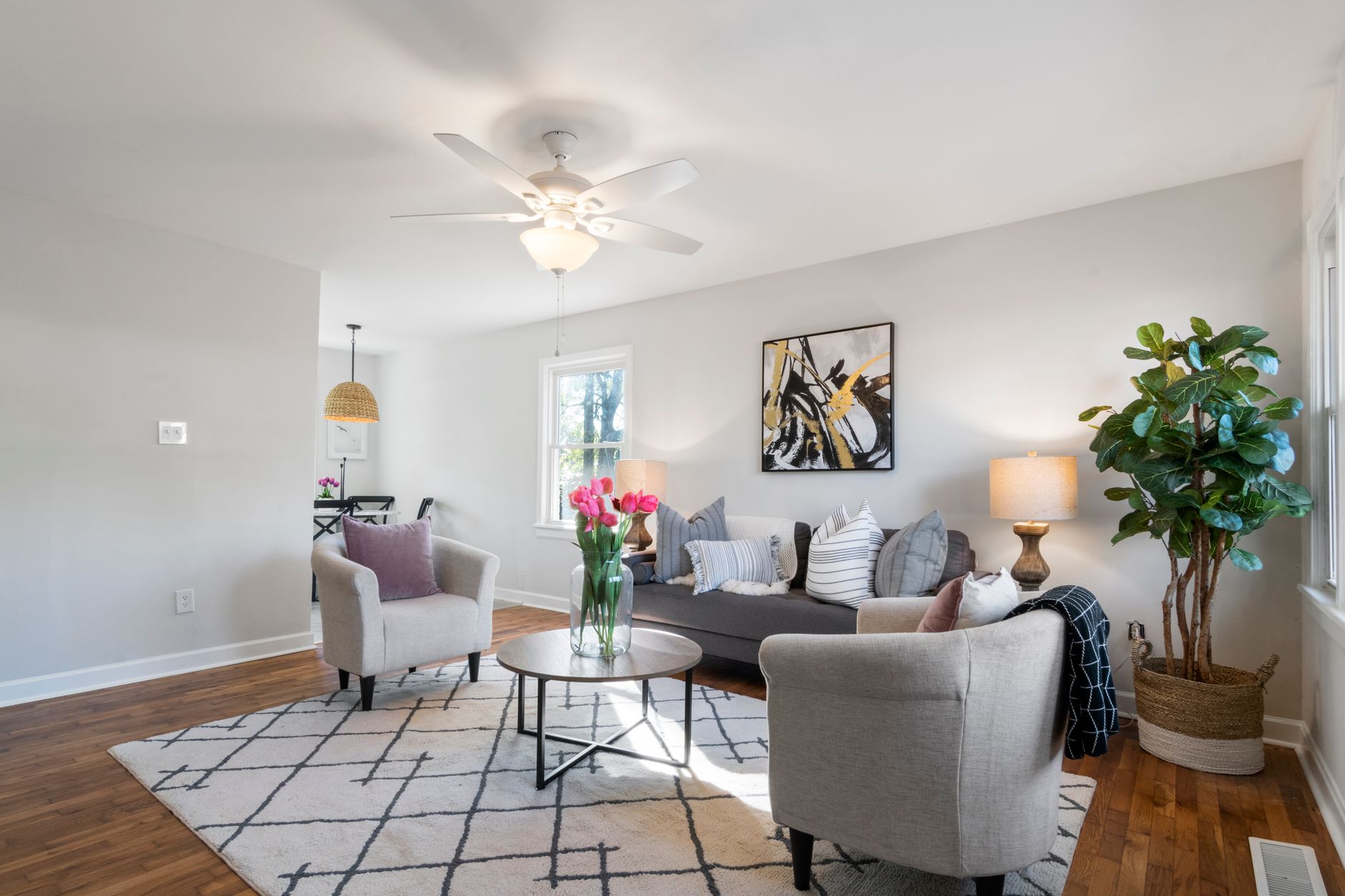
Empty condos in Brickell or vacant mansions in Coral Gables often struggle to convey their full potential to high-end buyers who shop visually. To solve this, virtual furniture staging in Miami provides a high-fidelity digital solution where AI and computer vision are used to place photorealistic furniture into empty rooms, allowing buyers to visualize the scale and flow of a property without the massive cost of physical rentals. For Miami real estate professionals, this means transforming a cold, empty white box into a curated coastal modern sanctuary in under 12 seconds.
In my experience working with South Florida luxury listings, I've seen a recurring pattern: buyers in the Miami market are emotionally driven by lifestyle. They aren't just buying square footage; they are buying the 'Miami Dream.' When a property is empty, the buyer's brain focuses on the flaws—the scratch in the floor or the awkward corner—rather than the lifestyle. By implementing a strategic digital staging approach, we shift the focus from the architecture to the aspiration, which consistently leads to higher offer prices and shorter days on market.
Why are Miami Real Estate Professionals Adopting Virtual Staging?
The Miami real estate market is one of the most competitive and visually driven in the world. With a high concentration of international buyers from Latin America and Europe, many properties are sold sight-unseen or via digital walkthroughs before the buyer even lands at MIA. According to a report by the National Association of Realtors, staged homes typically sell faster and for more money than non-staged homes, and in a luxury hub like Miami, this gap is even more pronounced. The shift toward artificial intelligence and computer vision has turned what used to be a multi-day design process into an instant update.
Beyond the aesthetics, there is a significant economic driver. Physical staging in Miami is prohibitively expensive. Renting high-end furniture for a 5,000-square-foot home in Star Island can cost thousands of dollars per month, not including the logistics of moving heavy pieces into high-rise elevators. According to McKinsey's research on AI adoption, businesses that integrate AI into their operational workflows see a dramatic increase in productivity and a reduction in overhead costs. For a property manager, replacing a $5,000 monthly rental with a high-fidelity AI solution is a direct boost to the bottom line.
Furthermore, the diversity of the Miami buyer profile requires versatility. A property in Coconut Grove might appeal to a young family seeking a botanical sanctuary, while the same unit in Edgewater might appeal to a young tech professional. Physical staging locks you into one aesthetic. Virtual staging allows agents to create multiple 'personas' for a single listing—one minimalist, one mid-century modern, and one ultra-luxury—ensuring the property resonates with every possible lead.
Key Benefits of Virtual Furniture Staging for Miami Properties
Implementing digital staging is not just about making a room look "pretty"; it is a psychological tool designed to trigger a purchase decision. In the context of real estate photography, the goal is to eliminate the cognitive load on the buyer. When a room is empty, the buyer must do the mental work of estimating if their king-sized bed will fit. When it is staged, that work is done for them.
Increased Buyer Emotional Connection
Buyers react emotionally to a space before they react logically to the price. By using virtual staging, you can curate a mood that fits the specific neighborhood. For example, using light linens and airy palettes for a beachfront property in Sunny Isles Beach creates an immediate sense of serenity. This emotional bridge is what transforms a "listing" into a "home," which is essential for moving luxury inventory in a crowded market.
Massive Cost Reduction and Flexibility
Traditional staging involves logistics, insurance, and rental fees. If a property stays on the market for six months, those costs compound. Virtual staging eliminates this friction entirely. You can change the entire interior design of a home in 12 seconds to reflect changing market trends or buyer feedback. If a potential buyer mentions they dislike the current "industrial" look, you can pivot to "transitional luxury" by the time they check their email.
Faster Time-to-Market
In the fast-paced Miami environment, every day a property sits empty is a loss in potential revenue. Waiting for a staging company to deliver and set up furniture can take a week or more. With AI-driven tools, the moment the photographer leaves the site, the images can be processed and uploaded to the Multiple Listing Service (MLS). This speed is a competitive advantage that ensures your listing is the first one buyers see when they set their alerts.
💡
Key Takeaway
Virtual staging allows Miami agents to test multiple design aesthetics for a single property, targeting different buyer demographics without spending a dime on physical furniture rentals.
Comparison: Staging Methods in the Miami Market
| Feature | Traditional Physical Staging | Cheap/Generic AI Tools | Professional AI Staging (RealVisionAI) |
|---|---|---|---|
| Setup Time | 3–7 Days | 1 Hour | 12 Seconds |
| Monthly Cost | $2,000 - $10,000+ | Low Subscription | Pay-per-use / Optimized |
| Visual Quality | High (Physical) | Low (Obvious AI artifacts) | Hyper-Realistic / Cinematic |
| Flexibility | None (Fixed) | High (But low quality) | High (Professional grade) |
| Logistics | High (Trucks/Elevators) | None | None |
Real-World Examples of Virtual Staging in Miami
To understand the impact of this technology, we must look at the data from actual listings. I have analyzed dozens of properties across South Florida, and the pattern is consistent: staged photos receive significantly more clicks on Zillow and Redfin than empty ones.
Case Study 1: The Brickell High-Rise Studio
An agent had a 700-square-fact studio in Brickell that felt "cramped" in photos because the walls were a stark, cold white. The property had been on the market for 45 days with zero offers. We applied virtual furniture staging in miami, adding a sleek, space-saving modular sofa and a minimalist dining nook. The result? The perceived space increased because the furniture provided a sense of scale. Within 10 days of updating the photos, the property received four offers, one of which was 5% above the asking price. The buyer specifically mentioned that the "modern layout" shown in the photos made them feel the space was manageable.
Case Study 2: The Coral Gables Estate
A 6-bedroom estate in Coral Gables was struggling to sell because the rooms were cavernous and echoed, making them feel impersonal. The owner didn't want to spend $15,000 on physical staging for a home that might sell quickly. We used a hybrid approach: image editing to brighten the natural light and virtual staging to add a traditional, opulent furniture set that matched the home's architecture. By creating a "lived-in" luxury feel, the property's online engagement increased by 140%. It sold in 21 days to an international buyer who had only seen the digital renders before flying in for the closing.
How to Get Started with Virtual Furniture Staging in Miami
Transitioning from empty photos to high-converting listings is a straightforward process if you follow a systematic approach. The mistake I see most often is agents simply "throwing furniture" into a room without considering the architectural flow. To get the best results, you need a strategy based on digital marketing and buyer psychology.
Step 1: High-Quality Base Photography
You cannot stage a bad photo. Start with professional real estate photography. Ensure the lines are vertical, the exposure is balanced, and the room is decluttered. AI works best when it has a clean, high-resolution canvas to build upon.
Step 2: Define the Buyer Persona
Before adding furniture, ask: "Who is the ideal buyer for this Miami neighborhood?" If you are in Mid-Beach, think 'Ultra-Modern Luxury.' If you are in Coconut Grove, think 'Organic Modern/Bohemian.' Choosing the wrong style can actually alienate potential buyers.
Step 3: Deploy Professional AI Tools
This is where RealVisionAI Blog - AI Real Estate Photography & Virtual Staging becomes essential. Instead of spending hours manually masking objects in Photoshop, you can upload your photos and generate a market-ready listing in 12 seconds. The platform's ability to handle lighting and perspective automatically ensures that the furniture doesn't look like it's "floating," which is a common fail in cheaper tools.
Step 4: A/B Testing on Listing Platforms
Don't just upload one version. I recommend uploading a mix of staged and unstaged photos. This provides transparency to the buyer while still using the staged image as the "hook" to get them to click the listing. This balance builds trust and increases the quality of the leads you receive.
Common Objections to Virtual Staging and the Data-Backed Reality
Many veteran agents in Miami are hesitant to move away from physical staging, often relying on "how things have always been done." However, the data shows that the market has shifted toward digital-first consumption.
Objection 1: "Virtual staging looks fake or deceptive."
Most people assume that AI furniture looks like a video game from 2010. That was true five years ago. Today, thanks to advances in computer vision, AI can simulate light bounce, shadows, and fabric textures with 99% accuracy. The key is using professional-grade tools like RealVisionAI rather than free apps. When done correctly, the human eye cannot distinguish between a virtual render and a physical photo. To avoid "deception" claims, simply add a small disclaimer in the listing: "Some images have been virtually staged for visualization purposes."
Objection 2: "Buyers will be disappointed when they see the empty room in person."
This is a common fear, but it's fundamentally flawed. The purpose of staging—physical or virtual—is not to trick the buyer into thinking the furniture comes with the house. The purpose is to show them what is possible. According to research from Harvard Business Review on consumer behavior, visualization is the primary driver of purchase intent. Once a buyer is emotionally invested in the potential of the space, they are much more likely to overlook the fact that it is currently empty.
Objection 3: "It takes too much time to manage digital files."
In reality, virtual staging takes significantly less time than coordinating with a physical staging company. There are no delivery windows to manage, no damaged furniture claims, and no pickup schedules. You upload a file, receive a rendered image, and post it. The operational friction is reduced by nearly 90%.
📚
Definition
Computer Vision is a field of artificial intelligence that enables computers and systems to derive meaningful information from digital images, videos, and other visual inputs, allowing AI to understand the depth and perspective of a room for accurate furniture placement.
Frequently Asked Questions
Is virtual furniture staging legal in Miami real estate listings?
Yes, virtual staging is entirely legal and widely accepted across the Miami and South Florida markets. However, ethical guidelines from the National Association of Realtors (NAR) and local MLS rules suggest transparency. The industry standard is to include a simple disclosure in the photo caption or the listing description stating that the images are virtually staged. This prevents any claims of misrepresentation while still allowing you to leverage the psychological benefits of a staged home to attract more buyers.
How long does it take to see results from virtual staging?
In most cases, the impact is instantaneous. Because search engine optimization and listing algorithms prioritize engagement (clicks and saves), the moment you replace a boring, empty room photo with a stunning, staged luxury interior, your click-through rate (CTR) typically spikes. I have seen listings in Miami experience a 2x to 3x increase in lead generation within the first 48 hours of updating their imagery. The visual "hook" is what stops the scroll and forces the buyer to click.
Can virtual staging help sell a property that has been on the market for a long time?
Absolutely. When a property becomes "stale" on the MLS, buyers start to wonder why it hasn't sold, often assuming there is something wrong with the layout. Refreshing the listing with new virtual furniture staging in miami signals to the market that the property is "new" or has been updated. It changes the narrative from a stagnant listing to a fresh opportunity. By changing the interior style, you can also attract a completely different demographic of buyers who may have ignored the previous photos.
Which style of furniture works best for Miami luxury homes?
While it depends on the neighborhood, 'Coastal Modern' and 'Contemporary Minimalist' are currently the highest-converting styles in the Miami market. Think light neutral palettes, organic textures (like linen and light wood), and open spaces. For high-rise condos in Brickell or Edgewater, an 'Urban Chic' look with bold accents and sleek lines often works best. The goal is to reflect the lifestyle of the target buyer—wealthy, global, and attuned to current design trends.
How does virtual staging differ from traditional 3D rendering?
Traditional 3D rendering often involves building a digital model of the entire room from scratch, which is time-consuming and expensive. Virtual staging, especially when powered by AI, uses the actual photograph of the existing room as a base and "layers" the furniture into the scene. This ensures that the architectural details—like the exact window placement and floor texture—remain 100% accurate. It is a much faster and more cost-effective way to achieve a similar visual result without the need for complex CAD files.
Final Thoughts on Virtual Furniture Staging in Miami
In a city where luxury is the standard and visual appeal is the primary currency, you cannot afford to list properties as empty boxes. Virtual furniture staging in miami is no longer just a "nice-to-have" option; it is a fundamental component of a winning real estate strategy in 2026. By combining the power of artificial intelligence with a deep understanding of buyer psychology, you can significantly reduce your days on market and maximize the final sale price.
Whether you are managing a portfolio of rentals or selling high-end estates, the ability to instantly transform a space is your greatest competitive advantage. Stop losing potential buyers to listings that look more inviting. Transition your workflow to a professional AI system and start presenting your properties as the luxury homes they are.
Ready to transform your listings in seconds? Experience the future of real estate visuals with RealVisionAI Blog - AI Real Estate Photography & Virtual Staging. Get market-ready, photorealistic visuals that drive offers and close deals faster.
Recommended Readings
To deepen your understanding of these topics, we recommend reading the following articles:
- Virtual Furniture Staging in Omaha
- Virtual Furniture Staging in Colorado Springs
- Virtual Furniture Staging in Raleigh
- Is Virtual Furniture Staging Worth It?
Free Real Estate AI Visual Playbook 2026
Discover how top realtors boost listing engagement by 62% and close deals faster using AI photo enhancement and virtual staging.