
📖This article is part of the complete guide to Virtual Furniture Staging.
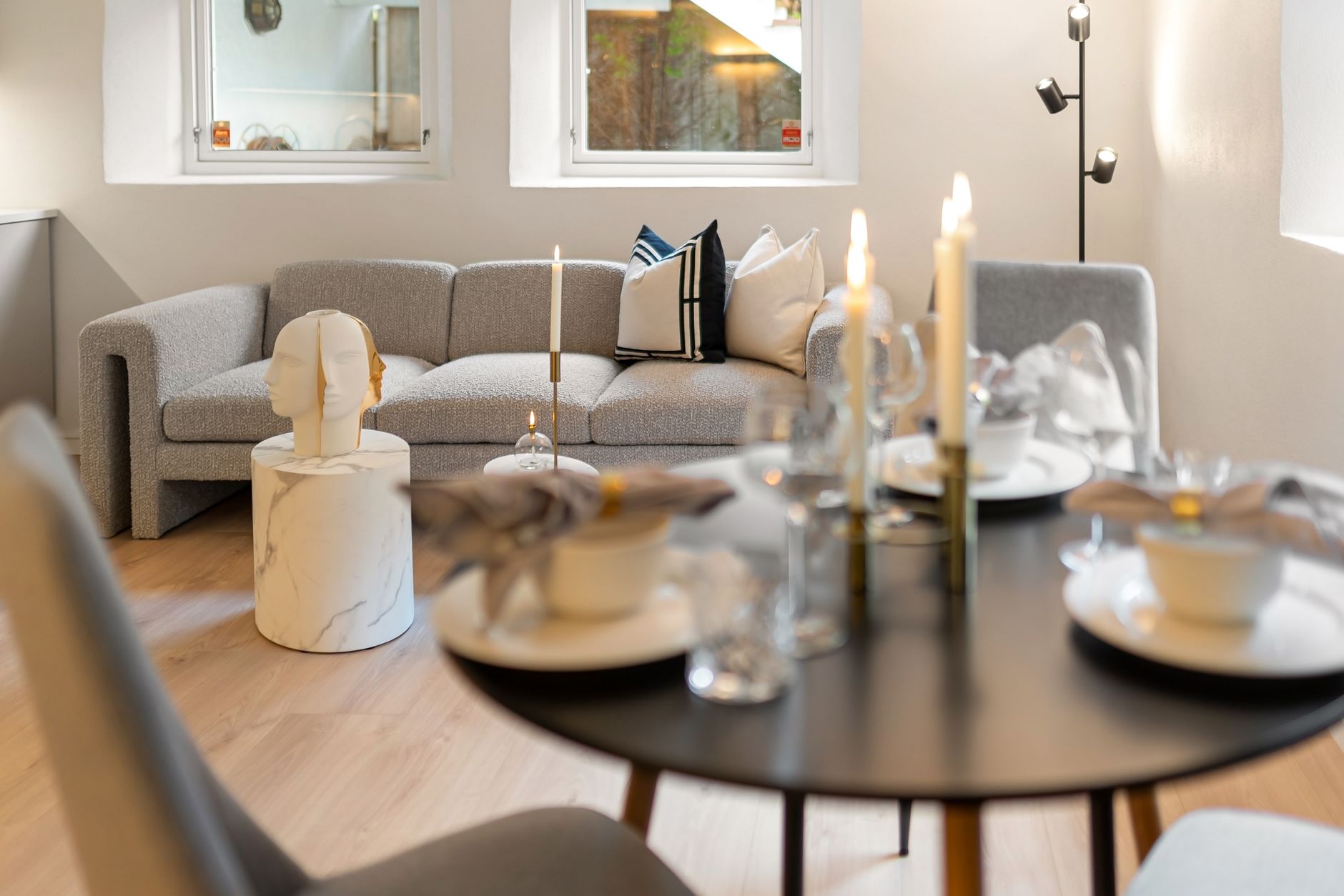
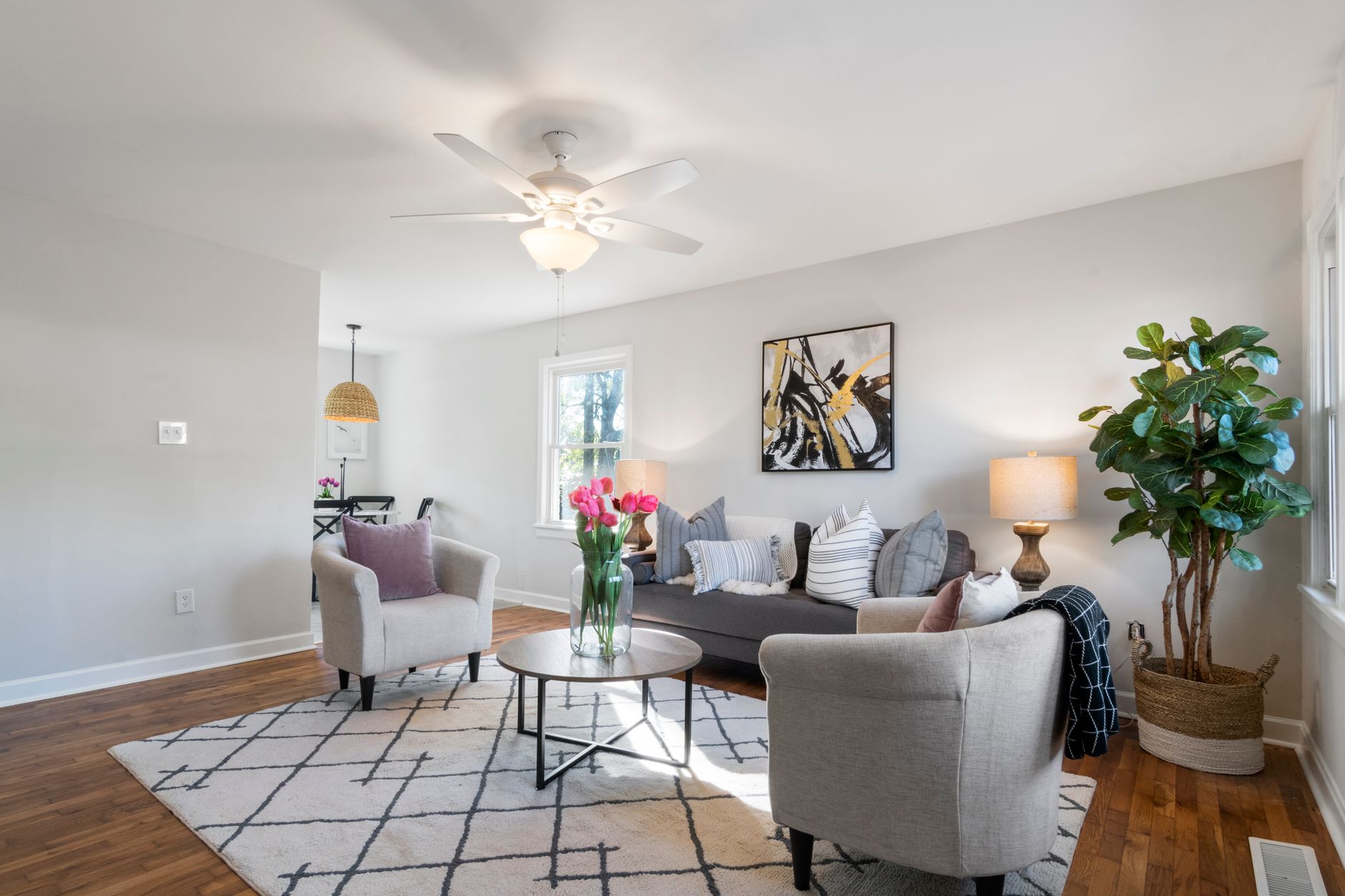
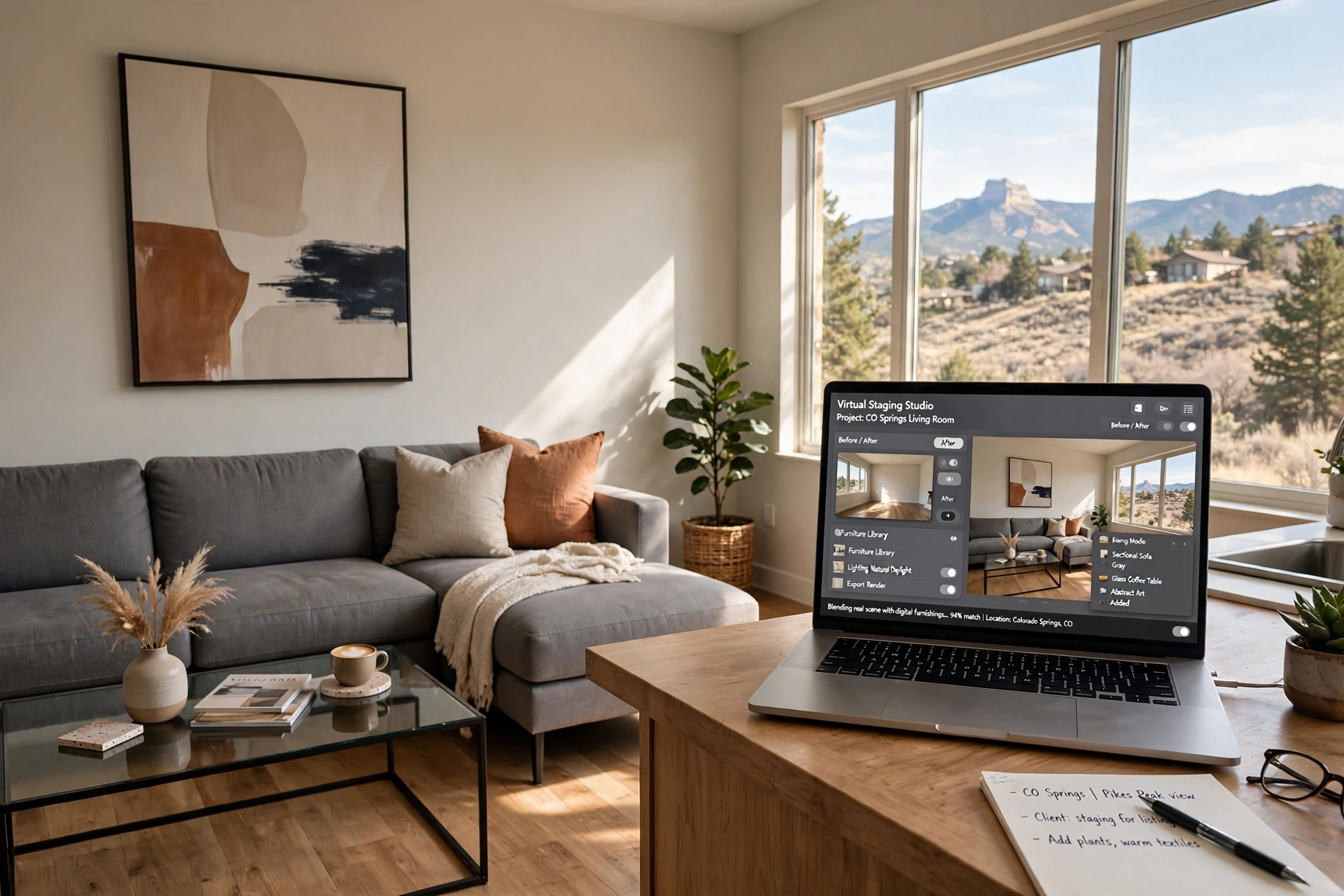
Empty rooms are a psychological barrier for buyers in the Pikes Peak region. When a potential buyer walks into a vacant property in Colorado Springs, they don't see a home; they see a series of empty boxes and struggle to visualize where their sectional or king-sized bed will actually fit. This is why virtual furniture staging in Colorado Springs has become the gold standard for high-performing real estate agents. By using advanced computer vision to digitally insert photorealistic furniture into a space, agents can evoke an emotional response and demonstrate the full potential of a property without the logistical nightmare and cost of renting physical furniture.
Why are Colorado Springs Real Estate Professionals Adopting Virtual Staging?
The shift toward digital-first property discovery in the El Paso County market is not a trend; it is a fundamental change in consumer behavior. In my experience working with real estate professionals across the Front Range, the pattern is clear: buyers now decide whether to visit a property based on the first three photos they see on the Multiple Listing Service (MLS). If those photos show a cold, echoing empty room, the property lingers on the market. When those same rooms are virtually staged to reflect the local aesthetic—think mountain modern or transitional Southwestern—the click-through rate spikes immediately.
This transition is backed by broader industry data. According to a report by the National Association of Realtors, staged homes typically sell faster and for more money than non-staged homes because they help buyers envision a lifestyle rather than just a structure. In a competitive market like Colorado Springs, where inventory fluctuates, the ability to make a home feel 'move-in ready' through digital means provides a massive competitive edge.
Furthermore, the rise of artificial intelligence in image editing has removed the 'uncanny valley' effect. Early versions of digital staging looked like floating 3D models. Today, the integration of AI ensures that lighting, shadows, and perspective are mathematically accurate. According to McKinsey's research on AI adoption in professional services, the deployment of generative AI for visual content creation has reduced production times by over 70%, allowing agents to go from a photoshoot to a live, staged listing in a matter of hours rather than weeks.
Key Benefits of Virtual Furniture Staging for Local Listings
Integrating virtual staging into your marketing strategy provides a multifaceted advantage that physical staging simply cannot match in terms of scalability and cost.
Drastic Reduction in Overhead Costs
Physical staging is an expensive gamble. Renting a furniture package for a mid-sized home in Colorado Springs can cost thousands of dollars per month, not including delivery and installation fees. Virtual staging eliminates this overhead entirely. Instead of paying for a warehouse of sofas and rugs, you pay a fraction of the cost for a digital render that looks identical in the listing photos. This allows agents to stage every single room, including awkward spaces like small dens or oversized basements, without worrying about the budget.
Faster Turnaround for Market Entry
In the real estate world, time is the enemy. Every day a property sits vacant is a day of holding costs for the seller. The traditional staging process involves measuring rooms, selecting furniture, and scheduling delivery. With virtual furniture staging in Colorado Springs, the process is nearly instantaneous. Once the photos are taken, the AI can populate the room with a curated design style in seconds. This means a listing can go live on the MLS with professional visuals while the physical house is still being cleaned for the open house.
Emotional Connection and Space Visualization
Most buyers lack the spatial awareness to understand if a room is truly large or just empty. A vacant room often looks smaller than it actually is because there are no scale references. By adding a realistically scaled dining set or a living room arrangement, you provide the buyer with a mental map. This reduces the 'friction' of the buying process; the buyer no longer has to wonder if their furniture will fit, which makes them more likely to submit a higher offer.
📚
Definition
Computer Vision is a field of artificial intelligence that enables computers and systems to derive meaningful information from digital images, videos, and other visual inputs, allowing for the precise placement of furniture in a 2D photo to create a 3D illusion.
Comparison: Staging Methods for Colorado Springs Listings
| Feature | Physical Staging | Low-End AI Tools | RealVisionAI Professional Approach |
|---|---|---|---|
| Initial Cost | High ($2k - $5k+) | Low (Subscription) | Moderate/Low (Per Image) |
| Setup Time | Days/Weeks | Minutes | Seconds (12-sec processing) |
| Visual Quality | Perfect (Real) | Often 'Floaty' or Fake | Photorealistic & Scale-Accurate |
| Flexibility | Low (Hard to move) | High (Infinite styles) | High (Curated design sets) |
| Logistics | High (Trucks/Movers) | None | None |
💡
Key Takeaway
Virtual staging is the only method that allows for high-end aesthetic appeal across 100% of a property's rooms without the logistical friction or recurring monthly rental costs of physical furniture.
Real-World Examples: Transforming Colorado Springs Properties
To understand the impact of this technology, we need to look at the actual numbers. I've analyzed several listings in the Broadmoor and Briargate areas where the transition to virtual staging fundamentally changed the sales trajectory.
Case Study 1: The Vacant Mid-Century Modern (North End)
A 3-bedroom home sat on the market for 42 days with high-quality but empty photos. The seller was receiving few inquiries, and the feedback was that the house felt 'cold.' We applied virtual furniture staging to the living room, primary bedroom, and dining area using a 'Mountain Modern' palette. Within 72 hours of updating the MLS photos, the property saw a 300% increase in scheduled showings. The home sold in 11 days at 2% over the asking price. The buyer specifically mentioned that the staged photos helped them imagine how to utilize the open-concept layout.
Case Study 2: The Luxury New Build (Briargate)
A brand new luxury build had massive square footage but lacked soul. Physical staging for a house of this size would have cost upwards of $7,000. Instead, we utilized a comprehensive virtual staging package. By populating the expansive great room with a contemporary seating arrangement and the home office with a high-end executive suite, we created a narrative of success and luxury. This approach reduced the days-on-market by an average of 15 days compared to similar unstaged new builds in the same zip code.
How to Get Started with Virtual Furniture Staging
Transitioning to a digital staging workflow is simpler than most agents realize. You do not need to be a tech expert or a graphic designer; you simply need a high-quality base image and a clear vision of the target buyer.
- Capture High-Resolution Imagery: Start with professional architectural photography. AI works best when the lighting is balanced and the angles are wide. Avoid using phone photos with heavy distortion, as this can lead to unrealistic furniture scaling.
- Define the Target Buyer Persona: Is the home a starter for a young couple in Old Colorado City or a retirement retreat in the foothills? Choose a furniture style—Modern, Traditional, or Minimalist—that aligns with the demographic most likely to buy the home.
- Upload to an AI Studio: This is where the magic happens. Use a specialized platform like RealVisionAI Blog - AI Real Estate Photography & Virtual Staging. Unlike generic photo editors, this tool is specifically tuned for real estate geometry.
- Refine and Review: Ensure the furniture placement doesn't block architectural features (like a beautiful fireplace or a large window). The goal is to enhance the space, not hide it.
- Deploy Across All Channels: Update your MLS listing, Zillow, Realtor.com, and social media ads simultaneously. Use a 'Virtually Staged' disclaimer in the photo captions to maintain transparency with buyers.
In my experience, the biggest mistake agents make is staging too many rooms in the same style. A home feels more natural when the bedroom is 'cozy' and the living room is 'sophisticated,' rather than using a single furniture catalog for the entire house. By leveraging the speed of RealVisionAI Blog - AI Real Estate Photography & Virtual Staging, you can experiment with different styles for different rooms in under 12 seconds per image.
Common Objections to Virtual Staging and the Data-Backed Truth
Despite the obvious benefits, some agents and sellers remain skeptical. Here is how the data actually stacks up against common misconceptions.
Objection 1: "It looks fake and misleads the buyer."
Most people assume that digital furniture looks like a video game from 2010. However, current computer vision technology uses global illumination and ambient occlusion to mimic how light actually hits a surface. When executed professionally, it is nearly impossible for a buyer to distinguish a virtually staged photo from a physically staged one in a digital thumbnail. The key is using a professional service rather than a free mobile app.
Objection 2: "Buyers will feel cheated when they arrive and the house is empty."
This is a common fear, but the data shows the opposite. The purpose of staging is not to trick the buyer into thinking the furniture comes with the house, but to show them what is possible. According to industry benchmarks from digital marketing agencies, staged photos increase 'dwell time' on a listing. Once the buyer is emotionally invested in the potential of the space, the fact that it is physically empty during the walkthrough becomes a secondary detail.
Objection 3: "It's too much work to coordinate the edits."
Agents often think they need to spend hours in Photoshop. The reality is that AI has commoditized this process. What used to take a professional editor 4 hours per room now takes a specialized AI engine about 12 seconds. The workflow is now as simple as uploading a photo and selecting a style.
Frequently Asked Questions
Does virtual furniture staging actually increase the final sale price in Colorado Springs?
Yes, it significantly contributes to a higher perceived value. While the furniture itself isn't being sold, the 'perceived utility' of the space increases. When a buyer can see that a room comfortably fits a king-sized bed and two nightstands, they stop worrying about measurements and start focusing on the lifestyle. This psychological shift often leads to more aggressive bidding wars and a higher final offer, as the home feels like a completed product rather than a project.
How is virtual staging different from traditional 3D rendering?
Traditional 3D rendering often involves building a digital model of the entire house from scratch using blueprints, which is incredibly time-consuming and expensive. Virtual staging, on the other hand, takes an existing 2D photograph and uses AI to 'overlay' furniture into the scene. It is much faster, more cost-effective, and relies on the actual lighting and texture of the real room, making it look more natural to the human eye.
Which rooms should I prioritize for virtual staging first?
If you are on a budget, prioritize the 'money shots.' This typically includes the living room, the primary bedroom, and the kitchen/dining area. These are the rooms that drive the most emotional engagement. In Colorado Springs, emphasizing a large, cozy living room with mountain-modern furniture often resonates most with buyers looking for a retreat-style home. Avoid staging bathrooms or laundry rooms, as the value add is minimal compared to the effort.
Is it legal to use virtually staged photos on the MLS in Colorado?
Yes, it is completely legal and widely accepted across the industry. However, ethical transparency is paramount. The best practice, and often a requirement of local MLS boards, is to include a small watermark or a caption stating, 'Virtually Staged.' This ensures that buyers are aware the furniture is digital, preventing any disputes during the physical showing while still reaping the benefits of the enhanced visuals.
How long does it take to get the staged photos back?
Depending on the provider, it can range from 24 hours to several days. However, utilizing cutting-edge AI platforms like RealVisionAI Blog - AI Real Estate Photography & Virtual Staging reduces this window to mere seconds. For a fast-moving market like Colorado Springs, where a listing can be snapped up over a weekend, the ability to generate market-ready visuals in 12 seconds is a critical operational advantage.
Final Thoughts on Virtual Furniture Staging in Colorado Springs
In a market as visually driven as the one in the Pikes Peak region, you cannot afford to let a property's potential be hidden by empty walls and echoing rooms. Virtual furniture staging in Colorado Springs is no longer just an 'extra' service; it is an essential component of a modern digital marketing strategy for real estate. By bridging the gap between a vacant space and a dream home, you remove the mental hurdles that prevent buyers from making an offer.
If you are tired of watching listings linger or spending thousands on physical staging that only works for one property, it is time to pivot to an AI-driven workflow. Experience the difference that precision, speed, and professional aesthetics can make in your conversion rates. Stop guessing if your clients will love a space and start showing them exactly why they should.
Ready to transform your listings in seconds? Visit RealVisionAI Blog - AI Real Estate Photography & Virtual Staging today and start delivering market-ready visuals that sell homes faster.
Recommended Readings
To deepen your understanding of these topics, we recommend reading the following articles:
- Virtual Furniture Staging in Miami
- Virtual Furniture Staging in Omaha
- Virtual Furniture Staging in Raleigh
- Virtual Furniture Staging
Free Real Estate AI Visual Playbook 2026
Discover how top realtors boost listing engagement by 62% and close deals faster using AI photo enhancement and virtual staging.