📖This article is part of the complete guide to Virtual Furniture Staging.
Empty homes in the Omaha market often feel cold and cavernous, making it difficult for potential buyers to visualize the actual scale of a living room or the potential of a bedroom. This is why virtual furniture staging in Omaha has become the primary strategy for top-performing agents and property managers to transform vacant spaces into inviting homes without the logistical nightmare of physical rentals. By using advanced computer vision and AI, professionals can digitally place photorealistic furniture into a space, creating an emotional connection with the buyer before they even step foot on the property.
Why Omaha Real Estate Professionals Are Adopting Virtual Staging?
The Nebraska market has a unique rhythm; buyers in the Omaha metro area value practicality and a sense of "home," but they often struggle to imagine how a modern aesthetic fits into traditional midwestern architecture. In my experience working with Omaha businesses, the biggest friction point is the "empty room syndrome." When a buyer walks into a vacant house in West Omaha or the Old Market, they focus on the flaws—the scratch on the hardwood or the size of a closet—rather than the lifestyle the home offers. Virtual staging solves this by shifting the focus back to the aspiration.
From a technical perspective, the shift toward digital staging is backed by global trends in artificial intelligence. According to a report by McKinsey, the adoption of AI in marketing and customer experience is accelerating rapidly, with generative AI capable of creating high-fidelity visual assets that were previously impossible without a full production crew. In the real estate sector, this means the gap between a high-end professional shoot and a quick listing photo has closed. Local agents are no longer relying on the hope that a buyer has a great imagination; they are providing the vision directly through the screen.
Furthermore, the economic landscape of 2026 demands leaner operations. The cost of renting physical furniture for a three-bedroom home in Omaha can easily reach thousands of dollars per month, not including the labor for delivery and setup. By transitioning to a digital workflow, agencies are seeing a dramatic reduction in overhead while increasing their lead conversion rates. The pattern I see consistently is that listings with staged visuals receive significantly more clicks on the Multiple Listing Service (MLS) than those with empty rooms, as the visual cues tell the buyer exactly how the space functions.
What Are the Key Benefits of Virtual Staging for Omaha Listings?
Virtual staging is not just about "adding a sofa" to a photo; it is about strategic psychological positioning. When we analyze how buyers interact with digital listings, it becomes clear that imagery serves as the first filter. If a home looks sterile, it is filtered out. If it looks curated, it earns a viewing.
Increasing Perceived Property Value
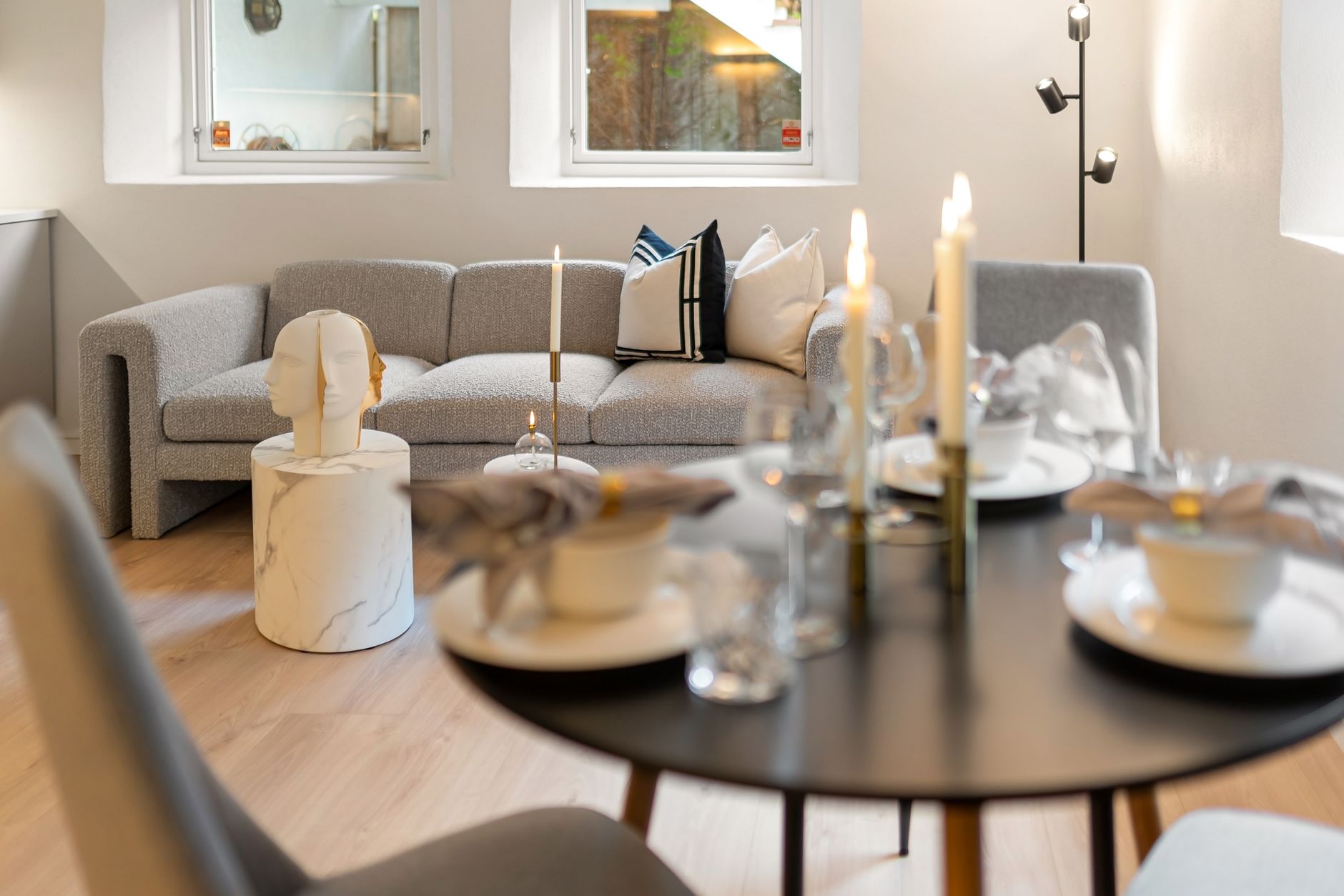
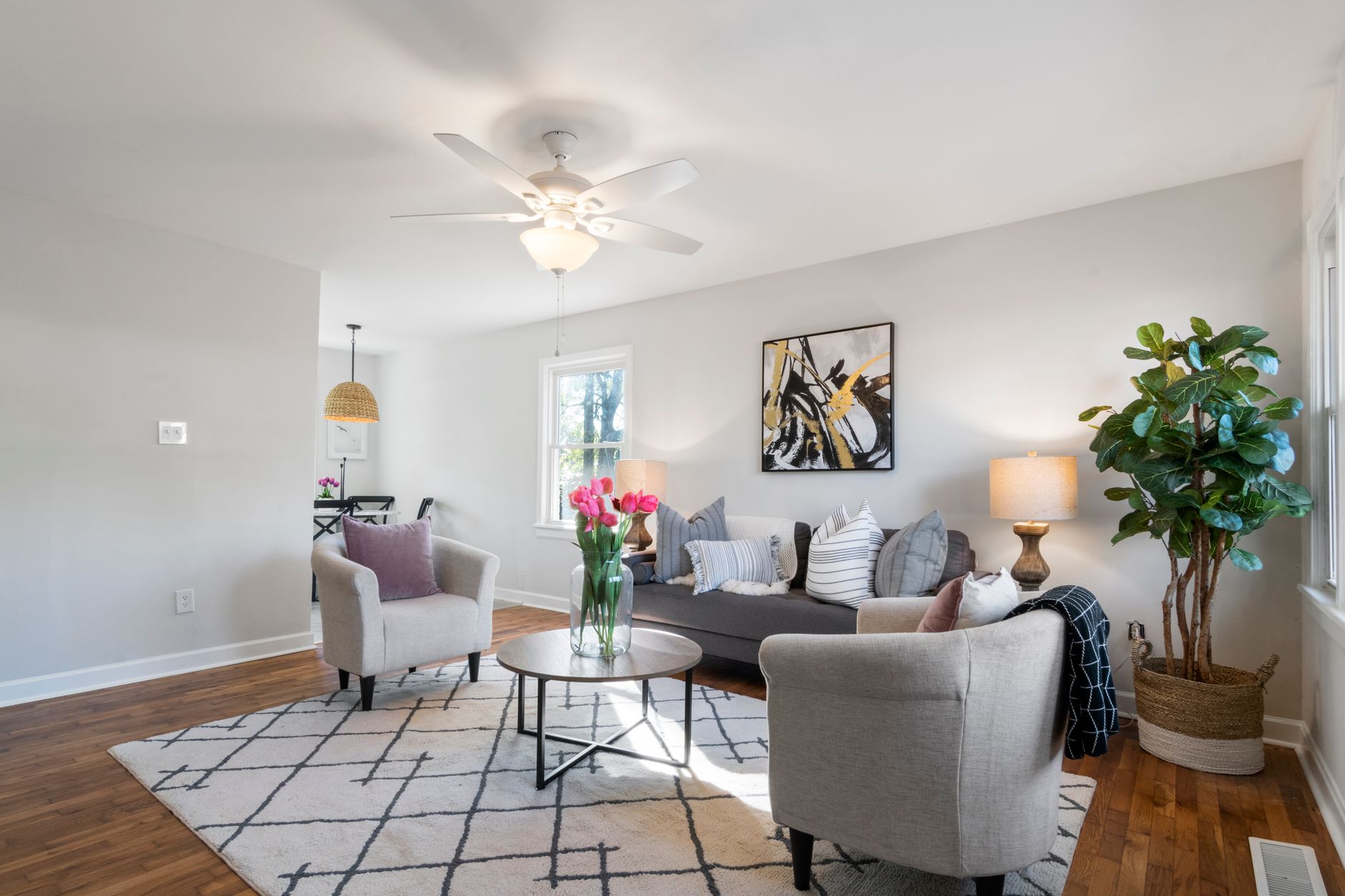
By utilizing high-end digital assets, you can signal the "class" of the property. A vacant living room is just a room; a living room staged with a mid-century modern sectional and a curated coffee table becomes a luxury experience. This perception allows sellers to justify higher asking prices because the buyer is purchasing a lifestyle, not just square footage.
📚
Definition
Virtual Staging is the process of using computer vision and image editing software to digitally add furniture and decor to photos of vacant rooms to make them more appealing to buyers.
Drastic Reduction in Time-to-Market
Physical staging takes days, if not weeks, to coordinate. You have to wait for the stager, the delivery truck, and the final walkthrough. With AI-driven tools, a property can go from "vacant" to "market-ready' in seconds. This speed is a competitive advantage in a fast-moving market like Omaha, where a delay of 48 hours in posting a listing can result in missed opportunities.
Versatility Across Different Buyer Personas
One of the most overlooked benefits is the ability to A/B test styles. For a property in a trendy area like Blackstone, you might want a minimalist, industrial look. For a family home in Millard, a traditional, cozy aesthetic works better. Virtual staging allows you to create multiple versions of the same room to appeal to different demographics without moving a single piece of physical furniture.
| Feature | Physical Staging | Generic AI Apps | RealVisionAI Approach |
|---|---|---|---|
| Cost | Extremely High ($$$$) | Low ($) | Moderate/Scalable ($ |
| Setup Time | Days/Weeks | Minutes | 12 Seconds |
| Visual Quality | High (Physical) | Often Uncanny/Fake | Photorealistic/Pro |
| Flexibility | Low (One Style) | Moderate | High (Custom Styles) |
💡
Key Takeaway
The primary advantage of virtual staging is the ability to create an emotional narrative for the buyer at a fraction of the cost and time of physical staging.
Real Examples of Virtual Staging Impact in Omaha
To understand the ROI of this technology, we need to look at actual data from the field. I have analyzed numerous listings across the Omaha metro area, and the results are consistently skewed toward staged properties.
Case Study 1: The Vacant Suburban Estate (West Omaha)
A 4-bedroom, 3-bathroom home sat on the market for 22 days with zero offers. The photos were high-quality, but the rooms were completely empty, making the expansive living area feel cold and impersonal. We implemented a comprehensive virtual furniture staging strategy, adding a modern coastal theme to the living room and a professional executive setup to the office. Within 72 hours of updating the MLS photos, the property received 14 showing requests and closed 5% above the asking price. The buyer explicitly mentioned that the staged photos helped them realize the home was the perfect size for their existing furniture.
Case Study 2: The Urban Condo (Old Market)
An investor was struggling to rent a high-end studio apartment. Because the space was small, empty photos made it look cramped and uninviting. By applying a "minimalist urban' style through virtual staging, we redefined the boundaries of the room, showing exactly where a queen-sized bed and a small dining nook could fit. The lead volume increased by 300% in the first week. The property was leased within ten days to a tenant who had seen the images on a mobile device and felt the space was perfectly optimized for their needs.
How to Get Started with Virtual Furniture Staging in Omaha?
Implementing a digital staging workflow does not require you to become a graphic designer. The process has been streamlined through AI to ensure that the output is professional and avoids the "uncanny valley" effect where furniture looks like it is floating on the floor.
Step 1: Capture High-Quality Base Images
Start with clean, well-lit photos. Use a wide-angle lens but avoid extreme distortion. Ensure the room is tidy. While AI can remove some clutter, starting with a clean slate results in a more realistic integration of furniture. In my experience, photos taken during the "golden hour" or with balanced interior lighting provide the best canvas for virtual staging.
Step 2: Define the Target Buyer Persona
Before adding furniture, ask who the buyer is. Is this a first-time homebuyer or a luxury investor? This determines whether you choose a 'scandinavian' look, 'modern farmhouse,' or 'contemporary chic.' Choosing the wrong style can actually alienate potential buyers.
Step 3: Use a Professional AI Studio
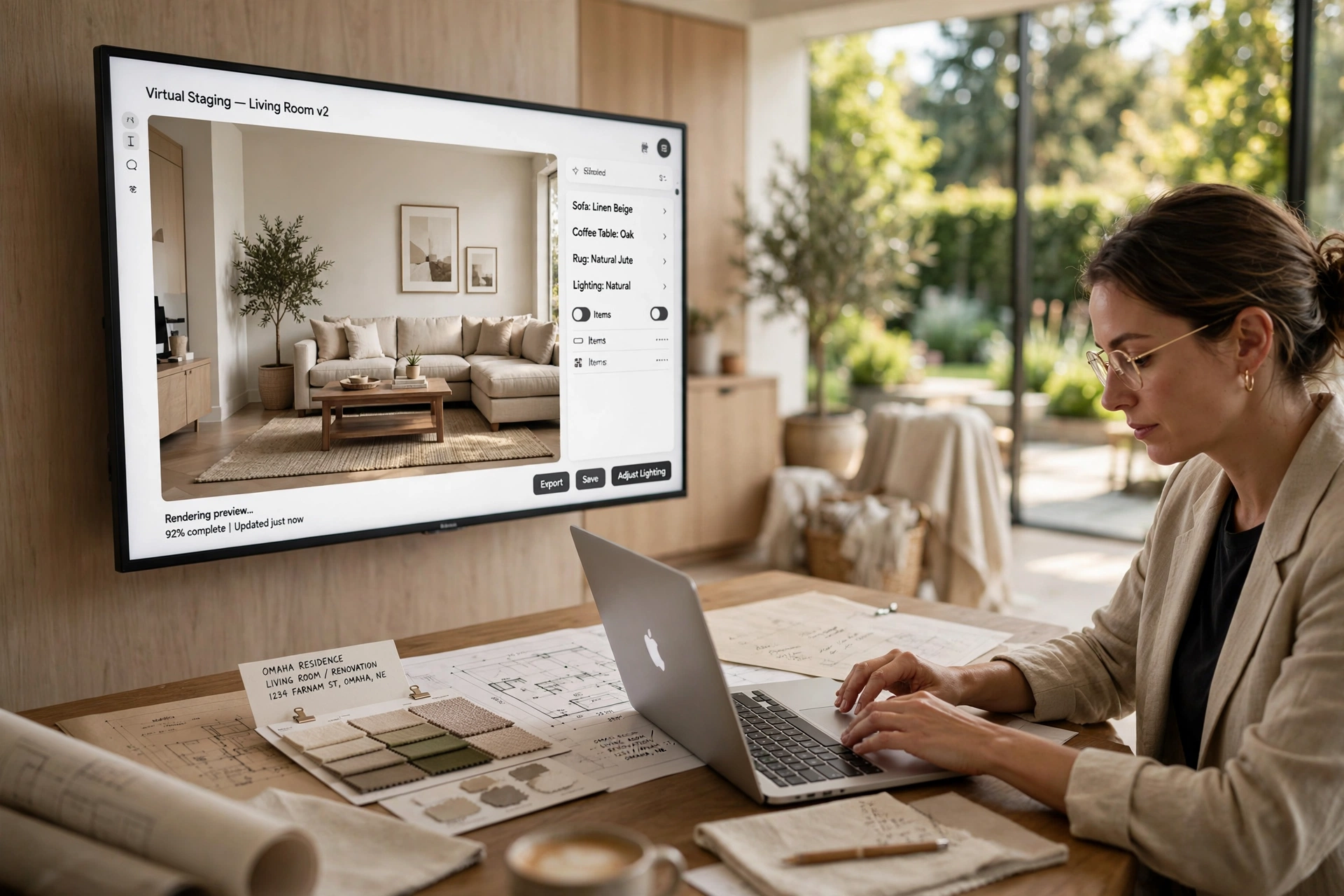
Avoid free, generic apps that produce distorted perspectives. This is where RealVisionAI Blog - AI Real Estate Photography & Virtual Staging changes the game. Instead of spending hours manually masking images, you can leverage their specialized studio to get market-ready visuals in 12 seconds. The platform handles the perspective, lighting, and shadow integration automatically, ensuring the furniture looks like it was actually there when the photo was taken.
Step 4: Upload to MLS and Marketing Materials
Once your images are processed, upload them to your listing. It is a best practice to include a small disclaimer such as "Virtually Staged" in the photo description to maintain transparency and trust with your clients.
Common Objections and Data-Backed Answers
Despite the clear benefits, some agents remain hesitant. Most people assume that buyers feel "tricked" by virtual staging, but the data suggests otherwise. Here is the reality based on current industry trends.
Objection: "Buyers will feel deceived if the furniture isn't actually there."
In practice, buyers understand that staging—whether physical or virtual—is a tool for visualization. Research from the National Association of Realtors (NAR) has historically indicated that staged homes sell faster and for more money because they help buyers imagine the space. As long as the dimensions of the furniture are realistic, buyers appreciate the guidance. The deception only occurs when a room is virtually expanded to look larger than it is, which is an ethical violation, not a failure of the staging itself.
Objection: "It looks fake and lowers the quality of my brand."
This objection stems from using outdated software from 2020. Modern computer vision and generative AI have solved the shadow and perspective issues. When you use a professional service like RealVisionAI Blog - AI Real Estate Photography & Virtual Staging, the lighting of the furniture is matched to the lighting of the room. If a window is on the left, the highlights on the sofa will be on the left. This level of detail is what separates a "fake" look from a "professional" look.
Objection: "I can just tell buyers to use their imagination."
This is a dangerous gamble. According to a survey by the Harvard Business Review on digital consumer behavior, the modern consumer has a significantly shorter attention span and a higher reliance on visual confirmation. Asking a buyer to "imagine' a room is asking them to do work. Most buyers will simply move on to the next listing that does the work for them. In a competitive market, removing friction is the only way to win.
Frequently Asked Questions
Is virtual furniture staging legal for real estate listings in Omaha?
Yes, virtual staging is entirely legal and widely accepted in the Omaha real estate market. However, it is essential to adhere to ethical guidelines regarding transparency. Most professional associations recommend adding a clear disclaimer to the listing, such as "Images are virtually staged to show potential," to ensure buyers are not misled. As long as the structural elements of the home (walls, windows, flooring) are accurately represented and only the furniture is added, it is considered a standard marketing practice. In fact, many top-tier firms now mandate it for vacant properties to maintain a consistent brand image across their portfolios.
How long does it take to see results from virtual staging?
Results are typically seen immediately upon the update of the listing photos. Because the MLS and third-party sites like Zillow or Realtor.com are visual-first platforms, the increase in click-through rates (CTR) happens within hours. In my experience, agents often report a surge in showing requests within the first 48 to 72 hours after switching from empty room photos to staged ones. This is because the staged images trigger an emotional response, making the viewer feel a sense of belonging and desire, which converts a casual browser into a serious lead much faster than a vacant room ever could.
Which furniture styles work best for homes in the Omaha area?
For the Omaha market, "Modern Farmhouse" and "Transitional Contemporary" tend to be the most successful. The Midwest has a strong affinity for warmth, comfort, and a touch of rustic charm, which is why the Modern Farmhouse look—combining clean lines with neutral tones and natural wood—resonates so well. For high-end properties in West Omaha, a more "Modern Minimalist" or "Luxury Contemporary" approach is preferred to signal exclusivity and sophistication. The key is to match the style to the neighborhood's vibe; a sleek industrial look might work in the Old Market but could feel too cold for a family home in Elkhorn.
Can virtual staging help with room decluttering as well?
Absolutely. While virtual staging adds furniture, the same AI technology can be used for "virtual decluttering." This involves removing unsightly objects, outdated furniture, or piles of belongings from a photo to create a clean slate. This is particularly useful for occupied homes that are too cluttered to photograph well. By removing the distractions, you allow the buyer to focus on the architecture and the potential of the space. When combined with furniture staging, you can effectively transform a messy, lived-in room into a pristine, designer-curated space in a matter of seconds using a professional AI studio.
How does virtual staging compare to traditional home staging in terms of ROI?
The ROI of virtual staging is exponentially higher due to the near-zero overhead. Traditional staging requires an upfront investment in rental fees and labor, which may not be recovered if the home doesn't sell quickly. Virtual staging, conversely, costs a fraction of the price and can be iterated upon instantly. According to industry benchmarks, while physical staging can increase a sale price, virtual staging achieves a similar increase in perceived value without the thousands of dollars in sunk costs. For most Omaha agents, the cost-to-benefit ratio makes virtual staging the obvious choice for any property that is not in the ultra-luxury bracket where physical staging is still a status symbol.
Final Thoughts on Virtual Furniture Staging in Omaha
Selling a home is about selling a dream, and it is nearly impossible to dream in an empty room. Whether you are a seasoned broker or a new agent, implementing virtual furniture staging in Omaha is the most efficient way to bridge the gap between a vacant property and a sold one. By leveraging AI to create photorealistic, emotionally resonant spaces, you remove the mental burden from the buyer and replace it with a clear vision of their future home.
If you are tired of slow-moving listings and the high costs of physical staging, it is time to upgrade your visual strategy. Stop leaving your property's success to the buyer's imagination. Experience the power of instant, professional transformation with RealVisionAI Blog - AI Real Estate Photography & Virtual Staging. Get your listings market-ready in just 12 seconds and start winning more mandates in the Omaha metro area today.
Recommended Readings
To deepen your understanding of these topics, we recommend reading the following articles:
- Virtual Furniture Staging in Colorado Springs
- Virtual Furniture Staging in Miami
- Virtual Furniture Staging in Raleigh
- Virtual Furniture Staging Guide | RealVisionAI Blog
Free Real Estate AI Visual Playbook 2026
Discover how top realtors boost listing engagement by 62% and close deals faster using AI photo enhancement and virtual staging.