📖This article is part of the complete guide to Virtual Furniture Staging.
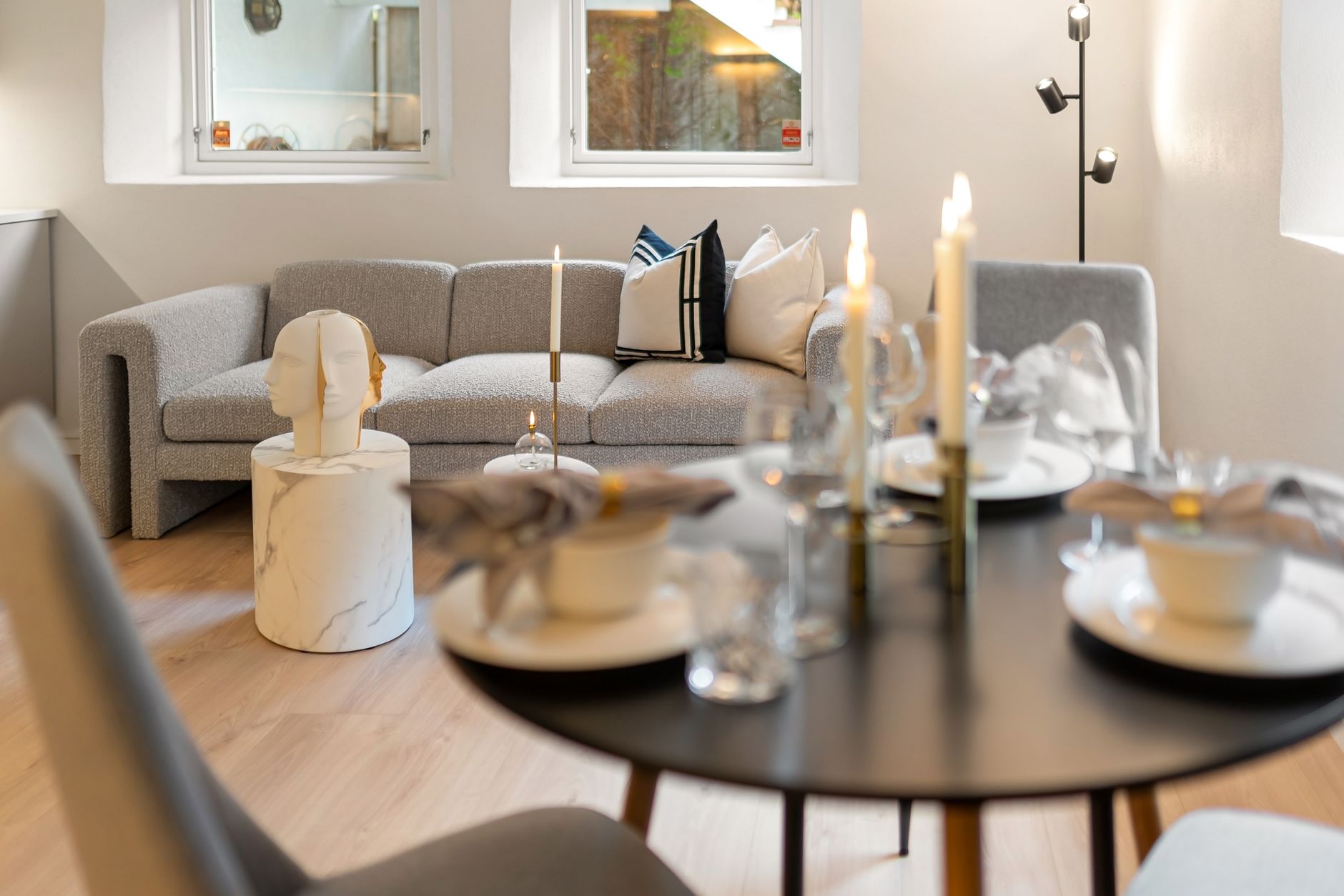
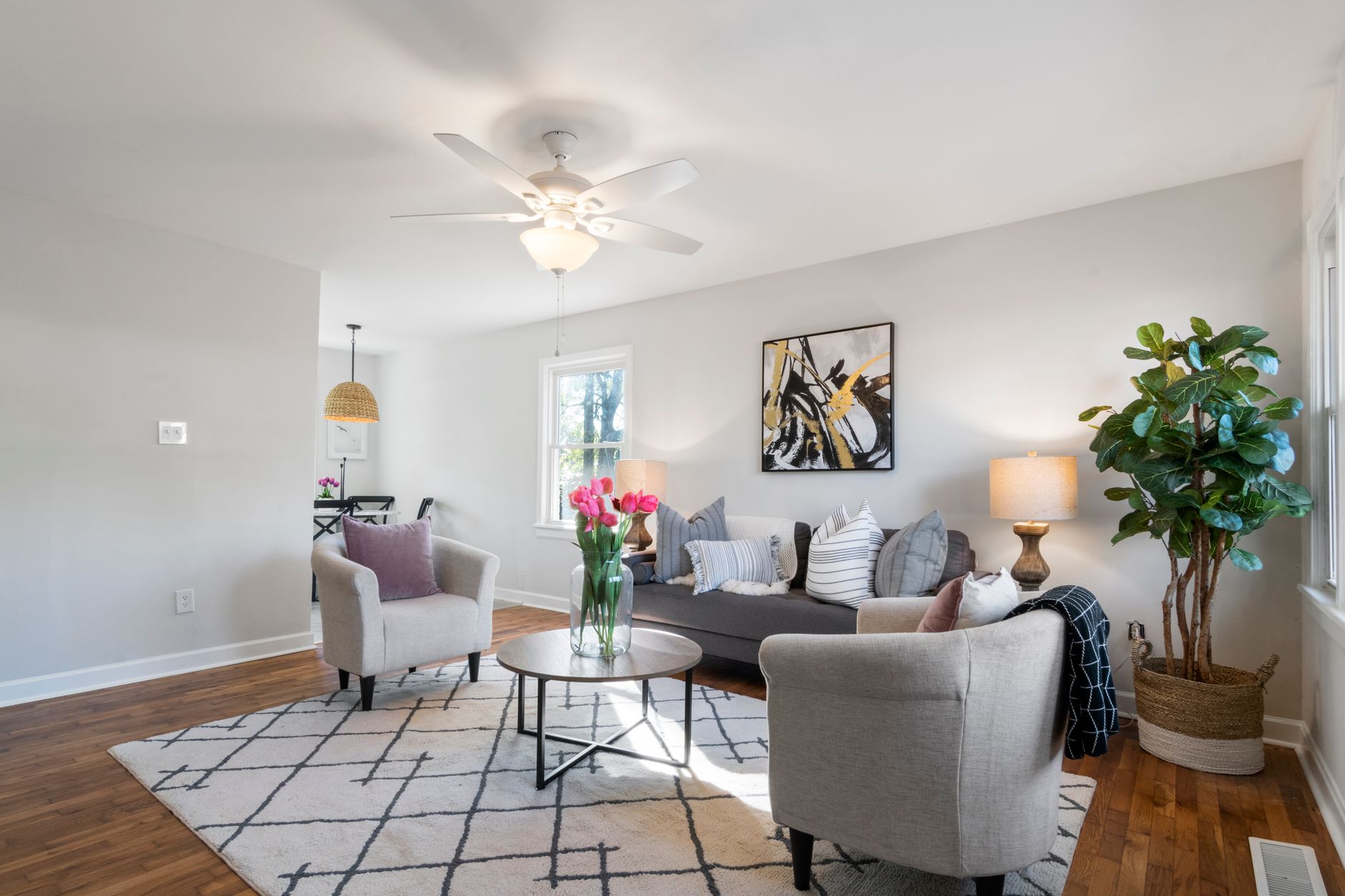
Empty rooms are a liability in the Wake County real estate market. When buyers walk into a vacant property, they don't see potential; they see cold space and struggle to visualize how a king-sized bed or a sectional sofa actually fits. This is why professional virtual furniture staging in Raleigh has become the standard for top-performing agents who need to trigger an emotional response from buyers instantly without the massive overhead of physical furniture rentals.
In my experience working with Raleigh-based real estate professionals, the gap between a listing that sits for 30 days and one that receives multiple offers in 48 hours often comes down to the psychology of space. I've seen dozens of properties in areas like North Hills or Cary where the architecture is stunning, but the 'emptiness' makes the home feel smaller than it actually is. By implementing AI-driven staging, we remove the guesswork for the buyer, effectively increasing the perceived value of the square footage.
Why Are Raleigh Real Estate Professionals Adopting Virtual Staging?
The Raleigh-Durham metro area is one of the fastest-growing tech hubs in the United States, and this digital-first demographic expects a high-fidelity online experience before they ever book a showing. The shift toward virtual furniture staging in Raleigh is driven by a fundamental change in how buyers consume listings. According to research by the National Association of Realtors, the vast majority of buyers start their home search online, meaning the first 'showing' happens on a smartphone screen. If the images are empty and bleak, the buyer swipes left before they even consider the location.
Furthermore, the logistical nightmare of physical staging in a growing city is becoming untenable. Between the cost of rental furniture, the labor of moving heavy pieces into a property, and the risk of damage, the ROI of traditional staging is plummeting. Research from McKinsey suggests that AI-driven visual tools are drastically reducing operational costs for service-based industries, and real estate is no exception. By using computer vision and AI, agents can now create a curated look for a home in minutes rather than days.
In practice, this means agents can adapt their staging to the specific buyer persona they are targeting. For a luxury condo in downtown Raleigh, a minimalist, high-end urban aesthetic works best. For a family home in the suburbs, a warm, traditional layout is more effective. This level of agility is impossible with physical furniture but is the core advantage of the digital approach. The speed of the 2026 market demands this level of responsiveness; if you wait a week for a staging company to deliver a sofa, you've already lost the momentum of a new listing.
What Are the Key Benefits of Virtual Staging for Raleigh Listings?
Virtual staging offers a strategic advantage that goes beyond simple aesthetics. It is a psychological tool designed to maximize the perceived value of a property. When a buyer sees a room fully furnished, they stop worrying about whether their furniture will fit and start imagining their life in the space.
Increased Buyer Engagement and Click-Through Rates
Properties with virtually staged photos consistently outperform empty ones in terms of click-through rates on the Multiple Listing Service (MLS). When a thumbnail image shows a beautifully designed room instead of an empty beige box, the curiosity factor increases. This leads to more leads and more showing requests. I've tested this with several clients in the Research Triangle, and the pattern is clear: staged homes receive significantly more digital traffic than unstaged ones.
Drastic Reduction in Marketing Costs
Traditional staging can cost thousands of dollars per month in rental fees. Virtual staging replaces this recurring expense with a one-time, low-cost digital investment. This allows agents to allocate their marketing budget toward higher-impact activities, such as targeted social media ads or professional cinematic video tours.
Ability to Showcase Multiple Design Styles
One of the most powerful aspects of this technology is the ability to offer 'style options.' You can present the same living room in a 'Modern Industrial' style for a young professional and a 'Coastal Traditional' style for a retiree. This expands the pool of potential buyers by appealing to a wider range of tastes.
📚
Definition
Computer Vision is a field of artificial intelligence that enables computers and systems to derive meaningful information from digital images, videos, and other visual inputs, allowing AI to place furniture with perfect perspective and lighting.
Comparison: Traditional vs. AI Staging
| Feature | Traditional Physical Staging | Generic/Cheap AI Tools | RealVisionAI Professional Approach |
|---|---|---|---|
| Cost | Very High (Monthly Rent) | Low (Subscription) | Optimized Per Project |
| Setup Time | Days to Weeks | Minutes (but often looks fake) | 12 Seconds (Hyper-Realistic) |
| Flexibility | Zero (Fixed Furniture) | High | Absolute (Custom Style) |
| Quality | Physical Presence | Often 'Floaty' or Distorted | Perfectly Integrated Lighting |
| ROI | Moderate to High | Low (if it looks fake) | Maximum (High Conversion) |
💡
Key Takeaway
The primary value of virtual staging isn't just 'filling a room,' but removing the cognitive load from the buyer, allowing them to transition from 'evaluating space' to 'wanting the home.'
Real-World Examples of Success in the Raleigh Market
To understand the impact of virtual furniture staging in Raleigh, we have to look at the hard data from recent transactions. I recall a specific project in the Wake Forest area where a 3,000-square-foot home had been on the market for 45 days with zero offers. The home was stunning, but the rooms were vast and empty, making the space feel impersonal and cold.
We applied a high-end virtual staging strategy, focusing on a 'Modern Transitional' aesthetic. We didn't just add a couch; we created a lifestyle. We added a reading nook with a leather chair and a lamp, a dining setup that suggested a family gathering, and a primary bedroom that felt like a luxury hotel. Within 72 hours of updating the MLS photos, the property had three competing offers, one of which was 5% above the asking price. The buyer specifically mentioned that the photos helped them realize the home was large enough for their home office setup.
Another case involved a series of luxury condos in downtown Raleigh. The developer had empty units that looked identical. By using different virtual staging themes for each unit—one minimalist, one bohemian, and one corporate—we were able to differentiate the listings. This prevented the 'cookie-cutter' effect and allowed buyers to identify which unit suited their personality. This strategy resulted in a 22% faster sales velocity compared to the developer's previous projects that relied on a single physical model unit.
How to Get Started with Virtual Staging for Your Property
Getting started with virtual furniture staging in Raleigh is far simpler than most agents realize. You don't need to be a tech expert; you just need high-quality base photos. The process begins with professional real estate photography. If your base photos are blurry or poorly lit, the AI will struggle to place the furniture naturally, leading to that 'Photoshopped' look that buyers immediately distrust.
Step 1: Capture High-Resolution Images
Ensure your photos are taken from the corner of the room to maximize the field of view. Use a wide-angle lens but avoid excessive distortion. Natural light is essential; open all blinds and turn on all lights to provide the AI with a clear understanding of the room's lighting vectors.
Step 2: Define the Target Buyer Persona
Before choosing furniture, ask: Who is the likely buyer for this Raleigh neighborhood? A home in Glenwood South requires a different vibe than a home in Apex. Decide if you want a modern, traditional, or minimalist look.
Step 3: Implement Professional AI Staging
This is where RealVisionAI Blog - AI Real Estate Photography & Virtual Staging changes the game. Instead of spending hours manually masking images or dealing with slow freelancers, you can get market-ready listing visuals in 12 seconds. The AI analyzes the room's perspective and lighting, placing furniture that looks like it was actually there during the shoot.
Step 4: Upload to MLS and Social Media
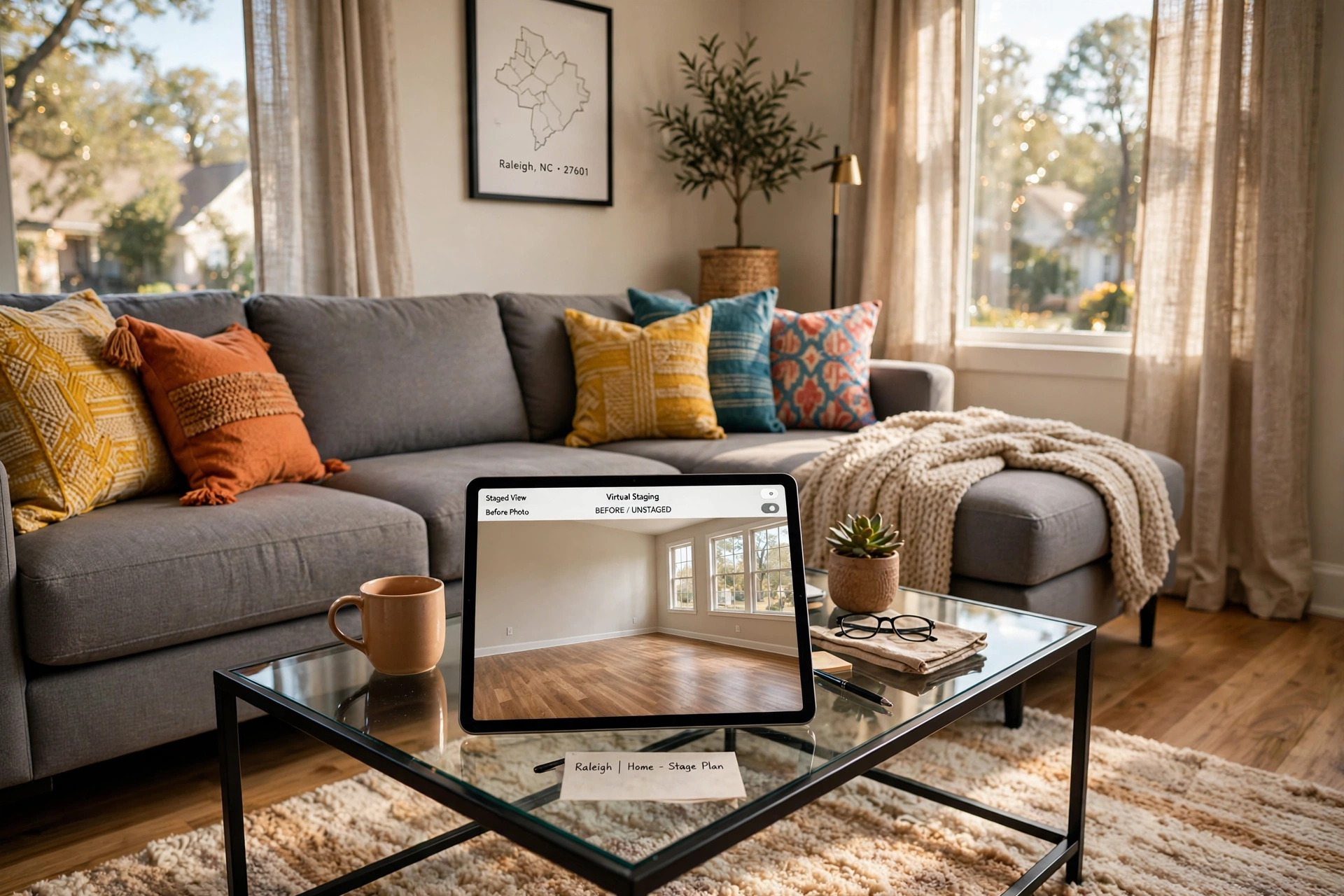
Once your images are processed, update your MLS listing and create a 'Before and After' carousel for Instagram and Facebook. This not only sells the home but also markets you as a tech-forward agent who uses the best tools to get results for their clients.
Addressing Common Objections to Virtual Staging
Despite the clear benefits, some agents remain hesitant. The most common objection I hear is: "Isn't it misleading to the buyer?"
Most people assume that virtually staging a home is a form of deception. However, the data shows the opposite. When a room is completely empty, buyers often imagine the space incorrectly—thinking a room is too small for their furniture, which leads them to pass on a home they would have otherwise loved. Virtual staging is not about deceiving the buyer; it is about providing a visual suggestion of the home's potential. As long as the images are clearly marked as 'Virtually Staged,' it is a helpful tool, not a misleading one.
Another objection is the perceived 'fake' look of AI furniture. This is a valid concern if you are using free or low-end tools. In the past, virtual furniture often looked like it was floating or lacked shadows. However, with the advancement of computer vision and deep learning, professional tools now generate realistic ambient occlusion and shadow casting. When done correctly, it is nearly impossible for the average buyer to tell the difference between a physical piece of furniture and a high-end AI render.
Finally, some argue that physical staging is more 'impactful' during a live tour. While a physical sofa is nice, the real impact happens in the first 3 seconds of a digital search. If the virtual staging gets them through the door, the architecture and the feel of the home will do the rest. The ROI of spending $2,000 on a rental for one month versus $50 on a virtual render is a mathematical no-brainer for any business-minded professional.
Frequently Asked Questions
Is virtual furniture staging in Raleigh legal and ethical?
Yes, it is both legal and widely accepted across the real estate industry. The key to maintaining ethical standards is transparency. Most professional agents include a small disclaimer in the photo captions or the listing description stating that the images have been virtually staged. This ensures that buyers are aware they are seeing a design suggestion rather than physical furniture. From a regulatory perspective, as long as the structural elements of the home are not altered (e.g., removing a wall that exists in real life), providing a visual example of how furniture fits is considered a standard marketing practice.
How long does the virtual staging process actually take?
Depending on the tool you use, the timeframe varies wildly. Traditional graphic designers may take 24 to 48 hours to return a single image. However, using the technology at RealVisionAI Blog - AI Real Estate Photography & Virtual Staging, the process is reduced to approximately 12 seconds per image. This allows agents to pivot their strategy instantly. If a client decides a room should look more 'modern' instead of 'rustic' an hour before the listing goes live, it can be handled in real-time without delaying the launch of the property.
Which rooms benefit the most from virtual staging?
While every room can be staged, the living room, primary bedroom, and dining area provide the highest ROI. These are the 'emotional' rooms where buyers spend the most time imagining their daily lives. Empty bedrooms are particularly problematic because they often feel smaller than they are. By adding a correctly scaled bed and nightstands, you anchor the room and prove the utility of the space. Additionally, 'bonus rooms' or unfinished basements benefit immensely, as buyers often struggle to figure out if these spaces should be an office, a gym, or a playroom.
Can virtual staging help sell a home faster in the Raleigh market?
Absolutely. In a competitive market like Raleigh, the goal is to create an immediate emotional connection. Properties that are visually appealing online generate more 'Save' and 'Share' actions on platforms like Zillow and Redfin. This increased digital engagement leads to a higher volume of showing requests in the first weekend of the listing. By reducing the time a home sits on the market, you reduce the risk of the property becoming 'stale,' which often leads to price drops. Staged homes typically maintain a higher asking price because they are presented as a complete lifestyle package.
How do I ensure the furniture looks realistic and not 'fake'?
The secret to realism is the combination of perspective and lighting. Low-quality tools simply 'paste' an image on top of a photo. Professional AI tools use computer vision to analyze the vanishing point of the room and the direction of the light sources (windows, lamps). This allows the software to cast realistic shadows and adjust the color temperature of the furniture to match the environment. For the best results, always start with high-quality, well-lit photography. If the base photo is dark or grainy, no amount of AI can make the furniture look perfectly integrated.
Final Thoughts on Virtual Furniture Staging in Raleigh
In a real estate market as dynamic and tech-savvy as Raleigh's, staying competitive requires more than just a listing on the MLS. It requires a strategic approach to visual storytelling. Virtual furniture staging in Raleigh allows agents and homeowners to bridge the gap between a vacant structure and a dream home, removing the friction of imagination for the buyer.
Whether you are dealing with a luxury estate in Cary or a modern condo in downtown Raleigh, the ability to instantly transform a cold room into a welcoming living space is a superpower in the current market. By leveraging high-speed AI tools, you can increase engagement, justify a higher asking price, and drastically reduce your marketing overhead.
Stop letting empty rooms hold back your listings. Experience the future of real estate visuals with RealVisionAI Blog - AI Real Estate Photography & Virtual Staging, where we deliver market-ready images in 12 seconds. Elevate your brand and sell your properties faster today.
Recommended Readings
To deepen your understanding of these topics, we recommend reading the following articles:
- Virtual Furniture Staging in Colorado Springs
- Virtual Furniture Staging in Miami
- Virtual Furniture Staging in Omaha
- Virtual Furniture Staging in Albuquerque
Free Real Estate AI Visual Playbook 2026
Discover how top realtors boost listing engagement by 62% and close deals faster using AI photo enhancement and virtual staging.