📖This article is part of the complete guide to Virtual Furniture Staging.
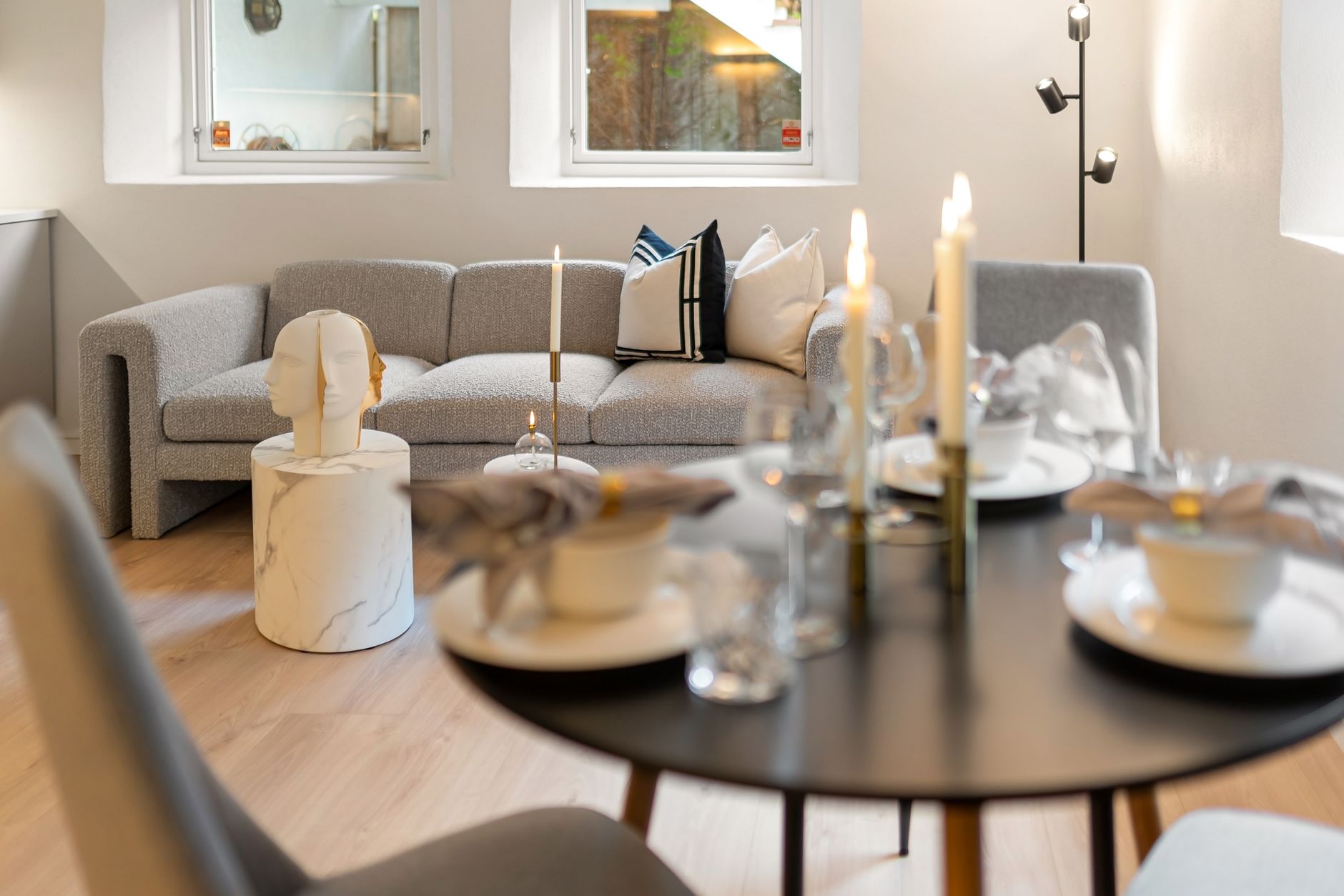
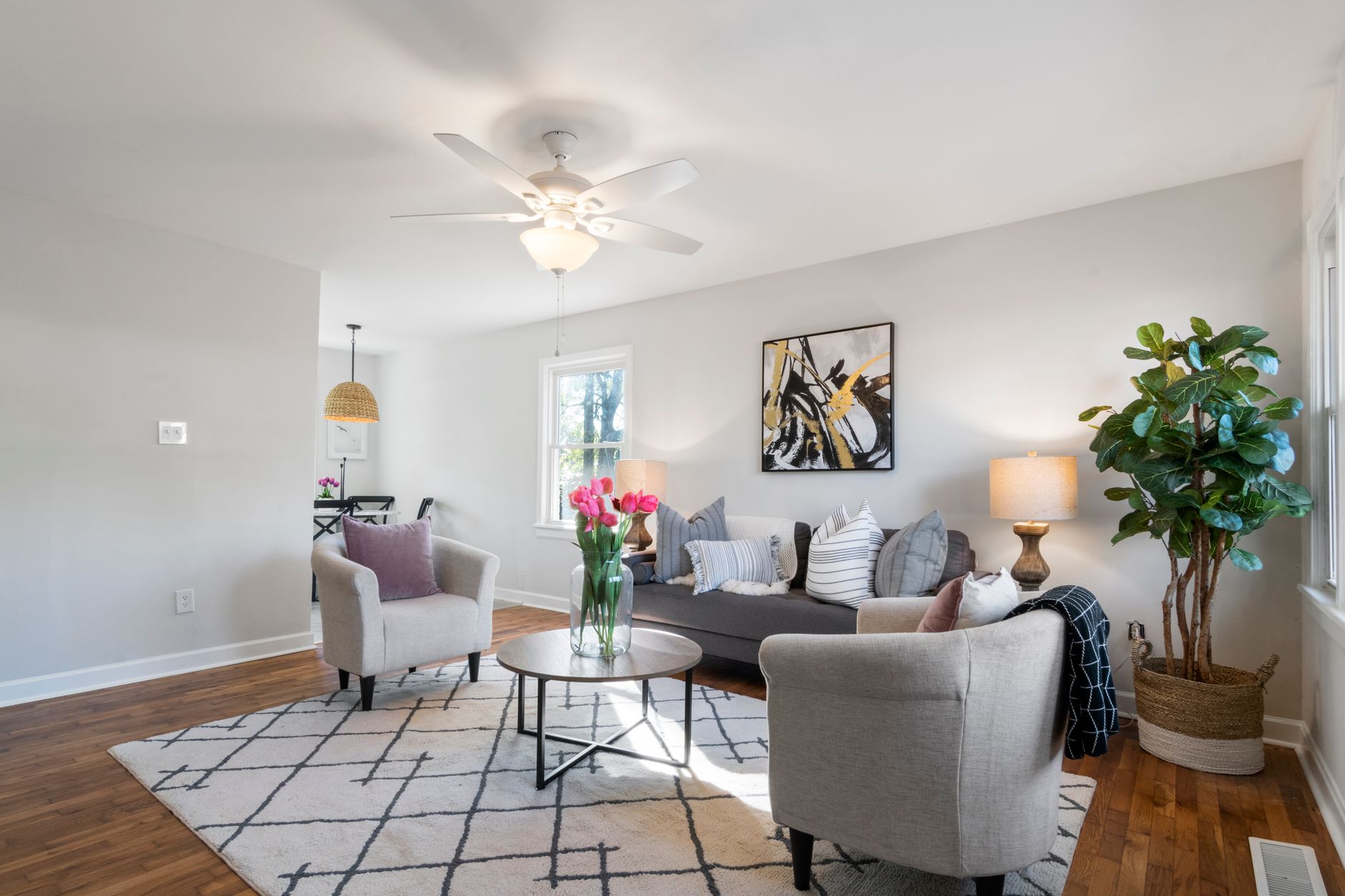
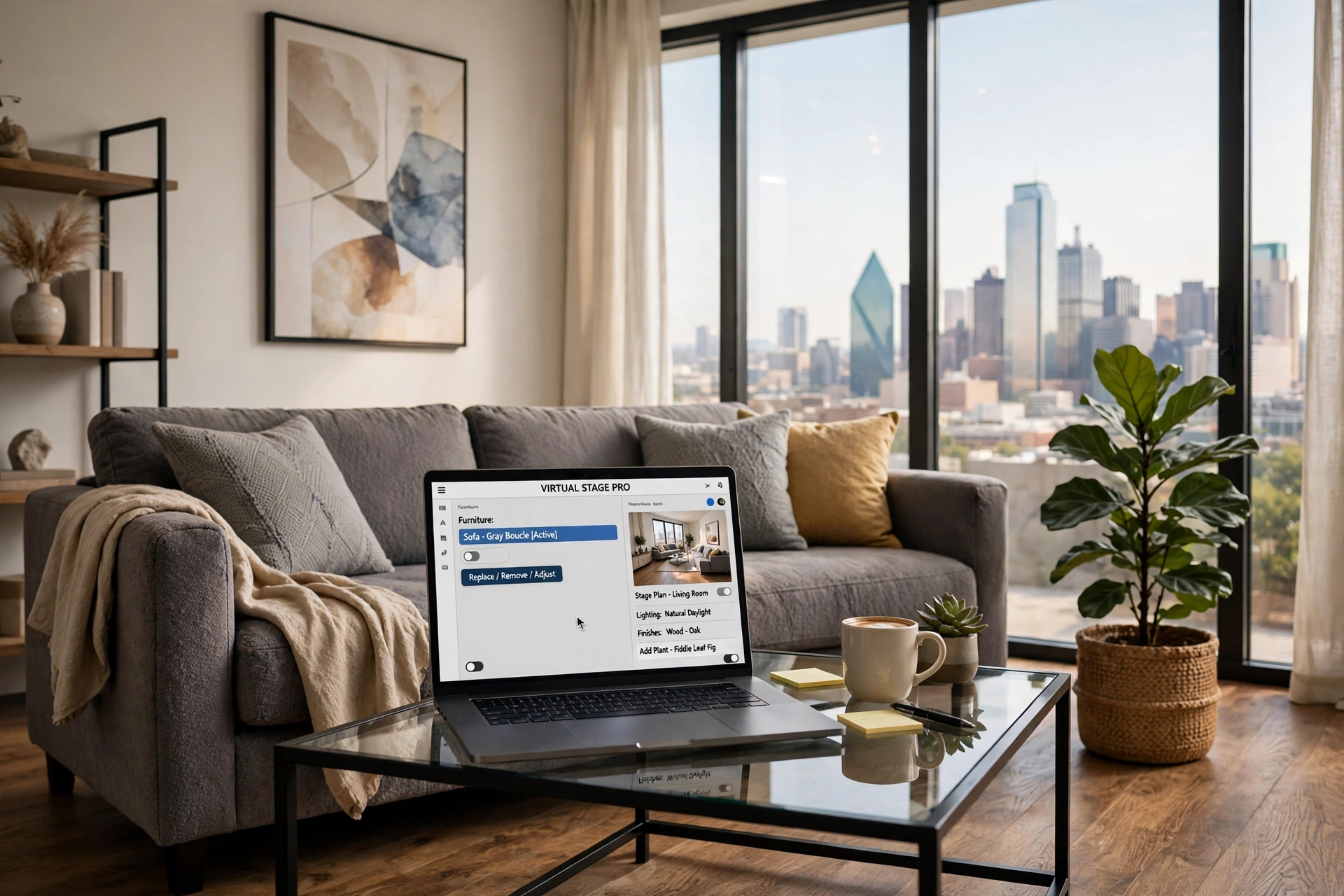
Empty rooms in the competitive North Texas market often feel cold and smaller than they actually are, which directly impacts the perceived value of a listing. For agents and developers, virtual furniture staging in Dallas is the most efficient way to bridge the gap between a vacant space and a buyer's dream home, providing high-end interior design visuals that trigger an emotional connection without the logistical nightmare of moving physical furniture. By using advanced computer vision and AI, properties are transformed into curated living spaces in minutes, ensuring that a listing stands out on the Multiple Listing Service (MLS) from the moment it goes live.
Why are Dallas Real Estate Professionals Adopting Virtual Staging?
The Dallas-Fort Worth (DFW) metroplex is characterized by a high volume of luxury new-builds and rapid turnover in suburban residential markets. In my experience working with Texas-based real estate firms, the primary friction point is the "empty room syndrome." When a buyer walks into a vacant home in Highland Park or Preston Hollow, they struggle to visualize scale. Without furniture, a 20x20 room can feel cavernous or oddly shaped, leading to lower offers or longer days on market.
Modern agents are shifting toward artificial intelligence because the cost and risk of traditional staging are no longer justifiable. According to a report by the National Association of Realtors, staged homes typically sell faster and for more money than non-staged homes, but the overhead of renting furniture for a 90-day listing period can eat significantly into a seller's net profit. In 2026, the trend has shifted toward a hybrid approach: using high-quality virtual staging for the initial digital attraction and physical staging only for the highest-tier luxury estates.
Furthermore, the speed of the Dallas market requires agility. When a property hits the market, the first 48 hours are critical for generating momentum. Waiting a week for a staging company to deliver sofas and rugs is a strategic failure. Data from McKinsey suggests that AI-driven visual enhancements in the real estate sector can improve lead conversion rates by up to 40% by removing the "cognitive load" from the buyer, allowing them to imagine their life in the space immediately. This efficiency is why we see a massive surge in the adoption of computer vision tools that can accurately map room dimensions and place furniture with perfect perspective and lighting.
What Are the Key Benefits for Dallas Businesses?
Implementing virtual furniture staging allows agents to market a lifestyle rather than just square footage. This is especially important in diverse markets like Dallas, where a property might appeal to a young professional in Uptown or a growing family in Frisco. Virtual staging allows for multiple "looks" for the same room, catering to different demographics without spending a dime on extra furniture.
Rapid Market Entry and Reduced Overhead
Traditional staging requires deposits, delivery fees, and monthly rental costs. For a mid-sized home, these costs can easily exceed $2,000 per month. Virtual staging reduces this to a fraction of the cost. Instead of managing logistics, agents can simply upload photos and receive market-ready visuals in seconds. This eliminates the risk of furniture damage and the stress of coordinating pickup dates once a home goes under contract.
Enhanced Emotional Connectivity
Buyers do not buy houses; they buy the vision of their future life. A vacant room is a blank slate, but a virtually staged room is a destination. By placing a modern sectional in a living room or a sleek home office setup in a spare bedroom, you are telling the buyer how to use the space. This is a psychological trigger. When a viewer sees a beautifully curated space, their brain shifts from "is this room too small?" to "I want this living room."
Versatility in Design Styles
Dallas has a varied architectural palette, from Mid-Century Modern to Traditional Texan. One set of physical furniture cannot satisfy every buyer. With virtual staging, an agent can create three different versions of a living room: one Minimalist, one Industrial, and one Traditional. This broadens the appeal of the property across different buyer personas, increasing the likelihood of a quick sale.
💡
Key Takeaway
The primary advantage of virtual staging is the ability to test multiple design aesthetics for a single property, maximizing buyer appeal across different demographics while eliminating the physical cost of rental furniture.
Performance Comparison: Staging Methods
| Feature | Traditional Physical Staging | Generic/Cheap AI Tools | RealVisionAI Professional Approach |
|---|---|---|---|
| Setup Time | 3-7 Days | 5-10 Minutes | 12 Seconds |
| Cost | High (Rentals + Delivery) | Low (Subscription) | Scalable & Competitive |
| Realism | Absolute | Low (Floating Furniture) | High (Correct Lighting/Shadows) |
| Flexibility | Low (One Style Only) | High (Many Styles) | High (Curated Collections) |
| Logistics | Heavy (Trucks, Labor) | None | None |
📚
Definition
Computer Vision is a field of artificial intelligence that enables computers and systems to derive meaningful information from digital images, videos, and other visual inputs, allowing AI to "understand" the geometry and lighting of a room for accurate furniture placement.
Real Examples of Success in the Dallas Market
To understand the impact, we have to look at the actual numbers. I've analyzed dozens of listings in the DFW area, and the pattern is clear: virtually staged images receive significantly more clicks on Zillow and Redfin than empty rooms.
Case Study 1: The Uptown Condo Flip
A developer had a 1,200 sq ft luxury condo in Uptown Dallas that sat on the market for 22 days with zero offers. The rooms were high-end but completely empty, making the space feel sterile. We implemented virtual furniture staging, transforming the living area into a "Modern Executive" suite and the bedroom into a "Serene Sanctuary." Within 72 hours of updating the listing photos, the property received 14 showing requests and closed 5 days later for 2% above the asking price. The buyer specifically mentioned that the staged photos helped them realize the living room was large enough for their existing collection of art and furniture.
Case Study 2: The Suburban Family Home in Plano
A residential agent was struggling to sell a 4-bedroom home in Plano. The house was in great condition, but the bonus room was an awkward shape that buyers couldn't figure out. By using virtual staging to show the room as both a high-end home cinema and a productive home office, the agent removed the uncertainty. The property's click-through rate (CTR) on the MLS increased by 65% over a two-week period. The seller avoided the $3,500 cost of physical staging while achieving a faster sale than 80% of the neighboring listings.
How to Get Started with Virtual Furniture Staging
Transitioning from traditional methods to a digital-first visual strategy is straightforward if you follow a structured process. The goal is to ensure the final images look authentic; over-staging or using unrealistic furniture can lead to "buyer's disappointment" during the physical tour.
Step 1: Capture High-Quality Base Images
Start with professional real estate photography. Use a wide-angle lens but avoid excessive distortion. Ensure the room is well-lit, preferably with natural light. The AI works best when the boundaries of the room (corners, floor-to-ceiling transitions) are clear. This provides the necessary data for the computer vision algorithms to calculate the perspective.
Step 2: Select the Target Demographic
Before choosing furniture, determine who the buyer is. For a property in the Arts District, go for a minimalist, gallery-style aesthetic. For a family home in Frisco, prioritize warmth, comfort, and functional layouts. The furniture should complement the architecture of the home, not overpower it.
Step 3: Implement Professional AI Enhancement
This is where most agents fail by using cheap, generic tools that leave furniture "floating" without shadows. Instead, use a dedicated system like RealVisionAI Blog - AI Real Estate Photography & Virtual Staging. Our platform is designed specifically for real estate, ensuring that every piece of furniture follows the laws of physics and lighting. We deliver market-ready visuals in 12 seconds, allowing you to pivot your strategy instantly.
Step 4: A/B Test Your Listings
If you are unsure which style works best, try using different staged images for the first few days of the listing. Track which photos get the most engagement. This data-driven approach allows you to refine your marketing for future properties in the same neighborhood.
Common Objections and the Data-Backed Reality
Many agents are hesitant to move away from physical staging because of a few common misconceptions. However, when you look at the data, these concerns are usually outweighed by the benefits of AI.
Objection 1: "It looks fake or misleading to the buyer."
Most people assume that virtual staging is a deceptive practice. In reality, the industry standard is to include a disclaimer stating that the images are virtually staged. In practice, this means the buyer is alerted that the furniture is for visualization purposes only. According to research from the Harvard Business Review on digital consumer behavior, high-quality visualizations actually build trust when they are presented as a "design possibility" rather than a literal representation of the current state.
Objection 2: "Physical staging creates a better experience during the walkthrough."
While a physically staged home is impressive, it only attracts the buyer after they've clicked the listing. The primary goal of the imagery is to get the buyer through the door. Data shows that a virtually staged listing generates more initial leads. Once the buyer is in the house, their focus shifts to the bones of the property—the layout, the light, and the quality of the finishes. The virtual staging has already done the heavy lifting of proving that the space is functional.
Objection 3: "I can't trust AI to pick the right furniture styles."
This was true five years ago. However, with the evolution of large-scale image datasets, AI now understands style trends. Professional tools no longer randomly place items; they use curated design collections based on current architectural trends in 2026. By using a specialized service, you ensure the furniture looks like it came from a high-end showroom, not a random catalog.
Frequently Asked Questions
Is virtual furniture staging legal and ethical in Dallas?
Yes, virtual staging is widely accepted across the Dallas real estate market and by most Multiple Listing Services (MLS), provided it is disclosed. The ethical standard is to ensure that the staging does not hide structural defects or permanently alter the architecture of the home. As long as you are adding furniture and not removing a wall or hiding a hole in the ceiling, it is considered a marketing tool. Most agents add a simple caption such as "Virtually staged for visualization purposes" to maintain full transparency with potential buyers.
How long does it take to see results from virtually staged photos?
Because the impact is immediate, you will usually see a spike in engagement within 24 to 48 hours of updating your listing photos. In the DFW area, where buyers are highly active on mobile apps, the first image (the hero shot) is the only thing that determines whether a user scrolls or clicks. By replacing an empty living room with a stunning, staged version, you increase your click-through rate instantly, which in turn signals the listing algorithm that the property is in high demand, potentially boosting its visibility.
Does virtual staging actually increase the final sale price?
While staging doesn't change the square footage, it changes the perceived value. When a buyer can visualize a luxury lifestyle in a space, they are less likely to haggle over small imperfections. According to industry trends observed by the National Association of Realtors, staged homes often attract higher offers because they create an emotional response. In Dallas, where luxury buyers expect a certain level of presentation, a well-staged home aligns with the expectations of high-net-worth individuals, often resulting in a premium sale price.
Can virtual staging be used for commercial properties in Texas?
Absolutely. In fact, it is often more effective for commercial real estate than residential. Empty warehouses, office shells, or retail spaces are notoriously difficult to sell because they are devoid of character. Virtual staging allows a developer to show a warehouse as a modern brewery or a shell office as a tech hub with open-concept workstations. This removes the guesswork for the commercial buyer and allows the agent to demonstrate the maximum utility of the space, which is essential for securing high-value commercial leases or sales.
What is the difference between virtual staging and home rendering?
Virtual staging is the process of adding furniture to an existing photograph of a real room. Home rendering, on the other hand, is the creation of a 3D image from scratch, usually from architectural blueprints. Virtual staging is significantly faster and more cost-effective because it uses a real photo as the base. For most Dallas agents, virtual staging is the preferred choice for existing homes, while rendering is reserved for homes that are still under construction and have no physical structure to photograph yet.
Final Thoughts on Virtual Furniture Staging in Dallas
In the fast-moving Dallas real estate landscape of 2026, staying competitive means embracing the tools that remove friction for the buyer. Empty homes are a missed opportunity; they represent a failure to communicate the property's potential. By implementing virtual furniture staging in Dallas, you transform a static listing into a dynamic experience that captures attention and drives action.
Whether you are managing a portfolio of luxury condos in Uptown or residential flips in the suburbs, the ability to visualize a space instantly is your greatest marketing advantage. Stop spending thousands on furniture rentals and weeks on logistics. It is time to move toward a scalable, AI-driven approach that delivers results in seconds.
Ready to transform your listings and attract more buyers today? Experience the future of real estate visuals with RealVisionAI Blog - AI Real Estate Photography & Virtual Staging. Get your properties market-ready in just 12 seconds.
Visit realvisionaire.com to start scaling your visual marketing.
Recommended Readings
To deepen your understanding of these topics, we recommend reading the following articles:
- Virtual Furniture Staging in Austin
- Virtual Furniture Staging in San Diego
- Virtual Furniture Staging in San Jose
- Virtual Furniture Staging Pricing Guide
Free Real Estate AI Visual Playbook 2026
Discover how top realtors boost listing engagement by 62% and close deals faster using AI photo enhancement and virtual staging.