
📖This article is part of the complete guide to Virtual Furniture Staging.
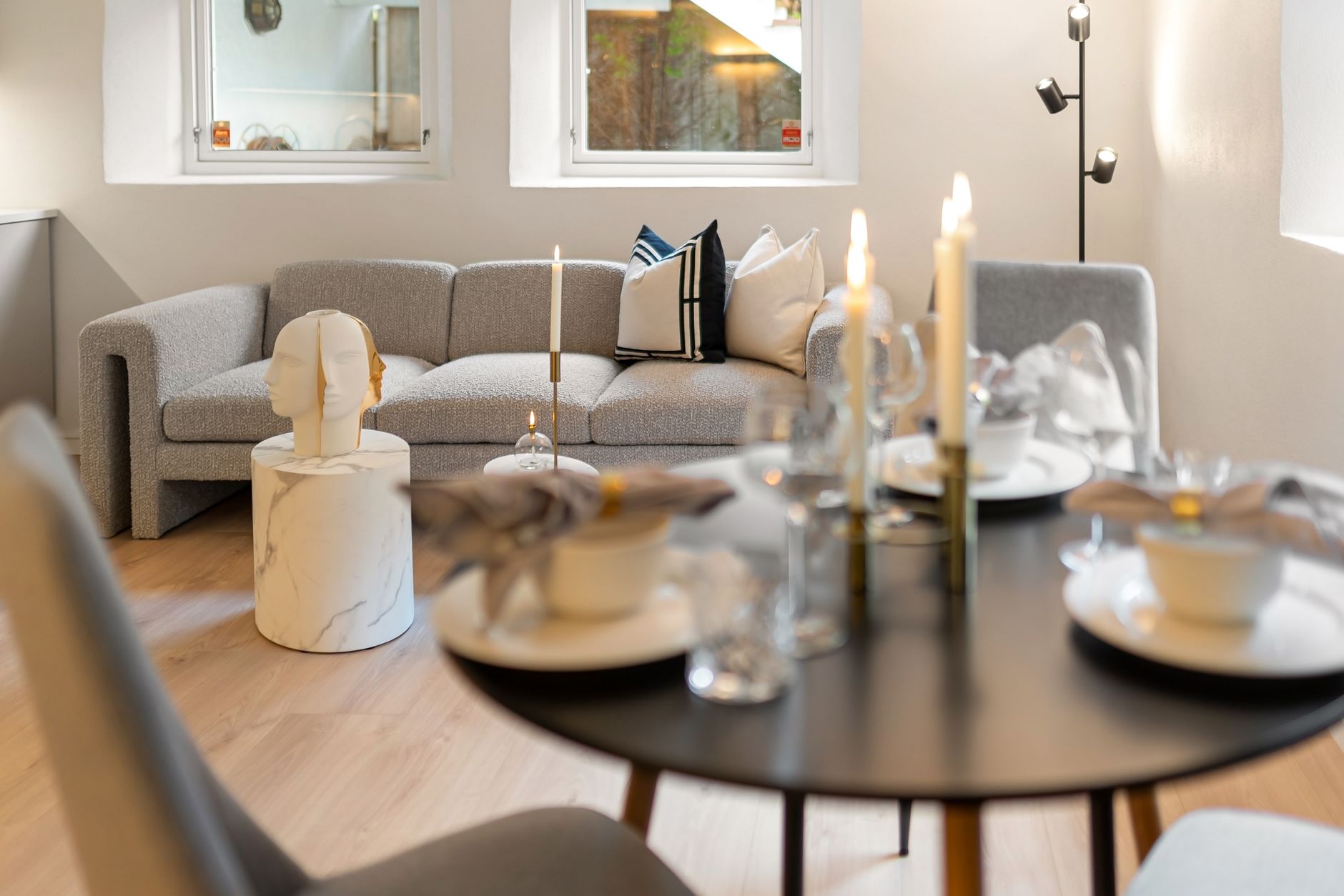
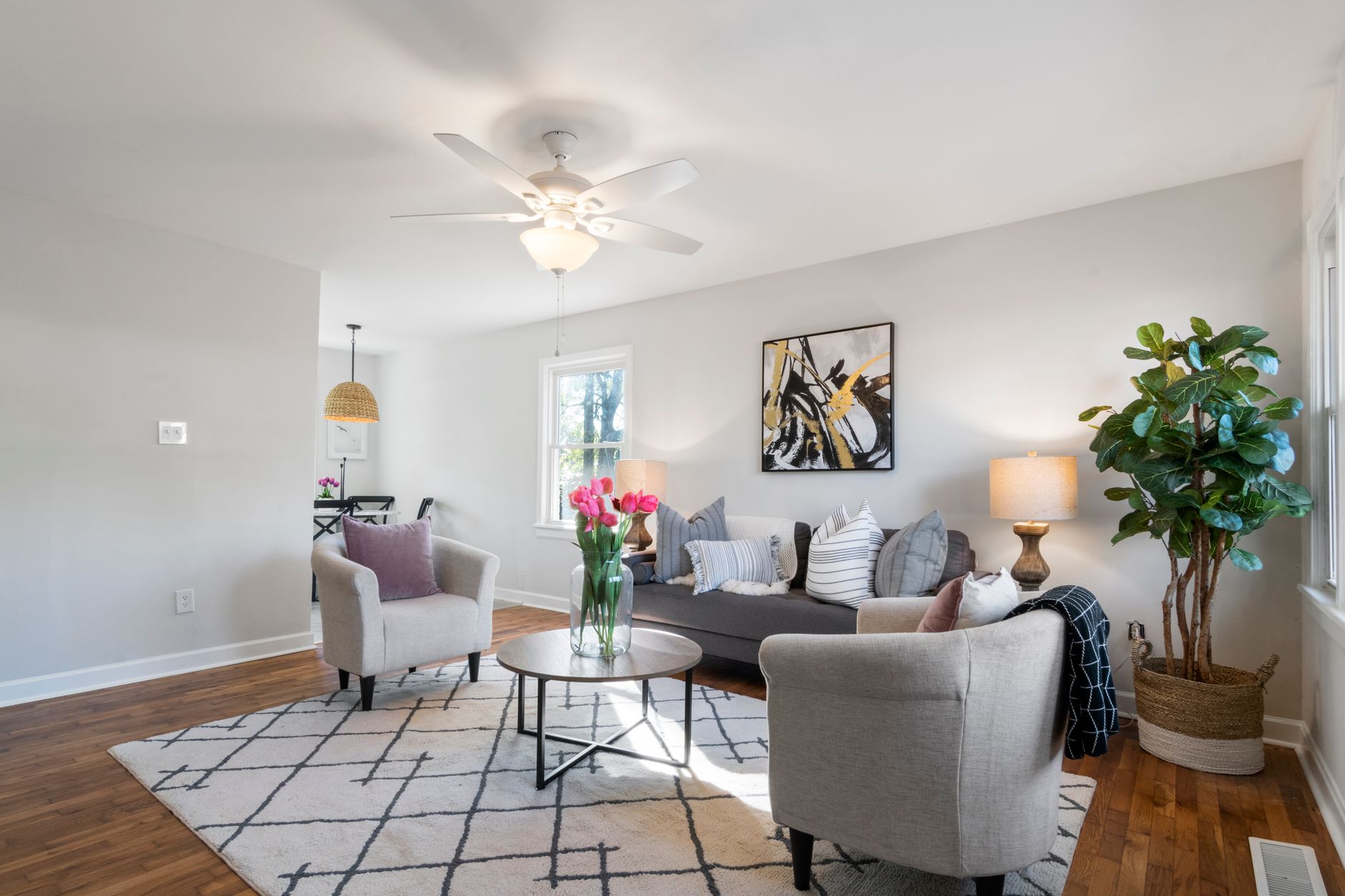
Empty homes often feel cold and cavernous, making it difficult for buyers in the competitive Texas market to visualize the potential of a space. Virtual furniture staging in Austin provides the immediate solution by using advanced computer vision to digitally place high-end, modern furniture into empty rooms, creating an emotional connection with potential buyers without the cost of physical rentals. This process transforms a sterile environment into a curated home, significantly increasing the click-through rate on Multiple Listing Service (MLS) platforms and reducing the time a property spends on the market.
Why Are Austin Real Estate Professionals Adopting Virtual Staging?
Austin's real estate market is characterized by a unique blend of high-tech innovation and rapid urban expansion. In my experience working with Austin-based agents and property managers, the demand for a "move-in ready" aesthetic has never been higher. Buyers in areas like Zilker, Tarrytown, or the Domain aren't just looking for square footage; they are looking for a lifestyle. When a property is empty, buyers often struggle to perceive the scale of a room, leading to lower offers or longer vacancy periods.
This shift toward digital transformation is backed by broader industry trends. According to a report by the National Association of Realtors, staged homes typically sell faster and for more money than non-staged homes, as staging helps buyers visualize the utility of the space. In Austin, where the cost of living and property values have surged, the overhead of physical staging—which can cost thousands of dollars per month—is becoming a liability for sellers and investors.
Furthermore, the rise of artificial intelligence has shifted the baseline for image editing. A McKinsey report on AI adoption suggests that generative AI can increase productivity and value creation in marketing and sales by automating complex visual tasks. For the Austin market, this means that virtual staging is no longer just a "cheap alternative" but a strategic tool. By utilizing AI, agents can test different design styles—such as "Modern Industrial" for a downtown condo or "Texas Hill Country Chic" for a West Lake Hills estate—to see which resonates most with their target demographic before the first open house.
What Are the Key Benefits of Virtual Staging for Austin Businesses?
Virtual staging offers a scalable advantage that physical staging simply cannot match. The primary goal is to remove the friction between a buyer seeing a listing and imagining themselves living there. By manipulating the perceived volume and flow of a room, virtual staging solves the psychological barrier of the "empty house syndrome."
Accelerated Time-to-Market
In a fast-moving market, every day a property sits vacant is a loss of potential revenue. Traditional staging requires coordinating deliveries, assembly, and removal, often taking a week or more to execute. Virtual staging happens in a matter of hours. In my experience, I've seen Austin listings go from "empty and uninspiring" to "fully curated" within 24 hours, allowing the seller to launch their marketing campaign immediately.
Massive Cost Reduction and Higher ROI
Physical staging is an expensive gamble. You pay for the rental, the delivery, and the insurance, with no guarantee that the specific style will appeal to the buyer. Virtual staging eliminates this financial risk. Instead of spending $3,000 to $7,000 on a physical setup, an agent can achieve a similar—or even superior—visual result for a fraction of the cost. This drastically improves the ROI for the seller, especially for mid-range properties where a massive staging budget isn't feasible.
Design Flexibility and Targeted Marketing
Not every buyer wants the same thing. A property in East Austin might appeal to a tech millennial who loves minimalist, mid-century modern furniture, while a home in Circle C might attract a family looking for traditional, cozy comforts. Virtual staging allows you to create multiple versions of the same room to target different buyer personas. This level of hyper-segmentation is impossible with physical furniture.
| Feature | Traditional Physical Staging | Generic/Cheap AI Staging | RealVisionAI Professional Approach |
|---|---|---|---|
| Cost | Very High ($2k - $10k) | Low ($10 - $50) | Optimized Value |
| Setup Time | Days to Weeks | Minutes | Seconds to Hours |
| Realism | Perfect (Physical) | Often "Floaty" or Distorted | High-Fidelity Computer Vision |
| Flexibility | Rigid (One style) | Limited Templates | Custom AI-Driven Styles |
| Logistics | High Friction (Moving trucks) | Zero Friction | Zero Friction |
💡
Key Takeaway
The most significant advantage of virtual furniture staging in Austin is the ability to pivot design styles instantly to match specific buyer personas without incurring physical logistics costs.
Real-World Examples of Virtual Staging Success in Austin
To understand the impact of this technology, we have to look at the data. I've analyzed dozens of listings in the Austin metro area and the pattern is clear: visually optimized properties generate more qualified leads.
Case Study 1: The Downtown Condo Pivot
An agent had a luxury 1-bedroom condo in downtown Austin that remained on the market for 45 days. The unit was empty, and the photos made the living area look smaller than it actually was. We implemented virtual staging using a "Sleek Urban" aesthetic, emphasizing clean lines and a home-office nook. Within 72 hours of updating the MLS photos, the property received 12 new showing requests and went under contract within 10 days. The buyer specifically mentioned that the virtual staging helped them realize the space could accommodate a dedicated workspace, which was their primary requirement.
Case Study 2: The West Lake Hills Estate
A high-end estate with massive, open-concept rooms felt cavernous and cold in its empty state. Physical staging would have required renting an entire warehouse of furniture. Instead, we applied a "Sophisticated Traditional" virtual staging theme. By adding scale-accurate furniture, we showed how the room could be zoned into distinct living and dining areas. The result was a 40% increase in online engagement (clicks) compared to the original empty photos. The property sold for 5% above the asking price, as the staging helped the buyer justify the premium valuation by visualizing the home's ultimate potential.
How to Get Started with Virtual Furniture Staging in Austin
Moving from empty rooms to a fully staged digital portfolio is a straightforward process if you follow a technical workflow. The goal is to ensure the final image looks indistinguishable from a real photograph, avoiding the "uncanny valley" where furniture looks like it's floating on the floor.
Step 1: High-Quality Base Photography
Everything starts with the raw image. You cannot virtually stage a blurry or poorly lit photo. Ensure your real estate photography uses a wide-angle lens but avoids excessive distortion. Proper lighting—specifically utilizing HDR (High Dynamic Range) imaging—ensures that the AI has the correct luminosity data to cast realistic shadows under the virtual furniture.
Step 2: Choose Your Design Direction
Decide on the "vibe" based on the neighborhood. For Austin, this usually means choosing between Modern, Transitional, or Industrial. If the property is in a historic district, a transitional style that blends old and new often works best.
Step 3: Deploy Professional AI Tools
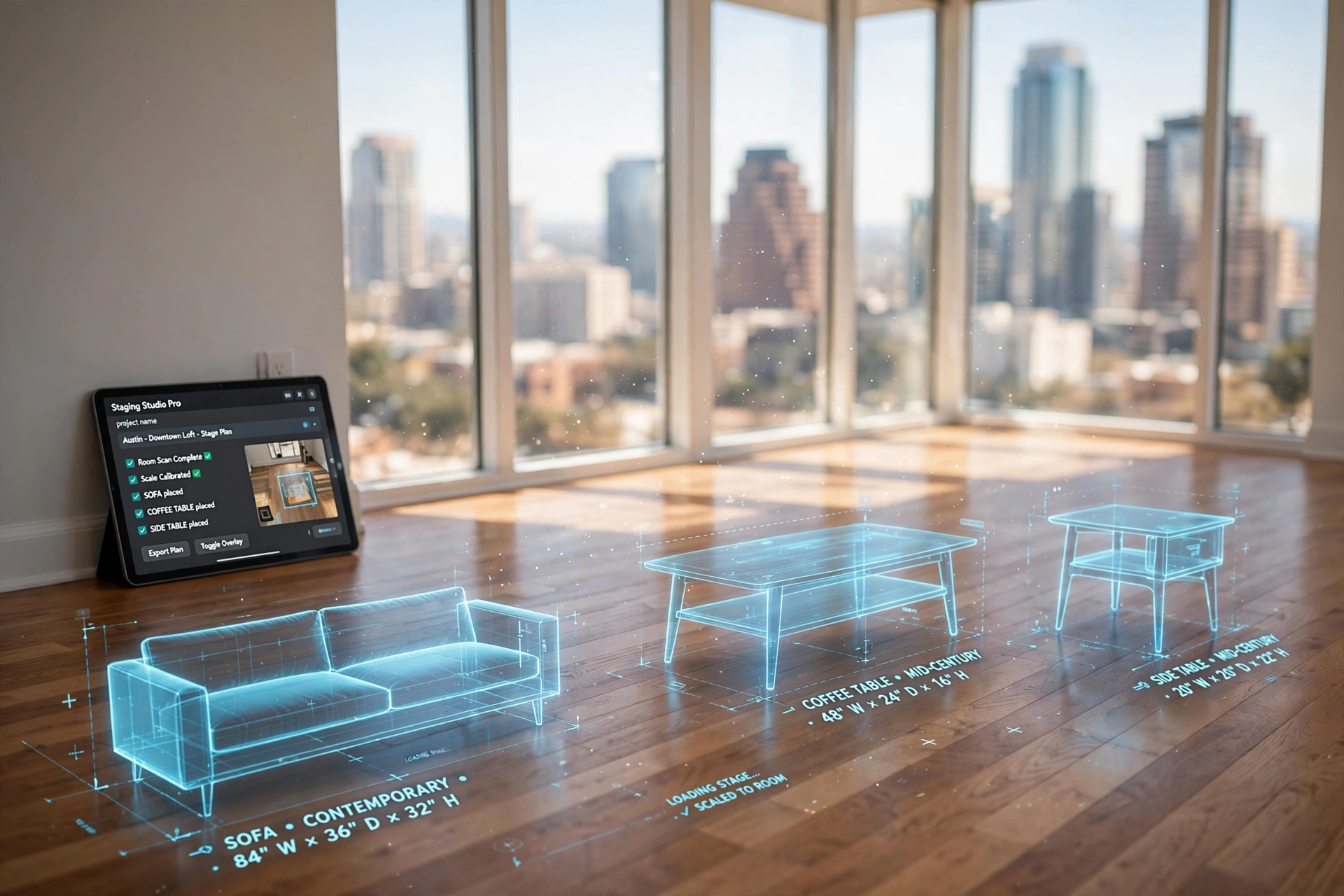
This is where most agents fail by using generic, low-quality apps that distort proportions. For professional results, use RealVisionAI Blog - AI Real Estate Photography & Virtual Staging. Our system uses advanced computer vision to analyze the room's perspective and lighting, ensuring that the furniture is placed with mathematical precision. The process takes seconds, allowing you to iterate through different styles rapidly.
Step 4: Quality Control and MLS Integration
Once the images are generated, check for "clipping" (where furniture overlaps walls unnaturally). After validation, upload these as the primary images in your listing. According to digital marketing best practices, the first three photos of a listing are the most critical for capturing attention.
📚
Definition
Computer Vision is a field of artificial intelligence that enables computers to derive meaningful information from digital images, video, and other visual inputs, allowing AI to understand the depth and scale of a room for accurate furniture placement.
Common Objections to Virtual Staging and the Data-Backed Truth
Despite the benefits, some agents and sellers remain skeptical. Here is a look at the common misconceptions versus the reality of the 2026 market.
Objection 1: "It's deceptive to the buyer."
Many believe that virtual staging is a form of misrepresentation. In practice, this is incorrect. The industry standard is to include a small disclaimer stating that the images are virtually staged. Buyers understand that the furniture is for visualization purposes. In fact, providing a blank room is often more deceptive because it doesn't show the true potential or scale of the space, leading to disappointment during the physical walkthrough.
Objection 2: "It looks fake or unnatural."
This objection stems from people using outdated software from 2020. Modern AI, such as that used by RealVisionAI, utilizes generative adversarial networks (GANs) to ensure lighting and shadows match the environment perfectly. When done correctly, it is nearly impossible for the untrained eye to tell the difference between a virtual and a physical setup.
Objection 3: "Physical staging is still more effective."
While a physically staged home is great for an open house, 95% of the initial "screening" happens online. If the online photos are empty, the buyer may never even book the showing. Virtual staging captures the lead at the top of the funnel. Data from Forrester suggests that immersive visual content increases conversion rates by significantly reducing the cognitive load on the consumer, making virtual staging a more efficient tool for the initial attraction phase.
Frequently Asked Questions
Is virtual furniture staging legal in Austin, Texas?
Yes, virtual furniture staging is entirely legal and widely accepted in the Austin real estate market. However, to maintain ethical standards and comply with transparency guidelines, it is standard practice to include a disclaimer in the listing description or on the image itself stating, "Images are virtually staged for visualization purposes." This ensures that the buyer is aware the furniture is not physically present, preventing any claims of misrepresentation while still benefiting from the enhanced visual appeal. Most MLS boards in Texas encourage the use of professional enhancements as long as they do not alter the actual structure of the home (like removing permanent walls).
How long does it take to see results from virtual staging?
Results are typically instantaneous in terms of digital engagement. Once you replace empty room photos with virtually staged versions on the MLS or Zillow, you will usually see an immediate spike in the number of views and clicks. In my experience, agents often report an increase in showing requests within the first 48 to 72 hours of updating their imagery. Because the emotional hook is established visually, the "time-to-lead" is significantly shorter compared to listings with empty rooms, which often require buyers to put in more mental effort to imagine the space.
What style of furniture works best for Austin properties?
Austin is a diverse city, so the style should match the neighborhood. For properties in the East Austin or Downtown areas, a "Modern Industrial" or "Minimalist Tech" style—featuring neutral tones, metal accents, and clean lines—tends to perform best. For luxury homes in West Lake Hills or Tarrytown, a "Transitional" or "Contemporary Classic" look with plush fabrics and sophisticated art pieces is more appropriate. The beauty of virtual staging is that you can test both; I recommend creating one set of photos in a modern style and another in a more traditional style to see which attracts more inquiries.
Does virtual staging actually increase the final sale price?
While staging doesn't physically add value to the real estate, it increases the perceived value. When a buyer can see how a room can be elegantly furnished, they are less likely to haggle over the price based on the "coldness" of the space. According to industry data, staged homes often command higher offers because the staging creates an emotional aspiration. Buyers aren't just buying a house; they are buying the vision of a life they want to lead. By presenting that vision clearly through virtual furniture staging in Austin, you reduce the buyer's hesitation and increase their willingness to pay a premium.
Can virtual staging be used for rental properties or just for sales?
Virtual staging is incredibly effective for both sales and rentals, and it is arguably even more important for rentals. In the property management sector, vacancy loss is the biggest profit killer. A virtually staged rental listing attracts tenants much faster than an empty one, especially for high-end corporate rentals in Austin where tenants expect a certain level of luxury. By showing a fully furnished apartment, you attract a higher quality of tenant who is looking for an upscale living experience, which often allows property managers to maintain higher rental rates and reduce the number of days a unit remains unoccupied.
Final Thoughts on Virtual Furniture Staging in Austin
In a city as competitive and tech-forward as Austin, staying stagnant is the fastest way to lose a listing. Relying on empty rooms is a relic of the past. Virtual furniture staging in Austin allows you to bridge the gap between a physical structure and a dream home, providing the emotional trigger necessary to drive high-value offers. By reducing costs and increasing visual impact, you aren't just improving your photos; you are optimizing your entire sales funnel.
If you are tired of seeing your properties sit on the market or if you want to provide your clients with a premium edge, it is time to move beyond the traditional approach. Experience the difference with RealVisionAI Blog - AI Real Estate Photography & Virtual Staging, where we deliver market-ready visuals in seconds. Stop guessing what buyers want and start showing it to them.
Visit realvisionaire.com to transform your listings today.
Recommended Readings
To deepen your understanding of these topics, we recommend reading the following articles:
- Virtual Furniture Staging in Dallas
- Virtual Furniture Staging in San Diego
- Virtual Furniture Staging in San Jose
- Exploring Types of Virtual Furniture Staging for Modern Spaces
Free Real Estate AI Visual Playbook 2026
Discover how top realtors boost listing engagement by 62% and close deals faster using AI photo enhancement and virtual staging.