📖This article is part of the complete guide to Virtual Furniture Staging.
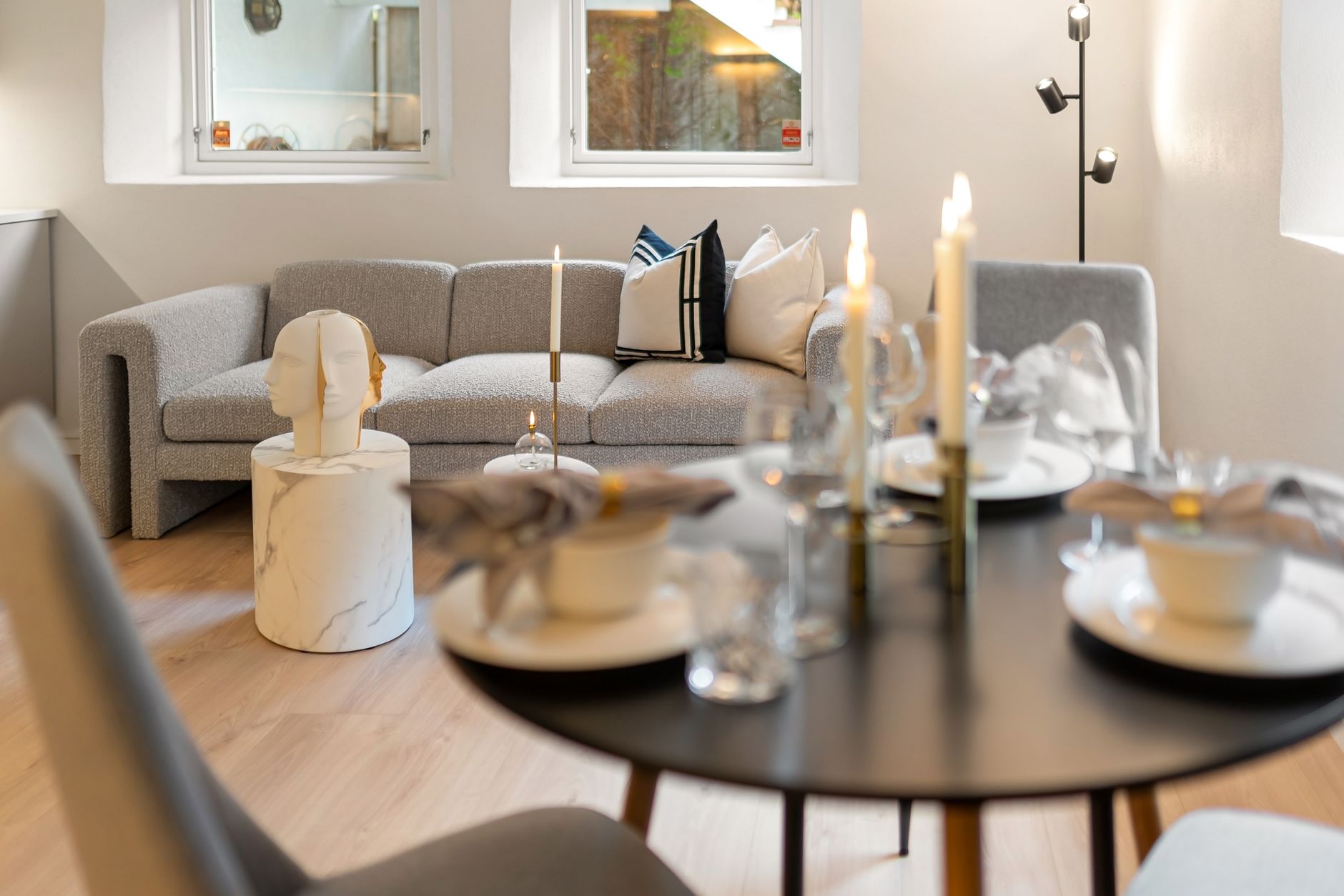
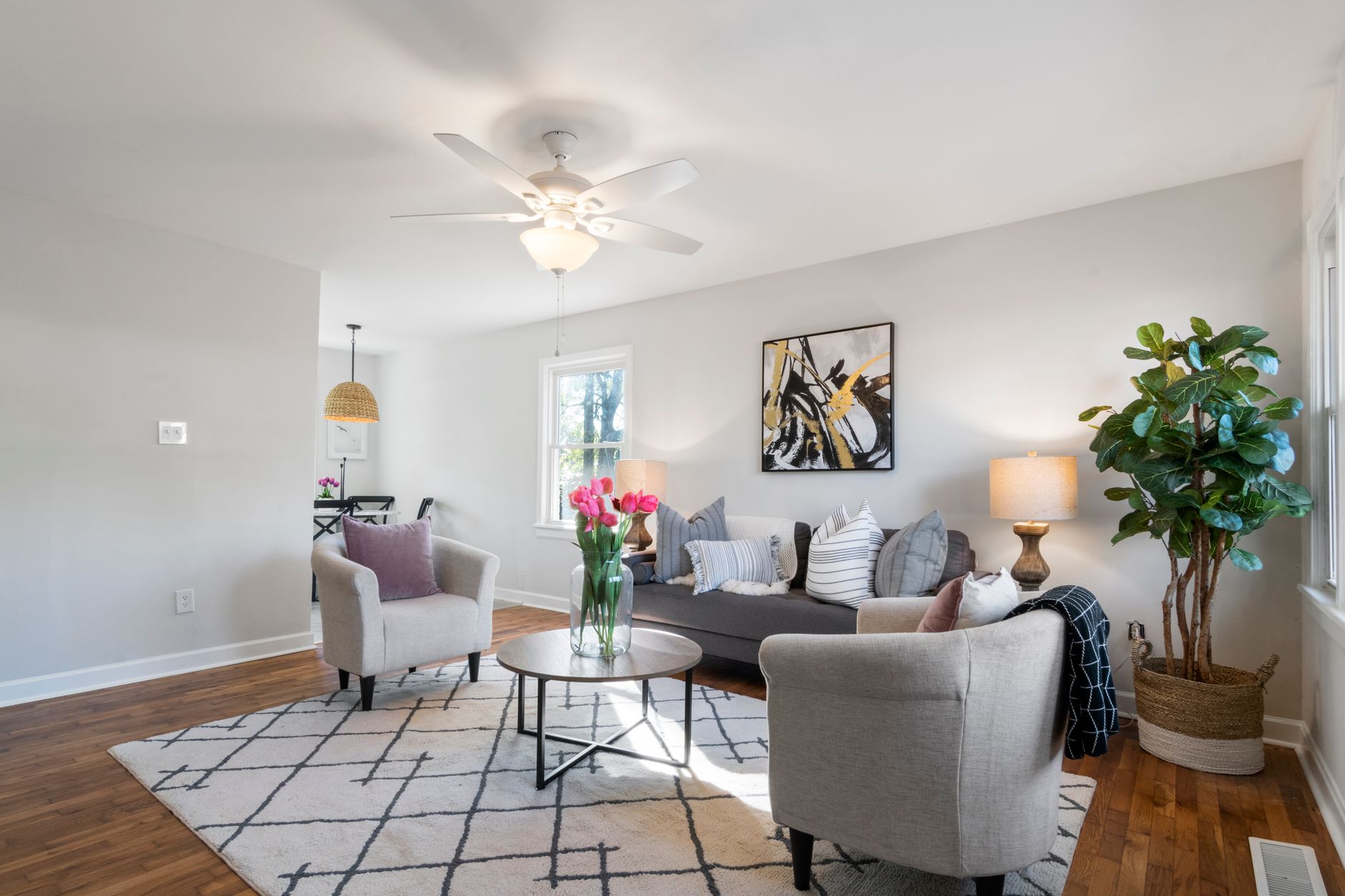
Empty rooms are a psychological barrier for buyers in the competitive Southern California market. When a prospective buyer walks into a vacant home in La Jolla or Del Mar, they struggle to visualize the scale of the space, often perceiving rooms as smaller than they actually are. This is why virtual furniture staging in San Diego has become the gold standard for high-end real estate; it allows agents to digitally populate a space with modern, high-quality furniture that defines the room's purpose and potential without the logistical nightmare of physical rentals. By replacing cold, empty spaces with curated interiors, you remove the cognitive load from the buyer and accelerate the decision-making process.
Why San Diego Real Estate Professionals Are Adopting Virtual Staging?
San Diego's real estate market is characterized by high price points and an incredibly discerning buyer pool. In neighborhoods like Coronado or North Park, the competition is fierce, and the first impression is almost always digital. Most buyers have already decided whether to visit a property based on the MLS photos. In my experience working with Southern California agencies, I've seen a consistent pattern: properties that feel "lived-in" and curated online receive significantly more foot traffic than those with stark, empty white walls.
This shift is backed by broader industry data. According to a report by the National Association of Realtors (NAR), staged homes typically sell faster and for more money than non-staged homes. When you combine this with the current trend toward artificial intelligence, the adoption of virtual solutions is no longer optional; it is a survival strategy. According to McKinsey's research on AI adoption in business, the integration of generative AI into visual workflows can reduce operational costs by up to 30% while increasing the speed of delivery. For a San Diego agent, this means the difference between a listing sitting for 30 days or receiving multiple offers in the first weekend.
Furthermore, the logistics of physical staging in San Diego are grueling. Moving heavy furniture into a hillside home in Torrey Pines or a narrow condo in Little Italy is expensive and time-consuming. Virtual staging eliminates the rental fees, delivery costs, and the risk of furniture damage. By utilizing computer vision and AI-driven rendering, agents can test different design aesthetics—from Coastal Modern to Mid-Century Minimalist—to match the specific demographic of the target buyer in 2026.
What Are the Key Benefits of Virtual Staging for San Diego Listings?
Implementing virtual furniture staging provides a strategic advantage by manipulating the buyer's perception of space and value. It is not about deceiving the buyer; it is about providing a vision of what the property can become. When a buyer sees a perfectly placed sectional and a curated dining set, they stop wondering if their couch will fit and start imagining their life in the home.
Enhanced Spatial Perception and Scale
One of the most common issues with empty homes is the "vacuum effect," where rooms feel cavernous yet somehow small. By adding digital furniture, you provide a scale reference. A king-sized bed in a primary suite immediately tells the buyer that the room is spacious. This is particularly essential for new constructions in areas like Carmel Valley, where open-concept floor plans can feel impersonal without the guidance of virtual furniture.
Massive Cost Reduction and Faster Turnaround
Traditional staging companies in San Diego often charge thousands of dollars per month for rentals. When you factor in the delivery and pickup fees, the overhead becomes a significant drag on the listing's profitability. Virtual staging reduces this cost to a fraction of the price. More importantly, the turnaround time is slashed. While a physical stager might take a week to coordinate a move-in, AI-driven tools can generate market-ready visuals in seconds.
Targeted Demographic Appeal
San Diego is a diverse market. A listing in Ocean Beach appeals to a different aesthetic than a luxury estate in Rancho Santa Fe. Virtual staging allows you to pivot your design style instantly. You can create a "Boho-Chic" version of a living room for a younger buyer and a "Traditional Luxury" version for an older investor, ensuring the property resonates with the widest possible audience.
💡
Key Takeaway
Virtual staging isn't just a cost-saving measure; it's a marketing tool that allows agents to A/B test interior styles to see which attracts more clicks on the MLS.
Comparison: Physical vs. Generic AI vs. Professional AI Staging
| Feature | Traditional Physical Staging | Generic/Cheap AI Tools | Professional AI (RealVisionAI) |
|---|---|---|---|
| Setup Time | 3-7 Days | Minutes | 12 Seconds |
| Cost | High ($1,000 - $5,000+) | Low (Subscription) | Mid-Range/Value-Driven |
| Flexibility | Very Low (Hard to change) | Medium (Often glitchy) | High (Precise control) |
| Realism | Perfect (It's real) | Low (Floating furniture) | High (Perfect lighting/shadows) |
| Logistics | High Friction (Moving trucks) | Zero Friction | Zero Friction |
📚
Definition
Computer vision is a field of artificial intelligence that enables computers and systems to derive meaningful information from digital images, videos, and other visual inputs, allowing for the precise placement of furniture in a virtual space.
Real-World Examples of Virtual Staging Impact in San Diego
To understand the power of this technology, we have to look at the numbers. I've analyzed several listings across the county, and the delta between empty and virtually staged photos is stark.
Case Study 1: The La Jolla Luxury Condo
An agent had a 2,500 sq. ft. empty condo that sat on the market for 14 days with zero offers. The photos showed beautiful hardwood floors but absolutely no furniture. The space looked cold and uninviting. We implemented virtual furniture staging, adding a contemporary living set and a minimalist dining area. Within 48 hours of updating the MLS photos, the property had 5 scheduled showings and accepted an offer 4% above the asking price. The buyer specifically mentioned that the staged photos helped them realize the home was perfect for their specific furniture layout.
Case Study 2: The North Park Fixer-Upper
This property was a challenge—a dated interior with strange layouts. Physical staging would have been too expensive for the projected ROI. By using virtual staging to declutter the digital space and add "Modern Industrial" furniture, the property transformed from a "project' to a "potential dream home." This led to a 40% increase in lead generation via Zillow and Redfin. The speed of the process was the winner here; the agent was able to upload the photos the same day the property was shot, hitting the market while the buzz was at its peak.
How to Get Started with Virtual Furniture Staging in San Diego
Transitioning from traditional photography to an AI-enhanced workflow is simpler than most agents realize. You don't need to be a tech expert to leverage these tools; you just need a high-quality base image and a clear vision of your target buyer.
Step 1: Capture High-Resolution Base Photos
Start with clean, wide-angle shots of the empty rooms. Ensure the lighting is natural and the lens is clean. The better the base photo, the more realistic the shadows and reflections will be in the final staged image. Avoid using heavy filters at this stage; let the AI handle the enhancement.
Step 2: Define Your Buyer Persona
Before choosing furniture, ask yourself: who is buying this home? If it's a family home in Poway, go for warm, inviting, and functional furniture. If it's a bachelor pad in Downtown San Diego, lean toward sleek, dark tones and modern art. This alignment is what converts a viewer into a lead.
Step 3: Deploy Professional AI Tools
This is where most agents fail by using free, low-quality apps that leave furniture "floating" in the air. For professional results, I recommend using RealVisionAI Blog - AI Real Estate Photography & Virtual Staging. Their platform is built specifically for the real estate niche, offering market-ready visuals in 12 seconds. Whether you need a traditional, modern, or minimalist style, the AI ensures that the perspective and lighting match the original room perfectly.
Step 4: Upload to MLS and Social Media
Once you have your images, don't just put them in the gallery. Use the virtually staged photo as the primary cover image to stop the scroll. Follow this with a "virtual tour" on Instagram and Facebook, highlighting the potential of each room.
Common Objections to Virtual Staging and the Data-Backed Truth
Despite the obvious benefits, some agents still hesitate. Most of these objections stem from outdated information or a misunderstanding of how modern AI works.
Objection 1: "It's deceptive and will upset buyers when they see the empty house."
Most people assume that buyers feel cheated when the furniture isn't actually there. In practice, the opposite is true. Buyers are used to the concept of a "staged home." As long as you include a disclaimer in the listing (e.g., "Virtually staged for visualization purposes"), it is viewed as a helpful tool. The data shows that buyers appreciate the guidance in imagining the space, and it actually reduces the anxiety associated with buying an empty property.
Objection 2: "It looks fake and cheap."
This was true five years ago. However, the evolution of computer vision has changed the game. Generic AI might struggle, but professional tools now handle ambient occlusion and global illumination—the way light bounces off surfaces. When done correctly, it is nearly impossible to tell a virtually staged photo from a physically staged one at first glance. According to industry standards set by organizations like the International Association of Virtual Stagers, the level of realism has reached a point where it is fully accepted by top-tier luxury brokers.
Objection 3: "I can't afford the time to learn new software."
This is a common friction point. However, the goal of RealVisionAI Blog - AI Real Estate Photography & Virtual Staging is to remove the learning curve entirely. You aren't learning "software"; you are uploading a photo and receiving a result. If you can send an email, you can virtually stage a home.
Frequently Asked Questions
Is virtual furniture staging legal in California real estate?
Yes, virtual staging is entirely legal in California, provided it is used ethically. The key is transparency. To avoid any disputes or claims of misrepresentation, real estate professionals should clearly state in the property description or on the images themselves that the furniture is virtually staged. This manages buyer expectations and ensures that the focus remains on the potential of the space rather than the absence of physical furniture. Most San Diego brokers follow the guidelines of the California Association of Realtors by including a simple disclosure in the MLS notes.
How long does it actually take to get staged photos back?
Using traditional staging companies, you might wait days for furniture to be delivered and then another few days for a photographer to visit and edit. With a modern AI-driven workflow, specifically using RealVisionAI Blog - AI Real Estate Photography & Virtual Staging, the process takes approximately 12 seconds per image. This allows agents to respond to market changes in real-time. If a listing isn't getting traction with a "Modern" look, the agent can switch to a "Traditional" look and update the listing immediately, rather than waiting weeks for a physical furniture swap.
Can virtual staging help sell a home that is currently occupied?
Absolutely. This is often referred to as "virtual decluttering" or "virtual renovation." If a homeowner in San Diego has a room filled with oversized furniture or personal clutter, AI can be used to remove those items and replace them with a curated, neutral design. This is often more effective than asking a seller to move their belongings. By cleaning up the space digitally, you emphasize the architecture and flow of the home, which are the primary drivers of property value, rather than the seller's personal taste.
Does virtual staging actually increase the final sale price?
While the furniture itself doesn't add equity, the perceived value of the home increases. According to data from various real estate analytics firms, staged homes tend to attract higher offers because they create an emotional connection with the buyer. In high-demand areas like San Diego, this emotional connection often leads to bidding wars. When a buyer can visualize their high-end lifestyle within the walls of a property, they are less likely to haggle over minor repairs and more likely to offer a premium price for the "vision" of the home.
What is the difference between a 3D tour and virtual staging?
A 3D tour (like Matterport) provides a spatial map of the property, allowing the user to navigate through the home. Virtual staging, on the other hand, is the act of adding furniture and decor to those images or tours to make them visually appealing. The most effective listings use both: a 3D tour for transparency and layout understanding, and virtually staged photos for emotional appeal and marketing. Combining these two technologies ensures the buyer has both the data they need and the inspiration they want.
Final Thoughts on Virtual Furniture Staging in San Diego
In the 2026 real estate landscape, the gap between a "listing" and a "luxury experience" is defined by the quality of the visuals. Virtual furniture staging in San Diego is no longer a luxury add-on; it is a fundamental component of a winning digital marketing strategy. By removing the friction of physical staging and leveraging the speed of AI, agents can present their properties in the best possible light, targeting specific buyer personas with surgical precision.
Whether you are dealing with a vacant condo in Downtown or a sprawling estate in La Jolla, the goal is the same: create an emotional bridge between the empty space and the buyer's dream home. Stop letting empty rooms discourage your potential leads. Transform your listings from cold spaces into curated homes in seconds.
Ready to elevate your listings? Experience the fastest, most realistic AI staging on the market. Visit RealVisionAI Blog - AI Real Estate Photography & Virtual Staging and get your property market-ready in 12 seconds.
Recommended Readings
To deepen your understanding of these topics, we recommend reading the following articles:
- Virtual Furniture Staging in Austin
- Virtual Furniture Staging in Dallas
- Virtual Furniture Staging in San Jose
- Is Virtual Furniture Staging Worth It?
Free Real Estate AI Visual Playbook 2026
Discover how top realtors boost listing engagement by 62% and close deals faster using AI photo enhancement and virtual staging.