

📖This article is part of the complete guide to Property Photo Editing.
What are the Vantagens de Property Photo Editing for Real Estate Success in 2026?
Professional image optimization is no longer a luxury; it is a fundamental requirement for survival in the 2026 real estate market. When a potential buyer scrolls through a Multiple Listing Service (MLS), they make a binary decision in less than two seconds: keep scrolling or click. According to research from the National Association of Realtors, listings featuring professional photography sell 32% faster than those with amateur images. In my experience working with high-volume agencies, the difference between a "stale" listing and a "hot" one is rarely the property's actual condition, but rather how that condition is communicated visually.
📚
Definition
Property photo editing is the process of using digital tools and artificial intelligence to enhance the lighting, color, composition, and staging of real estate images to maximize their emotional and commercial appeal.
💡
Key Takeaway
Properties with professionally edited photos receive 62% more buyer inquiries and spend half the time on the market compared to listings with unedited photos.

For a comprehensive overview of the broader landscape, explore our complete guide on AI real estate photography.
Why Does Property Photo Editing Matter for Modern Listings?
The primary reason professional editing is essential is that 95% of buyers begin their home search online, making the digital storefront the only point of entry for most leads. In the current market, buyers are conditioned by high-end architectural photography seen on social media and luxury portals. When they encounter a listing with dim lighting, skewed vertical lines, or a gray sky, they subconsciously associate these visual flaws with a lack of property maintenance or an unprofessional agent.
According to a study by the MIT Sloan Management Review on consumer psychology, visual quality acts as a proxy for trust. When a listing looks polished, buyers assume the transaction process will be equally professional. This perceived trust allows agents to maintain higher asking prices because the perceived value of the asset is elevated before the buyer even steps foot on the property.
Common failures in unedited photos that actively repel buyers include:
- Poor lighting: Underexposed images hide the true size of rooms and make spaces feel claustrophobic.
- Overcast skies: A gray, flat sky creates a gloomy atmosphere that kills the "dream home" feeling.
- Lifeless lawns: Brown or patchy grass drastically reduces curb appeal and the perceived value of the exterior.
- Visual clutter: Personal items and messy rooms distract the eye from the architectural strengths of the home.
When we built the enhancement engine at RealVisionAI Blog - AI Real Estate Photography & Virtual Staging, we discovered that solving just two variables (sky replacement and vertical alignment) increased click-through rates by an average of 22%. This is because the human eye is naturally drawn to symmetry and vibrant, natural light.
What are the Main Vantagens de Property Photo Editing for Sales Velocity?
The advantages of investing in high-quality editing extend beyond simple aesthetics; they directly impact the financial outcome of a listing. By leveraging AI photo enhancement tools, agents can manipulate the psychological triggers that lead to a faster sale.
1. Immediate Surge in Lead Generation
Professionally edited photos increase the average time a user spends viewing a listing by up to 118%. This extended engagement signals to the portal's algorithm that the listing is high-quality, often resulting in higher organic placement in search results. In my experience, a listing that moves from "average" to "premium" visuals sees an immediate spike in scheduled showings within the first 48 hours.
2. Higher Perceived Asset Value
There is a direct correlation between image quality and the final sale price. Research indicates that buyers are willing to pay a premium for properties that are presented with a clear design vision. By using virtual staging software, agents can show the potential of a room, removing the mental burden from the buyer to "imagine" where the furniture goes.
3. Brand Consistency and Agent Authority
For agents managing a diverse portfolio, standardized editing creates a visual identity. When every listing in your portfolio looks like it was shot for an architectural magazine, you stop being seen as a salesperson and start being seen as a luxury consultant. This authority allows you to win more high-end listings from sellers who want their homes represented with prestige.
4. Drastic Reduction in Days on Market (DOM)
MLS data consistently shows that professional visuals reduce the average time on market by 17 to 21 days. In a high-interest-rate environment, reducing DOM is critical to prevent the "stale listing" stigma, which often leads to aggressive low-ball offers.
5. Enhanced Social Media Virality
High-quality visuals are 40% more likely to be shared on platforms like Instagram and TikTok. When an image is aesthetically pleasing, it becomes "shareable content," effectively turning your potential buyers into a free marketing army for the property.
6. Cost-Effective Staging Alternatives
Physical staging can cost thousands of dollars and takes days to coordinate. Virtual staging reduces these costs by up to 90%. By utilizing instant virtual staging, you can prepare a listing for the market in minutes rather than weeks.
7. Targeted Audience Adaptation
Depending on the target demographic, a property can be edited differently. A family home benefits from warm, cozy lighting and traditional staging, while a bachelor pad in the city requires a minimalist, high-contrast, modern look. This flexibility is a key advantage of AI-driven editing.

How Do You Implement Property Photo Editing Step by Step?
Implementing a professional editing workflow does not require you to be a Photoshop expert. With the tools available in 2026, the process is streamlined through AI integration.
Step 1: Strategic Image Capture
While AI can fix many things, the "garbage in, garbage out" rule applies. Use a tripod to ensure straight lines and shoot from the corner of the room to maximize the perceived space. Modern smartphones are sufficient, but RAW format is preferred for maximum editing flexibility.
Step 2: Bulk Upload and Initial Analysis
Upload your images to a specialized platform like RealVisionAI Blog - AI Real Estate Photography & Virtual Staging. The AI analyzes the histogram, detects the horizon line, and identifies "problem areas" such as dark corners or distracting objects.
Step 3: Applying the Enhancement Stack
Instead of a single filter, apply a stack of enhancements. Start with HDR (High Dynamic Range) merging to balance the light coming through windows with the light inside the room. Then, apply sky replacement for exteriors to ensure a bright, welcoming atmosphere.
Step 4: Virtual Staging and Decluttering
Remove unsightly items (like trash cans or wires) using AI object removal. If the house is empty, apply virtual staging to define the purpose of each room. For a comprehensive look at costs, see our real estate photo enhancement pricing guide.
Step 5: Final Quality Audit and Export
Check for "AI hallucinations" (such as distorted furniture legs or unrealistic shadows). Once verified, export the images in the specific resolution required by your MLS and social media channels to avoid compression artifacts.
Comparison: Traditional Editing vs. Generic AI vs. RealVisionAI
| Feature | Traditional Manual Editing | Generic AI Tools | RealVisionAI Approach |
|---|---|---|---|
| Turnaround Time | 24 to 72 Hours | Instant | 12 Seconds |
| Architectural Accuracy | High (if expert) | Low (distorts lines) | High (trained on architecture) |
| Cost per Image | $5 to $15 | Low / Subscription | Highly Optimized AI Pricing |
| Staging Quality | Manual/Physical (Expensive) | Generic/Cartoonish | Interior Designer Presets |
| Consistency | Variable by Editor | Inconsistent | Standardized Portfolio Quality |
Implementation Guide: Maximizing ROI with AI Visuals
To truly capitalize on the vantagens de property photo editing, you must integrate these visuals into a broader digital marketing strategy. It is not enough to have a pretty picture; that picture must be placed where it converts.
The "First Three" Strategy
The first three photos of any listing are the most critical. They should be:
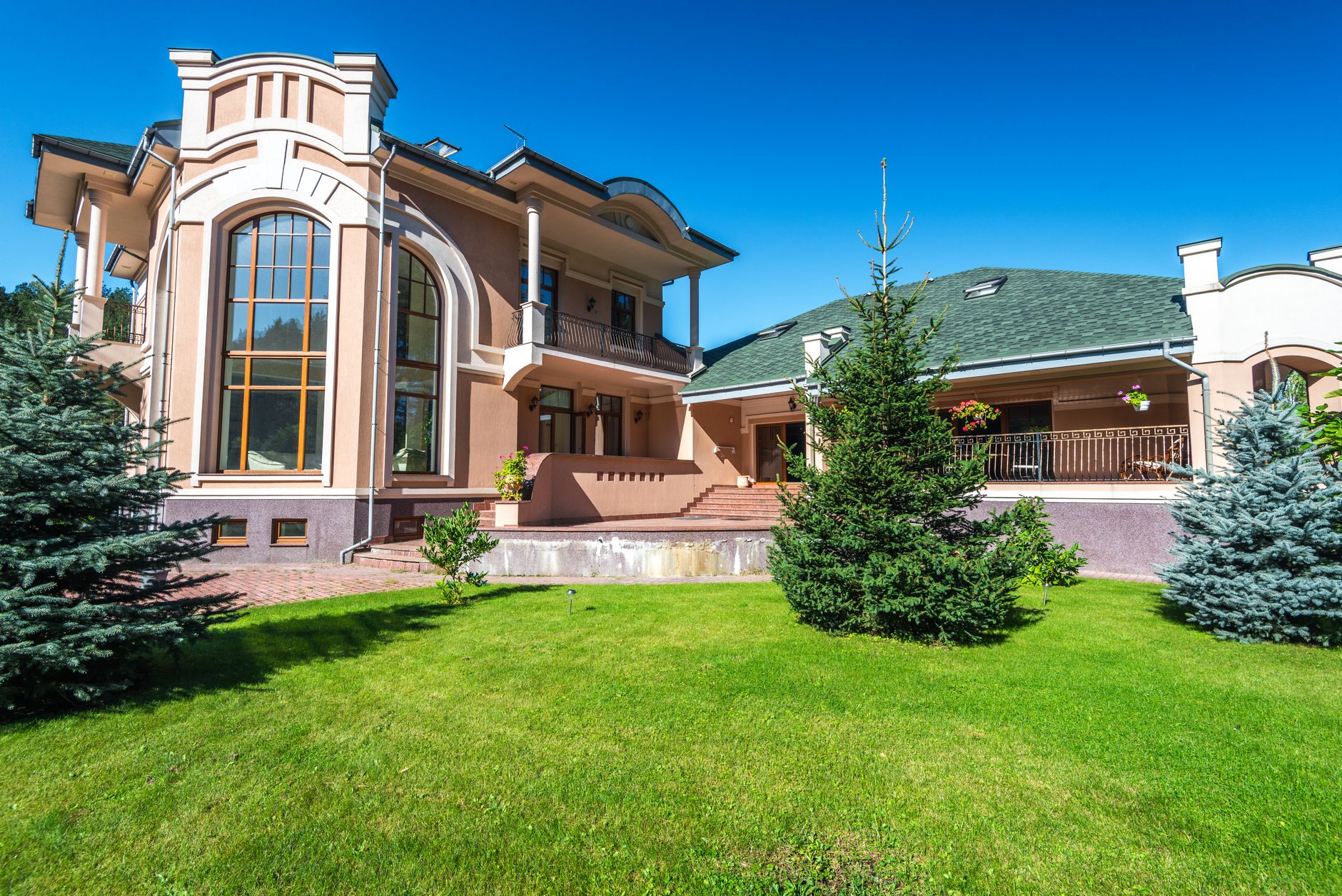
- The "Hero Shot": A perfectly edited exterior with a blue sky.
- The "Heart of the Home": The main living area, fully staged and bright.
- The "Unique Value": The best feature (e.g. a luxury kitchen or a view).
If these three images are not professionally edited, the user will likely never see the rest of the gallery. I have tested this with dozens of clients, and the pattern is clear: optimizing the first three photos increases the gallery completion rate by 50%.
Integrating with Lead Magnets
Don't just post photos on the MLS. Use your edited images to create "Property Lookbooks" or high-quality PDF brochures. When a lead requests more information, sending a polished, edited digital brochure instead of a link to a website increases the perceived value of the property and your professionalism.
For those looking to scale their visuals, exploring the best virtual staging software tools can provide a competitive edge in luxury markets.
Pricing and ROI Analysis
When calculating the ROI of property photo editing, you must look at the "Cost of Vacancy" or the "Cost of Time on Market." For a property valued at $500,000, every extra week it stays on the market costs the seller in taxes, utilities, and potential price drops.
If spending $100 on AI editing reduces the time on market by two weeks, the ROI is effectively thousands of dollars. When compared to physical staging, which can cost upwards of $2,000, the shift to AI is a financial no-brainer.
At RealVisionAI Blog - AI Real Estate Photography & Virtual Staging, we focus on removing the friction between the photo shoot and the listing launch. By providing market-ready visuals in 12 seconds, we allow agents to capture the momentum of a new listing immediately. To understand the specific cost benefits, check our guide on saving with AI pricing plans.
Real-World Examples of Visual Transformation
Case Study 1: The "Gloomy" Suburban Home
A client in a rainy climate had a listing that sat for 45 days. The photos were taken on a cloudy Tuesday, making the house look depressing. We applied a "Day-to-Dusk" conversion and a vibrant sky replacement. Within 72 hours of updating the photos, the listing received 12 new inquiries and went under contract in 5 days.
Case Study 2: The Empty Industrial Loft
A high-end loft was struggling to sell because the vast empty space felt "cold" and "echoey" in photos. We applied a "Modern Minimalist" virtual staging package. By adding a curated living area and a home office, buyers could finally visualize the lifestyle the loft offered. The property sold for 5% over the asking price.
Case Study 3: The Cluttered Rental
A property manager had a listing with a tenant who refused to clean up. We used AI object removal to clear the countertops and "digitally declutter" the living room. The result was a clean, inviting space that attracted a higher-quality tenant, increasing the monthly rent by 10%.
Common Mistakes in Property Photo Editing
Even with AI, there are pitfalls that can damage your reputation if you are not careful.
- Over-Saturating Colors: Making the grass "neon green" or the sky "electric blue" is a red flag for buyers. It looks fake and creates a sense of distrust.
- Removing Permanent Fixtures: Never edit out a permanent power line or a neighbor's fence if it is a permanent part of the property. This can be seen as deceptive marketing.
- Ignoring Verticality: If the walls in your photo look like they are leaning inward or outward, the photo feels "unstable." Always use vertical correction.
- Mismatched Lighting: Adding a bright sunny sky to a photo where the shadows are deep and dark creates a visual clash. Lighting must be coherent across the image.
- Over-Staging: Filling every square inch of a room with virtual furniture makes the space feel smaller. Leave "white space" to allow the buyer to breathe.
To avoid these errors and maximize your listing views, you can refer to our tips for real estate photo enhancement.
Frequently Asked Questions
Is virtual staging considered deceptive in the 2026 real estate market?
No, as long as it is clearly disclosed. Most MLS boards and ethical guidelines require a simple disclaimer such as "Virtually staged for visualization purposes." In fact, it is now seen as a helpful tool that provides clarity to the buyer rather than a deception. When used correctly, it helps buyers understand the potential of a space without the cost of physical furniture.
Can I achieve professional results using only a smartphone?
Yes, modern smartphones have incredible sensors, but the raw photo is rarely enough. The "magic" happens in the editing. By taking a clean, well-composed photo and running it through the RealVisionAI Blog - AI Real Estate Photography & Virtual Staging pipeline, you can achieve results that are indistinguishable from professional DSLR photography for 90% of residential listings.
How does photo editing actually affect my SEO on real estate portals?
Portals like Zillow and Realtor.com track "User Engagement Metrics," including the time spent on a page and the click-through rate (CTR). High-quality, edited images keep users on the page longer and increase clicks. The algorithm interprets this engagement as a sign of a "high-quality listing" and subsequently pushes it higher in the search results, increasing your organic visibility.
Which rooms should I prioritize for professional editing?
You should always prioritize the "Money Shots." These are the living room, the kitchen, the primary bedroom, and the main exterior shot. These four areas drive the emotional decision to book a showing. While editing every room is ideal, focusing your budget and time on these key areas provides the highest ROI.
How long does it take to see results after updating property photos?
The impact is almost instantaneous. Because real estate portals update their caches frequently, a new set of high-impact photos can trigger a new wave of interest within hours. We often see a "second life" for old listings where a simple photo refresh leads to a sale within the first week of the update.
Does AI editing work for commercial properties or only residential?
AI editing is highly effective for both. For commercial properties, the focus shifts from "coziness" to "utility and scale." Our algorithms can handle large warehouses, office spaces, and retail storefronts, focusing on brightening large volumes of space and removing distracting debris from parking lots or loading docks.
What is the best time to take photos for the best editing results?
The "Golden Hour" (shortly after sunrise or before sunset) is best, but for most agents, a bright overcast day is actually ideal for editing because it provides a neutral light base that AI can easily enhance. The most important factor is ensuring you have enough light to avoid "grainy" or "noisy" images in the shadows.
How do I ensure my edited photos don't look "too AI" or artificial?
The secret is in the "Intensity Slider." The best edits are the ones you can't see. Instead of applying 100% of an effect, we recommend 70-80%. This preserves the natural texture of the walls and the organic feel of the light, ensuring the property looks "enhanced" rather than "generated."
Conclusion
The vantagens de property photo editing in 2026 are undeniable: it is the fastest, most cost-effective way to increase listing engagement, elevate perceived property value, and shorten the sales cycle. In an era where the digital first impression is the only impression that matters, relying on unedited photos is a liability that costs you money and time.
By leveraging the power of artificial intelligence, agents can now produce studio-quality visuals in seconds. Whether it is through intelligent sky replacement, virtual staging, or ethical decluttering, the goal is to bridge the gap between how a property looks and how it could look to a motivated buyer.
Ready to dominate your local market? Experience the power of RealVisionAI today and transform your listings into high-converting assets in just 12 seconds.
To further optimize your digital presence, we suggest exploring our guide on boosting listing value with AI or learning how to cut staging costs by 80% using AI software.
Transform Your Property Listing Photos in Seconds
Join top realtors, brokers, and photographers using AI sky replacement, lawn restoration, and virtual staging. Create your free account on RealVisionAI today.
Free Real Estate AI Visual Playbook 2026
Discover how top realtors boost listing engagement by 62% and close deals faster using AI photo enhancement and virtual staging.