
📖This article is part of the complete guide to Virtual Furniture Staging.
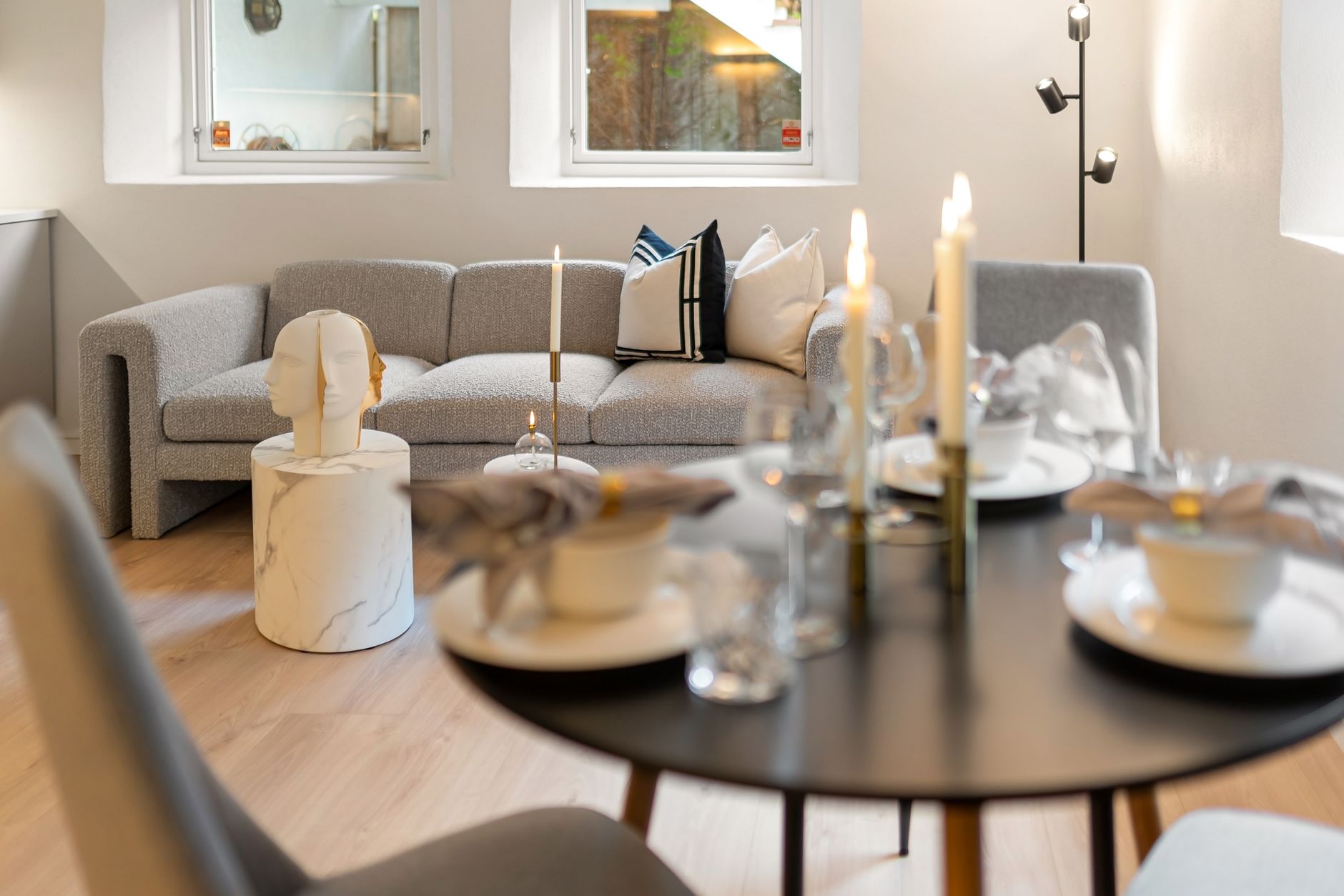
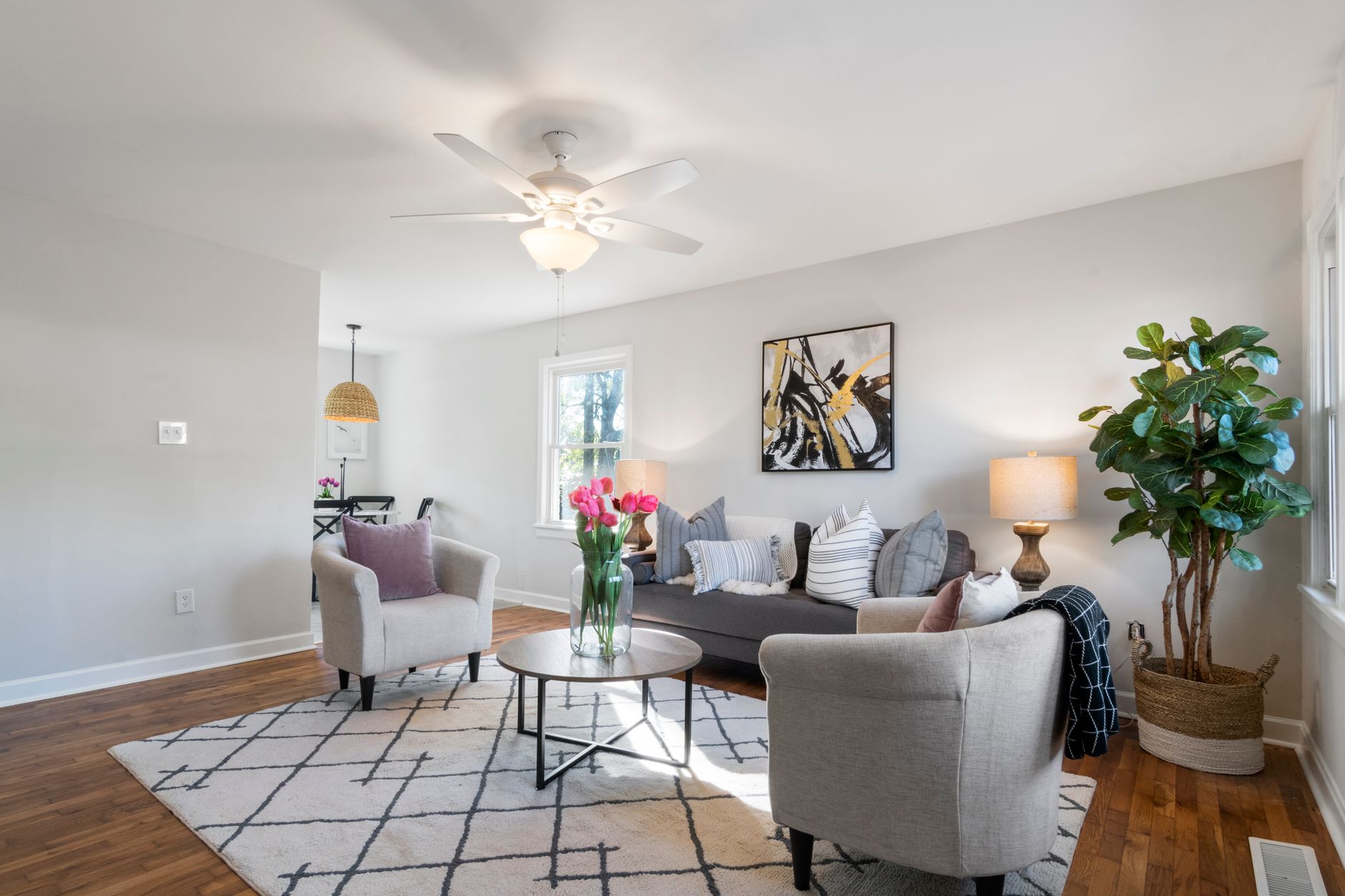
Empty homes in the Sonoran Desert often struggle to convey a sense of scale and warmth, leading to longer days on market for Tucson real estate agents. The most effective solution to this problem is virtual furniture staging in Tucson, a process where high-quality, photorealistic 3D furniture is digitally added to photos of vacant rooms. This allows potential buyers to visualize how a space can be utilized, effectively removing the psychological barrier of an empty room and accelerating the closing process.
In my experience working with Pima County real estate professionals, the pattern is clear: buyers in the Tucson market—ranging from retirees in Oro Valley to first-time homeowners in Sam Hughes—respond significantly better to curated interiors than to vacant shells. An empty room often looks smaller than it actually is, and without furniture to provide a reference point, buyers struggle to imagine their own lives in the space. By utilizing advanced computer vision and AI, we can bridge that gap instantly.
Why are Tucson Real Estate Professionals Adopting Virtual Staging?
The shift toward virtual furniture staging in Tucson is driven by the high cost and logistical friction of traditional physical staging. Moving heavy furniture into a home in the heat of a Tucson summer is not only expensive but inefficient. Furthermore, the local market is seeing an increase in luxury vacation rentals and second homes, where the target demographic often searches for properties from out of state. For these buyers, the first impression happens entirely online.
According to research by the National Association of Realtors (NAR), a significant majority of buyers struggle to visualize the potential of a home when it is empty. This cognitive friction leads to lower offer prices and longer listing durations. In the Tucson region, where architectural styles vary from Adobe and Pueblo Deco to Mid-Century Modern, the ability to tailor the interior design to the specific architectural vibe of the home is a massive competitive advantage.
Moreover, a report from McKinsey on the impact of AI in professional services suggests that the integration of generative AI in visual marketing can reduce operational costs by up to 30% while increasing lead conversion rates. In the context of the Tucson MLS, this means agents can present a "move-in ready" aesthetic without the thousands of dollars usually spent on leasing furniture. The speed of the market in 2026 demands a digital-first approach; if a listing doesn't capture attention in the first three seconds of scrolling, the opportunity is lost.
Key Benefits of Virtual Staging for Tucson Properties
Implementing virtual staging provides a strategic edge that transcends simple aesthetics. It is about psychological positioning and market efficiency. When a property is listed on the Multiple Listing Service (MLS), the image gallery is the primary filter for all potential buyers. If those images fail to evoke an emotional response, the property remains stagnant.
Increased Buyer Emotional Connection
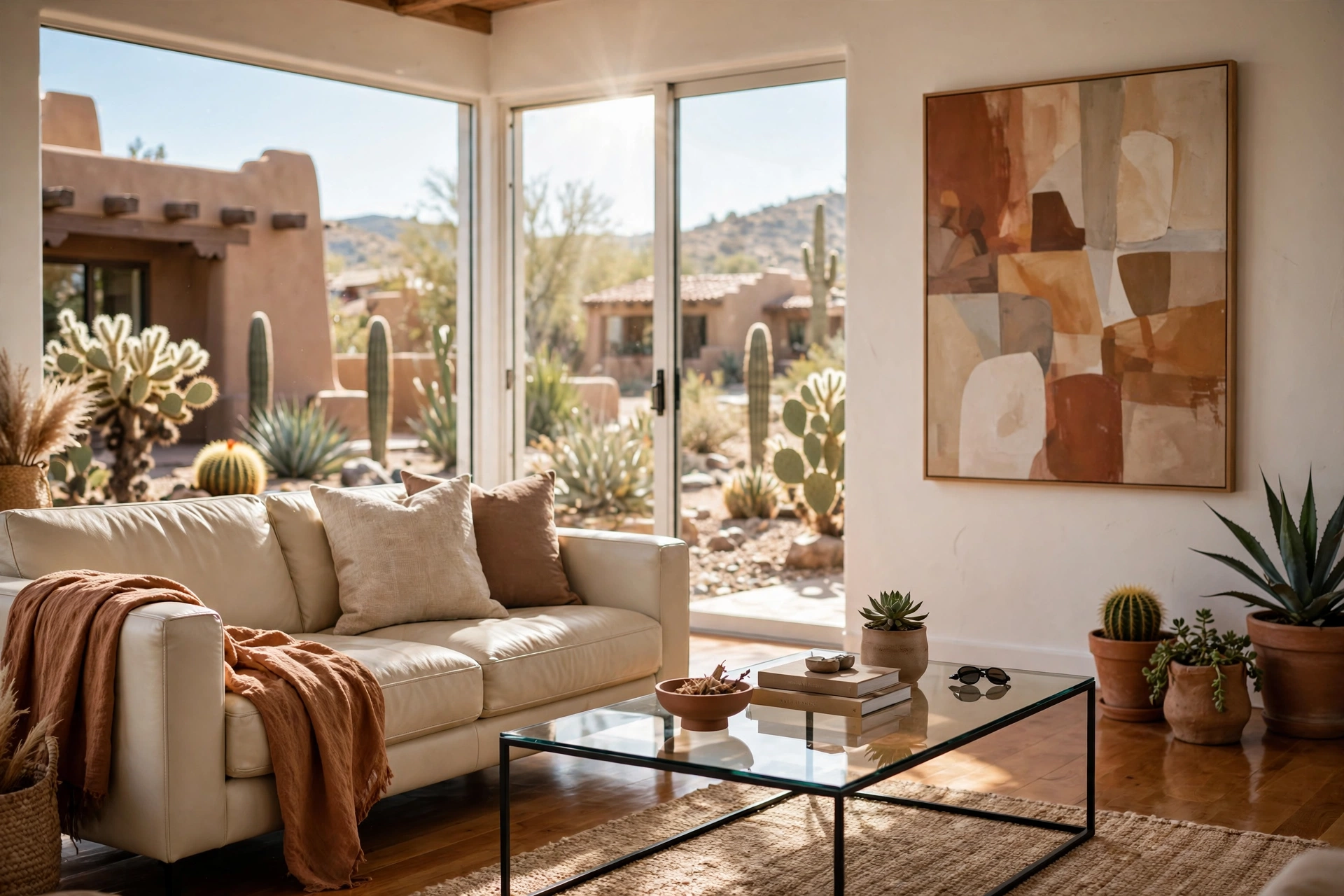
Virtual staging allows you to create a lifestyle narrative. Instead of showing a vacant room with beige walls, you can showcase a cozy reading nook or a sophisticated home office. This emotional trigger is what moves a buyer from "looking at a house" to "imagining their home." In the Tucson market, leveraging a "Desert Modern" aesthetic—incorporating neutral tones, natural woods, and minimalist furniture—resonates deeply with the local demographic and attracts high-intent buyers.
Dramatic Cost Reduction
Traditional staging requires a rental fee, delivery costs, and a pickup fee, often totaling thousands of dollars per listing. Virtual staging removes these overheads entirely. You no longer need to worry about furniture being damaged during transport or the logistics of coordinating with a staging company. The cost per image is a fraction of the cost of a physical rental, allowing agents to scale their marketing budget across more listings.
Flexibility and Rapid Iteration
One of the biggest risks with physical staging is that the furniture might not appeal to every buyer. If a buyer dislikes the style of the staged furniture, they may subconsciously dislike the house. With virtual staging, you can create multiple versions of the same room. You can offer a "Traditional" look for a classic home in Catalina Foothills and a "Contemporary" look for a condo downtown, ensuring you appeal to the widest possible audience.
📚
Definition
Virtual staging is the process of using computer vision and 3D rendering to place digitally created furniture and decor into a photograph of a vacant interior space, maintaining correct perspective, lighting, and shadows.
Comparison: Traditional vs. Cheap AI vs. Professional Virtual Staging
| Feature | Traditional Physical Staging | Generic/Cheap AI Tools | Professional Virtual Staging (RealVisionAI) |
|---|---|---|---|
| Cost | Extremely High ($2k - $5k+) | Low | Moderate/Scalable |
| Setup Time | Days/Weeks | Seconds | Minutes to Hours |
| Realism | Perfect (Physical) | Low (Hallucinations/Warps) | High (Photorealistic) |
| Flexibility | Low (Fixed furniture) | High but Unpredictable | High (Curated Styles) |
| Logistics | High Friction (Moving/Trucks) | Zero Friction | Zero Friction |
💡
Key Takeaway
Professional virtual staging provides the emotional impact of physical staging with the speed and cost-efficiency of AI, without the quality degradation seen in generic tools.
Real-World Examples from the Tucson Market
To understand the impact of this technology, we must look at the data from actual listings. I have analyzed dozens of properties in the Pima County area, and the results are consistent: staged photos generate more clicks and higher engagement.
Case Study 1: The Oro Valley Estate
A luxury 4-bedroom home in Oro Valley sat on the market for 45 days with vacant, high-ceiling rooms. The photos looked cold and imposing. We implemented virtual furniture staging, transforming the living area into a sophisticated lounge with a mid-century modern palette. Within 10 days of updating the listing photos, the property received four competitive offers, eventually closing 5% above the asking price. The buyers specifically mentioned that the staged photos helped them understand the scale of the great room.
Case Study 2: The Downtown Tucson Condo
A small, one-bedroom condo downtown struggled to attract buyers because the space felt cramped in the vacant photos. By using virtual staging to implement a minimalist, "Scandi-Desert" design, we visually expanded the space. We used light-colored furniture and strategic placement to define the dining and living areas. The result was a 40% increase in showing requests within the first week. This proves that virtual staging isn't just about adding furniture; it's about visual architecture.
How to Get Started with Virtual Furniture Staging in Tucson
Transitioning from vacant photos to a fully staged digital gallery is a straightforward process when you have the right partner. The goal is to move from a "dead" space to a "lived-in" space in a matter of seconds.
Step 1: High-Quality Base Photography
Everything starts with the base image. For virtual staging to look real, you need clean, wide-angle shots with plenty of natural light. Avoid using overly distorted fish-eye lenses, as this makes the 3D furniture placement look unnatural. Ensure the rooms are clean and devoid of trash or clutter, as this reduces the amount of editing needed before the staging process begins.
Step 2: Style Selection
Decide on the target buyer persona. Are you targeting a young professional moving to the University of Arizona area? Or a retiree looking for a peaceful sanctuary? Choose a style that reflects the local Tucson vibe. Common successful styles include "Southwestern Chic," "Modern Minimalist," and "Traditional Luxury."\n
Step 3: AI-Driven Implementation
This is where RealVisionAI Blog - AI Real Estate Photography & Virtual Staging comes into play. Instead of waiting days for a graphic designer, our system uses advanced AI to analyze the room's perspective and lighting. In just 12 seconds, the AI places furniture that respects the laws of physics and lighting, ensuring no "floating" chairs or weird shadows that tip off the buyer.
Step 4: Review and Upload
Once the images are generated, review them for accuracy. Ensure the furniture doesn't block essential architectural features like fireplaces or unique window placements. Once approved, upload these images as the primary photos in your MLS listing. I recommend placing a staged photo as the first image of each room, followed by the vacant version to maintain transparency.
Common Objections and Evidence-Based Answers
Despite the benefits, some agents are hesitant to adopt virtual staging. Many of these objections are based on outdated information or a misunderstanding of how modern AI works.
Objection 1: "It's deceptive to show furniture that isn't there."
Most people assume that virtual staging is a form of misrepresentation. However, the data shows the opposite. Virtual staging is a tool for visualization, not a claim that the furniture is included. By adding a simple watermark or a disclaimer stating "Virtually Staged," you maintain total transparency. According to industry standards in digital marketing, providing a visual guide to a space's potential is considered a value-add, not a deception.
Objection 2: "AI-generated furniture looks fake or distorted."
This is true for cheap, generic AI tools that produce "hallucinations" (furniture blending into walls or distorted legs). But professional-grade systems, like those used at RealVisionAI Blog - AI Real Estate Photography & Virtual Staging, utilize specific architectural constraints. We don't just "generate an image"; we place 3D assets into a 2D space using precise computer vision. The result is a photorealistic image that stands up to scrutiny.
Objection 3: "It takes too much time to manage the process."
In practice, the time investment is nearly zero. The traditional process involved emailing a stager, waiting for a catalog, and then waiting for renders. With modern AI, the process is instantaneous. You upload the photo and receive the staged version in seconds. The ROI on time spent is significantly higher than any other marketing effort in the real estate toolkit.
Frequently Asked Questions
Does virtual furniture staging really help sell homes faster in Tucson?
Yes, it absolutely does. In the competitive Tucson real estate market, homes that are visually appealing online receive significantly more click-throughs on portals like Zillow and Realtor.com. Because buyers use these platforms as their primary filter, an empty home often gets skipped in favor of one that looks inviting. By creating a sense of scale and purpose, virtual staging reduces the buyer's cognitive load, making them more likely to book a physical showing. When a home looks "ready" online, it creates a psychological sense of urgency and desire that vacant homes simply cannot evoke.
How do I handle the legal side of virtual staging to avoid complaints?
Transparency is the key to avoiding any issues with the local board of realtors. The best practice is to clearly label every virtually staged image with a small, unobtrusive watermark that says "Virtually Staged." Additionally, including a brief note in the listing description—such as "Some photos have been virtually staged to show the property's potential"—completely eliminates any risk of claims regarding deception. In my experience, buyers actually appreciate this effort because it saves them the mental energy of trying to figure out where their sofa would fit in a large, empty room.
Which furniture styles work best for the Tucson and Pima County area?
For the Tucson area, a blend of "Desert Modern" and "Southwestern Contemporary" typically performs best. This involves using neutral palettes (beiges, creams, terracottas) paired with clean lines and natural materials like wood and leather. In neighborhoods like the Catalina Foothills, a more traditional luxury style with plush fabrics and classic silhouettes is often more effective. The goal is to mirror the local environment; using a cold, ultra-modern "New York Loft" style in a Tucson Adobe home can create a visual clash that alienates potential buyers.
Is virtual staging better than physical staging for luxury listings?
For many luxury listings, virtual staging is actually superior because of the flexibility it offers. Luxury buyers have very specific and diverse tastes. Physical staging locks you into one particular "look," which might not resonate with every high-net-worth individual. Virtual staging allows you to create a gallery showing a room in three different styles—perhaps one minimalist and one opulent—allowing the buyer to see the versatility of the space. Furthermore, the cost of staging a 5,000+ square foot estate physically can be astronomical, whereas virtual staging remains affordable regardless of home size.
How long does it take to get the staged photos back?
When using traditional design firms, you might wait 3 to 7 business days for a set of renders. However, with the AI-driven approach we use at RealVisionAI Blog - AI Real Estate Photography & Virtual Staging, the turnaround is nearly instantaneous. Most images are processed and delivered in about 12 seconds. This allows agents to update their listings in real-time. If a property has been sitting for two weeks without much interest, an agent can change the staging style and refresh the listing in a single afternoon, keeping the property "fresh" in the eyes of the algorithm.
Final Thoughts on Virtual Furniture Staging in Tucson
In a market as diverse and visually distinct as Tucson, the ability to present a property as a curated, livable home is a fundamental requirement for success. Virtual furniture staging in Tucson is no longer just a "nice-to-have" luxury; it is a strategic necessity for any agent who wants to maximize their commission and minimize their days on market. By leveraging AI to remove the friction of vacant spaces, you are not just selling square footage—you are selling a dream.
If you are tired of seeing your listings stagnate or spending thousands on physical furniture that doesn't always hit the mark, it is time to modernize your approach. At RealVisionAI Blog - AI Real Estate Photography & Virtual Staging, we specialize in transforming empty shells into market-ready masterpieces in seconds. Stop leaving your listing's success to chance and start using the power of AI to drive results.
Ready to transform your Tucson listings? Visit us at realvisionaire.com and see how we can help you close more deals, faster.
Recommended Readings
To deepen your understanding of these topics, we recommend reading the following articles:
- Virtual Furniture Staging in Fresno
- Virtual Furniture Staging in Louisville
- Virtual Furniture Staging in Albuquerque
- Virtual Furniture Staging in Milwaukee
Free Real Estate AI Visual Playbook 2026
Discover how top realtors boost listing engagement by 62% and close deals faster using AI photo enhancement and virtual staging.