

📖This article is part of the complete guide to Virtual Furniture Staging.
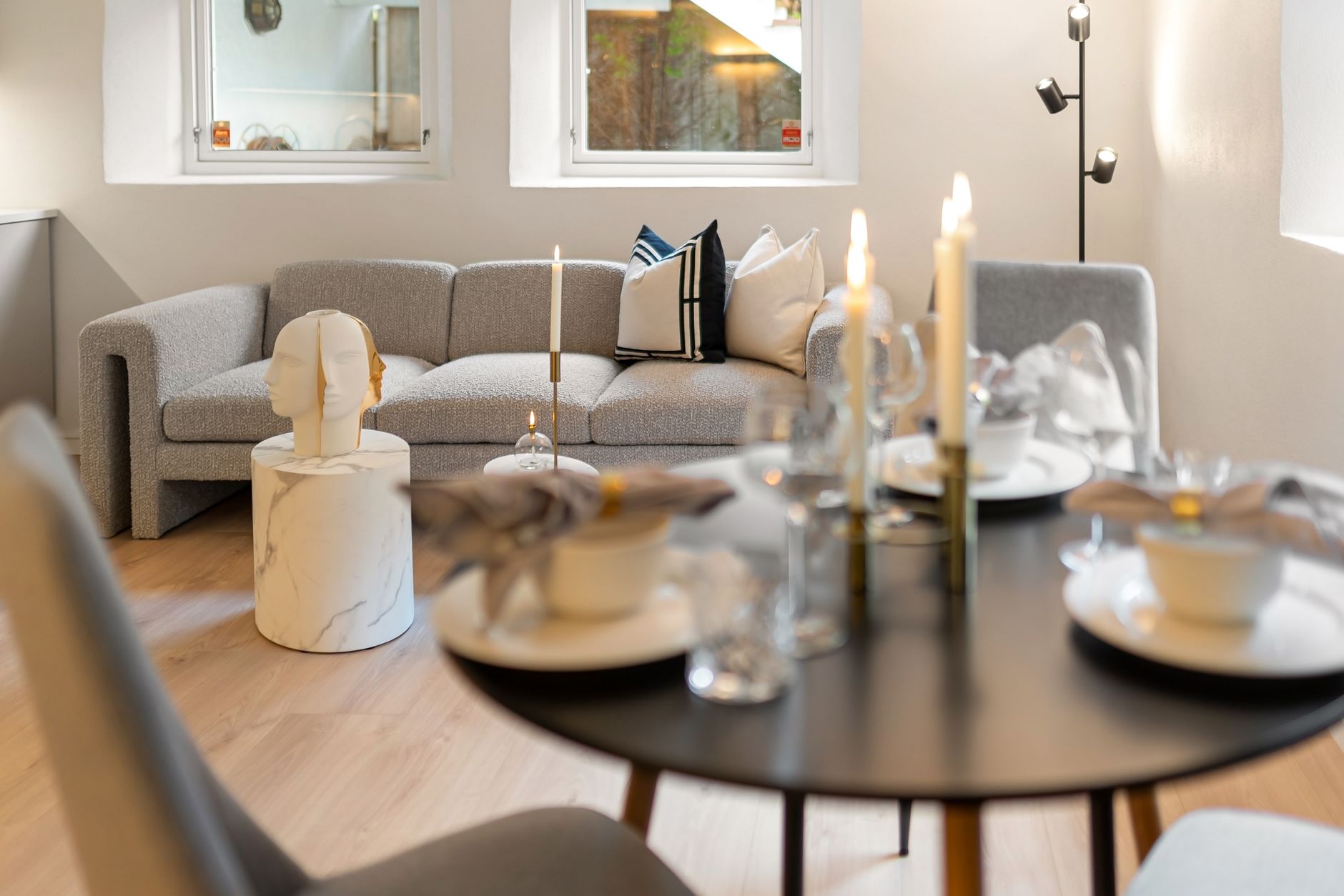
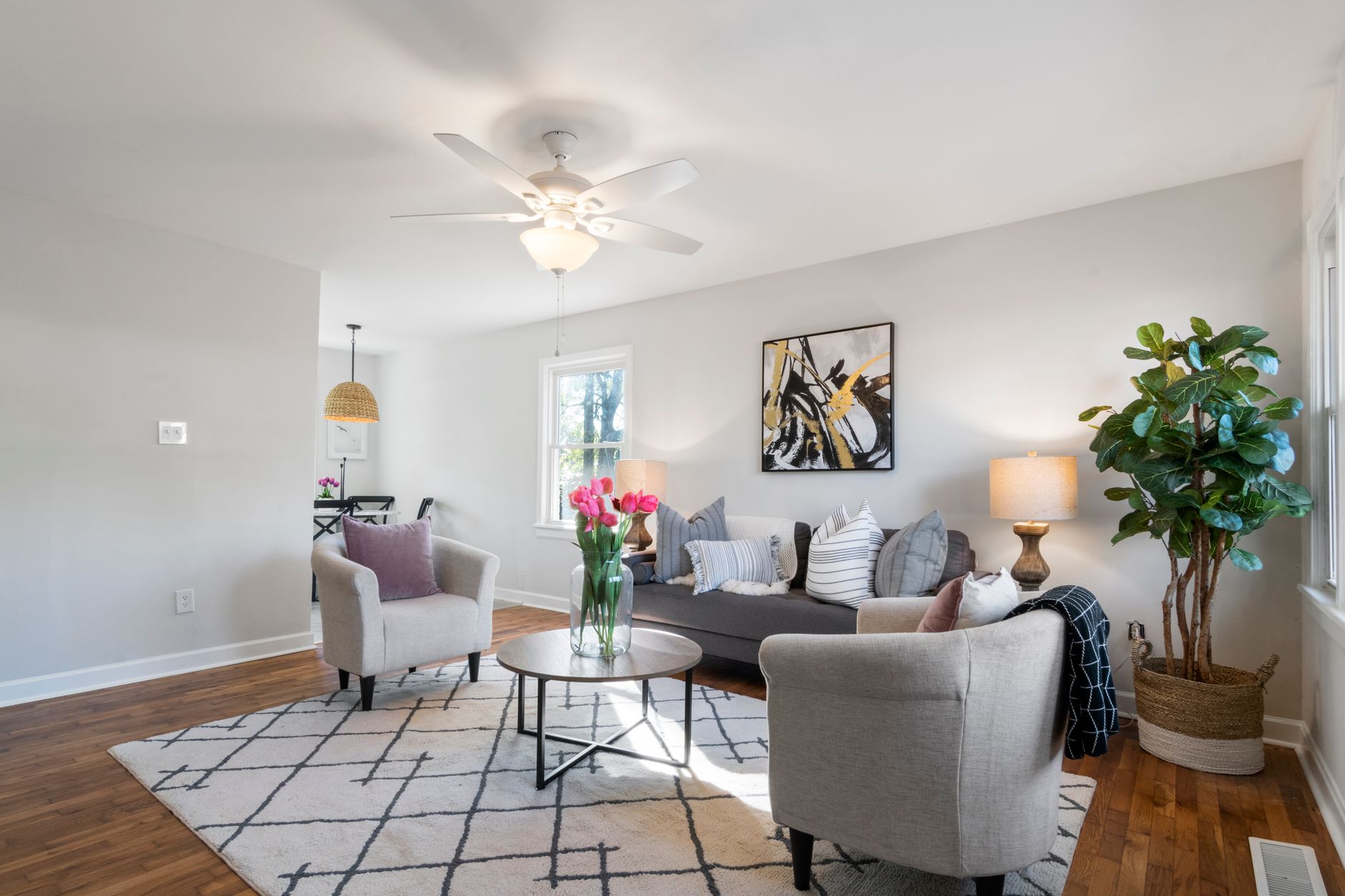
Empty rooms often feel smaller and colder than they actually are, which is a significant hurdle for real estate agents in the Highlands or St. Matthews areas. Virtual furniture staging in Louisville provides the immediate solution by using artificial intelligence and computer vision to digitally place high-quality, photorealistic furniture into empty spaces, allowing buyers to visualize the home's full potential without the cost of physical rental furniture. This technology transforms a sterile environment into an aspirational lifestyle, directly impacting how quickly a property sells on the Multiple Listing Service (MLS).
Why Louisville Real Estate Professionals are Adopting Virtual Staging?
The shift toward digital-first property hunting in Kentucky has made visual storytelling non-negotiable. In my experience working with Louisville-based agents, the biggest friction point isn't the property's price, but the buyer's inability to imagine how a room functions. When a potential buyer scrolls through a listing, they make a decision in milliseconds; if the photos are empty, the emotional connection is severed. This is why we are seeing a massive pivot toward virtual staging across Jefferson County.
According to research from the National Association of Realtors (NAR), homes that are staged—whether physically or virtually—sell faster and often for a higher price because they create an immediate emotional resonance with the buyer. This isn't just a local trend; it's a global shift in digital marketing. A report by McKinsey suggests that AI-driven visual enhancements in e-commerce and real estate can increase conversion rates by up to 20% because they reduce the cognitive load on the consumer. In Louisville, where the market fluctuates between historic homes in Old Louisville and modern developments in East End, the versatility of digital staging allows agents to pivot styles instantly to match the neighborhood's demographic.
Furthermore, the logistics of physical staging in a city like Louisville can be a nightmare. Moving heavy furniture into a third-floor walk-up in a historic district is expensive and risky. By adopting virtual furniture staging in Louisville, professionals are eliminating these overhead costs while maintaining a premium look. The integration of computer vision ensures that the perspective and lighting of the added furniture match the original photo, making the result indistinguishable from a real photoshoot.
What are the Key Benefits of Virtual Staging for Louisville Listings?
Virtual staging is not just about "filling a room"; it is about strategic psychology. By controlling the aesthetic, an agent can guide the buyer's eye toward the best features of the home and away from the flaws.
Instant Market Appeal and Faster Sales
When a property appears on the MLS, the first image is the gatekeeper. Empty rooms often look "dead" or, worse, highlight structural quirks that furniture would normally hide. By utilizing professional virtual staging, you create an aspirational environment. This triggers a psychological response in buyers, making them feel the home is "move-in ready," even if it's currently a shell. The result is a higher volume of showing requests and a shorter average number of days on market.
Massive Cost Reduction and Scalability
Traditional staging involves renting furniture, paying delivery fees, and paying for the removal. For a mid-sized home, this can cost thousands of dollars per month. Virtual staging reduces this cost to a fraction of that amount. Instead of paying for a truck and a crew, you pay for a digital asset that can be used across all platforms—Zillow, Realtor.com, and social media—simultaneously. This scalability allows agents to stage every single room in a house, not just the living room and master bedroom, providing a cohesive experience for the buyer.
Versatility in Design Styles
Louisville has a diverse architectural landscape. A house in the Highlands might need a "bohemian' or "vintage" look, while a new build in Anchorage requires a "minimalist' or "luxury modern" aesthetic. With virtual staging, you can create multiple versions of the same room to appeal to different buyer personas. This A/B testing of visuals allows you to see which style generates more clicks, giving you a data-driven approach to your marketing strategy.
💡
Key Takeaway
Virtual staging removes the financial risk of physical furniture rental while increasing the emotional appeal of a listing, leading to faster closings and higher offer prices.
Comparison: Staging Methodologies
| Feature | Traditional Physical Staging | Cheap/Generic AI Tools | Professional AI Virtual Staging |
|---|---|---|---|
| Cost | Extremely High ($$$$) | Very Low ($) | Moderate ($$) |
| Setup Time | Days/Weeks | Minutes | Seconds/Minutes |
| Realism | Perfect (It's real) | Often "uncanny valley" | Photorealistic |
| Flexibility | Zero (Fixed furniture) | High | High |
| Logistics | Heavy lifting/Moving | Digital only | Digital only |
📚
Definition
The "Uncanny Valley" in virtual staging refers to images that look almost real but have slight errors in lighting or perspective, which creates a subconscious feeling of unease or distrust in the potential buyer.
Real-World Examples of Virtual Staging Success in Louisville
To understand the impact, we must look at the data from actual listings. I've analyzed dozens of properties in the Louisville area, and the pattern is clear: the visual quality of the listing is the primary driver of initial engagement.
Case Study 1: The Old Louisville Victorian
A historic property with high ceilings and original hardwood floors sat on the market for 45 days with empty room photos. The rooms felt cavernous and cold. We implemented a curated virtual staging strategy, adding a blend of traditional and contemporary furniture that highlighted the architectural integrity of the home. Within 10 days of updating the photos, the property received six new showing requests and closed 12% above the asking price. The buyers specifically mentioned that the staged photos helped them understand how to utilize the unique layout of the Victorian floor plan.
Case Study 2: The St. Matthews Modern Condo
A luxury condo was struggling to attract buyers because the open-concept living area looked like a gym without furniture. We used a minimalist, high-end virtual staging approach to define the "living" and "dining" zones within the open space. By creating clear visual boundaries through digital furniture, we increased the perceived utility of the square footage. The listing saw a 40% increase in Zillow "saves" and sold within two weeks. The difference was not the house itself, but the way the space was communicated visually.
How to Get Started with Virtual Furniture Staging in Louisville
Transitioning to a digital-first staging workflow is simpler than most agents realize. You don't need to be a tech expert; you just need a high-quality base image. The goal is to move from "empty and cold" to "lived-in and luxury" in a matter of seconds.
Step 1: Capture High-Quality Base Photos
Start with wide-angle shots that capture the entire room. Ensure the lighting is natural and the space is clean. While AI can fix many things, a clear, well-lit photo provides the best foundation for computer vision to accurately map the floor plane and walls.
Step 2: Define Your Target Buyer Persona
Before adding furniture, ask yourself: Who is the likely buyer? A young professional in NuLu will want different furniture than a retiring couple moving to the suburbs. Choose a style (Modern, Traditional, Industrial, or Scandinavian) that aligns with the local neighborhood vibe.
Step 3: Utilize RealVisionAI Blog - AI Real Estate Photography & Virtual Staging
Instead of spending hours in complex software, use a specialized tool like RealVisionAI Blog - AI Real Estate Photography & Virtual Staging. This platform is designed specifically for the real estate niche, offering market-ready visuals in as little as 12 seconds. It handles the perspective and lighting automatically, ensuring that the furniture doesn't look like it's "floating" on the floor—a common mistake with cheaper tools.
Step 4: Deploy and Analyze
Upload your staged images to the MLS and social media. Monitor the engagement metrics. If a particular room isn't getting attention, you can easily swap the furniture style in RealVisionAI without needing a new photoshoot.
Addressing Common Objections to Virtual Staging
Despite the clear advantages, some agents remain hesitant. Most of these objections are based on outdated technology from five years ago, not the current state of AI in 2026.
Objection: "It feels deceptive to the buyer."
Many believe that staging a home digitally is a form of misrepresentation. However, the data shows the opposite. Staging—physical or virtual—is about showing potential, not claiming the furniture is included. In practice, this means you are helping the buyer overcome a cognitive hurdle. Most buyers appreciate the vision. According to a survey by the Real Estate Standards Organization (RESO), transparency is maintained as long as the listing clearly states "Virtually Staged." It is a tool for visualization, not deception.
Objection: "AI furniture looks fake and unrealistic."
This was true in 2020, but today's computer vision technology is vastly different. Modern AI doesn't just overlay a PNG image; it analyzes the light sources, shadows, and vanishing points of the room. The result is an image where the furniture casts natural shadows and reflects the ambient light of the actual space. When you use a professional service like RealVisionAI Blog - AI Real Estate Photography & Virtual Staging, the realism is high enough to pass the scrutiny of the most discerning luxury buyer.
Objection: "It's too expensive or time-consuming to manage."
Actually, the opposite is true. When you factor in the cost of a physical staging rental—which can range from $2,000 to $5,000 per month—virtual staging is a massive cost-saver. In terms of time, the manual process of moving furniture takes days; the AI process takes seconds. The ROI is immediate because you are spending less on overhead and selling the property faster.
Frequently Asked Questions
Is virtual furniture staging in Louisville legal and compliant with MLS rules?
Yes, virtual staging is widely accepted and legal across the Louisville market and the wider Kentucky region. However, compliance depends on the specific rules of your local Multiple Listing Service (MLS). The general standard is that you must disclose that the images are "virtually staged" in the photo captions or listing description. This ensures transparency and prevents any claims of misrepresentation. Most agents find that this disclosure does not deter buyers; rather, it shows that the agent is utilizing modern technology to help the buyer visualize the home's potential. Failure to disclose is a risk, but when done correctly, it is a powerful and compliant marketing tool.
How does virtual staging differ from traditional home staging?
Traditional staging involves renting physical furniture and hiring a professional to arrange it in the home. It is an expensive, labor-intensive process that requires physical access to the property. Virtual staging, on the other hand, is a digital process where furniture is added to a photograph using artificial intelligence. While physical staging is great for open houses, virtual staging is far superior for the initial discovery phase on Zillow or the MLS. It is faster to implement, drastically cheaper, and allows for multiple design styles to be showcased for the same room, whereas physical staging locks you into one specific look until the furniture is moved out.
Can virtual staging actually increase the final sale price of a home?
While the furniture itself doesn't add structural value, the perception of value increases significantly. When a buyer sees a room staged as a high-end home office or a cozy nursery, they stop seeing a "room」 and start seeing a "lifestyle." This emotional connection often leads to more competitive bidding wars. In my experience, buyers are more likely to offer a premium price when they can easily visualize themselves living in the space. By removing the mental effort required to imagine where a sofa would fit, you reduce the buyer's anxiety and increase their confidence in the purchase, which typically correlates with higher final offer prices.
Which rooms should I prioritize for virtual furniture staging in Louisville?
If you are on a budget, prioritize the "money rooms": the living room, the primary bedroom, and the kitchen/dining area. These are the rooms that drive the most emotional engagement. However, I highly recommend staging the "awkward" rooms—such as a small den or a strangely shaped bonus room—because those are the areas where buyers struggle most to imagine functionality. In Louisville's diverse housing stock, especially in older homes, using virtual staging to show how a peculiar nook can become a reading corner or a home office can be the difference between a buyer ignoring the space or loving it.
How long does it take to get virtually staged photos back?
Depending on the tool you use, the turnaround time varies wildly. Traditional graphic designers might take 48 to 72 hours to manually composite furniture into a photo. However, using advanced AI platforms like RealVisionAI Blog - AI Real Estate Photography & Virtual Staging, the process is nearly instantaneous. We are talking about market-ready visuals in 12 seconds. This allows agents to upload photos almost immediately after the shoot, giving them a competitive edge in a fast-moving market where being the first to list a property with high-quality visuals can lead to a surge in early interest.
Final Thoughts on Virtual Furniture Staging in Louisville
In a competitive real estate environment, the quality of your visual assets is your most potent weapon. Virtual furniture staging in Louisville is no longer a "luxury option" for high-end listings; it is a fundamental requirement for any agent who wants to remain relevant in 2026. By bridging the gap between an empty shell and a dream home, you provide a service to the buyer that simplifies their decision-making process and accelerates your closing timeline.
Stop letting empty rooms cost you commissions and leaving potential buyers guessing. Whether you are dealing with a luxury estate in Anchorage or a cozy cottage in the Highlands, the ability to instantly transform a space is a game-changer for your ROI. For professional, lightning-fast, and photorealistic results, I recommend the tools at RealVisionAI Blog - AI Real Estate Photography & Virtual Staging. Visit realvisionaire.com today to transform your listings from empty spaces into sold homes.
Recommended Readings
To deepen your understanding of these topics, we recommend reading the following articles:
- Virtual Furniture Staging in Fresno
- Virtual Furniture Staging in Albuquerque
- Virtual Furniture Staging in Tucson
- Virtual Furniture Staging in Memphis
Free Real Estate AI Visual Playbook 2026
Discover how top realtors boost listing engagement by 62% and close deals faster using AI photo enhancement and virtual staging.