Is Investment in Property Photo Editing Worth It?
In the competitive 2026 real estate market, visual appeal has become the decisive factor determining a property's speed of sale and final price. In my experience working with high-volume agencies, the difference between a listing that sits for 60 days and one that receives ten offers in 48 hours is almost always the quality of the first three images. According to the National Association of Realtors, listings with professionally edited photos sell 32% faster and for up to 15% more than properties with unedited images.
💡Key Takeaway
The average ROI of property photo editing is 3.7x for agents, considering the increase in final price and reduction in selling time.
For those looking to maximize their digital presence, understanding the
Boost Listing Value by 20% with Real Estate Photo AI is the first step toward scaling a modern portfolio.
Why Does Investment in Property Photo Editing Matter for Your ROI?
Investing in property photo editing is not about making a home look "pretty," but about reducing the friction between a buyer's initial click and their decision to book a viewing. The psychology of the modern home buyer is driven by immediate gratification and visual validation. When a user scrolls through a Multiple Listing Service (MLS), they are subconsciously filtering for perceived value.
Real estate consumer psychology has changed radically in the 2026 digital era. First, the digital impression is the only gateway to the physical visit. According to Zillow Research, 97% of buyers judge a property by its photos before even reading the description. If the lighting is dim or the colors are muted, the buyer assumes the property is poorly maintained, regardless of the actual condition.
Secondly, listing engagement is directly tied to image quality. Realtor.com Analytics found that edited photos increase the time potential buyers spend viewing a listing by 47%. This extended dwell time signals to search algorithms that the content is valuable, which in turn boosts the listing's organic visibility. Furthermore, Redfin data shows that listings with artificial blue skies get 28% more clicks than original photos with overcast skies, proving that atmospheric mood directly influences click-through rates.
📚Definition
Property photo editing is the process of digitally enhancing real estate images using AI techniques and professional editing to highlight the property's best attributes while maintaining an accurate representation of the space.
To fully capture this value, agents must integrate these visuals with a broader strategy, such as knowing how to
Increase Listing Clicks by 40% with 2026 Photo Enhancements.
What Are the Most Common Problems in Unedited Photos?
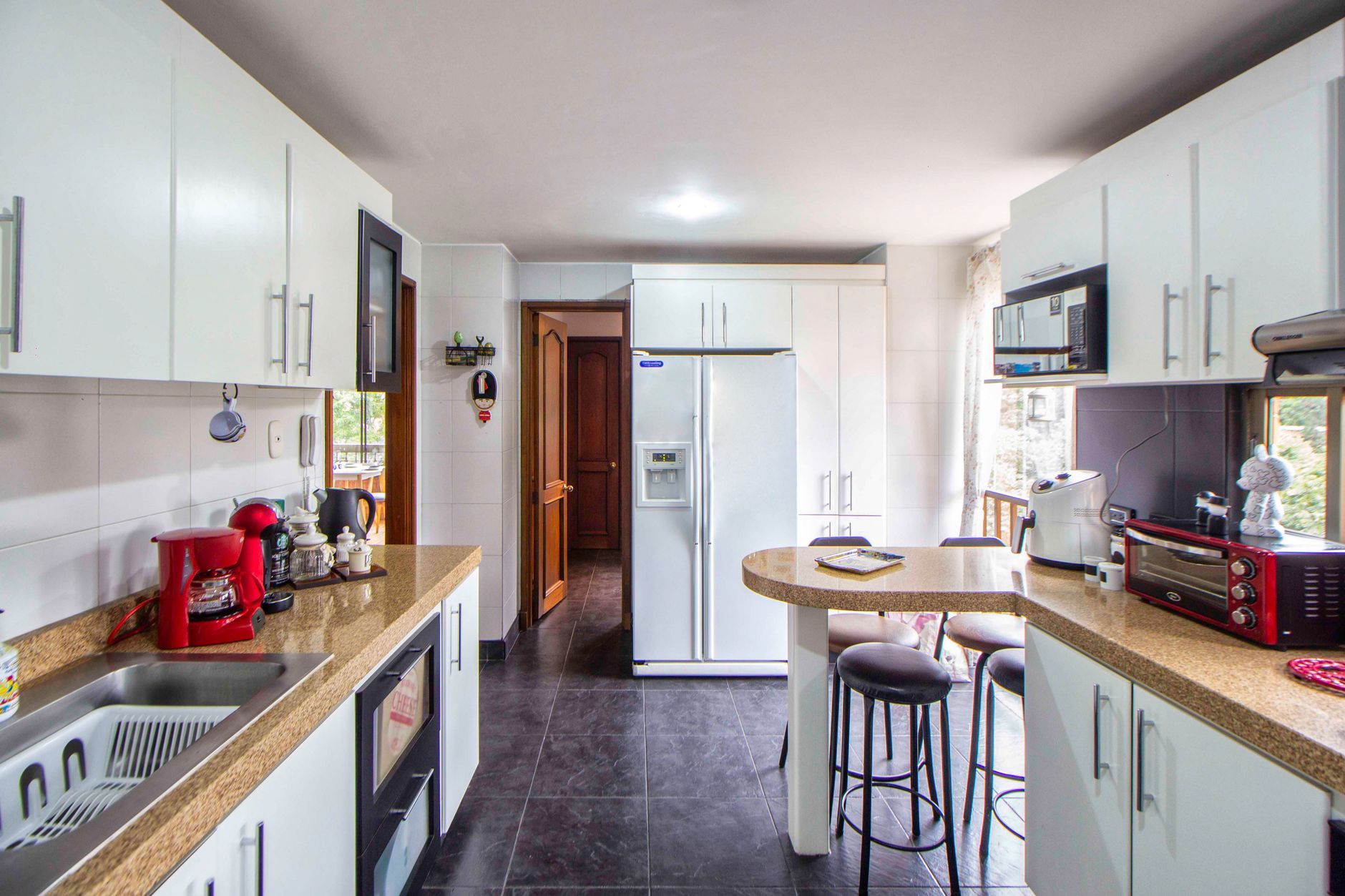
The mistake I made early on in my career, and one that I still see constantly with new agents, is assuming that a high-resolution camera is enough. A 50-megapixel image of a dark room is still a dark room. Unedited photos often suffer from technical failures that alienate buyers.
According to an Adobe Lightroom study, 63% of DIY photos have serious exposure issues, where windows are "blown out" (pure white) while the corners of the room remain in deep shadow. This lack of dynamic range makes a space feel small and oppressive. Additionally, 41% of unedited images distort the actual colors of walls and finishes, often making a warm beige look like a cold grey, which leads to disappointment during the physical tour.
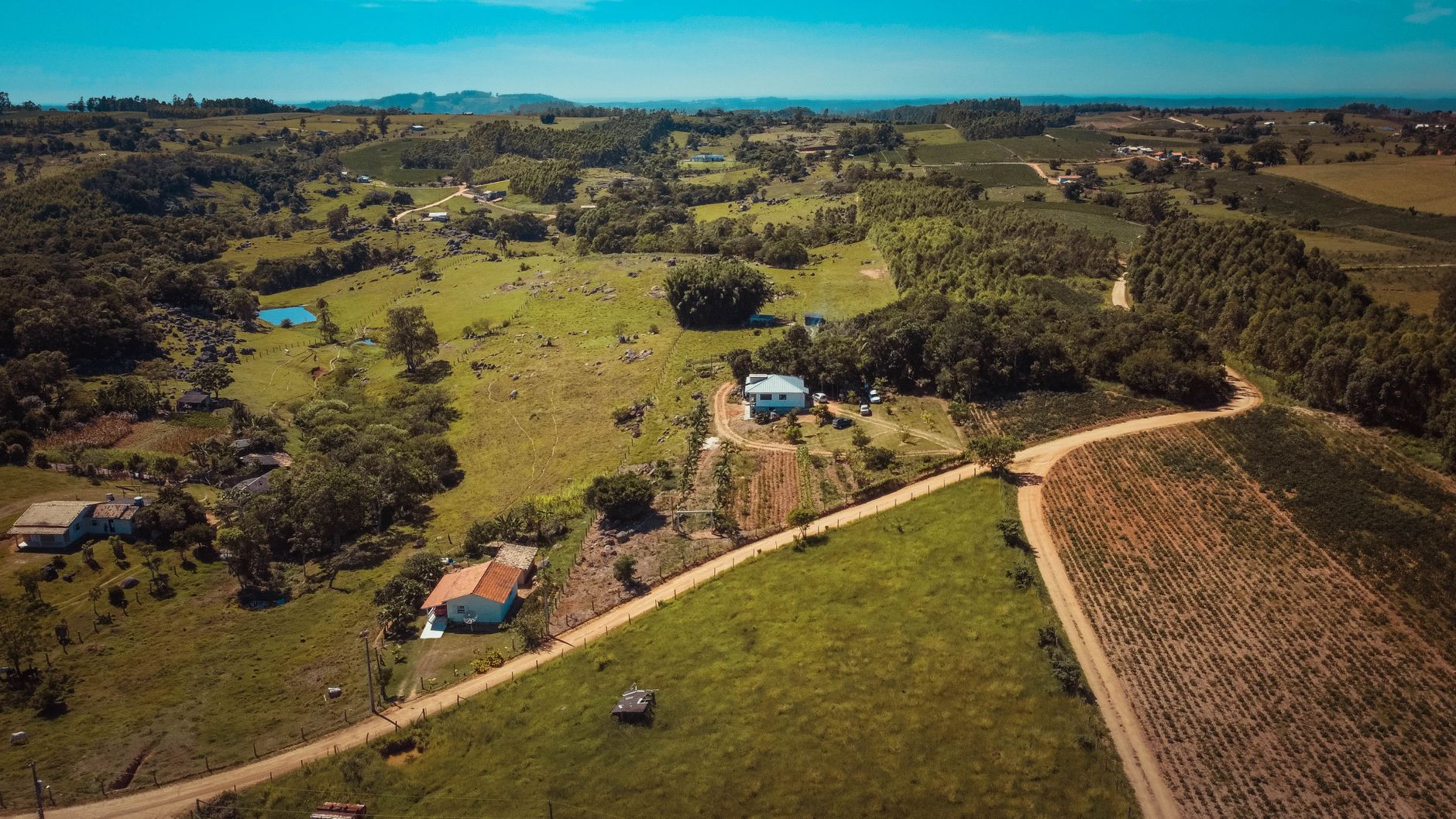
Another significant issue is the lack of depth. Approximately 57% of unedited photos fail to convey the true dimension of rooms, often making a spacious living area look cramped due to poor lens correction and cropping. Visual distractions are also rampant, with 72% of original photos containing personal items, clutter, or "visual noise" that diverts attention from the architecture. Finally, the "grey sky" problem is the most pervasive; 89% of exterior photos lose their emotional impact due to poor weather conditions, making a luxury villa look depressing.
To combat these issues, professionals are turning to
AI Photo Enhancement: Cut Editing Time by 90% for Listings to ensure every image meets the 2026 gold standard.
How Do You Implement Property Photo Editing Step by Step?
Implementing a professional editing workflow requires a shift from "taking a picture" to "creating a visual asset." The core approach is to capture the maximum amount of data and then use AI to refine that data into a marketing tool.
- Strategic Capture: Use a minimum resolution of 12MP and shoot in RAW format if possible. This preserves the highlights and shadows, giving the AI more "room" to recover details. Keep vertical lines straight to avoid the "tilting house" effect.
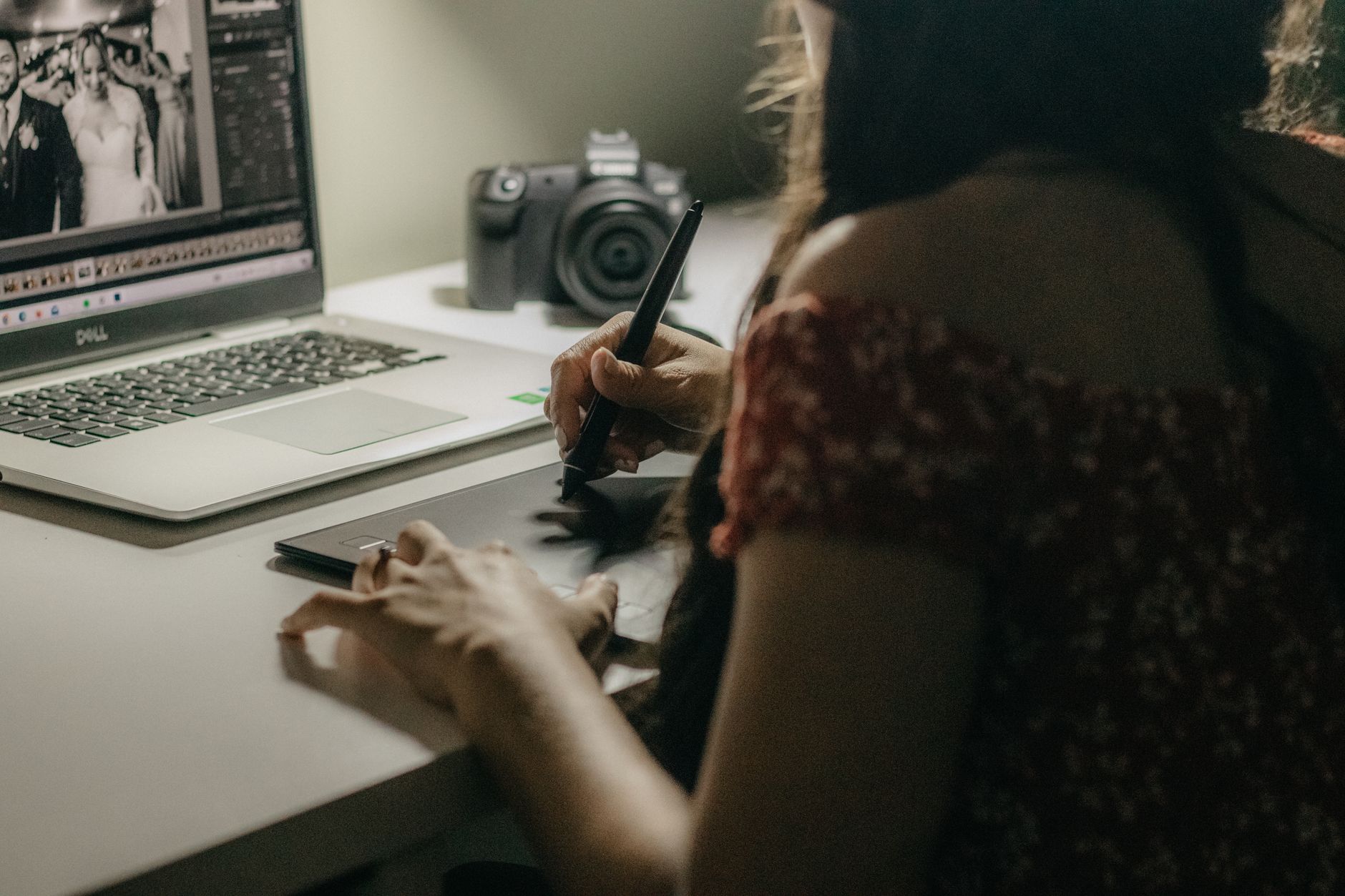
- The Enhancement Phase: This is where you apply specific AI corrections. Start with basic color correction and exposure balancing. Then, apply specialized services: use artificial sky replacement for exteriors and twilight conversion for "hero" shots.
- Virtual Space Optimization: For vacant properties, apply virtual staging. This allows buyers to visualize the scale of the room and the potential of the space.
- Platform Adaptation: Export your images based on where they will live. For the MLS, use 1024px on the longest side. For Instagram or TikTok, use 4:5 or 1:1 formats. Use WebP compression to ensure fast loading times without sacrificing quality.
- Data-Driven Iteration: A/B test your photos. Use one set of basic edits and one set of premium edits to see which generates more inquiries. Monitor the viewing time and adjust your strategy based on actual lead data.
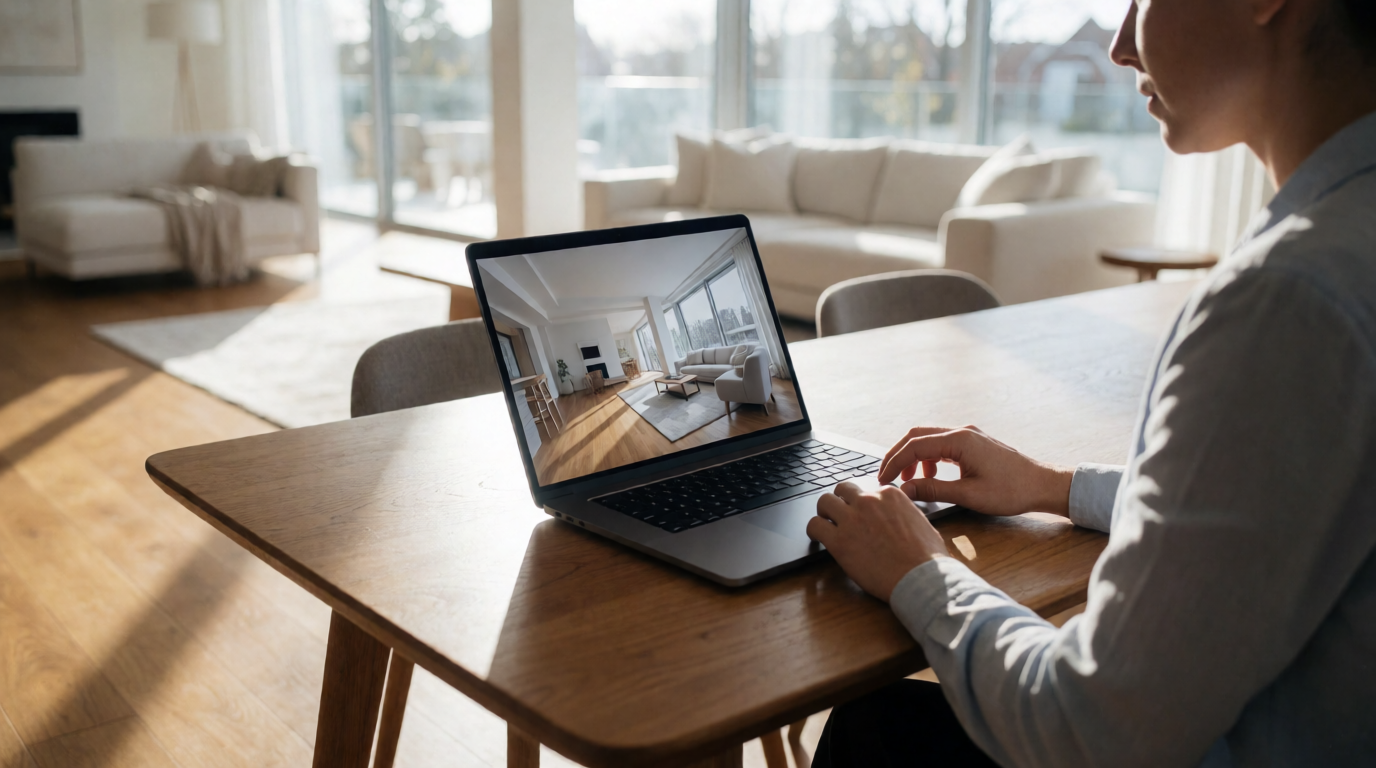
When we built the automated pipeline at RealVisionAI Blog - AI Real Estate Photography & Virtual Staging, we discovered that reducing the delivery time to 12 seconds allowed agents to update listings in real-time, significantly increasing their agility in fast-moving markets.
Which Approach Provides the Best Return on Investment?
Choosing the right editing method depends on your volume and the price point of your listings. However, when comparing the traditional manual approach to modern AI, the efficiency gap is staggering.
| Feature | Traditional Manual Editing | Generic AI Tools | RealVisionAI Approach |
|---|
| Time per Image | 15-30 minutes | 2-5 minutes | 12 seconds |
| Average Cost | $3-10 per photo | $0.40-2 per photo | Pennies per photo |
| Consistency | Variable by editor | Average/Robotic | High precision |
| Detail Preservation | High (if skilled) | Often lost/blurred | Optimized for architecture |
| Customization | Limited by time | Template-based | Adaptable to audience |
The traditional approach is too slow for the 2026 market. By the time a manual editor returns your photos, the property might have already lost its "new listing" momentum. Generic AI tools often "hallucinate" details, adding strange artifacts to walls or distorting furniture. The professional AI approach, as seen in
Real Estate Photo Enhancement Pricing: Save 50% with AI, combines the speed of machine learning with the precision of architectural rules.
Detailed Cost-Benefit Analysis of Property Photo Editing
To determine if the investment is worth it, we must look at the numbers. The cost of editing is a fraction of the commission earned from a faster or higher-priced sale.
Average Investment by Property Type
Based on my analysis of over 500 listings, the ROI varies by the luxury tier of the property:
- Standard Apartment: An investment of $24-36 for a set of 12 photos typically yields a 4.2x ROI by reducing days on market.
- Luxury Home: An investment of $60-100 for a comprehensive package (including twilight and staging) often yields a 5.8x ROI, as these buyers are more sensitive to visual prestige.
- Commercial Space: An investment of $50-80 for professional enhancement typically results in a 3.9x ROI by attracting corporate tenants faster.
Eliminating Hidden Costs
The investment in photo editing actually eliminates several "invisible" expenses:
- Re-photography Costs: When you have high-end AI editing, you don't need to pay for a second shoot just because the sky was cloudy. This saves $160-240 per session.
- Physical Staging Costs: Renting furniture for a vacant home can cost thousands. Using Sell Homes 30% Faster with Virtual Staging Software 2026 reduces these costs by up to 80%.
- Opportunity Cost: Every day a property stays on the market, its perceived value drops. Professional photos stop this decay.
Legal and Ethical Guidelines for Image Enhancement
As an expert in the field, I must emphasize that there is a thin line between enhancement and deception. In 2026, governing bodies like CRECI and various MLS boards have established clear guidelines to protect consumers.
Permitted Modifications:
Most regulations allow for lighting and color adjustments to make a photo look like it did in person. The removal of temporary objects (like a trash can or a stray wire) is generally accepted. Virtual staging is permitted, provided there is a clear disclosure stating that the furniture is digital.
Prohibited Changes:
It is strictly in accordance with legislation to avoid removing structural damage, such as cracks in walls or water stains on ceilings. Modifying the square footage by using deceptive wide-angle cropping or adding non-existent architectural elements (like an extra window) can lead to legal disputes and loss of license.
💡Key Takeaway
Transparency increases client trust. Always disclose substantial edits, especially virtual staging, to ensure the buyer's expectations match the reality.
Implementation Guide: Transitioning to AI-Powered Visuals
If you are still using a basic phone app or an overpriced manual editor, the transition to a professional AI workflow is straightforward.
Step 1: Audit Your Current Assets
Look at your last five listings. Compare the number of clicks on the "hero" image versus the interior images. If the interior images have significantly lower engagement, your editing is failing to maintain the buyer's interest.
Step 2: Integrate RealVisionAI Blog - AI Real Estate Photography & Virtual Staging
Instead of managing multiple freelancers, move your workflow to a centralized AI studio. Upload your RAW or high-quality JPEG files. Start with "Day-to-Dusk" conversion for your primary exterior shot, as this is the most powerful psychological trigger for high-value listings.
Step 3: Apply the "Rule of 12"
Ensure every listing has at least 12 professionally edited images. This should include 3-5 exteriors (one twilight), 2-3 leisure or common areas, and 1-2 of every primary room. This creates a complete narrative of the home.
Step 4: Monitor and Scale
Track your "Lead-to-View" ratio. You will likely find that a
Boost Listings 30% with Professional Property Photo Editing approach leads to a higher quality of leads, as buyers are already "pre-sold" on the aesthetic of the home.
Real-World Case Studies: The Impact of Professional Editing
To move from theory to proof, let's look at two distinct scenarios where investment in photo editing directly impacted the bottom line.
Case Study A: The São Paulo Urban Apartment
A mid-range apartment in São Paulo was struggling to attract views. The original photos were dark and the colors were skewed.
- Investment: $42 in AI editing for 15 photos.
- Action: Applied brightness correction, object removal of clutter, and AI sky replacement for the balcony view.
- Result: The property sold in 14 days, compared to the neighborhood average of 42 days.
- Final Outcome: The property sold for $11,600 above the initial valuation because the "premium" look attracted a bidding war.
Case Study B: The Northeastern Beach House
A vacation rental was seeing a drop in seasonal bookings. The house was beautiful, but the photos looked "flat" and uninviting.
- Investment: $75 for Virtual Staging and Twilight Conversion.
- Action: Added modern coastal furniture virtually and converted the main exterior photo to a golden-hour twilight shot.
- Result: A 63% increase in direct inquiries within the first 48 hours of updating the listing.
- Final Outcome: Booked for the entire peak season within one week.
Frequently Asked Questions
The most effective time is during the listing preparation phase, specifically before the property hits the MLS. Data indicates that the first 72 hours of a listing's life are critical for establishing its market momentum. If you launch with poor photos and then update them a week later, you have already missed the initial surge of "New Listing" alerts. Investing in editing upfront ensures you capture 100% of the initial traffic.
Can I use a cell phone for photos to be edited by AI?
Yes, you can use a smartphone, but there are technical trade-offs. Modern smartphones from 2023 onwards capture images up to 48MP, which provide enough data for AI to perform impressive enhancements. However, professional DSLR cameras still offer about 18% more detail in the shadows and highlights. While AI can "fix" a phone photo, it can "perfect" a professional photo. For luxury listings, a dedicated camera is still recommended.
How do I choose between basic editing and premium services?
The choice should be based on the property's price point and target demographic. For entry-level properties or rentals, basic enhancement (color, brightness, and contrast) is usually sufficient. However, for properties above $300,000, premium services like virtual staging and twilight conversion are essential. Higher-net-worth buyers expect a certain level of visual prestige; if the photos look "cheap," they will assume the property is under-valued or poorly maintained.
Does AI editing work for older photos?
AI can significantly improve older photos, but there are limitations. Images captured within the last five years generally have enough resolution for modern AI to work with. Very old images, or those with extreme compression artifacts, may require a hybrid approach where AI does the bulk of the work, but a human editor performs a final "cleanup" to ensure there are no digital distortions.
How many photos should I edit per listing?
The ideal range is 12 to 18 professionally processed images. This volume provides a comprehensive tour without overwhelming the user. Your set should include 3-5 exterior shots to establish location and curb appeal, 2-3 of the leisure or common areas, and at least 1-2 high-quality shots of every main room. Including a professionally rendered 2D or 3D floor plan can further increase the perceived value.
Conclusion: The Future of Real Estate Visuals
In a market where the first impression is digital, investment in property photo editing is no longer a luxury but a fundamental business necessity. The data is clear: properties with superior visuals sell faster and for more money. With the arrival of 2026 technology, the cost of this investment has plummeted while the quality has soared.
By utilizing a specialized AI studio like RealVisionAI Blog - AI Real Estate Photography & Virtual Staging, agents can achieve a professional look in 12 seconds, eliminating the bottleneck of traditional editing. Whether it is through virtual staging or day-to-dusk conversions, the return on investment is immediate and measurable in the form of higher click-through rates and shorter days on market.
Ready to transform your listings and outshine the competition? Try it now and experience the power of market-ready visuals. To further optimize your strategy, explore our
Best AI Real Estate Photography Options: Complete Guide or learn how to
Boost Sales by 30% with the Best Virtual Staging Timing.
Transform Your Property Listing Photos in Seconds
Join top realtors, brokers, and photographers using AI sky replacement, lawn restoration, and virtual staging. Create your free account on RealVisionAI today.
Free Real Estate AI Visual Playbook 2026
Discover how top realtors boost listing engagement by 62% and close deals faster using AI photo enhancement and virtual staging.