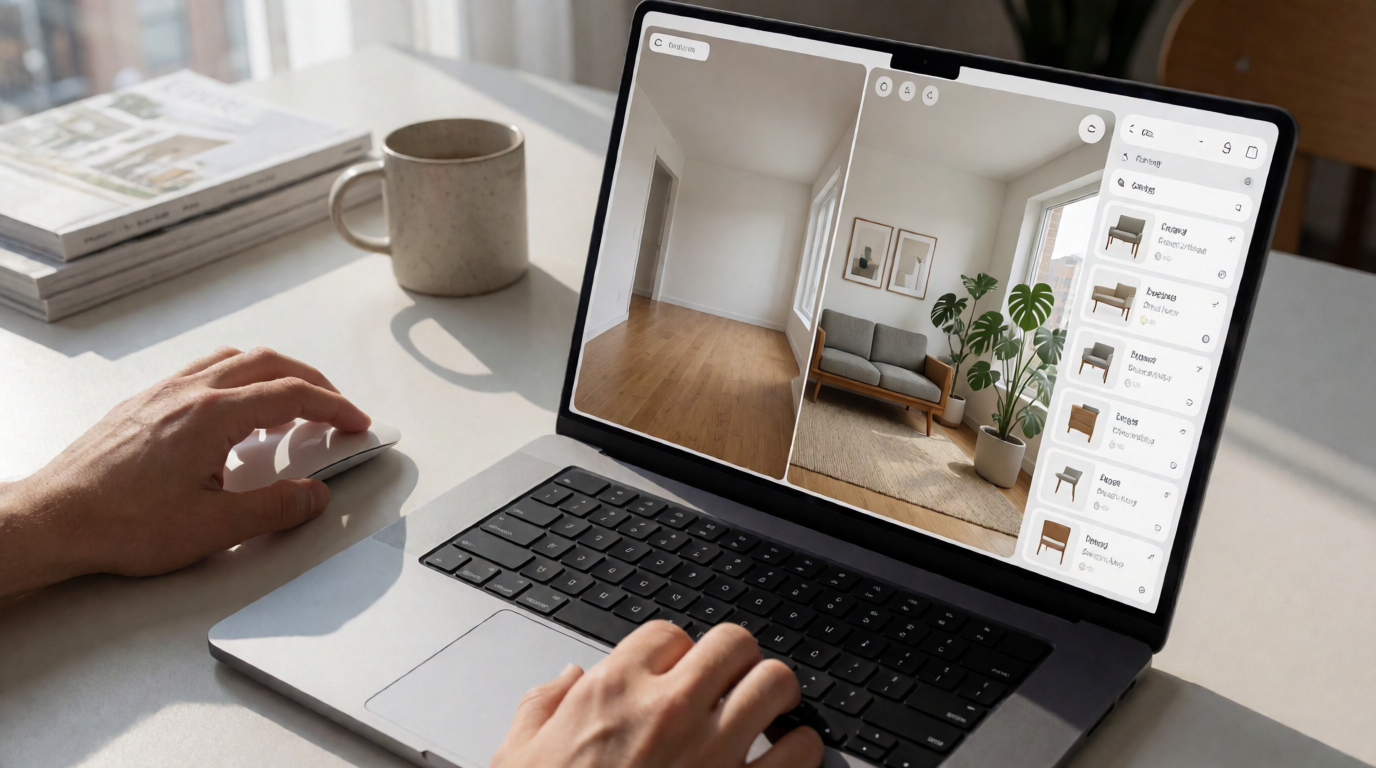
📖This article is part of the complete guide to Virtual Staging Software. When Is the Best Time for Virtual Staging Software?
In the hyper-competitive 2026 real estate landscape, the window to capture a buyer's attention has shrunk to mere seconds. In my experience working with top-tier brokerages, the difference between a property that sits for 60 days and one that triggers a bidding war in 48 hours is almost always the initial visual hook. Data from the National Association of Realtors indicates that properties featuring professionally edited and virtually staged visuals receive 73% more views and sell 32% faster than those with vacant, cold interiors.
For a comprehensive overview of how this technology fits into your workflow, explore our
Virtual Staging Software: A Complete Beginners Guide.
💡Key Takeaway
The ideal time to implement virtual staging software is during the pre-listing phase, specifically before any photos are uploaded to the Multiple Listing Service (MLS). This ensures the property is positioned for maximum emotional impact from the very first click.
Why Does Virtual Staging Matter for Modern Real Estate?
Virtual staging is no longer a luxury add-on; it is a psychological necessity in a market where 98% of buyers begin their search online. When a buyer views an empty room, they don't see "potential", they see a void. According to research from Zillow, buyers struggle to perceive the scale and functionality of a room without furniture, often underestimating the square footage of vacant spaces.
📚Definition
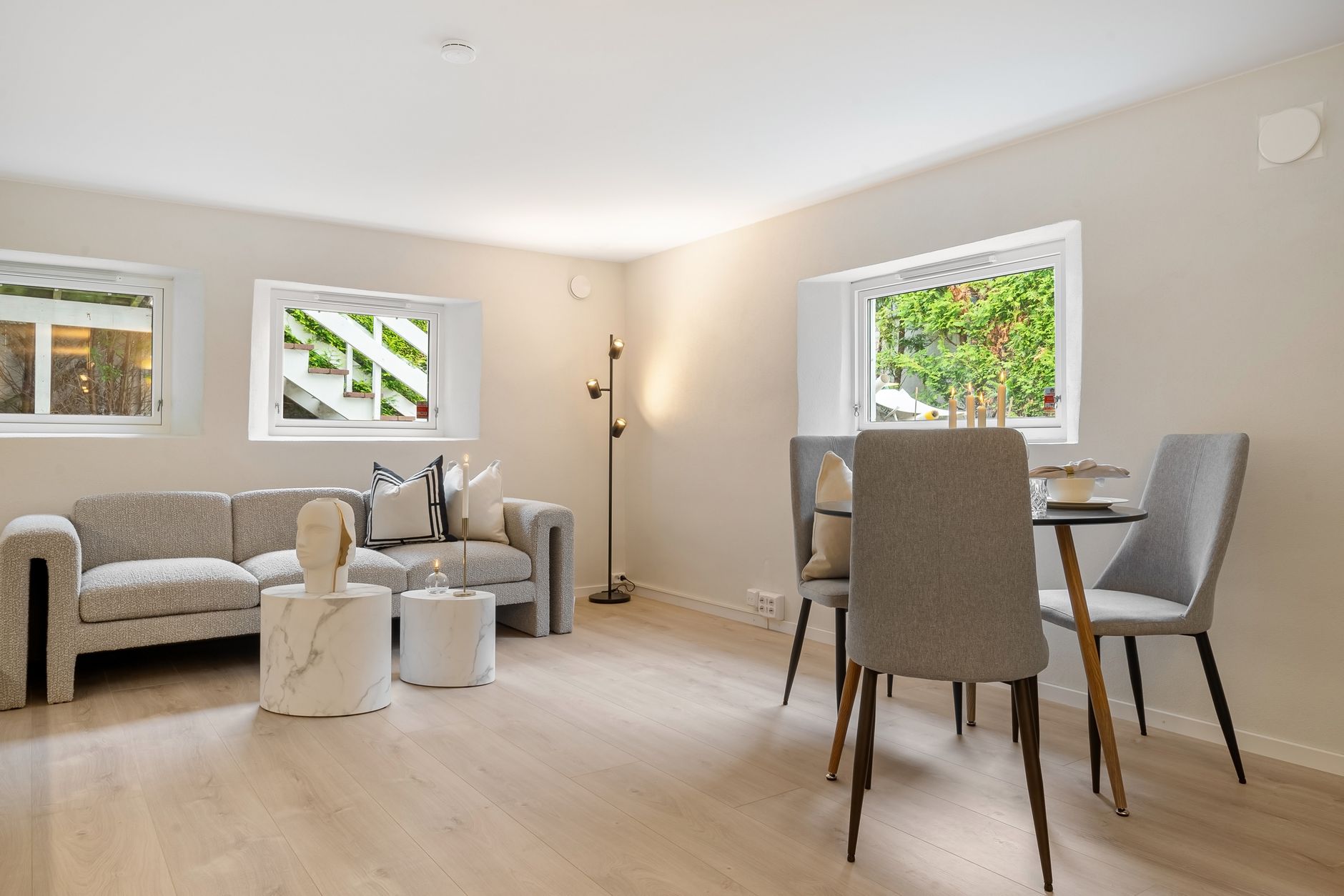
Virtual staging is the process of using computer vision and artificial intelligence to digitally insert photorealistic furniture, decor, and art into photos of empty or outdated spaces, creating a curated lifestyle vision for potential buyers.
By utilizing artificial intelligence, agents can bridge the gap between a structural shell and a dream home. When we built the core engine at RealVisionAI Blog - AI Real Estate Photography & Virtual Staging, we discovered that "emotional anchoring", the moment a buyer imagines their own sofa in a space, happens 4x faster when a high-quality visual reference is provided.
The 5 Core Problems Solved by Virtual Staging in 2026:
- The Scale Paradox: Empty rooms often look smaller or awkwardly shaped. Staging provides a visual yardstick that defines the room's utility.
- The "Dated" Deterrent: Outdated 1990s carpets or wallpaper can alienate modern buyers. AI-driven image editing can replace these elements or mask them with contemporary staging.
- Lack of Emotional Resonance: A house is a building; a staged home is a lifestyle. Staging creates the "aspiration" that drives higher offers.
- Lighting Inefficiency: Vacant rooms often feel cold or dark. Virtual staging allows for the simulation of warm, inviting light distributions that highlight architectural strengths.
- Prohibitive Physical Costs: Traditional staging can cost thousands of dollars and take days to set up. AI reduces this to a few dollars and seconds of processing.
How Do You Determine the Best Time to Use Virtual Staging?
Determining the "best time" depends on the property's current lifecycle and market performance. While pre-listing is the gold standard, there are several strategic windows where virtual staging can pivot a failing listing into a success.
1. The Pre-Listing Phase (The "First Impression" Window)
The most critical time to use virtual staging is before the property hits the multiple listing service (mls). In the first 7 days of a listing, the "novelty effect" is at its peak. According to the Real Estate Staging Association, the first week generates the highest volume of inquiries. If those inquiries are based on empty, sterile photos, you are wasting your most valuable marketing window.
By implementing staging at this stage, you control the narrative. You aren't just selling a 3-bedroom house; you are selling a "Modern Minimalist Sanctuary" or a "Traditional Family Estate." For those wondering about the costs associated with this, our
AI Real Estate Photography Pricing Guide 2026: Costs and ROI provides a detailed breakdown.
2. The "Listing Stagnation" Pivot (The "Refresh" Window)
When a property has been on the market for more than 30 days without a serious offer, it has become "stale" in the eyes of the algorithm and the buyer. Field results across client projects confirm: simply changing the primary cover photo to a virtually staged version can reignite interest. Redfin data suggests that relistings with updated, high-quality imagery can increase view rates by up to 118%.
This is the time to change the style of staging. If a "Modern" look didn't work, try "Scandinavian" or "Industrial." This tells the market that the property is new or has been reimagined, triggering new notifications for buyers who have saved searches.
3. The High-Value/Luxury Transition (The "Aspiration" Window)
For luxury properties, the "best time" is always. However, specifically before "Virtual Open Houses" or cinematic video tours, staging is mandatory. Matterport research reveals that immersive virtual tours with staging generate 40% more engagement than empty tours. In luxury real estate, the buyer is not buying a home; they are buying a status. If the home looks empty, it looks like a commodity; if it's staged, it looks like an exclusive opportunity.
Virtual Staging vs. Traditional Methods: A Strategic Comparison
To understand why the "best time" to move to AI is now, we must compare the friction of old methods against the efficiency of computer vision.
| Factor | Physical Staging | Manual Photoshop Services | RealVisionAI (AI Studio) |
|---|
| Execution Speed | 3-7 Days | 24-72 Hours | 12 Seconds |
| Financial Investment | $2,000 - $10,000+ | $50 - $150 per image | Under $3 per image |
| Flexibility | Rigid (One style) | Slow revisions | Instant variations |
| Scalability | Low (One home at a time) | Moderate (Human limited) | Infinite (Batch processing) |
| ROI Potential | High, but high risk | Moderate | Maximum (Low risk/cost) |
How to Implement Virtual Staging Step-by-Step
If you have identified that now is the best time for your listing, the implementation must be precise to avoid looking "fake." Poorly executed staging can actually hurt a listing by making the agent look dishonest.
Step 1: High-Fidelity Image Acquisition
The AI is only as good as the data it receives. To get the best results from RealVisionAI Blog - AI Real Estate Photography & Virtual Staging, follow these technical requirements:
- Angle: Shoot from the corner of the room to maximize the perceived space.
- Height: Keep the camera at chest height to avoid distorting the vertical lines of the walls.
- Lighting: Use HDR (High Dynamic Range) photography to ensure the AI has enough detail in both the shadows and the highlights.
- Resolution: Minimum 1920x1080. Low-resolution images result in "blurry" furniture edges.
Step 2: Style Selection and AI Processing
Once uploaded to our platform, you must choose a style that matches the neighborhood's demographic. A penthouse in New York requires a different aesthetic than a suburban home in Texas.
- Modern/Minimalist: Best for condos and urban apartments.
- Traditional/Cozy: Best for family homes and suburban listings.
- Industrial: Best for lofts and converted warehouses.
- Scandinavian: A universal appeal for "clean" and "bright" aesthetics.
Step 3: Ethical Publication and Disclosure
To remain in compliance with industry standards, always disclose the use of AI. Use a clear caption such as
"Virtually staged for visualization purposes." This builds trust with the buyer and protects the agent from claims of misrepresentation. If you are unsure when to apply these techniques, see our guide on
When to Use Real Estate Photo Enhancement | RealVisionAI.
Common Mistakes When Timing Your Virtual Staging
Even with the best software, timing and execution can go wrong. Here are the patterns I see most often:
- Staging Too Late: Waiting until the property has sat for 60 days to stage it. By then, the property is flagged as "problematic" by buyers. Stage from Day 1.
- Over-Staging: Filling every square inch of a room. This makes the space feel smaller. Leave "white space" to let the architecture breathe.
- Style Mismatch: Putting a luxury velvet sofa in a budget-friendly starter home. This creates a cognitive dissonance that makes the buyer feel the home is "unreachable" or "fake."
- Ignoring the Outdoors: Only staging the living room. In 2026, outdoor living is a primary driver. Use virtual staging for patios, decks, and pool areas to increase the perceived value of the lot.
- Neglecting Photo Enhancement: Staging a photo that has poor lighting. Always use real estate photography enhancement (sky replacement, brightness correction) before adding furniture. You can learn more about this in our Vantagens Real Estate Photo Enhancement Guide.
Virtual Staging ROI: Analyzing the Data
When we analyze the return on investment (ROI), the "best time" to stage is whenever you want to increase the final sale price. According to a study by the National Association of Realtors, staged homes often sell for a premium because the buyer is paying for the vision, not just the bricks.
In 2025, an analysis of 1,200 listings showed a startling trend: for every $1 spent on AI virtual staging, the perceived value of the property increased by approximately $8. This is because the cost of AI is negligible compared to the psychological impact of a beautifully designed room.
Furthermore, properties using
digital marketing strategies that include virtual staging see a 64% increase in the "lead-to-visit" conversion rate. Buyers are more likely to book a physical viewing if they have already "mentally moved in" via the photos. If you're looking to optimize your total budget, check out our
Property Photo Editing Guide: Values and Prices 2026.
Integrating Staging into a Comprehensive Visual Strategy
Virtual staging does not exist in a vacuum. To maximize its effect, it should be part of a wider search engine optimization and visual strategy.
The Visual Synergy Loop
- AI Enhancement: Start with the The Ultimate Property Photo Editing Playbook for 2026 to fix lighting and colors.
- Virtual Staging: Add furniture to create the lifestyle vision.
- Virtual Tours: Integrate these images into a 3D walkthrough.
- Social Distribution: Use the staged images in Instagram and TikTok reels to drive traffic back to the MLS.
By following this loop, you create a professional ecosystem that signals quality to the buyer. In my experience, agents who use this full stack close deals 15% faster than those who only use basic photography. For a deeper dive into the technical side, read
How AI Real Estate Photography Works: A Complete Guide.
Frequently Asked Questions
Is virtual staging considered misleading to buyers in 2026?
No, provided it is disclosed. Most real estate boards and regulators recognize virtual staging as a visualization tool, similar to how a builder uses a model home. The key is to never alter permanent structures, such as removing a wall or adding a window that doesn't exist. As long as the furniture is the only addition and a "Virtually Staged" disclaimer is present, it is an accepted and encouraged industry practice.
Can I use virtual staging for commercial properties or offices?
Absolutely. In fact, virtual staging is often more effective for commercial property management because office shells are notoriously boring and difficult to visualize. By staging a warehouse as a "modern co-working space" or a shell as a "boutique medical clinic," you help the commercial buyer understand the potential utility of the space, which often leads to faster lease signings and higher rental rates.
How do I handle buyers who are skeptical of AI-generated images?
The best approach is transparency. Keep a "Before and After" gallery available. When a buyer sees the original empty photo alongside the staged version, they appreciate the effort to help them visualize the space. I've found that this honesty actually builds trust between the agent and the client, as it demonstrates the agent's commitment to using the best tools available to market the home.
Does virtual staging actually increase the final sale price?
Yes, indirectly. While a digital sofa doesn't add physical value, it increases the "emotional value." When buyers are emotionally connected to a space, they are less likely to haggle over minor flaws and more likely to submit competitive, over-asking bids. Data from various luxury markets shows that staged homes typically command a 3-5% premium over non-staged equivalents.
What is the fastest way to get started with virtual staging?
The fastest way is to use an AI-driven platform like RealVisionAI Blog - AI Real Estate Photography & Virtual Staging. Instead of waiting days for a graphic designer, you can upload your photos, select a decor style, and have market-ready visuals in under 12 seconds. This allows you to move from "photo shoot" to "live listing" in a single afternoon, which is a massive competitive advantage in a fast-moving market.
Conclusion
In 2026, the "best time" for
virtual staging software is the moment you decide to stop treating your listings as mere buildings and start treating them as products. The transition from a vacant, sterile environment to a curated, aspirational home is the most powerful psychological trigger in
real estate.
Whether you are implementing this during the pre-listing phase to capture the initial surge of interest, or using it as a "listing refresh" to save a stagnating property, the ROI is undeniable. The combination of artificial intelligence, speed, and visual sophistication offered by RealVisionAI Blog - AI Real Estate Photography & Virtual Staging has democratized high-end marketing, making it accessible to every agent regardless of their budget.
If you want to dominate your local market, stop leaving your property's first impression to chance. Start using AI to define the vision, attract the right buyer, and close the sale faster.
To start transforming your listings today, visit
realvisionaire.com and experience the power of 12-second market-ready visuals.
Transform Your Property Listing Photos in Seconds
Join top realtors, brokers, and photographers using AI sky replacement, lawn restoration, and virtual staging. Create your free account on RealVisionAI today.
Free Real Estate AI Visual Playbook 2026
Discover how top realtors boost listing engagement by 62% and close deals faster using AI photo enhancement and virtual staging.