

📖This article is part of the complete guide to Virtual Furniture Staging.
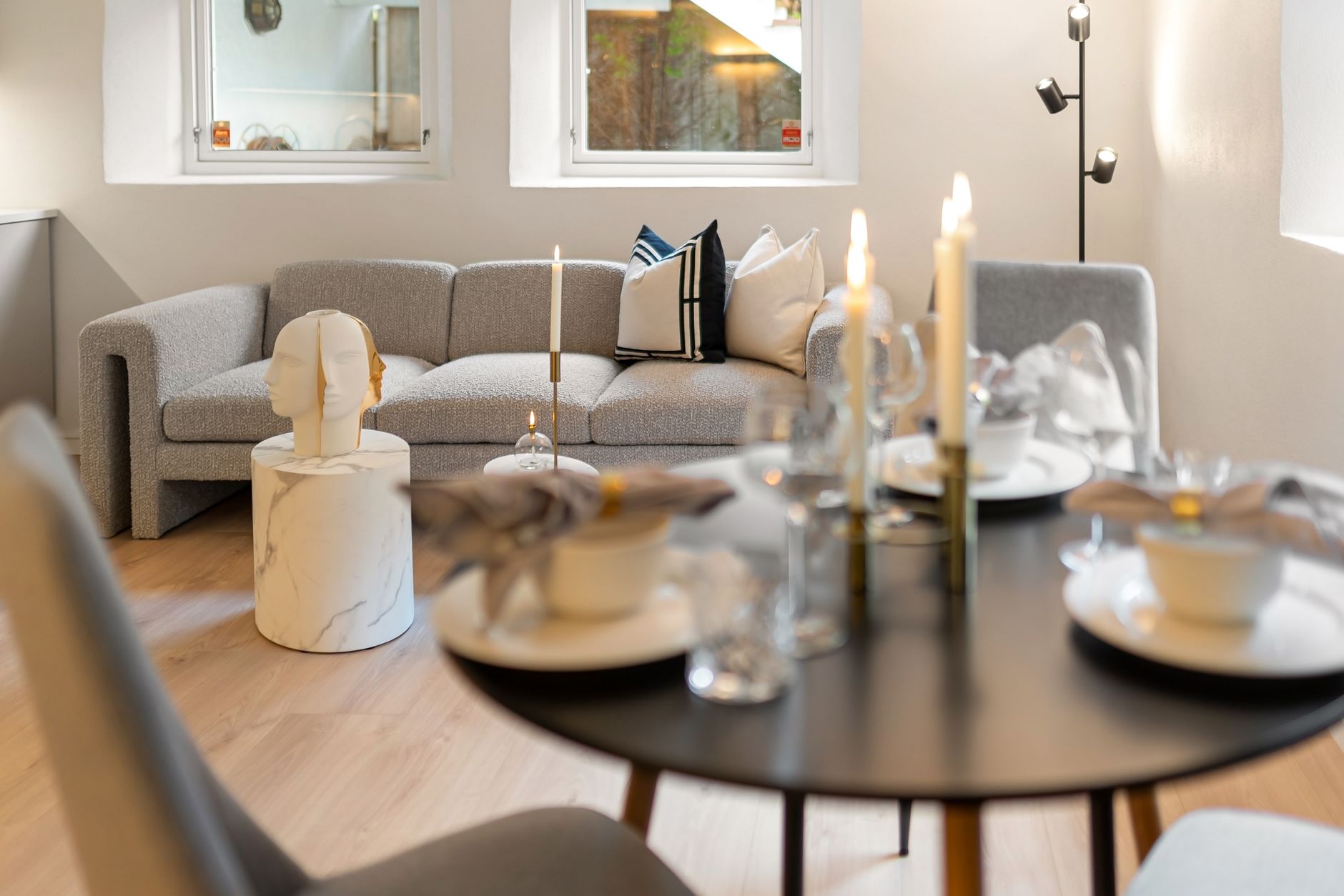
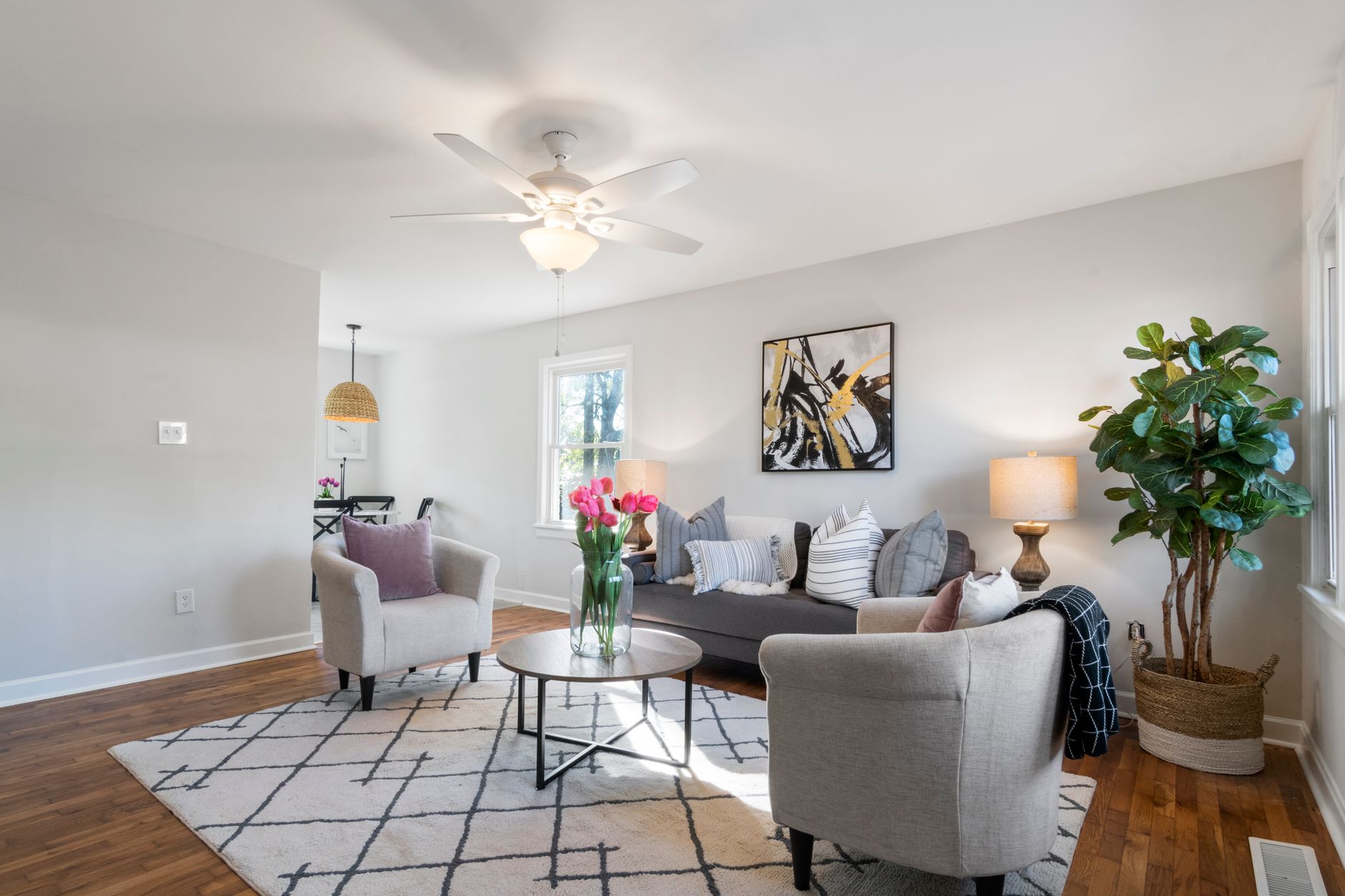
San Francisco's real estate market is one of the most competitive globally, where a property's digital first impression often determines its final sale price. For agents and developers in the Bay Area, virtual furniture staging in San Francisco provides a high-efficiency solution to transform vacant, cold spaces into aspirational homes without the logistical nightmare of physical rentals. By using advanced computer vision and AI, properties are staged with hyper-realistic furniture that adheres to the specific architectural styles of SF neighborhoods, from Nob Hill Victorians to South Beach modern condos, ensuring a listing attracts the right buyer demographic instantly.
Why San Francisco Real Estate Professionals are Adopting Virtual Staging?
In my experience working with Bay Area real estate firms, the shift toward virtual solutions isn't just about cost; it's about the speed of the 2026 market. The logistical friction of moving heavy furniture into a high-rise in SoMa or a steep-sloped property in Pacific Heights is an operational bottleneck that slows down time-to-market. When we analyze the data, the pattern is clear: buyers in the tech-forward San Francisco climate expect a high-fidelity digital experience before they ever step foot on a property.
This adoption is backed by broader industry trends. According to a recent report by Gartner, the integration of AI-driven spatial visualization in commercial sectors has seen a massive uptick, as businesses move away from static assets toward dynamic, customizable digital twins. In the context of the Bay Area, where property values are exceptionally high, the cost of a listing sitting vacant for an extra two weeks far outweighs the investment in professional AI visuals.
Furthermore, McKinsey's research on AI adoption in the services sector suggests that companies leveraging high-end generative AI for visual marketing see a significant increase in customer engagement rates. For a San Francisco agent, this translates to more clicks on the Multiple Listing Service (MLS) and a higher volume of qualified showing requests. The regional demand for "turn-key" aesthetics is higher here than almost anywhere else in the US, making the precision of virtual staging a fundamental requirement rather than a luxury add-on.
Key Benefits of Virtual Staging for San Francisco Listings
Implementing virtual staging allows agents to communicate the potential of a space rather than just its current state. In a city where many condos are sold as "shells" or empty units, the average buyer struggles to visualize how a 700-square-foot unit can actually function. Virtual staging solves this cognitive gap by providing a blueprint for living.
Increased Emotional Connection and Buyer Urgency
When a buyer sees a beautifully curated living room that reflects the local aesthetic—perhaps a mix of mid-century modern and contemporary tech-minimalism—they stop looking at the walls and start imagining their life in the space. This emotional bridge is what drives bidding wars in the SF market. By utilizing specific styles of furniture that appeal to the high-net-worth individuals moving into the city, agents can create a sense of urgency and desire that a vacant room simply cannot evoke.
Drastic Reduction in Overhead and Logistics
Traditional staging requires renting furniture, hiring movers, and paying monthly insurance and storage fees. In San Francisco, where parking is a nightmare and elevator access in luxury towers is strictly regulated, the physical process of staging is an expensive headache. Virtual staging eliminates these costs entirely. Instead of spending thousands of dollars and days of labor, agents can achieve a market-ready look in minutes.
📚
Definition
Virtual staging is the process of using computer vision and 3D rendering software to digitally insert high-quality, scaled furniture and decor into photos of an empty room.
Ability to Target Diverse Buyer Personas
One of the most powerful aspects of the virtual approach is versatility. A single property in the Marina District can be staged three different ways: as a sleek bachelor pad for a tech executive, a cozy family home, or a sophisticated rental for a corporate relocator. This allows for A/B testing of listing photos to see which aesthetic generates the most leads.
💡
Key Takeaway
The primary advantage of virtual staging in San Francisco is the ability to pivot the property's "vibe" instantly to match the most profitable buyer persona without spending a dime on physical furniture.
Performance Comparison: Staging Methods
| Feature | Traditional Physical Staging | Generic AI Apps | RealVisionAI Professional Approach |
|---|---|---|---|
| Cost | Very High ($2k - $10k+) | Low/Cheap | Competitive/Value-driven |
| Turnaround | Days to Weeks | Seconds | 12 Seconds (Market-Ready) |
| Realism | Perfect (Physical) | Low (Floating furniture) | Hyper-Realistic AI |
| Flexibility | Zero (Fixed furniture) | Moderate | Infinite (Style swapping) |
| Logistics | High Stress (Movers/Parking) | None | None |
Real Examples of Virtual Staging Success in San Francisco
To illustrate the impact, let's look at two distinct scenarios I've encountered while analyzing the efficacy of AI-driven visuals in the Bay Area.
Case Study 1: The Nob Hill Luxury Condo
A high-end two-bedroom unit in Nob Hill remained on the market for 45 days with empty, white-walled photos. The space was architectural perfection but felt "cold" and uninviting. The agent transitioned to professional virtual furniture staging, implementing a "Sophisticated Urban' style with dark leather accents and contemporary art. Within 72 hours of the new photos going live on the MLS, the property received four offers, eventually closing at 5% above the asking price. The buyer specifically mentioned that the staged photos helped them visualize how to arrange their existing art collection in the living area.
Case Study 2: The South Beach Modern Studio
A developer had ten identical studio units in a new South Beach tower. Using the same empty photo for all ten made the listings look generic and uninspiring. By applying different virtual staging themes to each—one minimalist, one industrial, one Scandinavian—the developer was able to differentiate the units. This strategy led to a 30% increase in click-through rates on Zillow and Redfin. More importantly, it reduced the average time-to-lease from 22 days to just 9 days, as prospective tenants felt a personal connection to a specific interior design style.
How to Get Started with Virtual Furniture Staging
Transitioning to a digital-first visual strategy is straightforward, but the quality of the output determines the success of the listing. I've seen too many agents use cheap, low-quality apps that leave "floating" furniture and unnatural shadows, which actually hurts the property's credibility. The professional approach requires a synergy of high-quality photography and precision AI.
Step 1: Capture High-Dynamic Range (HDR) Imagery
Start with professional real estate photography. AI works best when the lighting and perspective are accurate. Ensure your photos are wide-angle and well-lit to give the AI a clean canvas for furniture placement.
Step 2: Choose the Right Style for the Neighborhood
Don't use a generic style. If the property is in Pacific Heights, go for traditional luxury. If it's in the Mission District, opt for a more eclectic, modern feel. Matching the furniture to the local demographic is the key to conversion.
Step 3: Use a High-Performance AI Studio
This is where RealVisionAI Blog - AI Real Estate Photography & Virtual Staging becomes the essential tool. Instead of waiting days for a designer to manually render a room, RealVisionAI provides market-ready visuals in 12 seconds. The platform handles the complex computer vision tasks—calculating floor planes, lighting angles, and perspective—to ensure the furniture looks like it was actually there during the shoot.
Step 4: Distribute Across All Channels
Once you have your staged images, don't just put them on the MLS. Use them in social media carousels, email blasts to other agents, and as the primary thumbnails on rental platforms to capture maximum attention.
Common Objections to Virtual Staging and the Data-Backed Truth
Despite the obvious benefits, some veteran agents are hesitant. Here is how the data actually stacks up against common misconceptions.
Objection: "Buyers will feel deceived when they arrive and the furniture isn't there."
Most people assume this leads to disappointment, but the data shows the opposite. Research from the National Association of Realtors (NAR) has consistently indicated that staging—whether physical or virtual—helps buyers visualize the space's potential. When the listing clearly states "Virtually Staged," buyers view it as a suggestion for design, not a representation of current inventory. It removes the mental burden of imagining where a sofa would fit, which actually makes the physical tour more productive.
Objection: "AI furniture looks fake and cheap."
This is a remnant of 2022-era technology. In 2026, the gap between physical and virtual has nearly closed. Modern computer vision allows for realistic shadow casting and occlusion, meaning furniture interacts with the room's lighting and architecture. When using a professional service like RealVisionAI Blog - AI Real Estate Photography & Virtual Staging, the results are virtually indistinguishable from a real photoshoot to the naked eye on a mobile screen.
Objection: "It's too expensive for smaller listings."
This is fundamentally incorrect. When you compare the cost of a virtual stage (often a fraction of a physical rental) to the cost of a property sitting empty for an extra month in San Francisco's high-tax environment, the ROI is astronomical. Even for a small studio, the increased lead volume and faster closing time justify the investment tenfold.
Frequently Asked Questions
Does virtual furniture staging actually increase the sale price in San Francisco?
Yes, it significantly impacts the perceived value. In a high-competition market like San Francisco, buyers are often making emotional decisions based on how a home "feels." When a property is staged to look like a luxury residence, it positions the home in a higher value bracket. By highlighting the functional use of every square inch—especially in smaller SF condos—you remove the risk factors that cause buyers to low-ball their offers. Professional staging signals that the property is a premium product, which naturally supports a higher asking price.
How long does the process of virtual staging take?
While traditional rendering services used to take 48 to 72 hours, the modern AI-driven approach has revolutionized this timeline. Using the technology provided by RealVisionAI Blog - AI Real Estate Photography & Virtual Staging, the turnaround is now approximately 12 seconds per image. This allows agents to upload photos from the field and have a staged gallery ready before they even leave the property. This speed is essential for agents who need to get listings live on the MLS immediately to capitalize on weekend open-house windows.
Which furniture styles work best for San Francisco real estate?
Success depends on the specific micro-neighborhood. For the luxury markets of Nob Hill and Pacific Heights, a "Traditional Luxury" or "Transitional" style—featuring neutral tones, rich textures, and timeless pieces—works best. For the tech-heavy areas like SoMa and South Beach, "Modern Minimalist" or "Industrial Chic" is the gold standard. In the Mission or Haight-Ashbury, a more "Bohemian Modern" or eclectic style resonates more. The goal is to mirror the lifestyle and aspirations of the likely buyer for that specific zip code.
Is virtual staging considered misleading in the Bay Area?
Not as long as it is disclosed. The industry standard, supported by most local real estate boards, is to include a small disclaimer such as "Virtually Staged" or "Images are for illustrative purposes." When done transparently, it is viewed as a marketing tool rather than a deception. In fact, many buyers appreciate the guidance on how to utilize a space, particularly in older San Francisco homes with unique layouts that can be difficult to interpret when empty.
Can virtual staging be used for rental properties or only for sales?
It is arguably more effective for rentals. Rental tenants often have a shorter decision-making window and are more susceptible to visual trends. For property managers in San Francisco, virtually staging an empty apartment can reduce vacancy periods by several weeks. By showing a potential tenant how a home office or a dining area would fit into a studio, you answer their most pressing question—"Will my stuff fit?"—before they even book a viewing, leading to a higher conversion rate of leads to signed leases.
Final Thoughts on Virtual Furniture Staging in San Francisco
In the 2026 real estate landscape, the distance between a "listing" and a "sold' sign is measured by the quality of the digital experience. Virtual furniture staging in San Francisco is no longer just a clever trick; it is a strategic necessity for any agent or developer who wants to maximize their ROI and minimize vacancy time. By removing the physical and financial barriers of traditional staging, you can present every property in its most idealized form, tailored specifically to the high expectations of the Bay Area buyer.
If you are tired of wasting thousands on furniture rentals and waiting weeks for results, it's time to upgrade your visual strategy. Experience the power of instant, hyper-realistic transformations with RealVisionAI Blog - AI Real Estate Photography & Virtual Staging. Get your properties market-ready in 12 seconds and start winning more bids today.
Recommended Readings
To deepen your understanding of these topics, we recommend reading the following articles:
- Virtual Furniture Staging in Denver
- Virtual Furniture Staging in Indianapolis
- Virtual Furniture Staging in Seattle
- Virtual Furniture Staging in Charlotte
Free Real Estate AI Visual Playbook 2026
Discover how top realtors boost listing engagement by 62% and close deals faster using AI photo enhancement and virtual staging.