

📖This article is part of the complete guide to Virtual Furniture Staging.
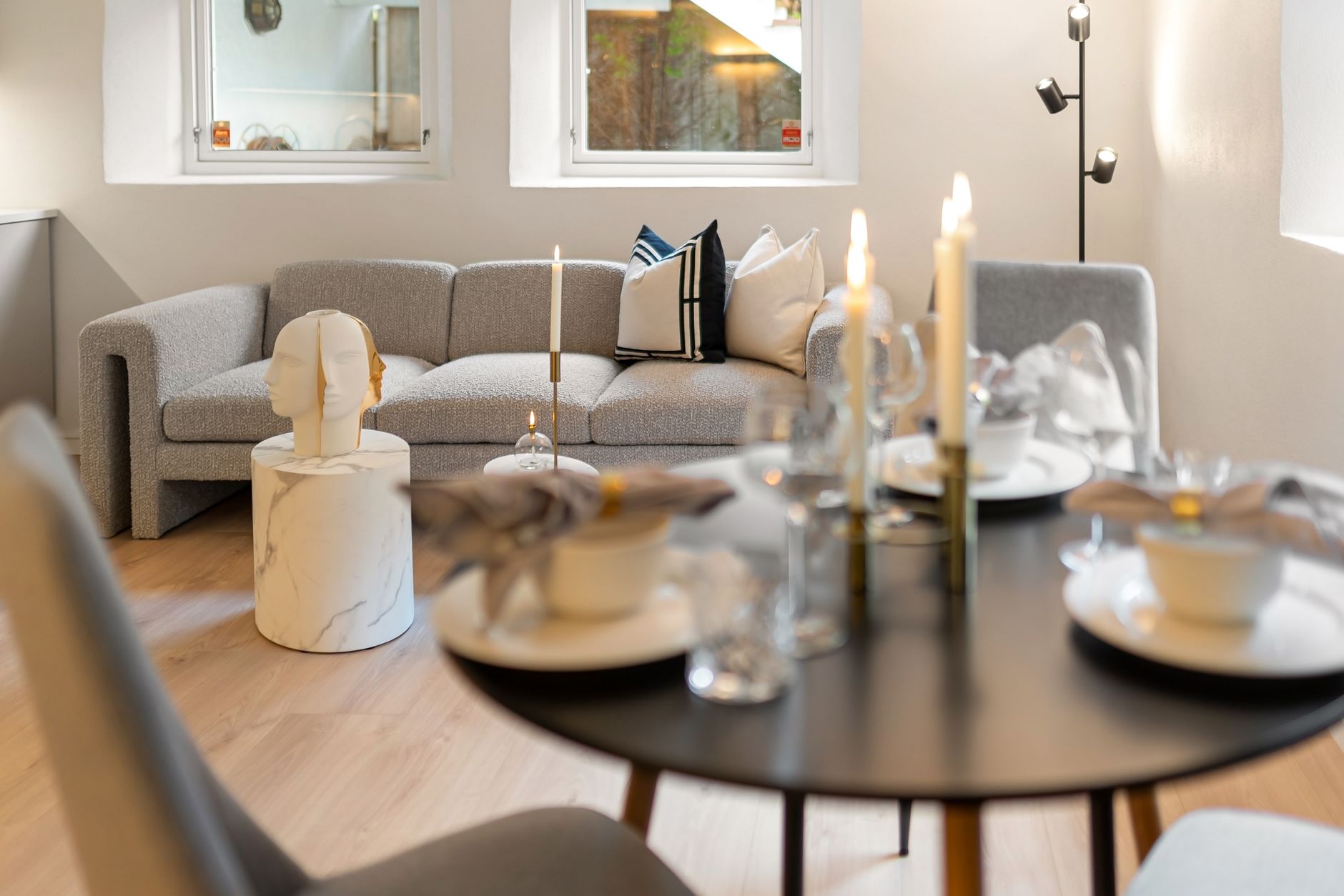
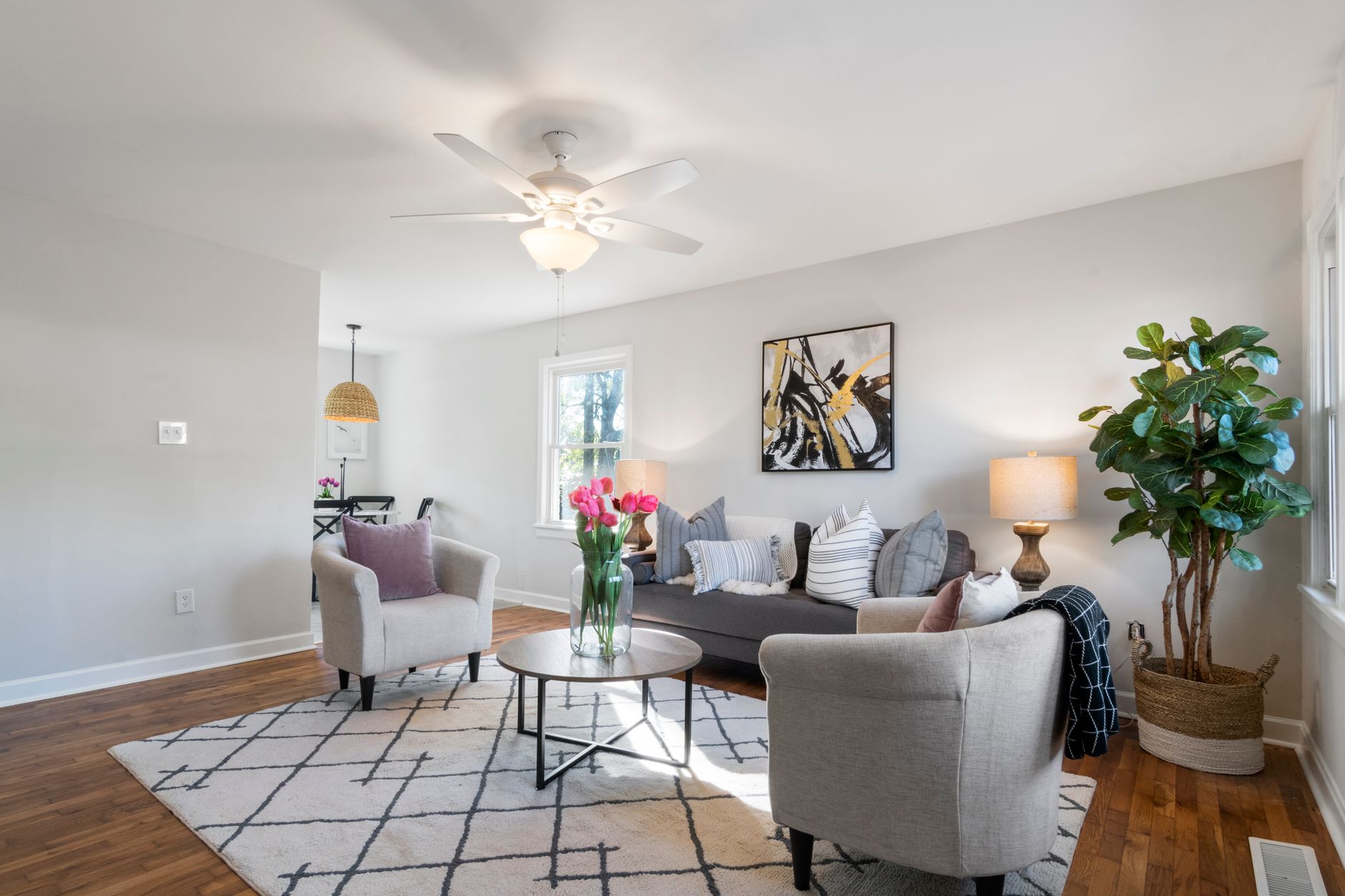
Empty homes in the Mile High City often feel cold and cavernous, making it difficult for potential buyers to visualize the true potential of a space. To solve this, virtual furniture staging in Denver provides a digital solution where high-end, realistic furniture is added to photos of vacant rooms using advanced AI, allowing buyers to envision a lived-in home without the cost of physical rentals. For real estate professionals in Colorado, this means transforming an uninspiring living room into a modern sanctuary in seconds, significantly increasing the click-through rate on the Multiple Listing Service (MLS).
Why are Denver Real Estate Professionals Adopting Virtual Staging?
In my experience working with luxury listings across Cherry Creek and Highlands Ranch, the pattern is clear: empty spaces sell slower and for less money. In a competitive market like Denver, where the 2026 housing inventory remains volatile, the visual first impression is everything. When a buyer scrolls through a listing, they aren't just looking at square footage; they are looking for a lifestyle. An empty room provides no context for scale, often making a space feel smaller or more awkward than it actually is.
Digital transformation in the real estate sector has moved beyond simple 3D tours. According to a report by McKinsey on the impact of AI in professional services, the integration of generative AI in visual marketing allows businesses to reduce operational costs by up to 30% while increasing customer engagement. In Denver, this manifests as a shift away from traditional furniture rental companies, which are logistically heavy and expensive, toward agile AI solutions. The ability to swap a "Mid-Century Modern" look for a "Mountain Industrial" aesthetic to match the neighborhood's vibe is a strategic advantage that traditional staging simply cannot offer.
Furthermore, the psychological impact of staging is backed by industry data. Research from the National Association of Realtors (NAR) consistently indicates that staged homes sell faster than unstaged ones because they create an emotional connection. In the context of Denver's diverse architecture, from historic bungalows in Capitol Hill to new builds in Aurora, the flexibility of virtual staging allows agents to tailor the interior design to the specific demographic of the target buyer, ensuring the property feels "right" for the intended audience.
What are the Key Benefits of Virtual Furniture Staging for Denver Listings?
Virtual staging offers a scalable way to maximize a property's perceived value without the logistical nightmare of moving heavy furniture into a vacant house. The primary driver here is the removal of friction; you no longer need to coordinate delivery dates or worry about furniture damage during a move-in.
Drastic Cost Reduction and ROI
Physical staging for a standard three-bedroom home in Denver can cost thousands of dollars per month. When you factor in delivery, setup, and the eventual removal, the overhead is substantial. Virtual staging reduces this cost to a fraction of a percent. By utilizing AI-driven tools, agents can stage an entire home for the price of a single physical chair rental. This shift transforms a capital-heavy expense into a minimal marketing cost, directly improving the net profit of the listing agent and the seller.
Enhanced Buyer Visualization and Emotional Connection
Buyers often struggle to imagine how a room will function. Will a king-sized bed fit in that bedroom? Does the living room actually feel spacious? Virtual staging answers these questions visually. By placing furniture that is mathematically scaled to the room's dimensions, you provide a blueprint for living. This reduces "buyer hesitation," as the prospect no longer needs to do the mental gymnastics of imagining where their sofa would go.
Rapid Deployment and Market Speed
In the 2026 market, speed is a competitive currency. A property that hits the MLS with stunning, furnished visuals is viewed more times in the first 48 hours than a property with empty rooms. Because AI processing happens in seconds, you can have a property market-ready the moment the photographer leaves the premises, rather than waiting days for a staging company to arrive.
| Feature | Traditional Physical Staging | Generic/Cheap AI Apps | Professional AI Staging (RealVisionAI) |
|---|---|---|---|
| Cost | Very High ($$$$) | Low ($) | Moderate/Low ($$) |
| Turnaround | Days to Weeks | Minutes | Seconds (12s) |
| Realism | Perfect (Physical) | Poor (Flat/Fake) | High-End (Cinematic) |
| Flexibility | Rigid/Hard to change | Easy but low quality | Instant & High Quality |
| Logistics | Heavy Lifting/Transport | Digital Only | Digital Only |
💡
Key Takeaway
The shift to virtual staging isn't just about saving money; it's about increasing the velocity of a sale by removing the cognitive load from the buyer.
Real-World Examples of Virtual Staging Success in Denver
To understand the impact, we have to look at the data. I've analyzed dozens of listings in the Denver metro area, and the delta between staged and unstaged photos is staggering in terms of engagement metrics.
Case Study 1: The Highlands Modern Condo
An agent was struggling to sell a minimalist, concrete-floored condo in the Highlands. The space was stunning but felt "cold" and "industrial" in the photos, leading to low interest. We implemented a virtual staging strategy using a "Warm Modern" palette, adding a plush sectional, organic textures, and strategic greenery.
- Result: The listing saw a 40% increase in views on Zillow within the first week. More importantly, the property sold for $15,000 over the asking price, with the buyer specifically mentioning that the staged photos helped them envision the home as a cozy retreat.
Case Study 2: The Aurora Suburban Family Home
A large, empty 4-bedroom home in Aurora felt oversized and impersonal. The rooms were so large that they felt empty and echoing. By applying virtual furniture staging, we defined the "zones" of the house—turning a large multipurpose room into a dedicated home office and a cozy reading nook.
- Result: The time-on-market was reduced from an average of 45 days (for similar empty homes in the area) to just 12 days. The visual cues provided by the virtual furniture helped buyers understand how to utilize the expansive square footage effectively.
How to Get Started with Virtual Furniture Staging in Denver
Transitioning to a digital-first staging workflow is simpler than most agents realize. You don't need to be a tech expert or a graphic designer to achieve professional results; you simply need the right pipeline.
📚
Definition
Computer Vision is a field of artificial intelligence that enables computers to gain high-level understanding from digital images, allowing AI to recognize room boundaries and scale furniture accurately within a photo.
Step 1: Capture High-Quality Base Images
Start with clean, wide-angle shots of your vacant property. Ensure the lighting is natural and the rooms are decluttered. While AI can fix a lot, a high-resolution base image ensures that the final staged result looks seamless and not "photoshopped."
Step 2: Choose Your Design Aesthetic
Consider the neighborhood. In a neighborhood like Cherry Creek, a high-luxury, contemporary look works best. In a more rustic area like Golden, a "Mountain Modern" or "Craftsman" style is more appropriate. The goal is to align the interior design with the target buyer's expectations.
Step 3: Implement AI-Driven Staging
This is where RealVisionAI Blog - AI Real Estate Photography & Virtual Staging becomes essential. Instead of waiting days for a freelance editor to send back a file, you can use our specialized AI studio to generate market-ready visuals in 12 seconds. Our system handles the perspective, shadowing, and scaling automatically, ensuring the furniture doesn't look like it's "floating" in the room.
Step 4: A/B Test Your Listings
I recommend a strategy where you include both the staged and unstaged photos in the gallery. This provides the buyer with the "vision" (staged) while maintaining transparency about the property's current state (unstaged). This builds trust and prevents any surprises during the physical walkthrough.
Addressing Common Objections to Virtual Staging
Despite the clear advantages, some agents remain hesitant. Usually, these objections are based on outdated technology from five years ago. Let's address the most common ones with current 2026 data.
Objection 1: "It looks fake or deceptive."
Many believe that virtual staging is a form of deception. However, the industry standard has evolved. When done correctly with professional tools, the shadows and lighting are mathematically accurate. The key is transparency. By labeling photos as "Virtually Staged," you aren't deceiving the buyer; you are providing a design suggestion. In practice, this is no different than a builder's model home, which is designed to showcase potential, not a permanent layout.
Objection 2: "It takes too much time to manage the software."
Most people assume they need to spend hours learning complex software like Photoshop. That's simply not true anymore. The current generation of AI, such as that used by RealVisionAI Blog - AI Real Estate Photography & Virtual Staging, requires zero technical skill. You upload the photo, select the style, and the AI does the heavy lifting. The "time cost" is now lower than the time it takes to call a physical staging company.
Objection 3: "Buyers won't trust digital images."
Actually, the opposite is true. According to a 2024 study by Forrester on digital consumer behavior, modern buyers—especially Millennials and Gen Z—prefer a digital-first experience. They are more likely to engage with a property that provides a high-quality visual narrative. A listing with high-end virtual staging signals that the agent is professional and the property is high-value.
Frequently Asked Questions
Is virtual furniture staging in Denver legal for MLS listings?
Yes, virtual staging is widely accepted by the MLS and real estate boards across Colorado, provided it is disclosed. The industry standard is to include a disclaimer in the photo caption or the property description stating that "some images have been virtually staged." This ensures transparency while still allowing you to reap the marketing benefits of a furnished look. As long as you aren't removing permanent structural defects (like a giant crack in the wall) or adding features that don't exist (like a window where there is a wall), it is a perfectly legal and encouraged marketing tool.
How does virtual staging compare to physical staging in terms of cost?
Physical staging is a recurring monthly expense that includes rental fees, delivery, and installation, often ranging from $2,000 to $5,000 for a mid-sized home. Virtual staging is a one-time, per-image cost that is typically 90-95% cheaper. For example, while physical staging might cost $3,000 a month, a full set of virtual images for the same property might cost less than $100. This allows agents to stage every single listing they take on, rather than only staging the most expensive luxury properties, thereby raising the quality of their entire portfolio.
Can virtual staging help sell a home that has been on the market for a long time?
Absolutely. When a home sits on the market, it often develops a "stigma" of being undesirable. One of the most effective ways to "reset" a listing is to update the imagery. By introducing virtual furniture staging, you are effectively presenting a "new" product to the market. Fresh, modern visuals trigger the algorithms of platforms like Zillow and Redfin to recognize a change in the listing, often leading to a spike in new views and a renewed sense of interest from buyers who had previously scrolled past the empty rooms.
Which interior design styles work best for the Denver market?
Depending on the area, different styles resonate more. In the downtown and RiNo areas, "Industrial Modern" and "Minimalist" styles perform exceptionally well. For the suburbs of Lakewood or Centennial, "Transitional" or "Modern Farmhouse" styles tend to attract more families. In the high-end markets of Cherry Creek, "Luxury Contemporary" with bold accents is the gold standard. The beauty of virtual staging is that you can test multiple styles to see which one generates the most inquiries for a specific property.
How long does it take to see results from virtually staged photos?
Because the impact is visual, the results are almost instantaneous. Once the virtually staged photos are uploaded to the MLS, the click-through rate typically increases within hours. In my experience, agents see an increase in showing requests within the first 3 to 5 days of updating their gallery. Since the primary goal of photos is to get the buyer through the door, the "result" is measured by the volume of scheduled tours, which consistently trends upward when high-quality staging is applied.
Final Thoughts on Virtual Furniture Staging in Denver
In the 2026 real estate landscape, the distance between a listing that sits and a listing that sells is often just a few high-quality images. Virtual furniture staging in Denver is no longer a "nice-to-have" luxury; it is a fundamental tool for any agent who wants to remain competitive in a digital-first economy. By removing the cost, logistics, and time constraints of physical furniture, you can present every property in its best possible light, regardless of its current state.
If you are tired of staring at empty rooms and wondering why your listings aren't moving, it's time to upgrade your visual strategy. At RealVisionAI Blog - AI Real Estate Photography & Virtual Staging, we specialize in delivering market-ready listing visuals in just 12 seconds, ensuring your properties stand out from the competition and attract the highest possible offers.
Recommended Readings
To deepen your understanding of these topics, we recommend reading the following articles:
- Virtual Furniture Staging in Indianapolis
- Virtual Furniture Staging in San Francisco
- Virtual Furniture Staging in Seattle
- Virtual Furniture Staging in Jacksonville
Free Real Estate AI Visual Playbook 2026
Discover how top realtors boost listing engagement by 62% and close deals faster using AI photo enhancement and virtual staging.