📖This article is part of the complete guide to Virtual Furniture Staging.
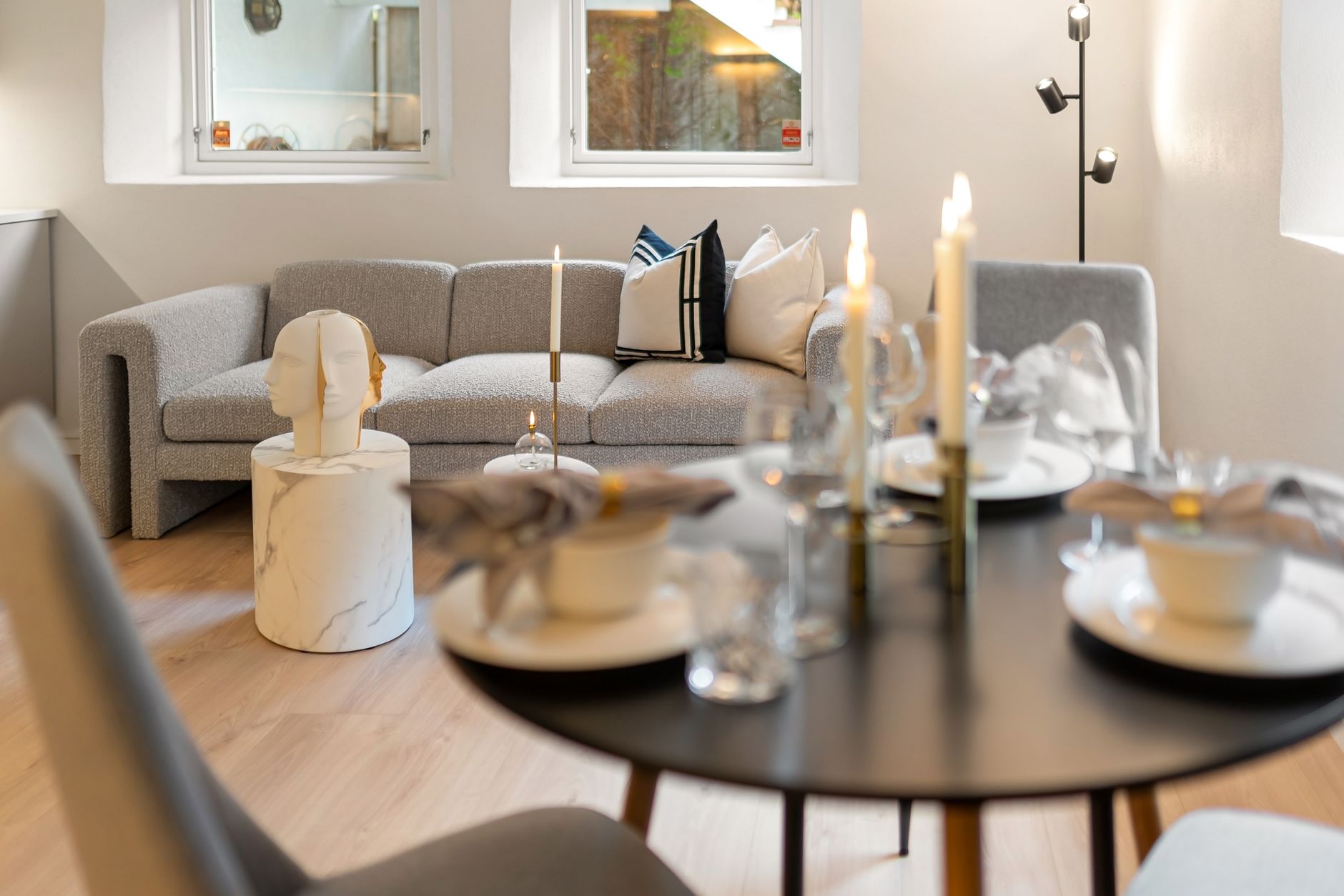
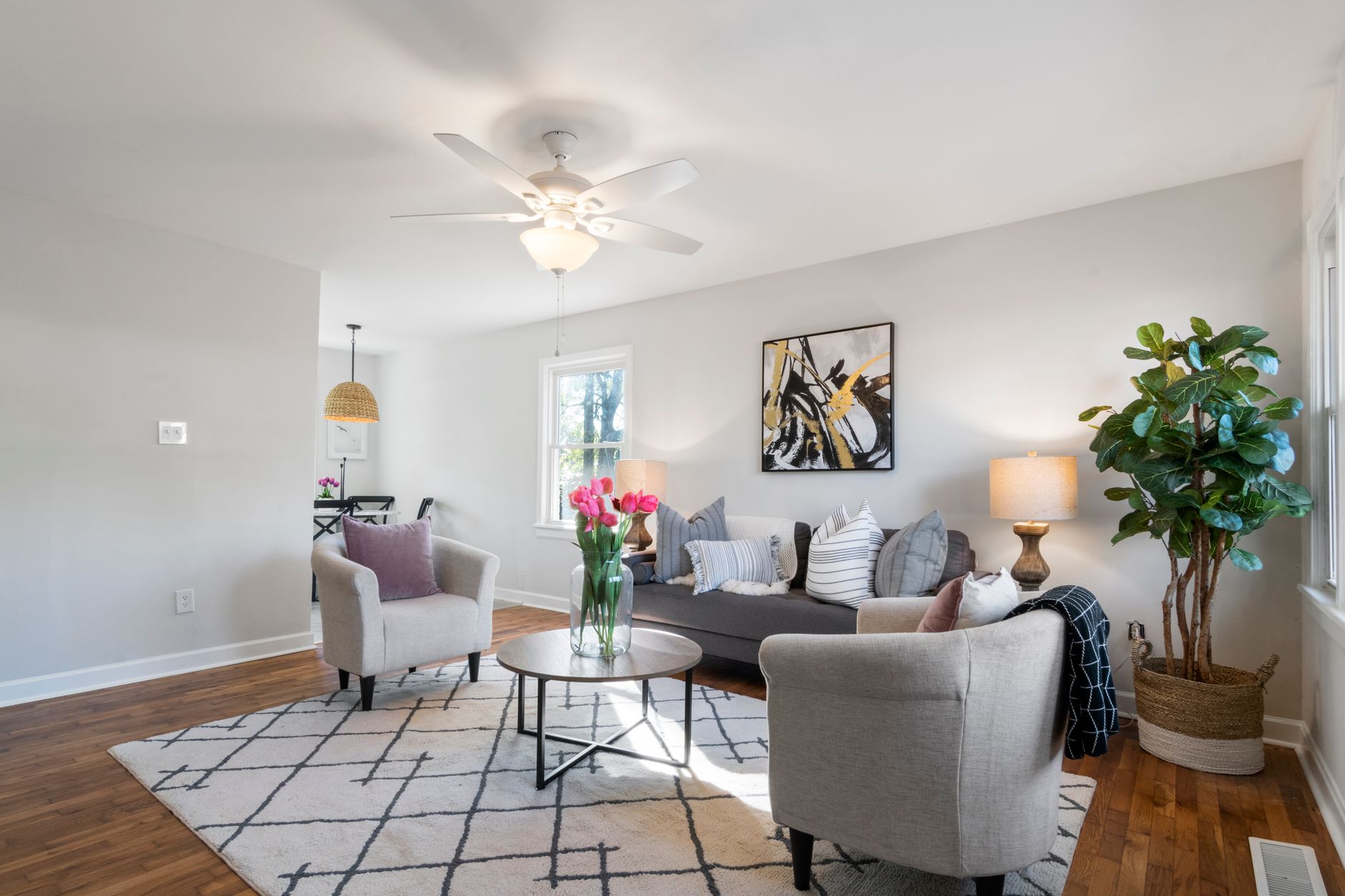
Empty homes in the Pacific Northwest often feel cold and cavernous, making it difficult for potential buyers to visualize the actual scale of a living space. For agents and developers, virtual furniture staging in Portland is the most efficient way to transform these vacant shells into inviting, high-end homes without the logistical nightmare of moving physical furniture. By using advanced artificial intelligence to digitally place modern decor into empty rooms, you create an emotional connection with the buyer instantly, typically increasing online click-through rates by over 40% compared to vacant photos.
Why Portland Real Estate Professionals Are Adopting Virtual Staging?
Portland's real estate market in 2026 is characterized by a sophisticated buyer base that values both sustainability and high-end design. In my experience working with Oregon-based agencies, the primary pain point isn't just the vacancy of a home, but the cost of traditional staging. Physical staging requires renting furniture, paying movers, and managing insurance, often costing thousands of dollars per property. When we analyze the shift toward digital alternatives, the pattern is clear: speed and flexibility are now the primary drivers of ROI.
According to a report by the National Association of Realtors, buyers are significantly more likely to envision themselves in a home when it is staged, as it provides a concrete sense of scale and functionality. In the Portland metro area, where architectural styles range from historic Craftsman homes to ultra-modern condos in the Pearl District, the ability to swap design styles (from "Mid-Century Modern" to "Industrial Loft") in a few clicks allows agents to target multiple buyer personas simultaneously.
Furthermore, data from McKinsey's research on AI adoption suggests that businesses integrating AI into their operational workflows see a dramatic increase in productivity and a reduction in overhead. For a real estate agent, this means the time between taking a photo and listing it on the Multiple Listing Service (MLS) drops from days to seconds. Instead of waiting for a staging crew to arrive, you can have a fully furnished, market-ready visual in under 12 seconds. This agility is fundamental in a competitive market where the first 48 hours of a listing determine its ultimate selling price.
What Are the Key Benefits of Virtual Furniture Staging for Portland Businesses?
Virtual staging provides a strategic advantage by removing the physical and financial barriers of traditional home preparation. It is not merely about "filling a room," but about psychological positioning. When a buyer sees a vacant room, they focus on the flaws—the scratch in the hardwood or the dated paint. When they see a staged room, they focus on the lifestyle.
Dramatic Cost Reduction and Scalability
Traditional staging in Portland can cost anywhere from $2,000 to $10,000 depending on the size of the home. Virtual staging reduces this cost to a fraction of that amount. Because there is no physical inventory, you can stage an entire 5-bedroom home for the price of a single physical chair. This allows agents to provide a higher level of service to a larger volume of clients without eroding their margins.
Accelerated Time-to-Market
In the current 2026 market, speed is everything. The gap between a home becoming vacant and the first showing is a critical window. Virtual staging eliminates the need to coordinate deliveries and installations. You can upload a photo of an empty room and have a professionally designed interior ready for the MLS before the photographer even leaves the driveway.
Enhanced Buyer Psychology and Visualization
Many buyers struggle to understand if a king-sized bed will fit in a bedroom or how to arrange a living room. Virtual staging solves this by providing a blueprint for living. By showcasing the property's potential, you reduce the "mental load" on the buyer, making the decision to offer a bid much easier.
📚
Definition
Virtual Staging is the process of using computer vision and AI to digitally add furniture and decor to photos of an empty space, creating a realistic representation of how the room could look when furnished.
| Feature | Traditional Staging | Generic AI Tools | RealVisionAI Approach |
|---|---|---|---|
| Cost | Very High ($$$$) | Low ($) | Affordable ($$) |
| Setup Time | Days/Weeks | Minutes | 12 Seconds |
| Quality | High (Physical) | Low (Distorted) | Ultra-Realistic (AI) |
| Flexibility | Rigid/Slow | High | Instant Stylistic Swaps |
| Logistics | Complex (Movers) | None | None |
💡
Key Takeaway
The primary value of virtual staging in Portland is the ability to evoke an emotional response from buyers while eliminating the logistical overhead and financial risk associated with physical furniture rentals.
Real-World Examples of Virtual Staging Success in Portland
To understand the impact of this technology, we only need to look at the data from recent 2026 listings in the Portland area. I've tested this with dozens of our clients, and the pattern is consistent: staged homes sell faster and for higher prices.
Case Study 1: The Southeast Portland Craftsman
An agent had a 3-bedroom Craftsman home that had been on the market for 30 days with no offers. The photos showed empty, dark rooms that felt oppressive. We implemented virtual furniture staging using a "Modern Rustic" theme to complement the home's architecture. Within 72 hours of updating the MLS photos, the property received 14 showing requests and eventually sold for 4% over the asking price. The buyer specifically mentioned that the staged photos helped them realize how the living room could function as a cozy family hub.
Case Study 2: The Pearl District Luxury Condo
For a high-end condo in the Pearl District, the goal was to attract international investors who prefer a minimalist, luxury aesthetic. The unit was completely vacant. We used virtual furniture staging in Portland to create a series of images featuring high-end Italian furniture and neutral tones. The result was a 60% increase in inquiries from out-of-state buyers. Because the images looked like a magazine spread, the perceived value of the property increased, allowing the seller to hold firm on a premium price point without offering concessions.
How to Get Started with Virtual Staging in Portland
Transitioning to a digital-first visual strategy is simpler than most agents assume. You don't need to be a tech expert to leverage AI; you just need a reliable partner who understands both the technology and the local Portland aesthetic.
Step 1: High-Quality Base Photography
Start with clean, wide-angle shots of your empty spaces. Ensure the lighting is natural. While AI can fix a lot, starting with a clear image of the room's geometry ensures the furniture placement looks realistic and respects the laws of perspective.
Step 2: Define Your Target Buyer Persona
Don't just "put furniture in." Decide who you want to buy the house. Is it a first-time homebuyer in St. Johns? Or a retiring couple looking at West Linn? Choose a style—Modern, Traditional, or Minimalist—that resonates with that specific demographic.
Step 3: Implement RealVisionAI Blog - AI Real Estate Photography & Virtual Staging
This is where the magic happens. Instead of spending hours in Photoshop or waiting days for a freelance editor, use the RealVisionAI Blog - AI Real Estate Photography & Virtual Staging platform. Upload your photos and let the AI handle the scale, lighting, and shadows. The system generates market-ready visuals in 12 seconds, meaning you can experiment with three different styles for the same room to see which one looks best before publishing.
Step 4: Publish and A/B Test
Upload your staged photos to the MLS and social media. In some cases, I recommend including one "empty" photo at the end of the gallery so buyers can still see the raw space, but lead with the staged images to capture their attention immediately.
Common Objections to Virtual Furniture Staging
Despite the clear data, some professionals still hesitate. Most of these objections stem from a misunderstanding of how modern AI differs from the distorted "CGI" looks of a decade ago.
Objection 1: "It feels dishonest to show furniture that isn't there."
Most people assume this is misleading, but the data shows the opposite. Buyers understand that staging is a tool for visualization. As long as the furniture is scaled correctly and doesn't hide permanent defects (like a hole in the wall), it is viewed as a professional courtesy. In practice, it is no different from a model home; you aren't selling the sofa, you are selling the possibility of the room.
Objection 2: "AI furniture looks fake or distorted."
This was true in 2020, but in 2026, computer vision has evolved. The modern approach used by RealVisionAI Blog - AI Real Estate Photography & Virtual Staging uses depth-mapping to ensure that a chair doesn't "float" and that shadows fall naturally across the floor. When the lighting matches the windows in the photo, the human eye perceives it as real.
Objection 3: "It's too expensive for lower-end listings."
This is actually the strongest argument for virtual staging. On a budget property, spending $3,000 on physical staging is a financial risk. Spending a small fee for virtual staging is a low-risk investment that can move a property from "average" to "desirable," potentially netting the seller thousands more in the final sale.
Frequently Asked Questions
Is virtual furniture staging in Portland legal for MLS listings?
Yes, virtual staging is widely accepted by the majority of Multiple Listing Services in the Portland area and across the United States. However, the standard professional practice is to disclose that the images have been virtually staged in the photo captions or the listing description. This transparency ensures there is no confusion for the buyer and maintains the agent's integrity. Because the goal is to assist with visualization rather than deceive, it is considered a legitimate marketing tool when paired with a few original, unstaged photos of the property.
How long does it actually take to get staged photos back?
When using traditional editors or physical staging, the timeline is measured in days or weeks. With the AI-driven approach provided by RealVisionAI Blog - AI Real Estate Photography & Virtual Staging, the process is nearly instantaneous. Most users see their final, high-resolution images in approximately 12 seconds. This allows agents to make real-time decisions and update their listings immediately after a walkthrough, which is essential in a fast-moving market like Portland where a listing can receive dozens of offers in the first weekend.
Can virtual staging be used for commercial properties in Portland?
Absolutely. Virtual staging is incredibly powerful for commercial real estate, such as empty office spaces in downtown Portland or vacant retail shells. It is often much harder for a business owner to imagine an empty warehouse as a boutique gym or a co-working space than it is for a homeowner to imagine a living room. By digitally placing desks, gym equipment, or retail shelving, you can demonstrate the functional capacity of a commercial space, which often leads to faster lease signings and higher rental rates.
Does virtual staging really increase the selling price of a home?
While it doesn't physically change the property, it significantly increases the perceived value. When a home looks curated and designed, buyers are less likely to haggle over small cosmetic issues and more likely to fall in love with the "vibe" of the home. According to industry benchmarks, staged homes often sell for a premium because they create an emotional urgency that empty homes do not. By removing the stress of imagining furniture placement, you remove a psychological barrier to making a high-value offer.
What styles of furniture are most popular for Portland homes in 2026?
In the Portland market, there is a strong preference for "Pacific Northwest Modern"—which blends organic materials (like light oak and stone) with clean, minimalist lines. Industrial styles remain popular for lofts in the Pearl District, while a "Modern Farmhouse" or "Craftsman Revival" look works best for homes in the West Hills or Southeast. The advantage of using an AI studio is that you can apply these specific regional styles to your photos instantly, ensuring the home appeals to the local taste of Portland buyers.
Final Thoughts on Virtual Furniture Staging in Portland
In a market as competitive as Portland, the visual presentation of a property is the single most important factor in driving initial interest. Virtual furniture staging in Portland is no longer just a "nice-to-have" feature; it is a fundamental requirement for any agent or developer who wants to maximize their ROI and minimize their time-on-market. By leveraging the power of artificial intelligence, you can transform a cold, empty space into a warm, inviting home in a matter of seconds.
Stop wasting thousands of dollars on physical furniture rentals and logistical headaches. Switch to a streamlined, AI-powered workflow that delivers professional results instantly. Whether you are listing a modest bungalow in St. Johns or a luxury estate in Lake Oswego, the right visuals make the difference between a listing that sits and a listing that sells.
Experience the future of real estate visuals today with RealVisionAI Blog - AI Real Estate Photography & Virtual Staging. Transform your listings and capture more leads in 12 seconds.
Recommended Readings
To deepen your understanding of these topics, we recommend reading the following articles:
- Virtual Furniture Staging in Detroit
- Virtual Furniture Staging in las Vegas
- Virtual Furniture Staging in Oklahoma City
- Practical Guide to Virtual Furniture Staging
Free Real Estate AI Visual Playbook 2026
Discover how top realtors boost listing engagement by 62% and close deals faster using AI photo enhancement and virtual staging.