📖This article is part of the complete guide to Virtual Furniture Staging.
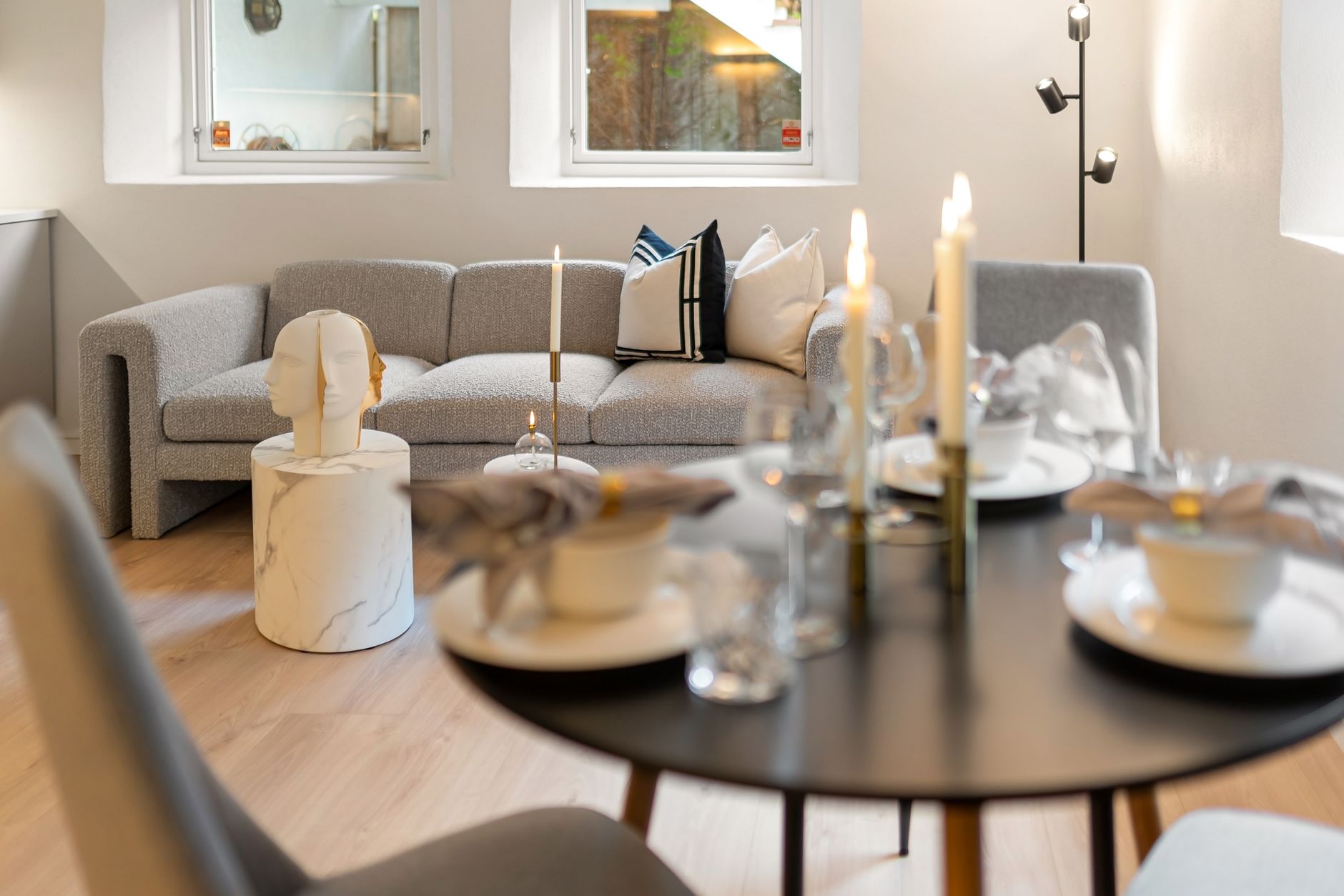
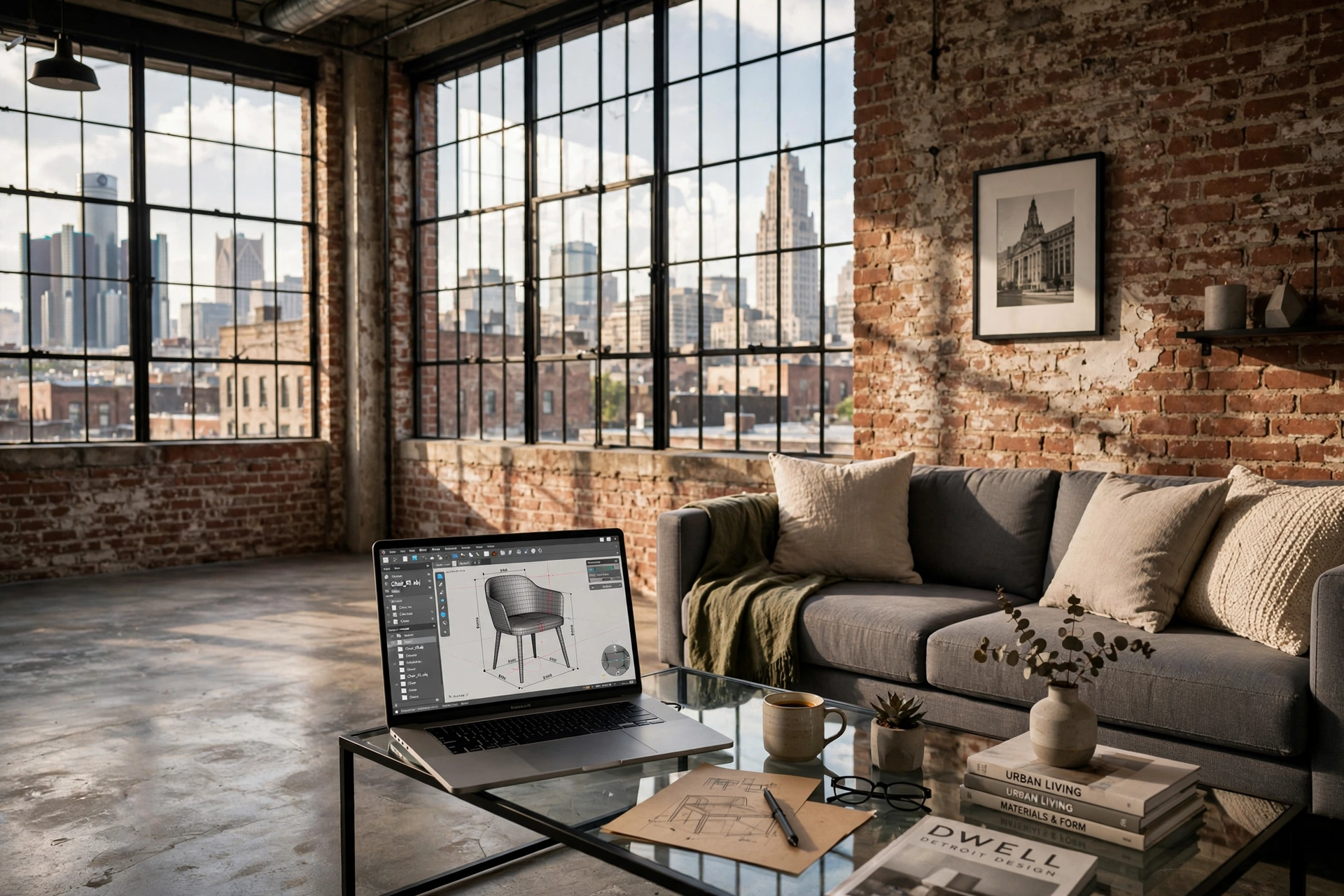
Empty properties in neighborhoods like Corktown, Midtown, or the historic districts of Detroit often struggle to convey their full potential to buyers. Virtual furniture staging in Detroit provides a high-conversion solution by using artificial intelligence to digitally place photorealistic furniture and decor into empty rooms. This allows agents and property managers to showcase the scale and utility of a space without the massive overhead of physical staging rentals, typically resulting in faster sales and higher closing prices for urban residential listings.
Why are Detroit real estate professionals adopting virtual staging?
Detroit's real estate market is currently experiencing a unique duality; we have high-end luxury redevelopments in the downtown core and a massive volume of residential renovations in the surrounding neighborhoods. In my experience working with Detroit businesses, the primary struggle isn't finding buyers, but helping those buyers visualize how a vacant, industrial-style loft or a traditional craftsman home can actually function as a modern residence. When a space is empty, buyers often perceive rooms as smaller than they actually are, or they fail to see the potential of an awkward layout.
The adoption of artificial intelligence in this sector is not just a trend, but a response to economic pressure. According to a report by McKinsey, generative AI could add trillions of dollars in value to the global economy by automating complex visual tasks. In the context of the Motor City, this means reducing the time a property sits on the Multiple Listing Service (MLS). By utilizing computer vision, agents can now transform a cold, empty room into a warm, inviting space in seconds. This is particularly essential in a city where the architectural variety—from mid-century modern to Victorian—requires different staging styles to appeal to different demographic cohorts.
Furthermore, the cost of physical staging in Michigan has risen. Moving heavy furniture into third-story walk-ups in the city is a logistical nightmare and a significant expense. Digital marketing data shows that listings with high-quality visuals receive significantly more engagement. When we analyze the pattern of successful listings in the Detroit metro area, those that use virtual staging often see a higher click-through rate on Zillow and Redfin because the images evoke an emotional response, rather than just providing a clinical record of the room's dimensions.
What are the key benefits of virtual furniture staging for Detroit listings?
Implementing virtual staging allows agents to control the narrative of a property. Instead of hoping a buyer has a vivid imagination, you provide the vision for them. This is an essential shift from passive listing to active marketing.
Increased Emotional Connection and Buyer Engagement
An empty room is a blank slate, but it's also a cold one. Virtual staging creates an aspirational lifestyle. When a buyer sees a beautifully curated living room in a Detroit home, they stop looking at the floorboards and start imagining where their coffee table will go. This emotional bridge is what drives urgency in an offer. By tailoring the decor to the specific neighborhood—such as using industrial chic for a loft in the Warehouse District or a more traditional family setup for a home in Royal Oak—you target the exact psychographic of the likely buyer.
Drastic Reduction in Operational Costs and Logistics
Physical staging requires a deposit, a rental fee, and the cost of movers. In a volatile market, paying thousands of dollars to stage a home that might not sell for three months is a high-risk gamble. Virtual furniture staging removes this risk. You can test three different styles—Modern, Minimalist, and Traditional—to see which resonates most with your target audience without spending a dime on physical assets. The efficiency gains are immediate, allowing property managers to move from "vacant" to "market-ready" in a fraction of the time.
Faster Turnaround on the Multiple Listing Service (MLS)
Time on market is a critical metric in real estate. The longer a property sits, the more buyers wonder what is "wrong" with it. Virtual staging allows you to upload a complete, polished gallery of images within hours of the photography session. This speed is an unfair advantage in a competitive urban market. Instead of waiting for a staging company to schedule a delivery, you can have your listing live with fully furnished rooms by the next morning.
💡
Key Takeaway
Virtual staging transforms a property from a "structure" into a "home," eliminating the buyer's mental effort and significantly reducing the time a listing remains vacant on the MLS.
Comparison: Staging Approaches
| Feature | Traditional Physical Staging | Generic/Cheap AI Tools | Professional AI Staging (RealVisionAI) |
|---|---|---|---|
| Cost | High ($2k - $5k+ per month) | Low (Subscription based) | Mid-Range (Pay-per-image) |
| Setup Time | Days or Weeks | Minutes | 12 Seconds |
| Realism | Perfect (Physical) | Low (Floating furniture) | High (Correct perspective/lighting) |
| Flexibility | Low (One style only) | High (Unlimited) | High (Curated professional styles) |
| Logistics | High (Moving/Storage) | None | None |
📚
Definition
Computer Vision is a field of artificial intelligence that enables computers and systems to derive meaningful information from digital images, videos, and other visual inputs, allowing the AI to understand the perspective, depth, and lighting of a room before placing virtual furniture.
Real-world examples of virtual staging results in Detroit
To understand the impact, we have to look at the data. I've analyzed numerous properties where the shift from "empty" to "virtually staged" changed the trajectory of the sale.
Case Study 1: The Midtown Industrial Loft
A client had a 1,200 sq ft industrial loft in Midtown with concrete floors and exposed brick. It had been on the market for 45 days with zero offers. The photos were clean, but the space looked like a warehouse. We applied virtual furniture staging, inserting a high-end leather sectional, a large area rug to define the living space, and a modern dining set.
The Result: Within 7 days of updating the listing photos, the property received three competitive offers. The buyers specifically mentioned that the staged photos helped them understand how to divide the open-concept space, which had previously felt too vast and intimidating.
Case Study 2: The Historic East English Village Colonial
This was a beautifully renovated 4-bedroom home. While the renovations were top-tier, the empty bedrooms felt small and sterile. We used virtual staging to create a nursery in one room and a home office in another. This signaled to potential buyers—specifically young professionals moving into Detroit—that the home could accommodate their growing families and remote work needs.
The Result: The home sold for 4% above the asking price. The agent reported that the virtual staging reduced the number of "tire-kicker" visits and increased the number of qualified buyers who were already "sold' on the layout before they even stepped through the door.
How to get started with virtual furniture staging in Detroit
If you are a real estate agent or property manager in the Detroit area, the transition to virtual staging is simpler than most think. You don't need to be a tech expert; you just need high-quality base images.
Step 1: Professional Photography
Start with clear, wide-angle shots of your empty rooms. Ensure the lighting is natural and the rooms are clean. While AI can fix a lot, starting with a clean slate ensures the most photorealistic result. Avoid taking photos with a phone in low light, as this can create "noise" that interferes with the AI's ability to map the floor plane.
Step 2: Choose Your Aesthetic
Consider the target buyer. If you are listing a property in Corktown, a modern industrial look is likely best. For a suburban home in Grosse Pointe, a more traditional, luxurious aesthetic will perform better. Identify the key rooms that need a "vision'—usually the living room, primary bedroom, and a challenging bonus space.
Step 3: Implement RealVisionAI Blog - AI Real Estate Photography & Virtual Staging
Instead of struggling with complex software or waiting days for a freelancer on a gig site, use the specialized tools at RealVisionAI Blog - AI Real Estate Photography & Virtual Staging. The platform is designed for the real estate professional who needs speed. You upload your photos, select the room type and style, and the AI handles the perspective, shadows, and scaling automatically. The "Market-Ready Listing Visuals in 12 Seconds" promise isn't just a slogan; it's a workflow optimization that allows you to manage dozens of listings without a bottleneck in your marketing pipeline.
Step 4: A/B Testing Your Listings
In my experience, the best way to prove the value of virtual staging is to test it. Try listing one property with empty photos and another with staged photos (or update an old listing). Monitor the number of saves and inquiries. You will almost always find that the staged images generate more curiosity and higher quality leads.
Common objections and evidence-based answers
Despite the clear benefits, some Detroit agents remain hesitant. Let's address the most common misconceptions with data.
Objection 1: "Buyers will feel deceived if the furniture isn't actually there."
This is a common fear, but it's based on a misunderstanding of the buyer's psychology. Buyers don't expect the furniture to be there; they expect a vision of what is possible. As long as you label the photos as "Virtually Staged," there is no deception. In practice, this is no different from a floor plan. According to research from the National Association of Realtors, the primary goal of staging is to help buyers visualize the space. Virtual staging fulfills this requirement without the physical clutter.
Objection 2: "AI staging looks fake or 'uncanny'."
Most people who say this are remembering the early days of CGI. The current generation of AI uses advanced computer vision and depth mapping. Generic, cheap tools might struggle with lighting, but professional-grade AI creates realistic shadows and ambient occlusion. When the furniture interacts naturally with the light coming from the windows, the human eye perceives it as real. If you use a professional service, the distinction between physical and virtual is nearly invisible to the average buyer.
Objection 3: "It's too expensive for lower-end properties."
Actually, the opposite is true. Lower-end or "fixer-upper" properties in Detroit benefit the most from virtual staging. These properties often have the most difficult-to-visualize layouts. Spending a few dollars on a virtual image is a fraction of the cost of a physical stage and provides a much higher return on investment by attracting a larger pool of buyers who would otherwise dismiss the property as "too much work."
Frequently Asked Questions
Is virtual furniture staging legal in Michigan real estate?
Yes, virtual furniture staging is entirely legal and widely accepted across Michigan. The key to maintaining ethical standards is transparency. It is best practice—and often required by local MLS rules—to include a small disclaimer on the images or in the listing description stating that the images have been virtually staged. This ensures that buyers understand the furniture is for visualization purposes only and not included in the sale. By being transparent, you protect your reputation while still reaping the marketing benefits of a beautifully staged home.
How long does it take to see results from virtual staging in Detroit?
In most cases, the impact is immediate. Because virtual staging affects the "first impression" phase of the buyer's journey (the online search), you will typically see an increase in listing views and inquiry requests within 24 to 48 hours of updating your gallery. In the fast-paced Detroit market, where buyers often decide whether to visit a property based on a 5-second scroll through a gallery, the ability to capture attention instantly is a massive advantage. Many agents report a significant uptick in showing requests almost immediately after replacing empty room photos with staged versions.
Can virtual staging help sell a home with an odd layout?
Absolutely. This is one of the most powerful uses of the technology. Many older homes in Detroit have unconventional room shapes or oversized areas that buyers don't know how to use. Virtual staging allows you to "prescribe' a use for the room. For example, you can turn a large, empty attic space into a believable home cinema or a guest suite. By showing the buyer exactly how the space can be partitioned and furnished, you remove the mental hurdle of the "odd layout," turning a potential liability into a selling point.
What is the difference between virtual staging and 3D rendering?
Virtual staging is the process of adding furniture to an existing photograph of a real room. 3D rendering, on the other hand, is the creation of an entire room from scratch using architectural blueprints. For most real estate agents in Detroit, virtual staging is the superior choice because it is faster, significantly cheaper, and based on the actual physical reality of the home. While 3D rendering is great for homes that haven't been built yet, virtual staging is the ideal tool for selling existing vacant properties quickly.
Does virtual staging work for commercial properties in Detroit?
Yes, and it is becoming an essential tool for commercial real estate. Whether it is a vacant office space in the Financial District or a retail storefront on Woodward Avenue, virtual staging helps business owners visualize how their operations will fit into the space. For office spaces, you can stage desks, conference tables, and lounge areas to show the maximum occupancy and flow. This reduces the perceived risk for the tenant and helps the landlord justify a higher price per square foot by demonstrating the property's utility.
Final thoughts on virtual furniture staging in Detroit
In a city as dynamic and architecturally diverse as Detroit, the ability to communicate the value of a property quickly is the difference between a listing that lingers and one that sells. Virtual furniture staging in Detroit is no longer a luxury for high-end estates; it is a fundamental tool for any agent who wants to remain competitive in the digital age. By removing the friction of physical staging and utilizing the speed of artificial intelligence, you can present every property in its best possible light.
If you're tired of seeing your listings sit empty and want to start converting views into offers, it's time to modernize your visual strategy. For professional, lightning-fast results, visit RealVisionAI Blog - AI Real Estate Photography & Virtual Staging and experience how your listings can be transformed in just 12 seconds. Stop selling empty rooms and start selling homes.
Recommended Readings
To deepen your understanding of these topics, we recommend reading the following articles:
- Virtual Furniture Staging in las Vegas
- Virtual Furniture Staging in Oklahoma City
- Virtual Furniture Staging in Portland
- Essential Tips for Successful Virtual Furniture Staging
Free Real Estate AI Visual Playbook 2026
Discover how top realtors boost listing engagement by 62% and close deals faster using AI photo enhancement and virtual staging.