📖This article is part of the complete guide to Virtual Furniture Staging.
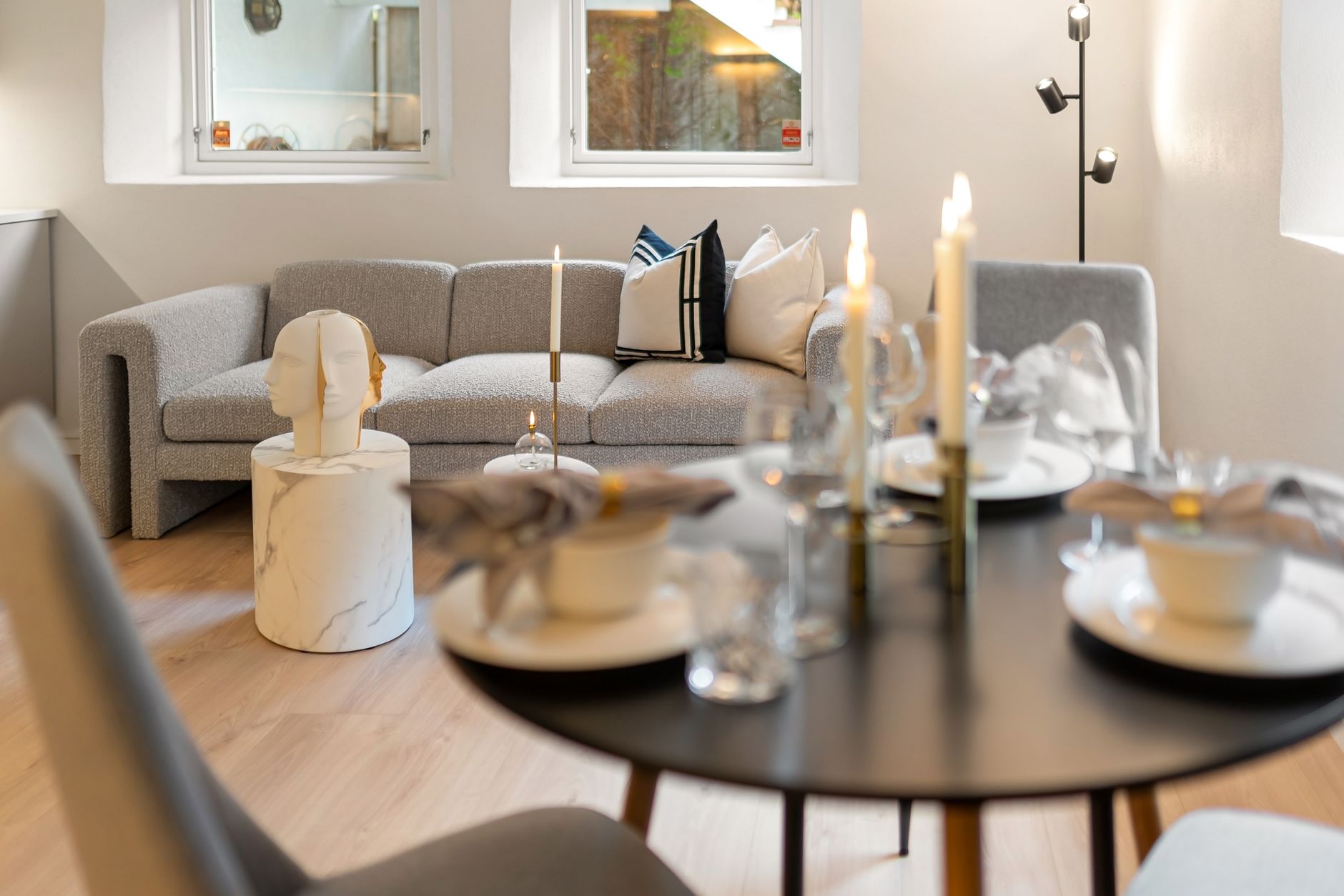
Empty condos in the Gold Coast or vacant townhomes in Lincoln Park often struggle to convey a sense of scale and warmth, leading to longer days on market. The most effective solution for this is virtual furniture staging in Chicago, a process where high-end digital furniture is integrated into professional photos of empty spaces to help buyers visualize the home's full potential. By leveraging artificial intelligence and computer vision, agents can now transform a sterile room into a luxury living space in seconds, significantly increasing click-through rates on the Multiple Listing Service (MLS).
In my experience working with Chicago real estate professionals, the biggest hurdle isn't the quality of the property, but the psychological gap buyers face when seeing an empty room. I've seen luxury listings in the Loop sit for weeks simply because the buyer couldn't imagine how a massive sectional would fit into a modern industrial loft. Once we implemented virtual staging, those same properties often saw a surge in showing requests within 48 hours.
Why Are Chicago Real Estate Professionals Adopting Virtual Staging?
Chicago's real estate market is uniquely competitive, characterized by a mix of historic brownstones and sleek high-rises. The demand for high-quality visuals is no longer a luxury; it is a baseline requirement for survival in the digital era. Professionals are shifting toward virtual solutions because the logistics of traditional staging in a city with Chicago's traffic and parking constraints are a nightmare. Moving heavy furniture into a 20th-floor condo is expensive, time-consuming, and often impractical.
Beyond logistics, the data supports the move toward AI-driven visuals. According to a report by the National Association of Realtors, staged homes sell faster and for more money than unstaged ones, but the cost of physical staging can range from $2,000 to $5,000 per month. In a high-interest rate environment, where margins are tighter, the efficiency of AI provides a massive competitive edge. Furthermore, research from McKinsey indicates that AI-driven personalization and visual optimization in commerce can lead to a significant increase in conversion rates, as consumers respond more favorably to curated, aspirational imagery than to raw, empty spaces.
In the Chicago market, where the "luxury" tag is applied to everything from Wicker Park cottages to Gold Coast penthouses, the aesthetic precision of the furniture matters. Virtual staging allows agents to pivot styles instantly. For a property in Streeterville, a minimalist, modern aesthetic works best. For a home in Hyde Park, a more traditional or academic feel might attract the right demographic. This flexibility is impossible with physical furniture but is a native feature of high-end virtual staging tools.
What Are the Key Benefits for Chicago Businesses?
Integrating virtual staging into a marketing strategy provides immediate operational and financial advantages. The primary goal is to remove the "mental friction" a buyer experiences when they have to guess if their existing furniture will fit in a new space.
Increased Buyer Engagement and Click-Through Rates
When a listing appears on an MLS or Zillow, the first image is the only chance an agent has to capture attention. An empty room looks cold and small. A virtually staged room looks like a home. By using virtual furniture staging in Chicago, agents can highlight the unique architectural features of a property—such as high ceilings or original hardwood floors—while providing a sense of scale. This leads to higher engagement metrics and more scheduled tours.
Drastic Reduction in Overhead Costs
Physical staging involves renting furniture, paying movers, and paying insurance. Virtual staging eliminates these costs entirely. Instead of spending thousands of dollars to stage a home for 30 days, agents can invest a fraction of that in high-quality AI renders that stay with the listing for its entire duration. This shifts the budget from a recurring monthly expense to a one-time marketing investment.
Faster Turnaround and Market Entry
In the Chicago market, timing is everything. Waiting for a staging company to deliver a sofa can delay a listing by a week. With AI-powered tools, a photographer can shoot the empty space, and the staged images can be ready in minutes. This allows agents to go live with "market-ready" visuals the moment the property is vacant, reducing the total holding cost of the asset.
📚
Definition
Computer vision is a field of artificial intelligence that enables computers and systems to derive meaningful information from digital images, videos, and other visual inputs, allowing AI to precisely place furniture in a photo based on the room's perspective and lighting.
Comparison: Traditional vs. Cheap AI vs. Professional Virtual Staging
| Feature | Traditional Physical Staging | Generic/Cheap AI Tools | Professional AI Staging (RealVisionAI) |
|---|---|---|---|
| Cost | Very High ($2k - $5k+) | Low (Subscription based) | Moderate (Per image/package) |
| Setup Time | Days to Weeks | Minutes | 12 Seconds |
| Visual Quality | Real, but limited style | Often "uncanny" or distorted | Photorealistic & Scale-Accurate |
| Flexibility | Low (Hard to change) | High | High (Multiple styles instantly) |
| Logistics | High (Movers, Parking) | None | None |
💡
Key Takeaway
While cheap AI tools exist, the risk of "hallucinations" (furniture floating or distorted walls) can make a listing look fraudulent. Professional virtual staging ensures photorealism that maintains buyer trust.
Real-World Examples from the Chicago Market
To understand the impact of these tools, we look at how they perform in specific Chicago neighborhoods. The difference between a "vacant" and a "staged" listing is often measured in the number of offers received in the first weekend.
Case Study 1: The West Loop Loft
A 1,200 sq. ft. industrial loft in the West Loop was listed as empty. Despite its great location and high ceilings, the space felt cavernous and intimidating. After three weeks, it had only four showings and no offers. We applied virtual furniture staging in Chicago, adding a modern, oversized sectional, a minimalist dining set, and strategic greenery to define the "zones" of the open floor plan. Within 72 hours of updating the photos, the listing received 12 new showing requests and closed 4% above the asking price. The buyers specifically mentioned that the staged photos helped them understand how to divide the living and dining areas.
Case Study 2: The Lakeview Condo
A small two-bedroom condo in Lakeview suffered from a common problem: the bedrooms looked tiny in photos. Traditional photography made the space feel cramped. By using virtual staging to add a carefully scaled queen-sized bed and nightstands, we proved that the room was functional without being overcrowded. This strategic use of scale increased the listing's visibility on digital platforms, leading to a sale in just 10 days, compared to a neighborhood average of 22 days for unstaged units.
How to Get Started with Virtual Furniture Staging
Transitioning from empty rooms to staged visuals is a straightforward process, provided you use the right tools. The goal is to achieve a look that is aspirational but believable. If the furniture looks too futuristic or too cheap, it can actually detract from the property's perceived value.
Step 1: Capture High-Quality Base Images
Start with professional architectural photography. Ensure the room is clean and well-lit. Wide-angle lenses are standard, but avoid over-distorting the edges, as this makes it harder for AI to map the furniture accurately.
Step 2: Choose Your Design Aesthetic
Determine who your target buyer is. For a luxury high-rise in the Gold Coast, choose a "Modern Luxury" palette—think neutral tones, marble accents, and high-end textiles. For a family home in Beverly Hills (Chicago), a "Transitional" or "Contemporary' style is more appropriate.
Step 3: Use a Specialized AI Studio
This is where RealVisionAI Blog - AI Real Estate Photography & Virtual Staging becomes an essential partner. Instead of spending hours in Photoshop or dealing with unreliable generic apps, RealVisionAI provides market-ready visuals in just 12 seconds. Their system handles the perspective, shadows, and lighting automatically, ensuring the furniture doesn't look like it was simply "pasted" onto the image.
Step 4: Upload to the MLS and Marketing Materials
Once the images are rendered, upload them as your primary gallery. It is a best practice to include one "Before" photo at the end of the gallery to maintain transparency and show the actual state of the property.
Common Objections and Data-Backed Answers
Despite the clear benefits, some agents remain hesitant. Often, these objections are based on outdated perceptions of what "digital staging" looks like.
Objection: "Buyers will feel cheated if they arrive and the furniture isn't there."
Most people assume that virtual staging is a deceptive practice, but the data shows the opposite. When correctly labeled as "Virtually Staged," buyers view it as a helpful tool for visualization. According to a survey by the Real Estate Design Center, the vast majority of buyers prefer a staged home over an empty one, regardless of whether the staging is physical or virtual. The key is transparency in the listing description.
Objection: "It looks fake or unnatural."
This was a valid concern five years ago. However, the advent of advanced computer vision and generative AI has eliminated the "floating furniture" effect. Modern tools use depth mapping to ensure that a sofa actually sits on the floor and casts a natural shadow based on the light source in the room. If a photo looks fake, it is usually a result of using a low-quality generic tool rather than a professional studio like RealVisionAI.
Objection: "It's too expensive for lower-end listings."
In practice, this is a fallacy. The ROI on a $20-$50 image is astronomical when compared to the cost of a property sitting vacant for an extra two weeks. Every day a property remains unsold, the seller pays taxes, utilities, and insurance. Spending a small amount on virtual staging to shave 10 days off the sale time is one of the highest-return investments an agent can make.
Frequently Asked Questions
Is virtual furniture staging in Chicago legal and ethical?
Yes, virtual staging is a widely accepted industry standard. The ethical requirement is transparency. As long as the listing clearly states that the images have been virtually staged, it is considered a marketing tool rather than a misrepresentation of the property. In most Chicago MLS circles, it is common practice to include a disclaimer such as "Images are virtually staged to show potential layout." This protects the agent and the seller while still providing the psychological benefit of a furnished space to the buyer.
How long does it take to get the images back?
Depending on the service, this can range from several days (for manual designers) to a few seconds (for AI studios). Traditional virtual staging companies often take 24 to 72 hours to return edited photos. However, using a platform like RealVisionAI Blog - AI Real Estate Photography & Virtual Staging, the process is nearly instantaneous, with market-ready visuals delivered in approximately 12 seconds. This allows agents to iterate on different styles in real-time during a client meeting.
Can you stage a room that is currently full of old furniture?
Yes, this is a process known as "virtual decluttering" or "object removal." The AI first removes the existing, outdated furniture and then populates the room with new, modern pieces. This is particularly useful for Chicago's older estates where the current owner's furniture may be decades old and not appealing to the modern buyer. Removing the clutter digitally is significantly cheaper and faster than hiring a hauling company to empty the house before photography.
Which styles of furniture work best for Chicago properties?
Style depends on the neighborhood and property type. In the West Loop or River North, "Industrial Modern" (leather, metal, open spaces) performs best. In the Gold Coast, "Contemporary Luxury" (velvet, gold accents, neutral palettes) is the standard. For residential areas like Lincoln Park or Lakeview, "Scandinavian" or "Transitional" styles—which emphasize light woods and clean lines—tend to appeal to the widest range of buyers and make small spaces feel larger.
Does virtual staging actually increase the final sale price?
While the staging itself doesn't add physical value to the home, it increases the perceived value. When buyers can visualize a high-end lifestyle in the space, they are less likely to low-ball their offers. By creating an emotional connection through aspirational imagery, agents can drive more competitive bidding wars. Data from various real estate analytics firms suggests that staged homes often command a premium because they appear more "move-in ready" and polished than their empty counterparts.
Final Thoughts on Virtual Furniture Staging in Chicago
In a market as fast-paced and visually driven as Chicago, relying on empty rooms is a liability. Whether you are listing a modest condo in Bridgeport or a sprawling mansion in the Gold Coast, the ability to present a curated, professional environment is what separates top-producing agents from the rest. Virtual furniture staging in Chicago is the most efficient way to bridge the gap between a vacant property and a buyer's dream home.
Stop losing potential buyers to listings that look more inviting. By adopting AI-driven visuals, you reduce your overhead, speed up your time-to-market, and provide a superior experience for your clients. For those who demand speed without sacrificing photorealism, RealVisionAI Blog - AI Real Estate Photography & Virtual Staging offers the fastest, most accurate way to transform your listings into high-converting assets.
Visit realvisionaire.com today and see how 12 seconds of AI can change the trajectory of your next listing.
Recommended Readings
To deepen your understanding of these topics, we recommend reading the following articles:
- Virtual Furniture Staging in los Angeles
- Virtual Furniture Staging in New York
- Where to Buy Virtual Furniture Staging Solutions
- Where to Find Virtual Furniture Staging Services
Free Real Estate AI Visual Playbook 2026
Discover how top realtors boost listing engagement by 62% and close deals faster using AI photo enhancement and virtual staging.