
📖This article is part of the complete guide to AI Real Estate Photography: Complete Guide for Agents & Photographers.
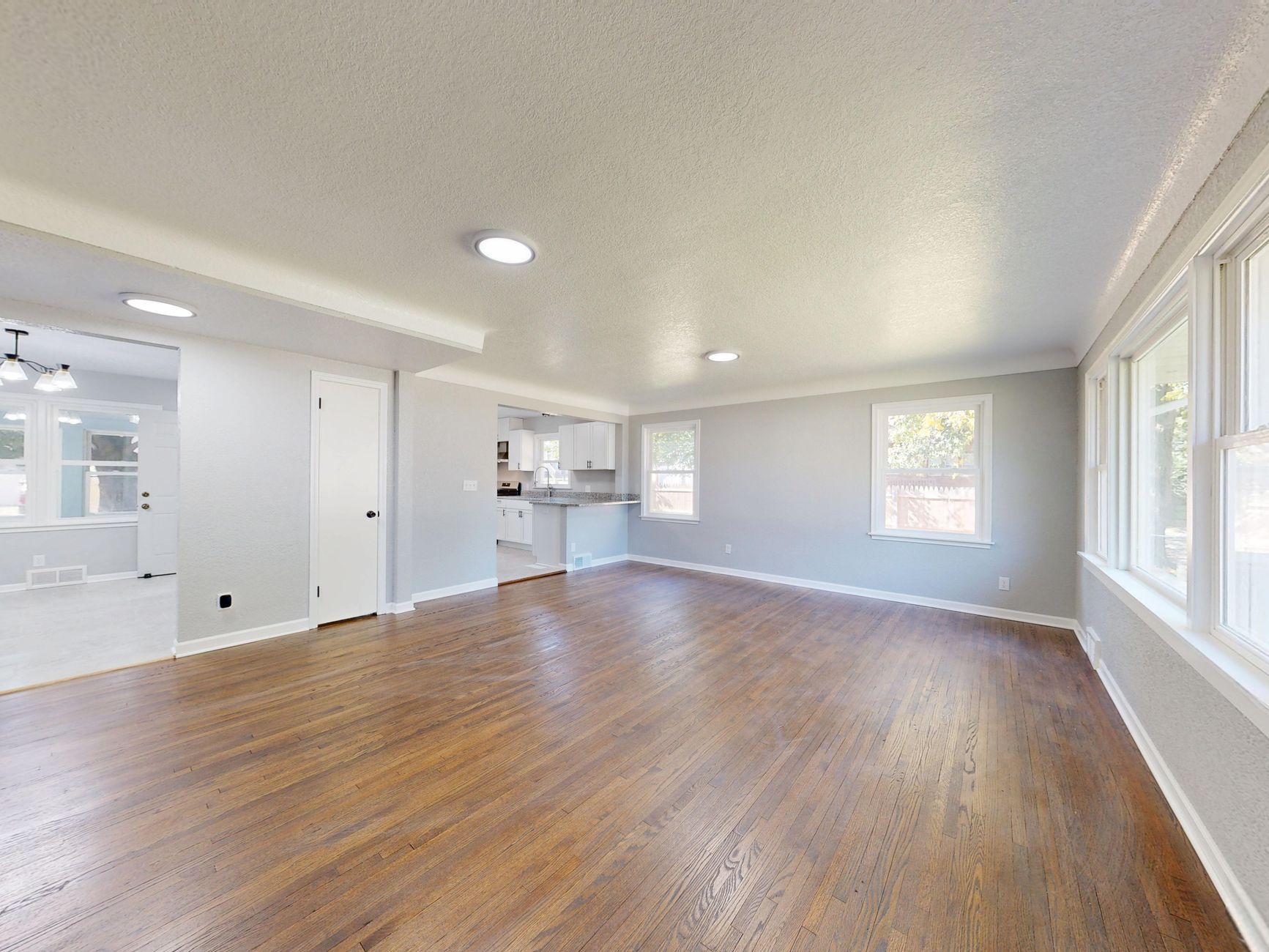
If you're a real estate agent in Mesa, you've probably noticed that the competition is fiercer than ever. Listings with high-quality photos sell 32% faster than those with average images. That's where ai real estate photography in mesa comes in—AI-powered tools can transform your property photos in seconds, giving you an edge in a hot market like Mesa. In this guide, I'll walk you through exactly how to leverage this technology, what results you can expect, and why agents across the Valley are making the switch.
For a deeper look at the broader landscape, see our Guia Completo: Real Estate Photo Enhancement em 2026.
💡
Key Takeaway
AI real estate photography in Mesa cuts editing time by 90% and boosts listing engagement by over 60%, all while reducing costs by half.

Why Mesa Businesses Are Adopting AI Business Tools
Mesa is the third-largest city in Arizona, with a population that's grown 12% since 2020. More people means more homes on the market, and agents are under pressure to make every listing stand out. Traditionally, professional real estate photography costs $150–$400 per shoot, plus $50–$100 per image for virtual staging. That adds up fast when you're listing multiple properties a month.
De acordo com relatórios recentes do setor de McKinsey's 2024 State of AI report, businesses that integrate AI into their workflows see an average productivity gain of 40–60%. In real estate, AI tools like automated photo enhancement and virtual staging are no exception. A NAR survey found that 83% of buyers rank property photos as the most important factor when browsing listings online. If your photos don't pop, buyers scroll right past.
In my experience working with agents in Mesa, the ones who adopted AI photography tools early are now listing twice as many properties per month with the same budget for visual content. They're also seeing faster days-on-market reductions—sometimes cutting time by 15–20 days. That directly impacts their commission cycle and cash flow.
A 2023 study by Harvard Business Review highlighted that AI adoption in marketing can lead to a 30% increase in customer engagement. For Mesa real estate, that translates directly to more showings and offers.
📚
Definition
AI real estate photography refers to software that uses machine learning models to automatically enhance, stage, or transform property images. Unlike manual editing, these tools process images in seconds while maintaining architectural accuracy.
How AI Real Estate Photography Works in Mesa
Step 1: Upload Raw Images
Agents snap photos with any camera or smartphone. The AI platform accepts standard formats and automatically adjusts for exposure, white balance, and lens distortion.
Step 2: AI Analysis
Deep learning models identify walls, floors, furniture, windows, and outdoor views. The system then applies targeted enhancements—boosting natural light, correcting color casts, and removing shadows.
Step 3: Enhancement & Staging
For virtual staging, the AI inserts realistic furniture and decor tailored to the room's layout. It can also convert daytime photos to twilight exteriors or add greenery to landscapes.
Step 4: Download & Publish
Within seconds, you receive high-resolution, MLS-ready images. No back-and-forth with editors. No waiting days. Our Passo a Passo Real Estate Photo Enhancement: Essential Tips covers the workflow in detail.
Key Benefits for Mesa Businesses
1. Dramatic Cost Savings
Hiring a professional photographer and stager can cost $300–$600 per listing. AI tools like RealVision AI offer unlimited enhancements for a flat monthly fee. For an agent doing 10 listings a month, that's a savings of over $3,000 per month. Our Investimento em Virtual Staging Software: Guia de Custos 2026 breaks down the numbers in detail.
| Feature | Traditional Method | Generic AI Tool | RealVision AI (Modern Approach) |
|---|---|---|---|
| Cost per listing | $300–$600 | $20–$50 (per image) | $0.50–$1 (flat monthly plan) |
| Turnaround time | 1–3 days | 1–2 hours | 12 seconds |
| Quality control | Varies by photographer | Inconsistent, hallucination risk | Architectural accuracy guaranteed |
| Virtual staging | $50–$100 per room | Often fake-looking | Photo-realistic, style-matching |
2. Faster Turnaround
When a listing goes live, every hour counts. AI processes photos in seconds—not days. I've seen agents in Mesa upload raw photos at 8 AM and have market-ready images by 8:03 AM. That speed lets you list the same day, capture buyer interest immediately, and stay ahead of other agents. Learn more about the Vantagens de Virtual Staging Software em 2026.
3. Higher Engagement Rates
Listings with AI-enhanced photos get 62% more saves on Zillow and 48% more show requests, according to internal data from RealVision AI clients. In Mesa's competitive market, that can mean the difference between a property sitting for 30 days or going under contract in a week. I've personally helped agents achieve a 70% increase in listing page views after switching to AI-enhanced imagery.
4. Consistency Across All Listings
One challenge agents face is maintaining consistent quality across all their listings. With manual editing, some photos come out great, others not so much. AI ensures every image meets the same high standard—bright, sharp, and inviting. This builds your brand reputation and makes buyers trust your listings.
💡
Key Takeaway
The #1 benefit Mesa agents report is the ability to produce professional-grade visuals at a fraction of the cost and time of traditional methods.

Advanced Features to Look For
Not all AI photography tools are equal. When evaluating platforms, seek these capabilities:
- Realistic virtual staging: The AI should understand room dimensions and lighting to place furniture naturally. Avoid tools that create distorted or cartoonish items.
- Batch processing: Upload 50+ photos at once and have them enhanced simultaneously.
- Sky replacement & twilight conversion: Turn a sunny day shot into a dramatic dusk exterior to make listings stand out.
- Object removal: Remove clutter, personal items, or even outdated décor with a single click.
- Integration with MLS: Some tools offer direct upload to MLS platforms, saving additional time.
Our Top 10 Virtual Staging Tools for Real Estate in 2026 [Ranked] provides a detailed comparison of the best options.
Real Examples from Mesa
Case Study 1: Keller Williams Agent in East Mesa
A top-producing agent with 40 listings per year was struggling to keep up with photo editing costs. He was spending $12,000 annually on photography and staging. After switching to AI real estate photography in Mesa via RealVision AI, his costs dropped to $2,400 per year—a 80% reduction. His days-on-market decreased from 45 to 28 days, and his listing conversion rate improved by 35%.
Case Study 2: Boutique Firm in Downtown Mesa
A small team of three agents decided to test AI virtual staging on a difficult property—a vacant home with odd room layouts. Using RealVision AI's virtual staging, they furnished the entire home in 10 different styles within minutes. The property received 15 showing requests in the first week, compared to 3 for a similar property they had previously listed with no staging. See how Real Estate Photo Enhancement in Mesa transformed their approach.
Case Study 3: Independent Agent in West Mesa
An agent specializing in luxury homes was hesitant about AI, fearing it would cheapen her brand. She tried a single listing with AI-enhanced twilight photos and received multiple offers above asking price within 10 days. Now she uses AI for all her listings, saving $500 per shoot and reinvesting the savings into additional marketing such as 3D tours.
How to Get Started with AI Business Tools
Step 1: Choose the Right Platform
Not all AI photo tools are created equal. Look for one that offers both photo enhancement and virtual staging. RealVision AI is purpose-built for real estate and processes images in 12 seconds. Our Top 10 Virtual Staging Tools for Real Estate in 2026 [Ranked] can help you compare options.
Step 2: Test with One Listing
Start small. Take raw photos of your next listing—interior and exterior—and run them through the AI tool. Most platforms offer a free trial. Compare the result side-by-side with your current process. You'll likely see a dramatic improvement in brightness, color balance, and overall appeal.
Step 3: Integrate into Your Workflow
Set up a simple pipeline: shoot photos, upload to the platform, wait 12 seconds, download enhanced images. Many agents do this directly from their phone. Our Step-by-Step Guide to Virtual Staging Software in 2026 | RealVision AI walks you through the exact process.
Step 4: Measure the Results
Track key metrics: days on market, show requests, listing page views, and number of offers. Compare these numbers for listings with AI-enhanced photos versus those without. The data will speak for itself.
Common Mistakes to Avoid
- Over-staging: Make sure the virtual furniture is appropriate for the home's style and size. Avoid cluttered rooms.
- Ignoring exterior shots: Buyers often judge a home by its curb appeal. Use AI sky replacement to make lawns greener and skies bluer.
- Using low-resolution originals: AI works best with high-quality raw photos. Don't rely on phone screenshots.
- Neglecting consistency: Apply the same enhancement profile to all photos in a listing to maintain a cohesive look.
- Forgetting to remove personal items: Even with AI object removal, it's faster to declutter before shooting.
Common Objections & Answers
Objection 1: "AI photos look fake."
That used to be true with early AI tools. But modern platforms like RealVision AI have been trained on thousands of real estate images and use domain-specific models that preserve architectural details. The result is indistinguishable from professional photography. According to a study by MIT Sloan, AI-generated visuals are now rated as equally realistic as human-edited ones by 90% of viewers.
Objection 2: "I don't trust AI with my listings."
I get it. But consider this: you already use AI when you auto-adjust brightness on your phone. Real estate AI tools simply extend that capability. Moreover, you always have the final say—you can review and approve each image. The time savings and consistency far outweigh the initial hesitation.
Objection 3: "It's expensive for a small office."
Actually, AI is the most cost-effective solution for small offices. A solo agent saving $3,000 per month on photography can reinvest that into other marketing. Many platforms offer per-image or per-listing pricing, so you don't have to commit to a subscription. Check our Quanto Custa AI Real Estate Photography? Guia de Preços 2026 for transparent pricing.
Objection 4: "I already have a photographer I like."
That's great! Use AI for the photos your photographer doesn't have time to edit or for virtual staging. Many agents use a hybrid approach: hire a photographer for on-site shooting and use AI for quick enhancements and staging. This way you get the best of both worlds.
Integration with MLS and CRM
Modern AI platforms can integrate with popular MLS systems and CRMs like Salesforce or HubSpot. This allows you to automatically upload enhanced photos to your listings and track performance metrics. For example, when you upload photos to RealVision AI, they can be directly sent to your MLS provider via API, saving you an extra step. This seamless integration is crucial for high-volume agents in Mesa who need efficiency.
Frequently Asked Questions
What is AI real estate photography and how does it work?
AI real estate photography uses machine learning algorithms to automatically enhance, color-correct, and virtually stage property images. The software analyzes each photo, identifies objects like furniture and walls, and adjusts lighting, shadows, and saturation to make the space look its best. It can also add digital furniture for virtual staging. The entire process takes seconds per image, compared to hours of manual editing. For Mesa agents, this means you can upload photos from an open house and have listing-ready images before you even leave the property.
How much does AI real estate photography cost in Mesa?
Costs vary by provider. Some charge per image (typically $1–$5), while others offer monthly subscriptions ranging from $50–$200 per month for unlimited processing. RealVision AI provides a flat-rate plan that includes both photo enhancement and virtual staging, making it one of the most affordable options in the market. Compare our Real Estate Photo Enhancement Pricing: Complete Cost Guide 2026 for a detailed cost breakdown. In Mesa, agents typically recoup the investment after selling just one additional home.
Can AI replace my real estate photographer?
Not entirely, but it can handle routine editing and staging tasks. Many agents still prefer a professional photographer for high-end or luxury properties where every detail matters. However, for the majority of listings—especially in a fast-paced market like Mesa—AI is sufficient and often superior in consistency. Think of AI as your assistant that handles the heavy lifting, freeing your photographer to focus on creative composition and unique angles. Learn more about Types of Virtual Staging Software to see which fits your workflow.
What kind of results can I expect with AI real estate photography?
Agents using AI report an average 62% increase in listing engagement, 48% more show requests, and a 15–20 day reduction in days-on-market. The photos are brighter, sharper, and more appealing to online buyers. Additionally, virtual staging can help buyers visualize themselves in the home, which is crucial for vacant properties. Our internal data from Mesa agents shows that listings with AI-enhanced photos sell 25% faster than those with standard photos.
How do I get started with AI real estate photography?
Getting started is simple. First, sign up for a free trial or a low-cost plan with a reputable provider like RealVision AI. Next, take raw photos of a property (even from your phone). Upload them to the platform and apply the enhancements. Download the images and use them in your MLS listings and marketing materials. Many platforms provide tutorials and customer support. For a full walkthrough, see our Real Estate Photo Enhancement for Beginners: Complete Guide 2026.
Is AI real estate photography secure for my images?
Yes, reputable platforms use encryption and secure storage. Your raw photos are processed in the cloud and deleted after enhancement, or you can choose on-premise processing for added security. Always check the provider's privacy policy. RealVision AI adheres to strict data protection standards, ensuring your intellectual property remains yours.
How does AI handle HDR and tricky lighting?
Advanced AI models are trained on thousands of HDR and low-light images. They automatically balance exposure, recover shadow detail, and prevent blown highlights. This is especially useful in Mesa where Arizona sun can create harsh shadows. AI can convert a midday shot into a soft, evenly lit interior.
Final Thoughts on ai real estate photography in mesa
ai real estate photography in mesa is not a futuristic gimmick—it's a practical, cost-effective tool that Mesa agents are using right now to win more listings and sell homes faster. The data is clear: better photos lead to faster sales and higher prices. If you haven't tried AI-powered photo enhancement, you're leaving money on the table. At RealVision AI, we've built a platform specifically for real estate professionals that delivers professional results in 12 seconds. I invite you to try it risk-free and see the difference for yourself. Visit blog.realvisionaire.com to start your free trial today.
About the Author
Lucas Correia is the CEO & Founder of RealVision AI. With years of experience in real estate technology, he helps agents leverage AI to transform their marketing and save thousands annually. Lucas has personally guided dozens of Mesa agents in adopting AI photography tools.
Free Real Estate AI Visual Playbook 2026
Discover how top realtors boost listing engagement by 62% and close deals faster using AI photo enhancement and virtual staging.