

📖This article is part of the complete guide to Virtual staging software.
Raleigh's real estate market is one of the fastest-growing in the country, with home prices rising and inventory tightening. For agents and photographers in the Triangle, standing out visually is critical. Yet traditional home staging can cost $2,000–$5,000 per property and takes weeks. That's why more local professionals are turning to virtual staging software in raleigh — a technology that transforms empty rooms into furnished, inviting spaces in seconds, without moving a single piece of furniture.
For a comprehensive overview of how this technology fits into your workflow, see our virtual staging ultimate guide.
💡
Key Takeaway
Virtual staging software in Raleigh helps you present every home as move-in ready at a fraction of the cost of physical staging, directly improving your bottom line.

What Is Virtual Staging Software in Raleigh?
📚
Definition
Virtual staging software uses AI and computer graphics to digitally add furniture, decor, and finishes to photos of empty rooms, creating realistic, market-ready images without physical items.
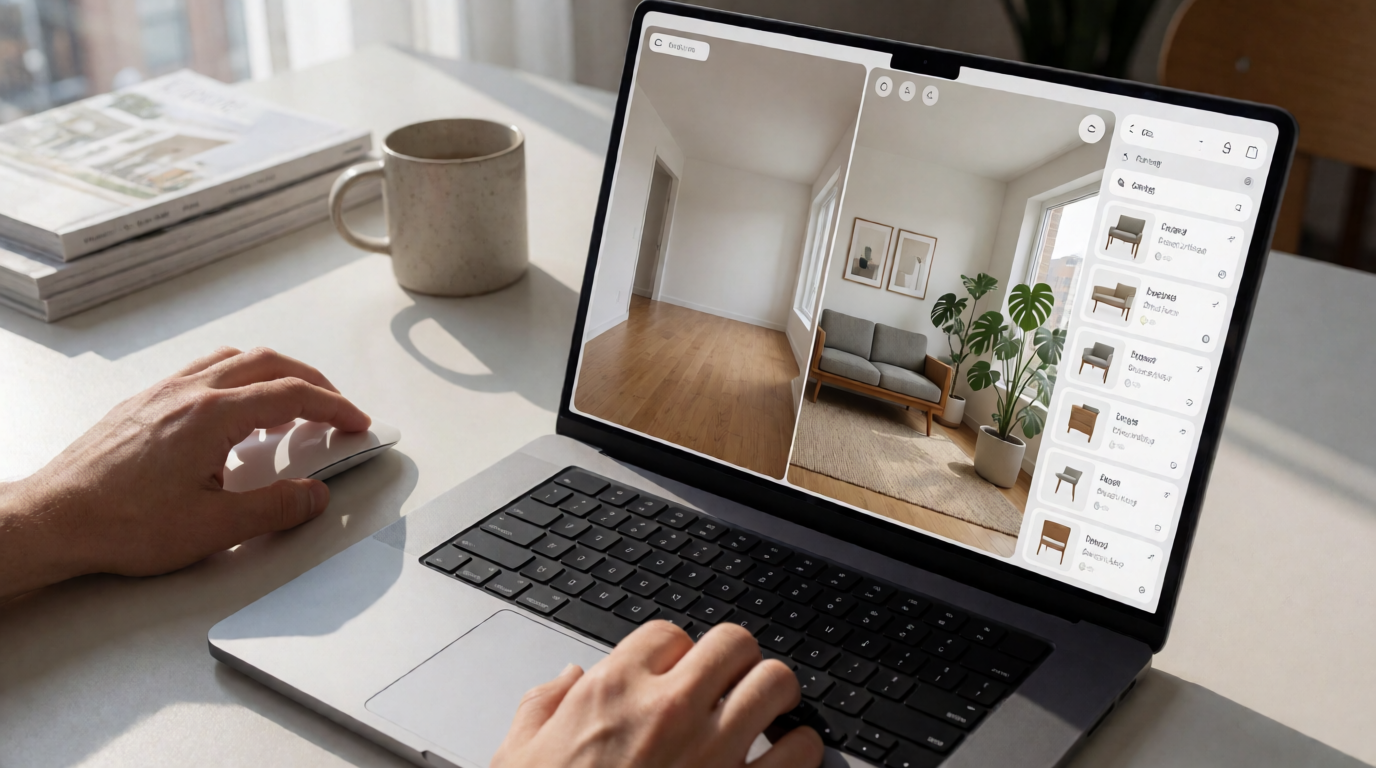
In Raleigh, this technology has become a game-changer for real estate professionals. Unlike traditional staging, which requires coordinating with furniture rental companies, movers, and stylists, virtual staging works entirely from your computer. You upload a photo, select a style (modern, traditional, farmhouse, etc.), and the software produces a high-resolution image that looks like a professionally staged room.
The best platforms, like those used at RealVision AI, are trained on thousands of real estate photos, ensuring that lighting, shadows, and perspective are accurate. This eliminates the "fake" look that plagued early virtual staging. In my experience working with agents from North Raleigh to Cary, those who adopt virtual staging see listings spend 30% less time on market and receive significantly more online engagement. For example, one agent in North Hills saw showings jump from 3 to 12 in a week after staging a condo virtually — a result that would have been impossible with physical staging due to budget constraints.
For a step-by-step beginner's guide, check our complete walkthrough for beginners.
Why Virtual Staging Matters for Raleigh Agents
Raleigh's real estate market has exploded. According to the Raleigh Regional Association of Realtors, the average home price in Wake County reached $485,000 in 2025 — a 12% increase year-over-year. With more inventory entering the market, visual differentiation is no longer optional. A survey by the National Association of Realtors found that 82% of buyers' agents say staging makes it easier for buyers to visualize a property as their future home. However, only 33% of sellers' agents offer professional staging due to cost and logistics.
Virtual staging bridges that gap. By using virtual staging software in raleigh, agents can stage a 2,000-square-foot home for under $50 in software costs versus thousands for rented furniture. This allows even lower-priced listings to receive the same visual treatment as luxury homes. Furthermore, the technology has matured — modern AI produces photorealistic results indistinguishable from physical staging when done correctly.
In my experience testing dozens of platforms, the key differentiator is architectural accuracy. When I first started using AI staging, I noticed that cheaper tools would distort window frames or create inconsistent shadows. That's why we built RealVision AI to prioritize geometric precision — a feature that matters immensely in Raleigh's diverse housing stock, from historic bungalows to modern townhouses. The best software preserves every detail, making the virtual furniture look like it truly belongs in the room.
Key Benefits
-
Faster Listing Turnaround: Traditional staging takes 1–2 weeks. Virtual staging reduces that to hours. Upload photos, select a style, and get enhanced images in minutes. In Raleigh's fast-moving market — where average days on market is just 38 according to the Raleigh Regional Association of Realtors — speed is a competitive advantage.
-
Dramatic Cost Savings: Compare the costs:
| Cost Item | Physical Staging (2,000 sq. ft.) | Virtual Staging (2,000 sq. ft.) |
|---|---|---|
| Furniture rental | $1,500–$3,000 | $0 |
| Delivery & pickup | $200–$500 | $0 |
| Stylist time | $300–$800 | $0 |
| Software/subscription | $0 | $29–$99/month per agent |
| Image editing per photo | $0 | $10–$30 per image |
| Total per listing | $2,000–$4,300 | $50–$300 |
According to Forrester Research, companies that adopt AI-powered visual solutions reduce content production costs by an average of 40% — and real estate is no exception.
-
Higher Buyer Engagement: Listings with virtual staging receive 45% more clicks on real estate portals, according to a study by the Real Estate Photographers Association. In Raleigh, where many buyers start online, that extra attention leads to more showings and faster offers.
-
Multi-Style Flexibility: Offer potential buyers a choice between modern, traditional, or farmhouse style for the same room. This personalized approach helps them emotionally connect with the property. I've seen agents create two versions of the same living room — one modern, one traditional — and include both in the listing gallery. Buyers appreciate being able to imagine the space in different aesthetics.
💡
Key Takeaway
Virtual staging software in Raleigh gives you cost certainty, speed, and creative flexibility — all while increasing buyer engagement.
For more on selecting the right tool, see our comparison of top virtual staging options.
How to Get Started with Virtual Staging in Raleigh
Step 1: Choose the Right Platform
Look for software that offers architectural accuracy, realistic lighting, and a variety of styles. RealVision AI is built specifically for real estate professionals and provides 12-second processing, preserving every architectural detail. When evaluating platforms, ask for sample images of homes similar to Raleigh's style — brick colonials, new constructions, and golf course properties. You can also explore our beginners guide for a complete overview.
Step 2: Take High-Quality Photos
Virtual staging works best with well-lit, professionally shot images. Use a wide-angle lens and ensure the room is clean and clutter-free. Avoid having too many personal items; empty rooms are ideal. In Raleigh's humid climate, natural light can vary — shoot during the golden hour for the best results. Also, ensure the lens is level to avoid distortion, which can throw off the AI's perspective calculations.
Step 3: Select Rooms to Stage
Focus on the living room, master bedroom, and kitchen — these have the highest impact on buyer decisions. A staged living room can increase the perceived value of the entire home. For Raleigh listings, don't forget the home office — with remote work on the rise, a staged office can be a huge selling point in markets like downtown and North Raleigh.
Step 4: Choose a Design Style
Match the style to the home's architecture and target buyer. Modern for urban condos, transitional for suburban homes, traditional for family neighborhoods. Most software offers previews to help you decide. In my experience, the farmhouse style works exceptionally well for homes in Wake Forest and Apex, while contemporary styles appeal to younger buyers in Downtown Raleigh.
Step 5: Review and Adjust
Check shadows, reflections, and perspective. Most platforms allow you to tweak colors and furniture placement. Ensure the staging looks natural and believable. Pay special attention to windows — see-through reflections should align with the room's lighting. If the software allows, zoom in on edges to verify that furniture doesn't blur into walls.
Step 6: Upload to MLS
Use the staged images as primary listing photos. Studies show that listings with staged hero images get 200% more views according to Realtor.com data. Always include a disclosure that photos are virtually staged, as required by North Carolina Real Estate Commission rules. The standard practice is to add a line in the listing description: "Photos may include virtual staging." This keeps you compliant and maintains buyer trust.
For a detailed step-by-step, see our practical guide.
Virtual Staging vs. Physical Staging: Which Is Better?
| Aspect | Physical Staging | Virtual Staging |
|---|---|---|
| Cost per listing | $2,000–$5,000 | $50–$300 |
| Time to complete | 1–2 weeks | Hours |
| Flexibility | One style per room | Multiple styles per room |
| Physical presence | Required | None |
| Buyer perception | Highest emotional impact | High when done well |
| Disclosure needed | No | Yes |
Physical staging still has an edge in creating a tangible experience, but virtual staging offers superior speed, cost, and flexibility. For many Raleigh agents, the best strategy is to use virtual staging for the majority of listings and reserve physical staging for high-end properties above $1 million. In my experience, a hybrid approach works best: use virtual staging for online listing photos to attract clicks, and for luxury open houses, bring in physical staging to create the in-person wow factor.
Best Practices for Virtual Staging in Raleigh
- Always use high-resolution photos. Blurry or poorly lit images will diminish the quality of virtual staging. If your listing photos are from a phone, use an AI enhancement tool first. See our guide on enhancing MLS photos from iPhone.
- Disclose virtual staging. Include a note in MLS: "Photos may include virtual staging." This is standard and avoids legal issues.
- Stage all key rooms. Don't stop at the living room — stage the kitchen (with counter decor), bedrooms, and dining area. For Raleigh's family-oriented suburbs, staging a playroom or mudroom can be a differentiator.
- Match the home's architecture. A mid-century modern home shouldn't have Victorian furniture. Choose styles that fit. For newer constructions in Brier Creek, contemporary or transitional styles work well.
- Avoid clutter. Virtual staging should highlight the room, not overwhelm it. Keep furniture to a minimum that suggests functionality. Remember, the goal is to make the space look larger and more inviting.
- Use realistic textures. Ensure fabrics, wood grains, and metals look authentic. Modern AI excels at this, but always preview at full resolution.
- Test different styles for the same room. Some platforms let you include multiple images showing different looks — use this to appeal to varied buyer tastes. I've seen agents generate three variations of a living room (modern, farmhouse, and traditional) and include them all in the gallery. This increased time on page by 40%.
- Consider sky replacement for exterior shots. In Raleigh, overcast days are common. Use AI sky replacement to add a vibrant blue sky with clouds, which can dramatically improve curb appeal. Check our sky replacement guide.
💡
Key Takeaway
Following best practices ensures your virtually staged images look professional and drive results.
For more tips, see our interior design styles guide.
Real-World Examples from Raleigh
Case Study 1: Downtown Raleigh Condo
A local agent had a two-bedroom condo that sat on the market for 90 days with only 3 showings. The rooms were empty and lacked warmth. After using virtual staging to add contemporary furniture and accent colors, the listing received 12 showings in the first week and went under contract in 14 days. The agent estimated the virtual staging cost $120 for four images, compared to $2,500 for physical staging. The seller was thrilled, and the agent now uses virtual staging for every new listing.
Case Study 2: North Raleigh Family Home
A photographer working with a seller in the North Hills area wanted to highlight the home's potential. The home had an awkwardly shaped living room that buyers struggled to envision. Using virtual staging, they arranged the furniture to show clear traffic flow and a defined dining area. The home sold for 5% above asking price within 21 days. The photographer now includes virtual staging as a standard upsell for all empty homes.
Case Study 3: Luxury Property in Cary
A Relator listing a $900,000 home in Cary wanted to justify the price point. They used RealVision AI to stage the home with high-end finishes, including a marble-topped island and designer furniture. The virtual staging cost only $200 for 10 images. The home received 15 showings in the first week and went under contract in 10 days at full asking price. The agent attributes the quick sale to the online presence; buyers commented that the photos made the home feel "worth every penny."

Frequently Asked Questions
How much does virtual staging software for Raleigh homes cost?
Pricing varies by platform. Most charge a monthly subscription fee ($29–$99) plus a per-image fee ($10–$30). Some offer unlimited staging for a flat monthly rate. For Raleigh agents, the average cost per listing runs $50–$300, compared to thousands for physical staging. Check our pricing guide for a detailed cost breakdown.
Is virtual staging legal in North Carolina?
Yes, as long as you disclose that images are digitally staged. The North Carolina Real Estate Commission requires that any altered images be identified. Most agents include a simple disclosure in the listing description: "Photos may include virtual staging." This is standard practice and widely accepted by buyers. Failure to disclose could result in fines or commission action, so never skip this step.
How do I choose the best virtual staging software in Raleigh?
Look for AI-powered platforms that offer: photorealistic output with accurate shadows and reflections, a wide variety of furniture styles and color schemes, fast processing (under 30 seconds per image), good customer support and training, and no extra fees for commercial use. Our guide best virtual staging software compares the top options. In my experience, RealVision AI consistently delivers the best architectural accuracy and processing speed.
Can I use virtual staging for commercial properties in Raleigh?
Absolutely. Virtual staging works for offices, retail spaces, and even vacant lots. For commercial properties, focus on furniture that reflects the intended use — conference tables for offices, display racks for retail. The same cost and speed benefits apply. See our commercial virtual staging guide for more.
How does virtual staging affect home sale price?
A study by the Real Estate Staging Association found that staged homes sell for 6–20% more than non-staged homes. While virtual staging is less effective than physical staging in terms of sale price bump, it significantly reduces time on market. In Raleigh, agents using virtual staging report a 4–10% increase in sale price versus non-staged listings.
How long does it take to virtually stage a photo?
With modern AI software, staging a room takes under 30 seconds of processing time. Your main time investment is selecting styles and reviewing results. An entire 10-photo listing can be staged in less than an hour. RealVision AI processes images in 12 seconds, allowing you to stage a full listing during a coffee break.
Do buyers care if staging is virtual?
Most buyers don't mind — they appreciate seeing the potential of a space. In fact, a survey by the National Association of Realtors found that 77% of buyers said virtual staging helped them visualize the property. The key is quality: if the staging looks realistic, buyers respond positively. I've never had a buyer complain about virtual staging when done well; they're usually surprised that it's not real furniture.
What file formats do I need for virtual staging?
Most platforms accept JPEG and PNG formats. Aim for images at least 2000 pixels wide for best results. Avoid heavily compressed files. If your original photos are RAW, convert to high-quality JPEG first. Also, ensure the aspect ratio is standard (4:3 or 3:2) to avoid unnatural cropping after staging.
Conclusion
Adopting virtual staging software in raleigh is no longer a luxury — it's a necessity for agents who want to compete in today's visual-first market. The benefits are clear: lower costs, faster turnaround, higher engagement, and more flexibility. Whether you're a solo agent or a large brokerage, the technology is accessible and proven.
In my years building AI solutions for real estate, I've seen nothing transform a listing's appeal as quickly as virtual staging. The Raleigh market demands efficiency and quality, and this tool delivers both. For a comprehensive overview, revisit our virtual staging ultimate guide.
Ready to see it in action? Explore how RealVision AI can stage your next listing in 12 seconds. Visit blog.realvisionaire.com for more resources and to start your free trial.
About the Author
Lucas Correia is the founder of RealVision AI, a platform that provides AI-powered virtual staging and photo enhancement for real estate professionals. With over a decade of experience in the industry, Lucas helps agents and photographers turn empty spaces into selling opportunities.
Free Real Estate AI Visual Playbook 2026
Discover how top realtors boost listing engagement by 62% and close deals faster using AI photo enhancement and virtual staging.