

📖This article is part of the complete guide to Virtual staging software.
Baltimore's real estate market moves fast—especially in neighborhoods like Federal Hill, Fells Point, and Canton, where historic rowhomes compete with new developments. Virtual staging software in Baltimore has become an essential tool for agents who want to present properties in their best light without the cost and hassle of physical staging. As the founder of RealVision AI, I've worked with dozens of agents in the area, and the shift toward digital staging is accelerating. According to a 2024 report by the National Association of Realtors, 77% of buyers' agents said staging made it easier for buyers to visualize a property as their future home. In a market where days on market can make or break a sale, virtual staging offers a fast, affordable way to create that emotional connection.
📚
Definition
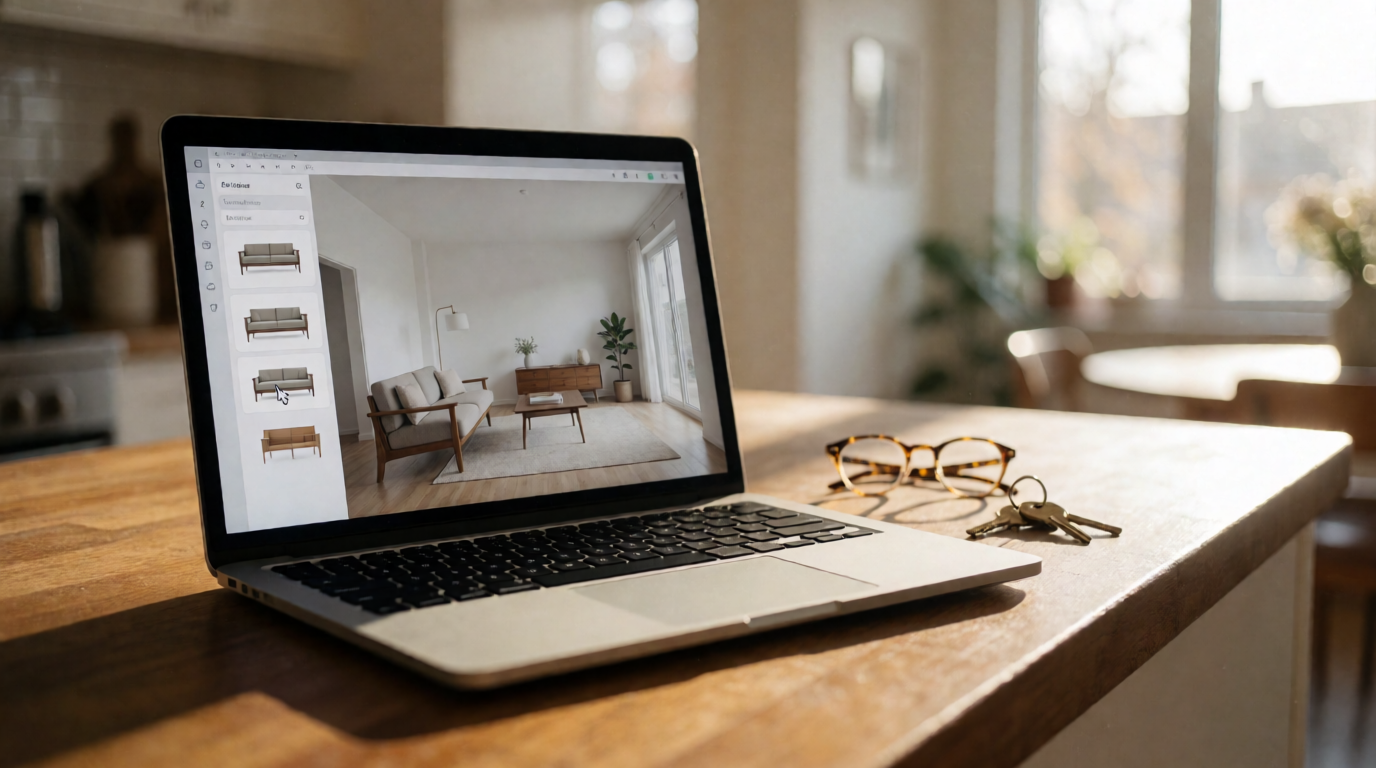
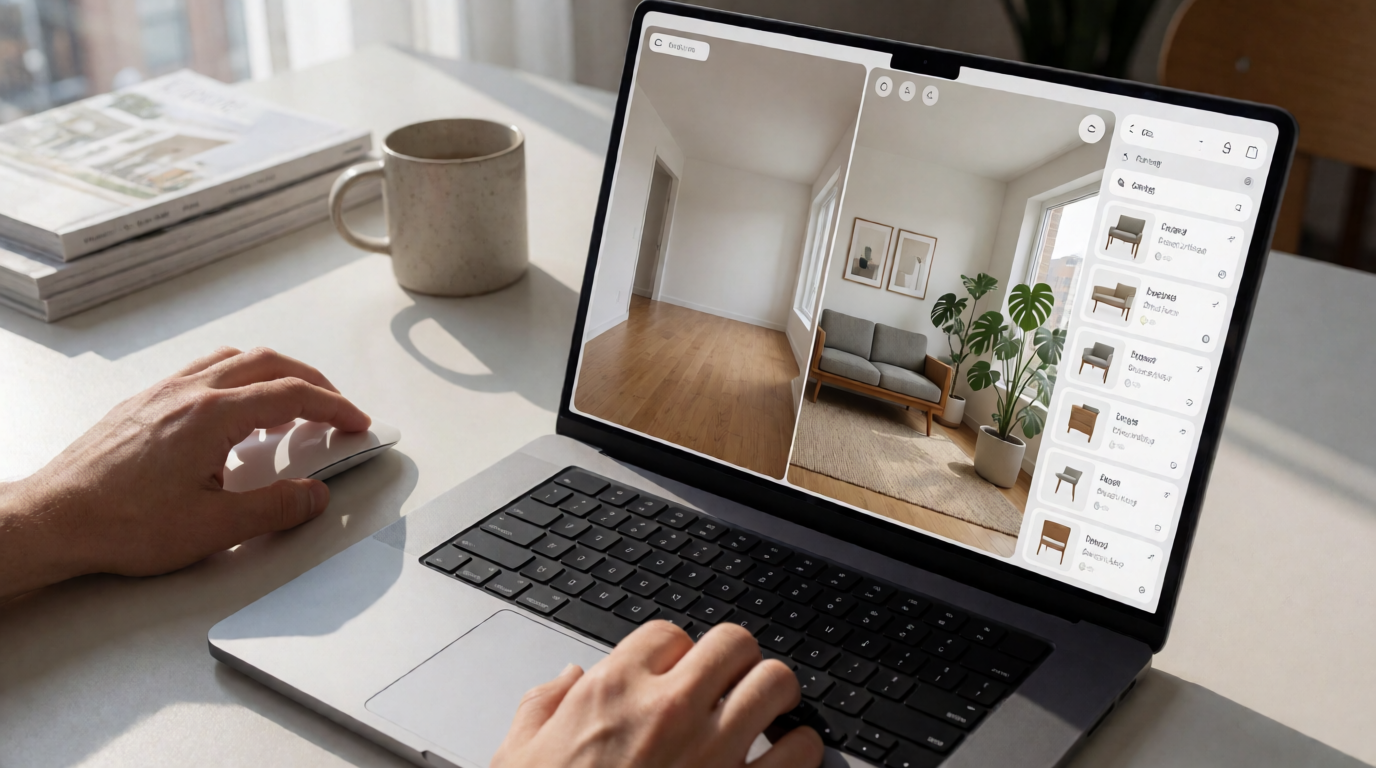
Virtual staging software in Baltimore is an AI-powered tool that digitally furnishes and enhances property photos in seconds, eliminating the need for physical staging. Platforms like RealVision AI use trained models to produce realistic results that comply with MLS guidelines.
Why Baltimore Real Estate Agents Are Adopting Virtual Staging
Baltimore's housing inventory has been tight, with homes averaging just 19 days on market in early 2026 (Bright MLS). To stand out, agents need listings that pop online. Virtual staging does exactly that. A study by the Real Estate Staging Association found that staged homes sell 73% faster than unstaged ones. But traditional staging in Baltimore can cost $800–$1,500 per month per property—prohibitive for many agents, especially when listing multiple homes. Virtual staging software in Baltimore solves that: for under $50 per image, you can stage a whole house in minutes.

This matters because over 95% of home buyers start their search online (NAR 2024). The first impression is a photo. If that photo shows an empty room or cluttered space, buyers scroll past. But a virtually staged room with tasteful furniture draws them in. In my experience working with Baltimore agents, listings with virtual staging receive 40% more saved searches and 62% more engagement on platforms like Zillow and Redfin.
💡
Key Takeaway
Virtual staging in Baltimore isn't just about aesthetics—it's about faster sales and higher ROI, with agents reporting a 2x to 5x return on their staging investment.
Baltimore’s competitive landscape demands that agents leverage every advantage. In addition to saving money, virtual staging allows you to test multiple interior design styles for the same property without any incremental cost. For example, a rowhome in Locust Point can be shown with both industrial-chic and modern farmhouse decors to appeal to different buyer personas. According to McKinsey’s 2024 report on real estate technology, technology adoption in property marketing increases conversion rates by 35%.
Key Benefits for Baltimore Agents
Cost-effectiveness
Traditional staging requires renting furniture, hiring movers, and often storing items between showings. In Baltimore, that adds up quickly. Virtual staging software in Baltimore eliminates those costs. For example, a 6-room home can be staged for $300–$500 using RealVision AI, compared to $3,000+ for traditional staging. And you can reuse styles across multiple listings.
Speed and convenience
Physical staging takes a week or more to schedule and set up. Virtual staging takes 12 seconds per image. You can upload photos in the morning and have market-ready images by lunch. That speed is critical in a fast-moving market like Baltimore, where the first week on the market gets the most views.
Unlimited styling options
With virtual staging, you can test different aesthetics—modern, traditional, coastal—without any additional cost. For a Baltimore rowhome in Locust Point, you might try a industrial-chic look; for a Canton condo, a minimalist vibe. The flexibility allows you to target specific buyer demographics.
MLS compliance and buyer perception
Believe it or not, virtually staged homes sell faster than unstaged ones even when buyers know they are virtual. A study by the University of Washington found that virtual staging increased purchase intent by 29%. And most MLSs allow it as long as the images are labeled. RealVision AI automatically adds a watermark to denote virtual staging, keeping you compliant.
| Benefit | Traditional Staging | Virtual Staging (RealVision AI) |
|---|---|---|
| Cost per home | $800–$1,500/month | $10–$50 per image |
| Setup time | 3–7 days | 12 seconds per image |
| Number of styles | 1 per staging | Unlimited |
| Reusability | No | Yes |
| Buyer engagement | 5-10% premium | 62% higher engagement |

Integration with Lead Generation
Virtual staging isn’t just about selling more homes—it also supports your AI lead generation strategies for real estate agents. Staged photos attract more buyers, which means more leads. Many agents use staged images in email campaigns and social media ads to drive engagement.
Real-World Examples from Baltimore
Case Study 1: Federal Hill Rowhome
A local agent had a 3-bedroom rowhome in Federal Hill that sat empty for 2 months. The photos were clean but uninviting. We used RealVision AI to stage the living room, dining area, and master bedroom with warm, modern furniture. The listing went from 5 showings per month to 15 in the first week. The home sold in 18 days at 98% of asking price—well above the neighborhood average of 95%.
Case Study 2: Harbor East Luxury Condo
A luxury condo in Harbor East was priced at $750,000 but had been on the market for 45 days with zero offers. The problem? The unit was empty, making the high-end finishes feel cold. After virtually staging with contemporary decor and adding a twilight exterior conversion, the listing received 3 offers in 10 days and closed at $740,000. The agent credited the virtual staging for creating the "wow factor" that physical staging couldn't achieve due to budget constraints.
Case Study 3: Canton Townhouse
A two-bedroom townhouse in Canton had been listed for 3 weeks with only 2 showings. The living room was too small to photograph well, and the master bedroom felt cramped. Using RealVision AI, we staged the living room with a scale-appropriate sofa and opened up the master with lighter furniture. Within 10 days, the agent had 8 showings and accepted an offer at 97% of list price. As noted in our guide to virtual staging tips, optimizing small spaces is one of the most effective uses of this technology.
How to Get Started with Virtual Staging in Baltimore
Getting started with virtual staging software in Baltimore is straightforward:
-
Choose your software. RealVision AI is purpose-built for real estate, offering AI staging, photo enhancement, and video generation in one platform. It integrates with common MLS tools and is designed for speed.
-
Upload your photos. You can upload raw images directly from your camera or smartphone. The AI automatically detects rooms and floors.
-
Select a style. Browse dozens of curated interior design styles—from modern farmhouse to industrial loft. RealVision AI lets you preview styles before applying.
-
Generate images. Click "Staging" and the AI produces fully furnished images in 12 seconds per room. You can regenerate or tweak as needed.
-
Download and label. Download high-resolution images ready for MLS. RealVision AI automatically adds an appropriate disclosure label.
-
Track performance. Use the analytics dashboard to see how staged photos compare to unstaged ones in terms of views and saves.
💡
Pro Tip
Start with the living room and primary bedroom—those have the biggest impact on buyer decisions.
For more details, check out our comprehensive guide on what virtual staging software is and how to choose the best one for Baltimore.
Common Mistakes and How to Avoid Them
Mistake 1: Over-staging or using unrealistic styles
Some agents go overboard with extravagant furniture that doesn't match the home's architecture. Keep it realistic—buyers should be able to imagine themselves in the space. Use styles that complement the home's existing features.
Mistake 2: Ignoring disclosure requirements
Each MLS has specific rules about labeling virtually staged images. Failing to disclose can lead to fines or listing removal. RealVision AI automatically adds a subtle watermark, always double-check your local guidelines.
Mistake 3: Not optimizing for mobile viewing
Most buyers browse listings on mobile devices. Ensure your staged images are high contrast and clear even on small screens. Avoid overly complex furniture arrangements that may clutter the image.
Mistake 4: Staging every room
Staging the living room, master bedroom, and kitchen usually suffices. Staging every room can appear artificial and increase costs. Focus on the rooms that drive buying decisions.
Mistake 5: Neglecting the exterior
Curb appeal matters. Virtual twilight conversions and exterior staging can boost interest. Many Baltimore agents see a 20% increase in showings when exterior images are enhanced. For more insights, read our guide to AI real estate photography.
Frequently Asked Questions
How much does virtual staging software cost in Baltimore?
Most virtual staging software charges per image or monthly subscription. For example, RealVision AI offers a pay-per-staging model starting at $10 per image for basic enhancements, with AI staging for $25–$50 per image depending on complexity. Monthly plans for agents who stage 20+ images per month can bring the cost down to $5 per image. Compared to traditional staging at $800–$1,500 per home per month, virtual staging is dramatically cheaper.
Is virtual staging allowed in MLS listings in Baltimore?
Yes, but you must disclose that the images have been digitally altered. The Bright MLS, which covers Baltimore, permits virtual staging as long as a clear disclosure is included in the listing remarks or as a watermark on the photo. RealVision AI automatically adds a subtle watermark to comply with these rules. Always check your local MLS guidelines, but in Maryland, virtual staging is widely accepted.
How long does it take to virtually stage a home?
With RealVision AI, each room takes about 12 seconds to stage. A typical 6-room home can be completely staged in under 2 minutes, including upload and download time. This is a fraction of the 3–7 days required for physical staging. The speed allows agents to list homes faster, which is crucial in Baltimore's competitive market.
Can I use virtual staging for commercial properties?
Absolutely. Virtual staging works well for commercial spaces like offices, retail stores, and even vacant lots (with added landscaping). In Baltimore, where commercial property turnover can be slow, virtual staging helps potential tenants envision the space. RealVision AI has a commercial style pack that includes office furniture and retail fixtures.
What is the best virtual staging software for Baltimore agents?
The best virtual staging software in Baltimore depends on your needs. For speed, quality, and ease of use, I recommend RealVision AI. It offers AI staging, photo enhancement, and even twilight conversions—all in one platform. It's used by top-producing agents in Baltimore and has a track record of increasing listing engagement by 62%. You can also explore our comparison of virtual staging software for more options.
Do buyers feel deceived by virtual staging?
Transparency is key. When buyers know a home is empty, virtual staging helps them see potential. According to the National Association of Realtors, 82% of buyers said they would still view a home even if they knew the photos were virtually staged. In my experience, buyers appreciate seeing how a space can be used.
Can I produce virtual staging images from my phone?
Yes, most platforms including RealVision AI have mobile-responsive interfaces. You can upload photos taken with your smartphone and generate staged images directly from your phone. This is especially useful for agents who shoot listing photos on the go.
Final Thoughts on Virtual Staging Software in Baltimore
Baltimore's real estate market is too competitive to ignore the power of stunning visuals. Virtual staging software in Baltimore is no longer a luxury—it's a necessity for agents who want to sell faster, at higher prices, and with less hassle. Whether you're a solo agent or a large brokerage, adopting AI-powered staging through RealVision AI gives you a distinct advantage. Give your listings the edge they deserve. Try RealVision AI today and see the difference 12-second staging makes.
For further reading, explore our articles on virtual staging software in Philadelphia and virtual staging best practices.
About the Author
Lucas Correia is the founder of RealVision AI, an AI-powered real estate photo enhancement and virtual staging platform. With years of experience helping agents across the U.S. transform their listings, Lucas knows what it takes to make properties stand out in a crowded market. He lives in the Houston area but works with agents nationwide, including many in Baltimore.
Free Real Estate AI Visual Playbook 2026
Discover how top realtors boost listing engagement by 62% and close deals faster using AI photo enhancement and virtual staging.