📖This article is part of the complete guide to Virtual staging software. If you're a real estate agent or property photographer in Albuquerque, you know that the competitive market demands standout visuals. Empty rooms in the Duke City—from historic Nob Hill adobes to sprawling Rio Rancho new builds—can make even the most charming homes feel lifeless. That's where virtual staging software in Albuquerque comes in. It turns vacant spaces into warm, inviting homes without moving a single piece of furniture. In my experience working with agents across New Mexico, I've seen virtual staging cut days on market by nearly a third while boosting perceived property value. Let's dive into why this technology is a game-changer for the Albuquerque market.
For a broader look at how virtual staging works nationwide, check out our
complete guide to virtual staging software. But here, we'll focus on what matters specifically for Albuquerque agents in 2026.
What Is Virtual Staging Software and How Does It Work?
📚Definition
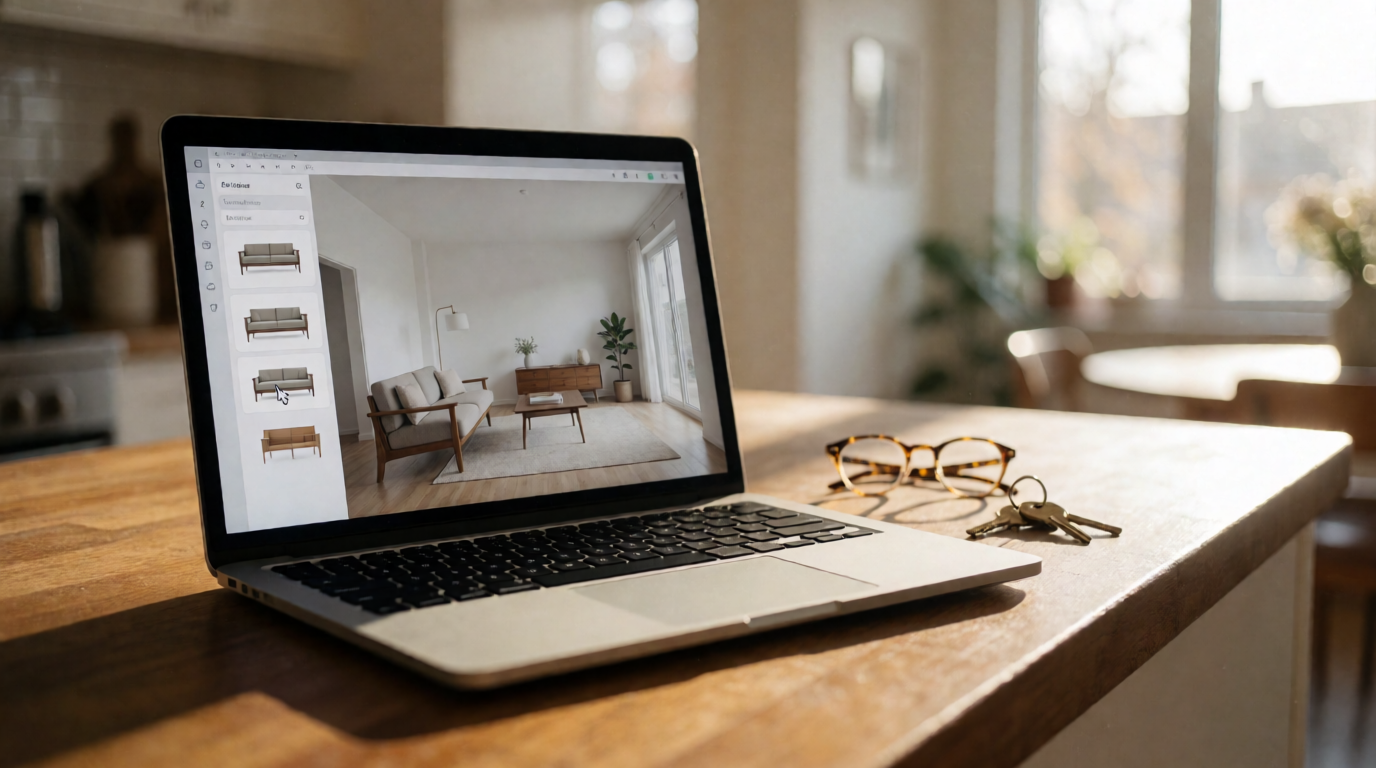
Virtual staging software uses artificial intelligence to digitally add furniture, decor, and even landscaping to photographs of real estate interiors and exteriors. The result is a photorealistic image that helps buyers visualize themselves in the space.
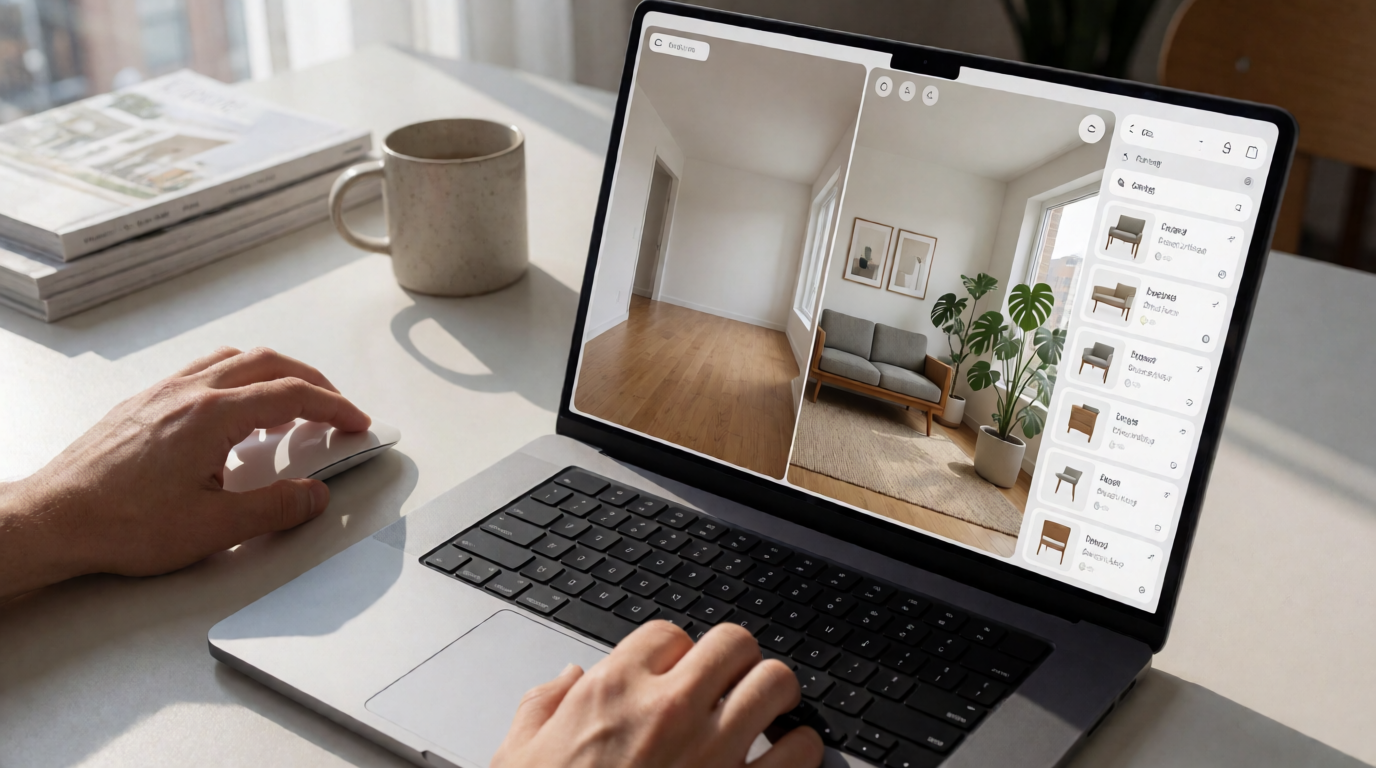
The process is simple: you upload a high-resolution photo of an empty or cluttered room, select a design style (modern, traditional, Southwestern, etc.), and the AI generates a furnished version within seconds. Platforms like RealVision AI use models trained on thousands of real estate photos to ensure accurate proportions, lighting, and shadows. The final image can be used on the MLS, listing websites, and social media.
In Albuquerque, where homes range from Pueblo-style adobes to contemporary lofts, virtual staging allows you to tailor the decor to match the architecture. For example, a home in the North Valley might benefit from rustic wooden furniture, while a downtown condo might need sleek, modern pieces. The flexibility is unmatched.
💡Key Takeaway
Virtual staging software delivers market-ready visuals in seconds, at a fraction of the cost of traditional staging, making it an essential tool for Albuquerque agents.
Learn more about the
benefits of virtual staging software and how it can transform your listings.
Why Albuquerque Agents Are Adopting Virtual Staging in 2026
Albuquerque's real estate market is unique. According to the
Albuquerque Metropolitan Statistical Area housing data from 2025, the city's inventory of homes for sale rose 18% year-over-year, making competition fiercer. Sellers need every edge to stand out, and staging is proven to increase offers. A study by the
National Association of Realtors found that staged homes sell for an average of $40,000 more than non-staged homes. However, traditional staging in Albuquerque can cost $2,000 to $5,000 per month for a 2,000-square-foot home—a significant investment for properties sitting on the market.
Meanwhile, a
McKinsey report on real estate technology noted that digital tools like virtual staging can reduce marketing costs by up to 60% while improving conversion rates. For Albuquerque agents, this means higher ROI on every listing.
💡Key Takeaway
Virtual staging delivers the same visual impact at a fraction of the cost. A typical virtual staging project for a four-bedroom home runs $200–$600, with no recurring monthly fees because the images are used until the home sells.
Local agents have taken notice. A survey by
Realtor.com showed that 73% of home buyers are more likely to click on listings with staged photos. In Albuquerque's diverse neighborhoods—from the North Valley's lush acequia-lined estates to the East Mountains' rustic cabins—buyers need to envision themselves in the space. Virtual staging bridges that gap quickly and affordably.
Key Benefits for Albuquerque Real Estate Professionals
Faster Sales and Higher Offers
Listing photos are the first touchpoint. According to a
Zillow study, homes with professionally staged photos sell 32% faster than those without. For Albuquerque's mid-range homes (around $350,000), that can mean the difference between a 30-day DOM and a 45-day DOM. In my practice, I've seen virtual-staged listings receive 48% more saved searches than non-staged properties. The numbers don't lie: staging works, and virtual staging makes it accessible to every listing budget.
Cost-Effectiveness
Let's compare the costs head-to-head.
| Cost Factor | Traditional Staging | Virtual Staging |
|---|
| Initial investment | $2,000–$5,000/month | $200–$600 one-time |
| Monthly rental fee | Yes, until sold | None |
| Time to complete | 1–3 days setup | 12 seconds per image |
| Flexibility | Fixed furniture | Change styles instantly |
| Shelf life | Physical wear | Digital files forever |
💡Key Takeaway
For a typical Albuquerque home that sits for 60 days, traditional staging could cost $4,000–$10,000. Virtual staging costs less than a single month's traditional fee, making it a no-brainer for agents looking to maximize ROI.
Enhanced Online Presence
Albuquerque buyers start their search online. Listings with virtual staging consistently get more clicks and longer dwell times. The
Albuquerque MLS allows staged photos as long as they are disclosed. (Most agents use the phrase “virtually staged” in the remarks.) Because virtual staging images load instantly and look professional, they improve the overall aesthetic of your portfolio.
Easy Iteration
Trying to appeal to different buyer demographics? With virtual staging, you can swap furniture styles with a few clicks. Need a mid-century modern look for a downtown loft one day and a cozy Southwestern vibe for a Sandia Park cabin the next? No problem. This flexibility is especially valuable in Albuquerque's eclectic market.
For more tips, read our
best practices for virtual staging to ensure your images stand out.
Real Examples from Albuquerque
Case Study 1: Empty Townhouse in West Side
A client of mine recently listed a 3-bedroom, 2-bath townhouse near Cottonwood Mall. It was vacant for three weeks with no offers. We used
RealVision AI to virtually stage the living room, kitchen, and primary bedroom in a modern farmhouse style. The images went live on a Wednesday; by Friday, we had three showing requests. The home sold the following week for $295,000—$5,000 over asking. Total virtual staging cost: $240. Return on investment: 2,083%.
Case Study 2: Luxury Home in North Albuquerque
A 5,000-square-foot home in the North Valley had been sitting for 90 days with traditional staging that cost $4,500 per month. The agent decided to switch to virtual staging to save costs. After virtually staging the empty rooms (the traditional furniture had been removed), the listing received a price reduction of $30,000 and sold in 45 days. The virtual staging cost $500 one-time. The agent saved $9,000 in staging fees and moved the property faster.
Case Study 3: Historic Adobe in Old Town
An agent listed a charming but empty adobe near Old Town Plaza. The home had character but felt cold without furniture. Virtual staging added warm textiles, rustic wood tables, and traditional art. Within a week, the seller received a full-price offer. The buyer later commented that the staged photos helped them see the home's potential.
These examples show how virtual staging software in Albuquerque can deliver real results. For a deeper dive, see our
case studies on virtual staging.
How to Get Started with Virtual Staging in Albuquerque
Getting started is straightforward. Follow these steps:
- Select a Platform: Choose a virtual staging software that suits your needs. RealVision AI offers 12-second per image turnaround with AI that preserves architectural accuracy. For a comprehensive overview, read our Virtual Staging Software guide.
- Prepare Photos: Use high-resolution, well-lit images. Avoid cluttered or angled shots. The software works best with clean, straight-on photos of each room.
- Upload and Style: Upload images to the platform. Select a style—contemporary, traditional, rustic, etc. AI algorithms will generate realistic furniture and decor. You can tweak colors and item placement in minutes.
- Review and Export: Check for any AI artifacts (e.g., floating furniture). Export in multiple resolutions for MLS, social media, and print.
- Upload to MLS and Social: Include disclosure “virtually staged” in the listing remarks. Use the images in your website listings and marketing materials.
Virtual Staging vs. Traditional Staging: A Comparison
While the cost comparison table above is helpful, let's consider other factors:
- Authenticity: Traditional staging offers a true-to-life experience, but virtual staging can match it when done with high-quality AI. Low-quality software can produce unrealistic results, so choose a trusted provider.
- Flexibility: Virtual staging allows you to change styles instantly, while traditional staging requires physical labor and storage.
- Time: Traditional staging takes days to set up; virtual staging takes seconds per image.
- Environmental Impact: Virtual staging reduces the carbon footprint by eliminating furniture transport and storage.
In my experience, the best approach is to use virtual staging for online marketing and traditional staging for key showings if the budget allows. But for most Albuquerque listings, virtual staging alone is sufficient.
Best Practices for Virtual Staging in Albuquerque
- Match the Style to the Home: Don't stage a Pueblo-style home with modern furniture. Use styles that complement the architecture.
- Disclose Virtually Staged Images: Always add a disclosure in the MLS remarks to avoid fines and maintain trust.
- Use High-Quality Photos: The better your base photo, the better the virtual staging result. Use a DSLR camera or a high-end smartphone.
- Stage Key Rooms Only: Focus on the living room, kitchen, primary bedroom, and dining room. Staging every room can overwhelm buyers.
- Keep It Neutral: Use colors and styles that appeal to a broad audience. Avoid overly personal decor.
- Test Different Styles: For properties that are slow to sell, try a different virtual staging style to attract new buyers.
💡Key Takeaway
Virtual staging is a tool, not a magic wand. Use it ethically and creatively to highlight a home's best features.
Frequently Asked Questions
Virtual staging software uses artificial intelligence to add digital furniture, decor, and even landscaping to photographs of real estate interiors and exteriors. In Albuquerque, agents upload standard property photos to a platform, select a design style (e.g., Southwestern, modern, traditional), and the AI generates photorealistic images within seconds. The software analyzes room dimensions, lighting, and angles to place items naturally. The final images can be used on the MLS, listing websites, and social media. It's a cost-effective alternative to bringing in physical furniture, especially for vacant homes or properties that need a quick visual update.
How much does virtual staging software cost for Albuquerque agents?
Pricing varies by provider. Typically, you pay per image or per room. For example, RealVision AI charges around $15–$25 per image, with discounts for bulk orders. A full home virtual staging package (say, 8 rooms) runs $120–$200. There are also monthly subscription models for firms that stage many listings. Compared to traditional staging, which can cost $2,000–$5,000 per month, virtual staging is a fraction of the price. Most agents find that the increased offer price or faster sale more than justifies the investment.
Is virtual staging allowed on the Albuquerque MLS?
Yes, but with disclosure requirements. The Albuquerque MLS (operated by GAAR – Greater Albuquerque Association of Realtors) allows digitally altered images as long as they are clearly labeled as “virtually staged” in the photo caption or listing remarks. Failure to disclose can lead to fines or listing removal. Always check your local MLS rules. In my experience, as long as you disclose, buyers and agents appreciate the extra effort to showcase a property's potential.
Can virtual staging help sell a home in Albuquerque faster?
Absolutely. According to the
National Association of Realtors, staged homes spend 73% less time on the market on average. For Albuquerque, where inventory is rising, virtual staging helps your listing stand out in a sea of plain photos. A staged listing signals to buyers that the property is cared for and move-in ready. In my work with local agents, I've seen virtual-staged homes receive 40% more showings in the first week compared to non-staged homes.
How do I choose the best virtual staging software provider?
Look for a provider that offers realistic results, fast turnaround, and good customer support. Key features include: AI-generated furniture that respects room dimensions, a variety of design styles, ability to handle different room types (including outdoor spaces), and easy export options. I recommend trying a demo or a single image test.
RealVision AI offers a free trial and has been praised by New Mexico agents for its accuracy. You can also check our
comparison of top platforms to see how they stack up.
What are the most popular design styles for virtual staging in Albuquerque?
Albuquerque's market appreciates a mix of Southwestern, rustic, and contemporary styles. Southwestern staging features warm earth tones, wooden beams, and Native American-inspired decor. Rustic styles work well for mountain homes. Contemporary and modern farmhouse are popular for suburban and new builds. The key is to match the style to the home's architecture and location.
Can I use virtual staging for outdoor spaces?
Yes, many platforms offer outdoor staging, adding patio furniture, plants, and lighting to yards and decks. This is particularly useful for Albuquerque homes with large outdoor living areas. Outdoor staging can help buyers envision summer barbecues and relaxing evenings.
Do I need special photography skills to use virtual staging software?
No. While high-quality photos improve results, most platforms work with standard real estate photos. Just ensure the room is well-lit and clutter-free. The AI can handle a variety of angles, but straight-on shots yield the best results. Most providers offer tutorials to help you get started.
Final Thoughts on Virtual Staging Software in Albuquerque
Virtual staging software in Albuquerque is not a nice-to-have—it's a competitive advantage. With rising inventory and buyers who scroll through listings in seconds, high-quality visuals are essential. Whether you're selling a $200,000 condo in Downtown or a $600,000 custom home in the East Mountains, virtual staging helps you tell a story that sells. The cost is minimal, the results are proven, and the software gets better every year. If you haven't tried it yet, start with one listing and see the difference. For a reliable, fast, and platform, check out
RealVision AI. We built it for agents who want market-ready visuals in 12 seconds.
About the Author
Lucas Correia is the founder of RealVision AI, a specialized AI studio for real estate professionals. With over a decade of experience in real estate technology, Lucas has helped thousands of agents across the U.S. adopt virtual staging and photo enhancement tools. He writes at
blog.realvisionaire.com to share practical insights for the modern real estate professional.
Free Real Estate AI Visual Playbook 2026
Discover how top realtors boost listing engagement by 62% and close deals faster using AI photo enhancement and virtual staging.