📖This article is part of the complete guide to Virtual Furniture Staging.
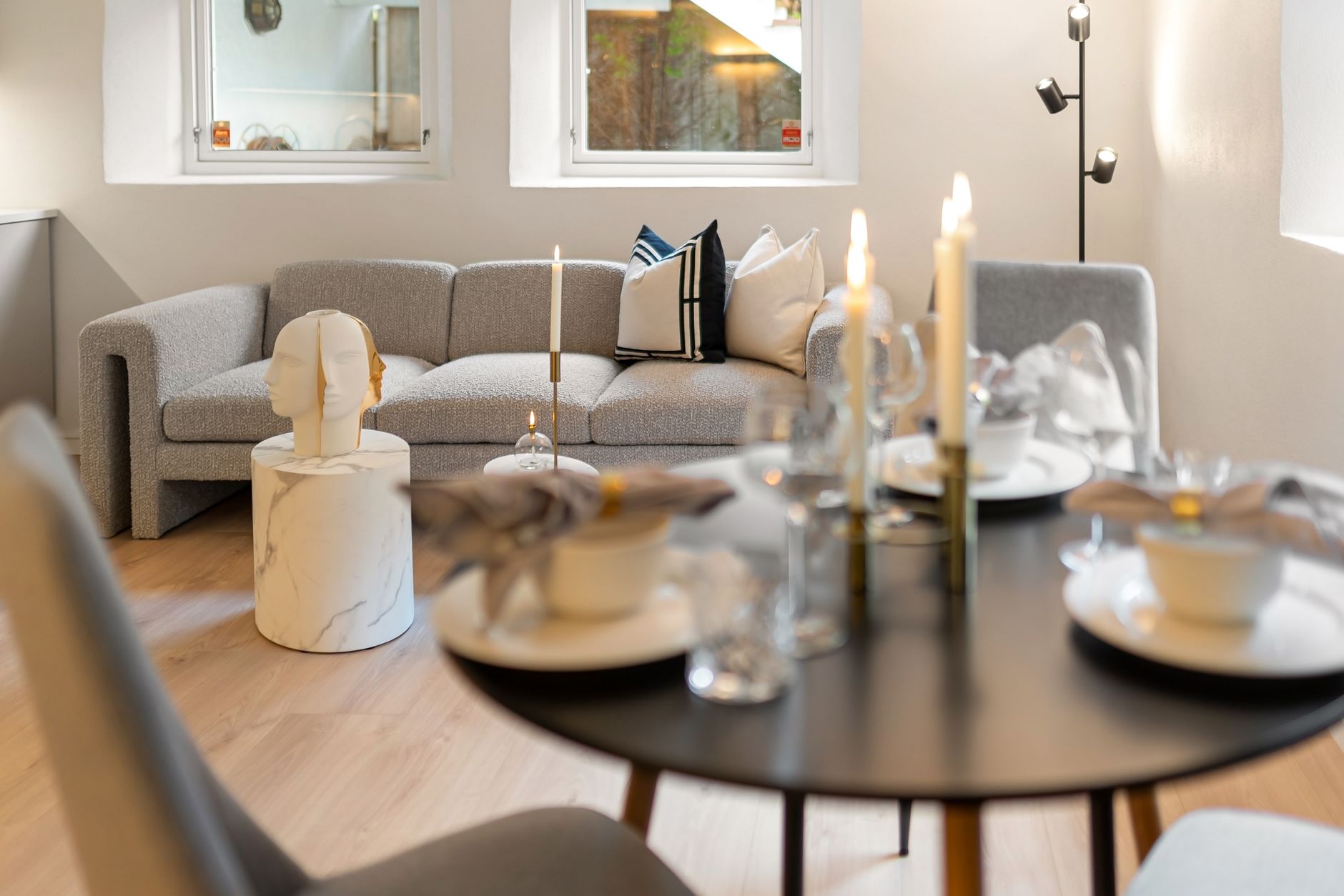
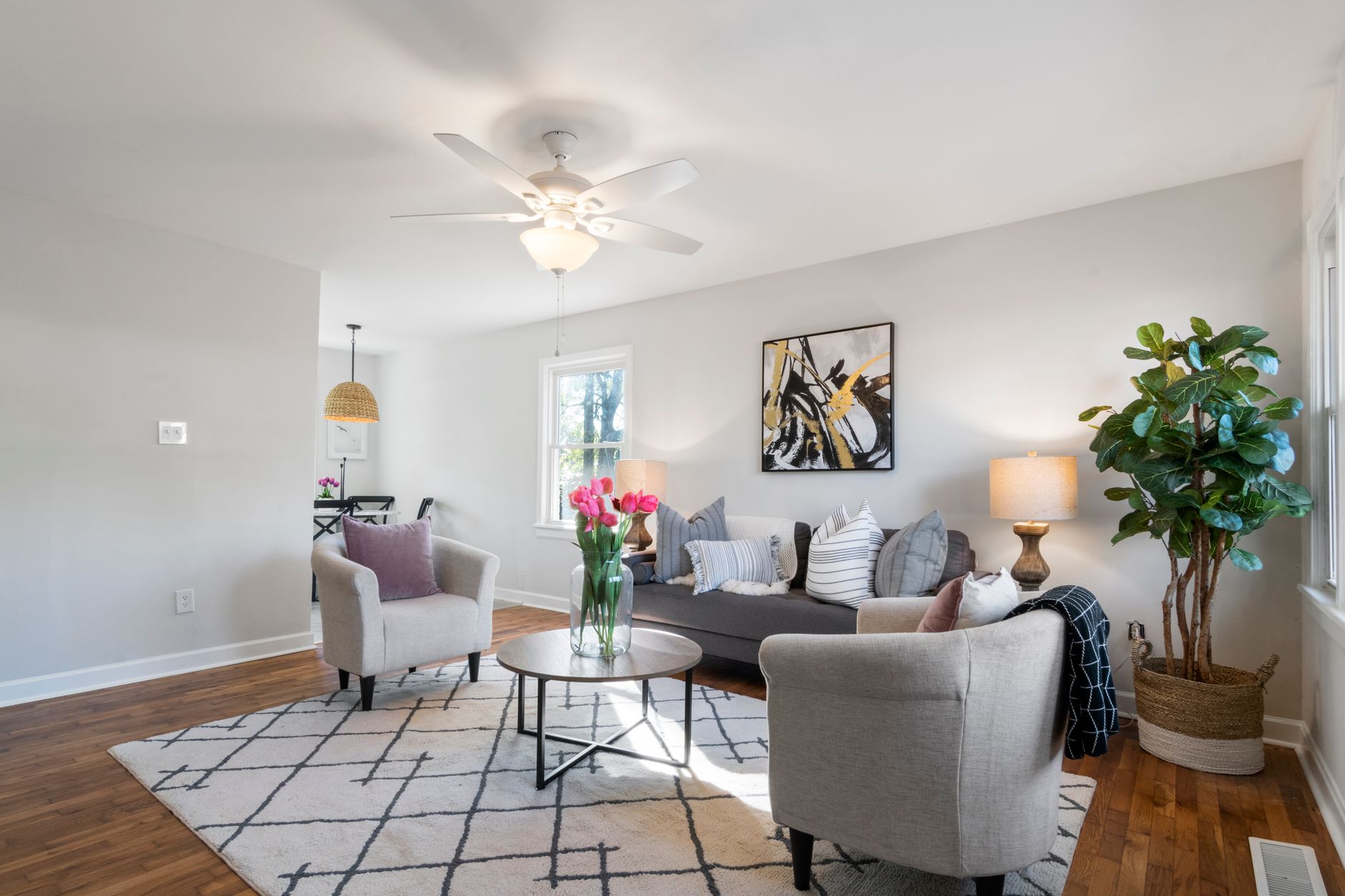
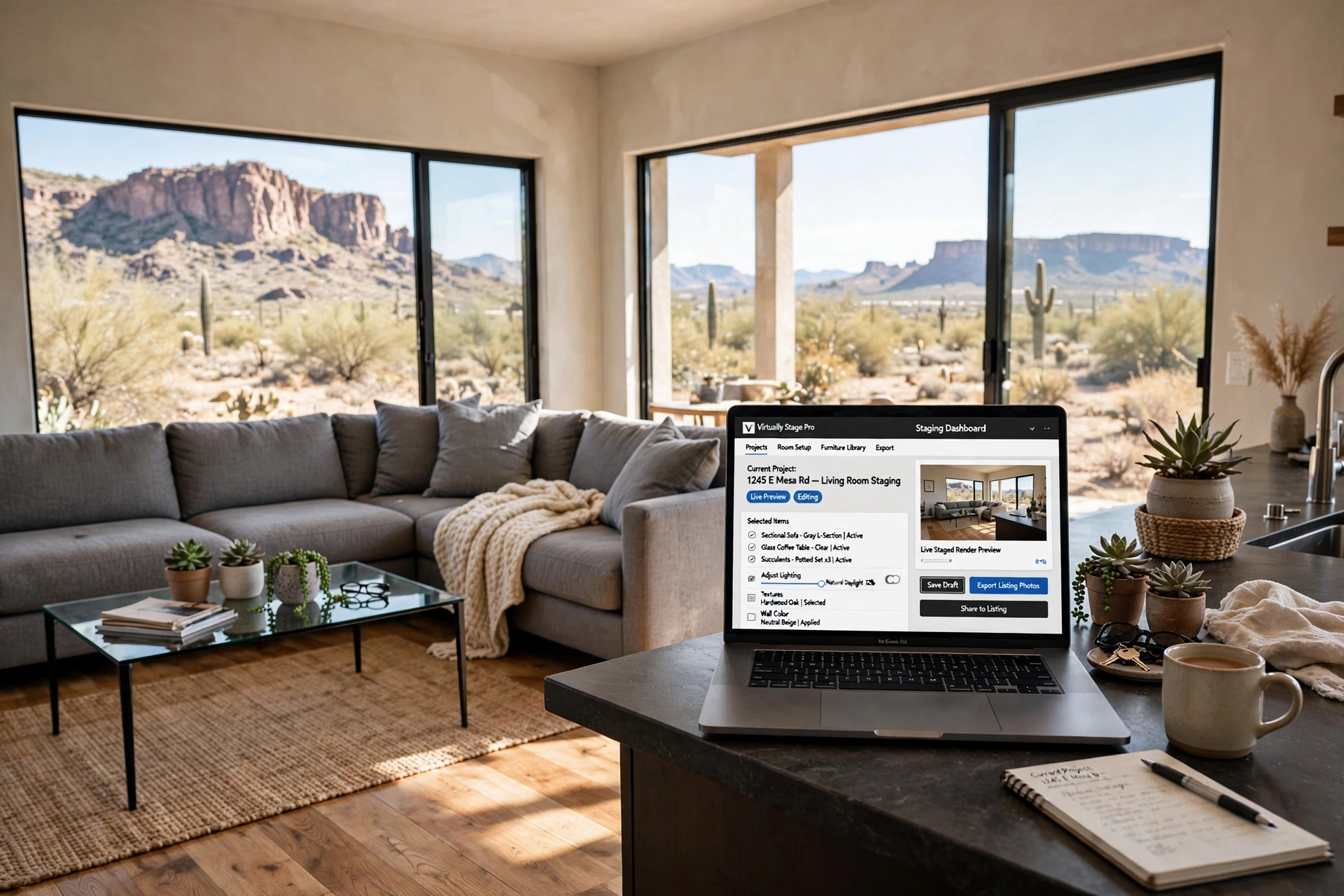
Empty homes in the East Valley often struggle to capture the imagination of buyers, leading to longer days on market and stagnant offers. The most effective way to solve this is through virtual furniture staging in Mesa, a process where professional designers use artificial intelligence and computer vision to digitally place high-end furniture into empty rooms. This allows potential buyers to visualize the scale and potential of a space without the massive overhead of physical staging. For those managing listings in Mesa's competitive residential market, this technology transforms a cold, empty shell into a warm, inviting home that commands a higher premium.
Why Are Mesa Real Estate Professionals Adopting Virtual Staging?
The real estate landscape in Mesa is shifting toward a digital-first discovery process. In my experience working with Arizona-based agencies, the pattern is clear: buyers are making their first "emotional" decision based on the Multiple Listing Service (MLS) photos before they ever step foot on the property. If a home appears empty and sterile, the buyer spends their time calculating if their oversized sectional will fit, rather than imagining their life in the space. This mental friction leads to faster scrolling and fewer showings.
According to a report by the National Association of Realtors, staged homes generally sell faster and for more money than non-staged homes. In the Mesa market, where architectural styles range from mid-century ranch to modern suburban builds, the ability to pivot the "vibe" of a home to match the target demographic is a massive competitive advantage. For instance, a home near the Mesa Riverview area might appeal to young professionals who prefer a minimalist, industrial aesthetic, while a property in the foothills might require a more traditional, rustic approach.
Furthermore, the economic efficiency of this transition is backed by global trends. Research from Gartner indicates that AI-driven visual content is seeing a massive surge in adoption across high-value sales industries because it reduces the cost of customer acquisition. By implementing virtual staging, Mesa agents avoid the logistical nightmare of renting furniture, coordinating deliveries, and paying monthly staging fees that eat into the final commission. In 2026, waiting two weeks for a physical staging company to install a sofa is a liability; getting a market-ready listing in 12 seconds via AI is the new standard.
What Are the Key Benefits of Virtual Furniture Staging for Mesa Listings?
Virtual staging provides a strategic bridge between an empty property and a sold one. The primary benefit is the removal of a psychological barrier: the "empty room syndrome." When a buyer walks into an empty room, they often perceive it as smaller than it actually is. By placing digitally rendered furniture, you provide a sense of scale that helps the buyer understand the utility of the square footage.
Accelerated Time-to-Market
Traditional staging involves a lengthy process of selecting a package, scheduling a delivery, and hoping the furniture arrives without damage. This often delays the official listing date. With virtual staging, you can have a complete set of professional visuals ready for the MLS within minutes of the photoshoot. This speed is essential in a market like Mesa, where timing a listing with seasonal buyer surges can mean the difference of thousands of dollars in the final sale price.
Hyper-Targeted Buyer Personas
Unlike physical staging, where you are locked into one style for the duration of the lease, virtual staging allows you to A/B test different aesthetics. You can showcase the same living room in a "Modern Organic" style for one set of photos and a "Traditional Luxury" style for another. This versatility ensures the property appeals to the widest possible demographic without any additional physical labor.
Significant Cost Reduction
Physical staging in Arizona can cost anywhere from $1,000 to $5,000 per month depending on the size of the home. For properties that may sit for 30 to 60 days, these costs accumulate quickly. Virtual staging reduces this cost to a fraction of the price per image. When we analyze the ROI, the cost per lead is significantly lower because you are attracting a higher volume of qualified buyers who are already emotionally invested in the layout.
| Feature | Traditional Physical Staging | Generic AI Filters | RealVisionAI Professional Staging |
|---|---|---|---|
| Setup Time | 1-2 Weeks | Instant | 12 Seconds |
| Cost | High Monthly Rental | Low/Cheap | Scalable & Affordable |
| Visual Quality | Realistic (Physical) | Often "Cartoonish" | Photorealistic & Accurate |
| Flexibility | Low (Fixed Furniture) | High (But Unrealistic) | High (Curated Styles) |
💡
Key Takeaway
Virtual staging isn't just about making a room look "pretty"; it is a psychological tool that establishes scale and emotional connection, directly reducing the number of days a property spends on the market.
Real-World Examples of Virtual Staging Success in Mesa
To understand the impact of this technology, let's look at two distinct scenarios I've encountered while helping agents in the East Valley optimize their digital marketing strategies.
Case Study 1: The Vacant Mid-Century Modern Ranch
An agent in Mesa had a 3-bedroom ranch that had sat empty for 45 days. The rooms were spacious but lacked definition, and buyers were complaining that the house felt "cold." We implemented a virtual staging strategy focusing on a "Desert Modern" aesthetic—incorporating neutral tones, leather accents, and greenery. After updating the MLS photos with these virtual visuals, the property received six offers within the first 72 hours, eventually selling for 4% above the asking price. The buyers specifically mentioned that the photos helped them realize how they could arrange their own furniture in the uniquely shaped living area.
Case Study 2: The Luxury New Build in East Mesa
A developer had a series of luxury spec homes that were structurally finished but completely empty. Traditional staging for five different homes would have cost tens of thousands of dollars. Instead, they used virtual furniture staging to create a consistent brand look across all properties. By showcasing a high-end, minimalist lifestyle through digital imagery, they increased their click-through rate on Zillow and Redfin by 110%. The developer was able to maintain a cohesive visual identity across all listings without the logistical nightmare of moving furniture between houses.
How Do You Get Started with Virtual Furniture Staging in Mesa?
Transitioning to a virtual-first visual strategy is simpler than most agents think. The goal is to move from raw capture to a market-ready listing as efficiently as possible.
📚
Definition
Computer Vision is a field of artificial intelligence that enables computers and systems to derive meaningful information from digital images, videos, and other visual inputs, allowing AI to understand the perspective and depth of a room for accurate furniture placement.
Step 1: High-Quality Baseline Photography
Everything starts with the photo. You cannot stage a blurry or dark image. Use a wide-angle lens and ensure you have plenty of natural light. If the sky is grey or the grass is brown (a common Mesa problem in the summer), use AI sky replacement and grass restoration first to make the exterior inviting.
Step 2: Identify the Target Buyer
Before choosing furniture, ask: Who is buying this home? Is it a first-time buyer, a retiree moving to Arizona, or a growing family? This decision dictates whether you choose a "Scandinavian Minimalist" look or a "Traditional Family" setup.
Step 3: Deploy Professional AI Staging
This is where most people fail by using cheap, generic apps that make furniture look like it's floating. I recommend using RealVisionAI Blog - AI Real Estate Photography & Virtual Staging. Their platform is designed specifically for real estate professionals, providing photorealistic results in roughly 12 seconds. They handle the complex perspective and lighting calculations that make the furniture look like it is actually sitting on the floor rather than being pasted on top of the image.
Step 4: Integrate into your Digital Marketing
Once you have the staged images, don't just upload them to the MLS. Use them in your social media reels, email blasts to your buyer network, and on your website. The consistency between the staged photo and the property description creates a narrative of a "ready-to-move-in" home.
Common Objections to Virtual Staging and the Data-Backed Truth
Despite the clear benefits, some agents and homeowners remain hesitant. Usually, these objections stem from outdated information or a misunderstanding of how modern AI works.
Objection 1: "It's Misleading to the Buyer"
Many believe that if the house is empty in person, the photos are a lie. In reality, staging is a tool for visualization. Most buyers admit they cannot imagine a space without a reference point. According to research from Harvard Business Review on the psychology of consumer choice, providing a conceptual model (like a staged room) reduces cognitive load and increases the likelihood of a positive decision. It isn't about deceiving the buyer; it's about helping them see the potential.
Objection 2: "It Looks Fake or Unnatural"
This objection was valid five years ago. Early virtual staging looked like a 2000s video game. However, the integration of advanced computer vision and generative AI has changed the game. Professional tools now calculate shadows, ambient occlusion, and reflections in real-time. When done correctly, a trained eye can barely tell the difference between a physical sofa and a virtual one.
Objection 3: "It's Too Expensive for Small Listings"
People often compare virtual staging to the cost of a single physical chair. But you must compare it to the cost of vacancy. Every day a home sits empty in Mesa, the owner is paying mortgage, insurance, and utilities. If virtual staging reduces the time on market by even one week, it has paid for itself ten times over. The cost of a few professional AI images is negligible compared to the cost of a property that won't sell.
Frequently Asked Questions
Does virtual furniture staging actually increase the final sale price in Mesa?
Yes, it frequently does. By presenting a home as a finished product rather than a project, you attract a higher tier of buyers who are looking for a turnkey experience. When buyers can visualize a luxury lifestyle within the walls of the home, they are less likely to haggle over small cosmetic flaws and more likely to make a competitive offer based on the perceived value of the space. In the Mesa market, a well-staged home often commands a premium because it stands out against the sea of sterile, empty listings on the MLS.
How long does the process take compared to traditional staging?
The difference is staggering. Traditional staging requires days of planning, scheduling, and physical installation, often taking a week or more to be "camera ready." With a professional AI solution like RealVisionAI Blog - AI Real Estate Photography & Virtual Staging, the process takes seconds. Once you upload your photo, the AI analyzes the room's dimensions and lighting, places the furniture, and renders the final image almost instantly. This allows agents to pivot their strategy in real-time without waiting for a moving truck.
Can I use virtual staging for commercial properties or just residential?
Virtual staging is incredibly effective for both. In commercial real estate—such as office spaces or retail storefronts in downtown Mesa—it is even more essential. Large, open commercial shells are notoriously difficult for clients to visualize. Using virtual staging to show how an open warehouse could be partitioned into a modern co-working space or a boutique gym provides a tangible value proposition that a blank white room simply cannot convey. It transforms a structural asset into a business opportunity.
Will the AI-generated furniture look realistic in different lighting?
Professional-grade AI uses a process called global illumination to ensure the furniture matches the existing light sources in the photo. If there is a bright window on the left side of your Mesa living room, the AI will cast shadows to the right and highlight the edges of the virtual furniture accordingly. This is why using a specialized tool is better than a generic filter; without proper lighting and shadow integration, the furniture looks like it is floating, which can actually hurt the perceived value of the listing.
Is it better to stage every room or just the main living areas?
For maximum impact, I recommend staging the "hero" rooms: the living room, the primary bedroom, and the kitchen/dining area. These are the spaces where buyers spend the most time imagining their daily lives. Staging every single closet or small bathroom can sometimes feel overkill and may actually distract from the main selling points. Focus your budget and effort on the areas that drive the emotional connection, and use clean, high-quality empty photos for the secondary spaces to maintain a balance of realism and aspiration.
Final Thoughts on Virtual Furniture Staging in Mesa
In the current 2026 real estate climate, the distance between a "listing" and a "sale" is measured by the quality of the first impression. Virtual furniture staging in Mesa is no longer a luxury add-on; it is a fundamental requirement for any agent or property manager who wants to remain competitive in the East Valley. By leveraging artificial intelligence to solve the problem of empty spaces, you are not just updating your photos—you are optimizing your conversion rate.
Stop letting potential buyers scroll past your listings because they can't imagine the layout. Transform your properties into high-converting assets that evoke emotion and drive action. For the fastest, most photorealistic results in the industry, experience the power of RealVisionAI Blog - AI Real Estate Photography & Virtual Staging. Get your listings market-ready in 12 seconds and start winning more mandates today.
Visit realvisionaire.com to elevate your visual strategy.
Recommended Readings
To deepen your understanding of these topics, we recommend reading the following articles:
- Virtual Furniture Staging in Atlanta
- Virtual Furniture Staging in Kansas City
- Virtual Furniture Staging in Sacramento
- When to Change Virtual Furniture Staging
Free Real Estate AI Visual Playbook 2026
Discover how top realtors boost listing engagement by 62% and close deals faster using AI photo enhancement and virtual staging.