
How Much Does Commercial Real Estate Photography Cost in 2026?
Pricing for commercial visual assets is rarely a flat fee because the scale of a warehouse or office complex differs fundamentally from a residential home. In 2026, professional commercial real estate photography typically ranges from $250 to $1,500 per project, with high-end architectural shoots for luxury commercial assets often exceeding $3,000. These costs vary based on the square footage, the number of required angles, and whether you include advanced deliverables like drone footage or 3D tours.
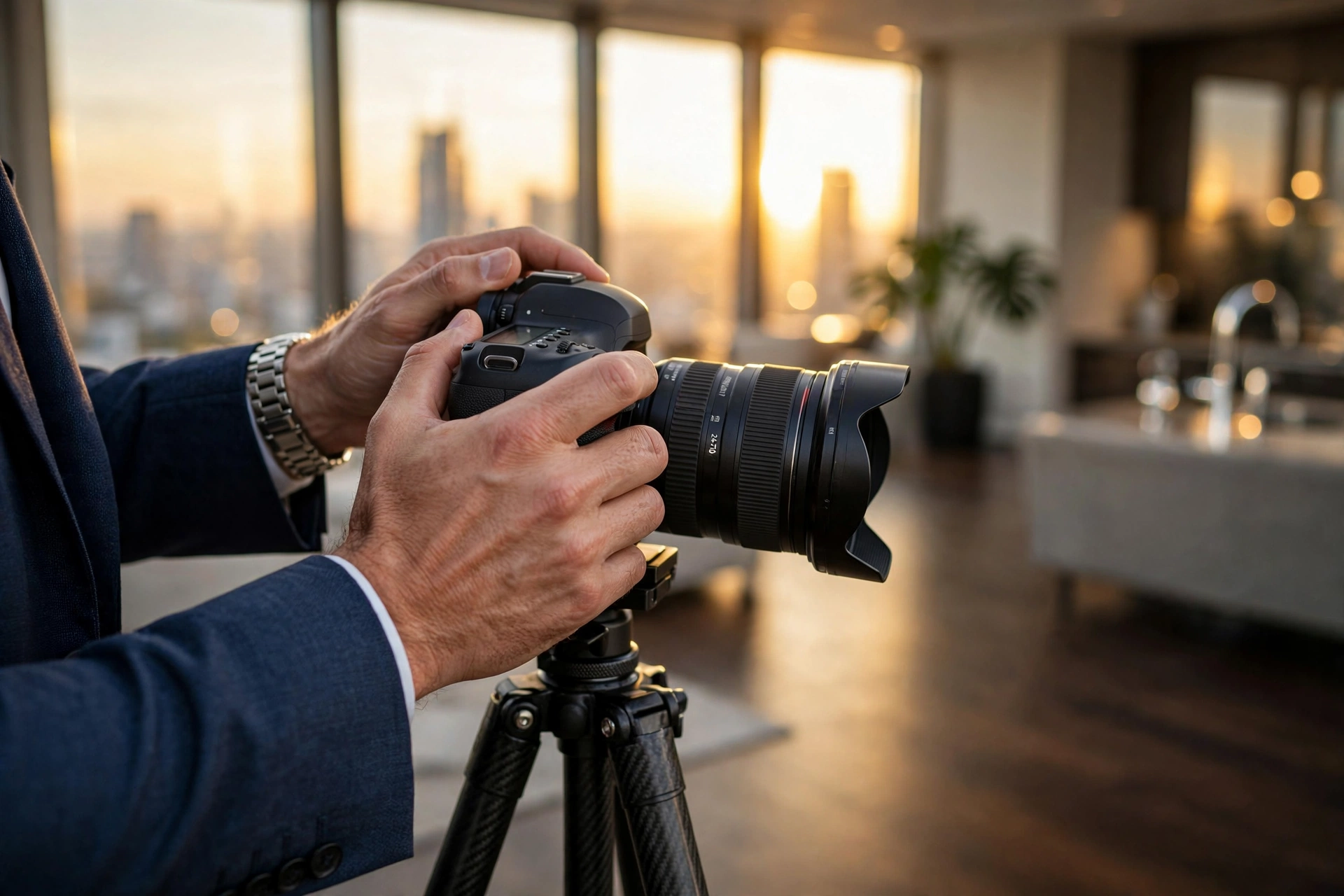
The mistake I made early on—and that I see constantly with new developers—is equating "commercial" with "residential" pricing. Attempting to hire a standard home photographer for a 50,000-square-foot industrial park usually results in lighting failures and distorted perspectives. Commercial work requires specialized wide-angle lenses and advanced HDR blending to handle the massive light variances found in large open-concept spaces. For those looking to optimize their budget without sacrificing quality, integrating AI Property Enhancement Pricing Guide into the workflow can significantly reduce the cost of manual retouching.

Understanding the Pricing Structure of Commercial Real Estate Photography
To understand why prices fluctuate, we first have to define what is actually being purchased. Commercial photography is not just about "taking a picture"; it is about creating a visual asset that facilitates a high-value transaction.
📚
Definition
Commercial Real Estate Photography is the specialized process of capturing industrial, retail, or office properties using architectural techniques—such as vertical alignment and multi-exposure blending—to showcase the utility, scale, and prestige of a commercial asset.
Most photographers use one of three pricing models: the per-image rate, the day rate, or the package rate. The per-image rate is common for smaller retail spaces, where you might pay $30 to $75 per edited photo. However, for larger commercial assets, the day rate is the industry standard. In my experience working with commercial brokers, a professional day rate typically falls between $600 and $1,200, which usually covers the shoot and a set number of deliverables.
According to data from the Professional Photographers of America, the shift toward hybrid deliverables—mixing traditional stills with AI-enhanced visuals—has stabilized pricing while increasing the perceived value of the assets. The reason for this is that "raw" commercial photos often look cold or sterile. The value is added in the post-production phase, where color grading and object removal occur. If you are scaling a large portfolio, exploring the Key Benefits of AI Property Enhancement for Real Estate can help you understand how to maintain a consistent look across multiple properties without paying a premium for every single edit.
The complexity of the property also dictates the price. A "white box" retail space is simple to shoot, but a functioning factory with complex machinery and poor overhead lighting requires a level of expertise that commands a higher fee. The photographer must manage "mixed lighting" (the clash between orange sodium lamps and blue daylight), which requires significant time in post-production to neutralize.
Why High-Quality Visuals Directly Impact Commercial Asset Value
In the commercial sector, a listing is often the first "inspection" a tenant or buyer performs. If the photography is subpar, the asset is perceived as poorly maintained, regardless of the actual condition of the HVAC or roofing systems. This is a psychological trigger: visual quality is subconsciously linked to operational quality.
Research from Gartner indicates that B2B buyers are increasingly relying on "digital-first" discovery phases, where 70% to 80% of the buying journey is completed before a human ever steps foot on the property. If your commercial real estate photography fails to capture the scale or the "vibe" of the space, you are effectively filtering out high-quality leads before the first phone call.
The financial implications are measurable. A property that looks "market-ready" can command a higher price per square foot. For example, a vacant warehouse that has been virtually staged to look like a modern fulfillment center can attract a different class of tenant, potentially increasing the rental yield by 10-15%. This is why investing in Real Estate Visual Marketing: The 2026 Guide to AI-Driven Sales is no longer optional; it is a core component of the asset management strategy.
Furthermore, the cost of "bad" photography is not just the money spent on the shoot, but the "days on market" (DOM) increase. According to a report by the National Association of Realtors, listings with professional-grade imagery move significantly faster than those with amateur photos. In the commercial world, where a single month of vacancy for a large office floor can cost thousands in lost revenue, the ROI of a $1,000 photo shoot is realized almost instantly.
Practical Application: How to Optimize Your Visual Budget
The most efficient way to handle commercial photography in 2026 is to decouple the capture from the refinement. Instead of paying a photographer an exorbitant fee for "perfect" edits, many high-volume firms are now focusing on high-quality raw capture and utilizing AI for the heavy lifting.
Here is the step-by-step workflow I recommend for maximum ROI:
- The Raw Capture: Hire a professional for the on-site shoot to ensure correct geometry and lighting. Ensure they provide high-resolution files.
- The AI Layer: Use RealVisionAI Blog - AI Real Estate Photography & Virtual Staging to handle the "polish." This includes sky replacement (turning a grey Tuesday into a sunny afternoon) and grass restoration for industrial exteriors.
- Strategic Virtual Staging: For vacant commercial spaces, don't rent furniture. Use virtual staging to show potential uses (e.g., turning an empty shell into a co-working space).
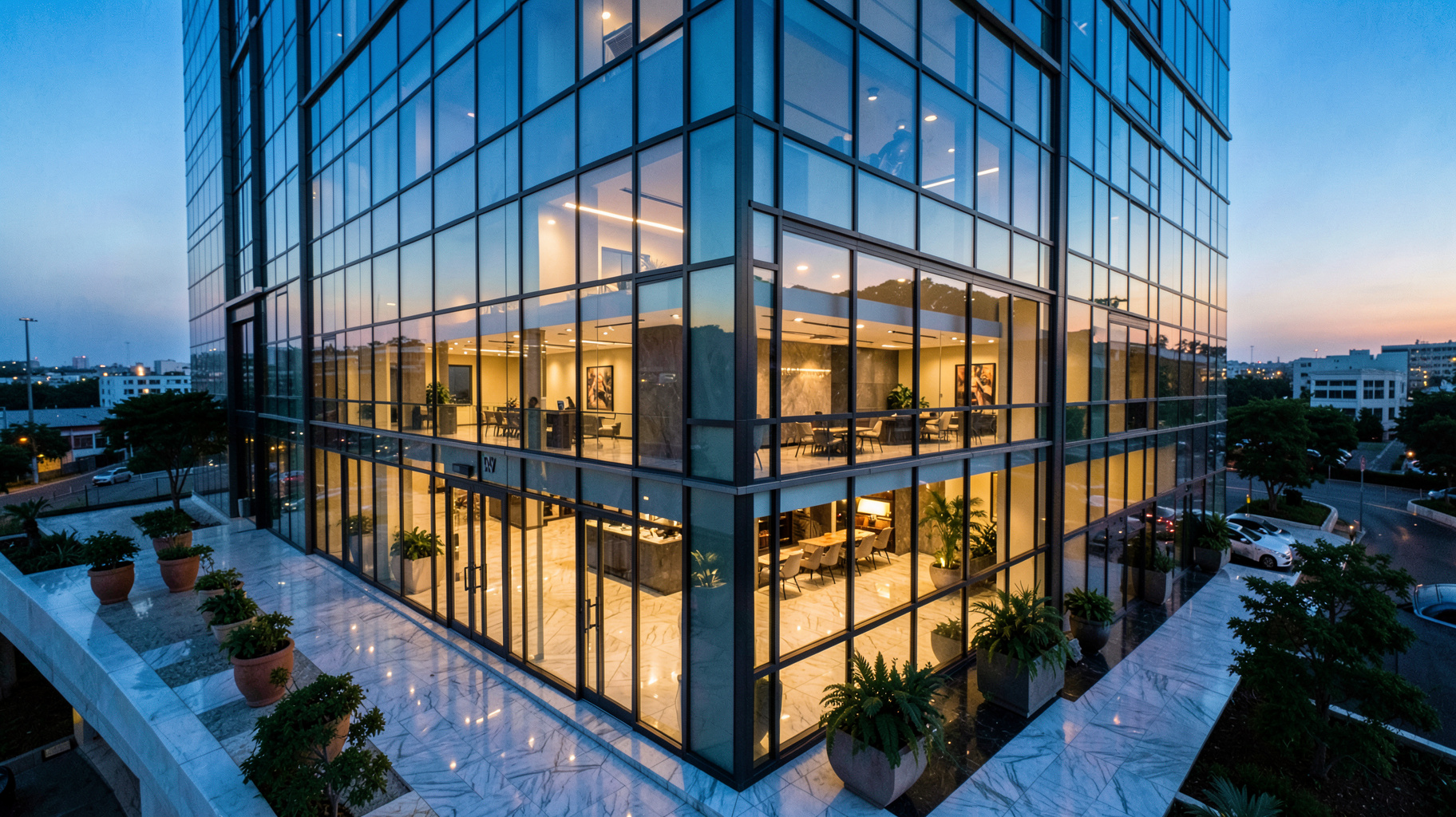
- Twilight Conversion: Instead of paying the photographer to come back at 6 PM for "golden hour" shots, use AI day-to-dusk conversion to create high-impact hero images.
💡
Key Takeaway
To minimize costs, invest in a high-quality initial shoot and leverage AI tools for post-production and staging rather than paying for multiple site visits or manual retouching.
By implementing this workflow, you can reduce your total expenditure by 30-50% while increasing the number of final deliverables. For those who aren't sure where to start, a Passo a Passo: AI Property Enhancement guide can help transition your legacy photography process into a modern, AI-driven pipeline.

Comparing Your Commercial Photography Options
Choosing the right approach depends on the value of the asset and the speed of the sale. You don't need a $5,000 architectural shoot for a small industrial unit, but you shouldn't use a smartphone for a Grade-A office tower.
| Option | Pros | Cons | Best For |
|---|---|---|---|
| Budget/Freelancer | Low cost, fast turnaround. | Risk of distorted lines, poor lighting, inconsistent quality. | Small retail shops, low-value rentals. |
| Specialized Agency | Top-tier quality, full service (drone, 3D, video). | High cost, slower delivery, rigid pricing. | Luxury commercial, corporate headquarters. |
| Hybrid AI Approach | Professional capture + instant AI polish, scalable. | Requires a separate tool for editing. | Portfolio management, mid-to-high end listings. |
The hybrid approach, specifically using tools like RealVisionAI Blog - AI Real Estate Photography & Virtual Staging, bridges the gap between "cheap and bad" and "expensive and slow." It allows brokers to get the "look" of a high-end agency at a fraction of the cost. If you are managing multiple properties, it is worth evaluating Is AI Property Enhancement Worth It? to see how it affects your bottom line over a fiscal year.
Common Questions and Misconceptions
Most guides on commercial photography get the "value" part wrong. They tell you to look for the cheapest price per photo. This is a dangerous strategy.
Myth 1: "I can just use a high-end smartphone."
In residential photography, a modern iPhone can sometimes suffice. In commercial work, it is a disaster. Smartphones have a "barrel distortion" that makes walls look curved and ceilings look like they are collapsing. Professional architectural photography requires "shift lenses" or software correction to keep vertical lines perfectly straight.
Myth 2: "Virtual staging is 'fake' and misleading."
Actually, in the commercial sector, virtual staging is a tool for visualization. A tenant doesn't want to see an empty concrete box; they want to see if their desks and conference rooms will fit. As long as it's labeled as "virtually staged," it is an essential part of the sales process. For more on this, check out Digital Staging Services: Scaling Real Estate Listings in 2026.
Myth 3: "The more photos, the better."
Quality beats quantity every time. 12 high-impact, AI-enhanced images that tell a story about the property's flow and light are far more effective than 50 mediocre shots of every corner of a parking lot.
Frequently Asked Questions
How much does commercial real estate photography cost per square foot?
While some photographers attempt square-footage pricing, it is uncommon because a 1,000-sq-ft luxury boutique requires more effort than a 1,000-sq-ft empty warehouse. Most professionals price by "project complexity" or "day rates." However, as a rule of thumb, expect to pay more for assets that require complex lighting or extensive virtual staging. If you are dealing with massive portfolios, using an AI Property Enhancement: Pricing and Value Guide can help you project costs across your entire inventory.
What is the difference between architectural photography and commercial real estate photography?
Architectural photography is focused on the art and design of the building, often used for portfolios or magazines. Commercial real estate photography is focused on marketability and utility. The goal is to make the space look appealing to a potential tenant or buyer, prioritizing the "flow" and "potential" of the space over pure artistic expression. This often involves more aggressive image editing and the use of virtual staging to demonstrate the property's potential.
How long does it take to receive the final edited photos?
Traditional photographers usually take 3 to 7 business days to return a gallery. This delay can be a deal-breaker in a hot market. This is where AI-driven workflows change the game. By using RealVisionAI Blog - AI Real Estate Photography & Virtual Staging, you can transform raw captures into market-ready visuals in seconds. This allows brokers to list properties almost immediately after the shoot, drastically reducing the time to market.
Should I pay extra for drone photography in a commercial package?
Absolutely. For commercial assets—especially industrial parks, retail centers, or large office complexes—the "context" is everything. A buyer needs to see the proximity to highways, the amount of parking, and the surrounding infrastructure. Drone photography provides this macro-perspective that ground-level shots cannot. Most photographers charge an additional $150 to $300 for a basic drone package, which is a high-ROI investment for any commercial listing.
Does AI-enhanced photography satisfy legal requirements for listings?
Yes, provided that the AI is used for "enhancement" rather than "deception." Changing a grey sky to blue or removing a piece of trash from a parking lot is standard practice and legally acceptable. However, removing a structural pillar or adding a window where one doesn't exist would be misleading. Using professional tools like RealVisionAI Blog - AI Real Estate Photography & Virtual Staging ensures that enhancements remain realistic and professional, maintaining the integrity of the listing.
Final Thoughts on Commercial Real Estate Photography
Investing in high-quality commercial real estate photography is not an expense; it is a capital improvement to your marketing strategy. In a digital-first market, the quality of your visuals is the primary filter that determines whether a high-value lead will book a tour or keep scrolling. Whether you choose a high-end agency or a hybrid AI approach, the goal remains the same: project professionalism, scale, and value.
To maximize your ROI in 2026, I suggest combining professional raw capture with the speed and precision of AI tools. This allows you to scale your visual content without exponentially increasing your budget. If you want to elevate your listings instantly, explore the tools available at RealVisionAI Blog - AI Real Estate Photography & Virtual Staging and start converting views into leases.
For a deeper look at how to optimize your overall presence, we recommend reading our guide on Property Listing Optimization: The 2026 Guide to Higher Conversion.
Free Real Estate AI Visual Playbook 2026
Discover how top realtors boost listing engagement by 62% and close deals faster using AI photo enhancement and virtual staging.