
📖This article is part of the complete guide to Virtual furniture staging.
How Virtual Furniture Staging Works and Why It's Essential in 2026
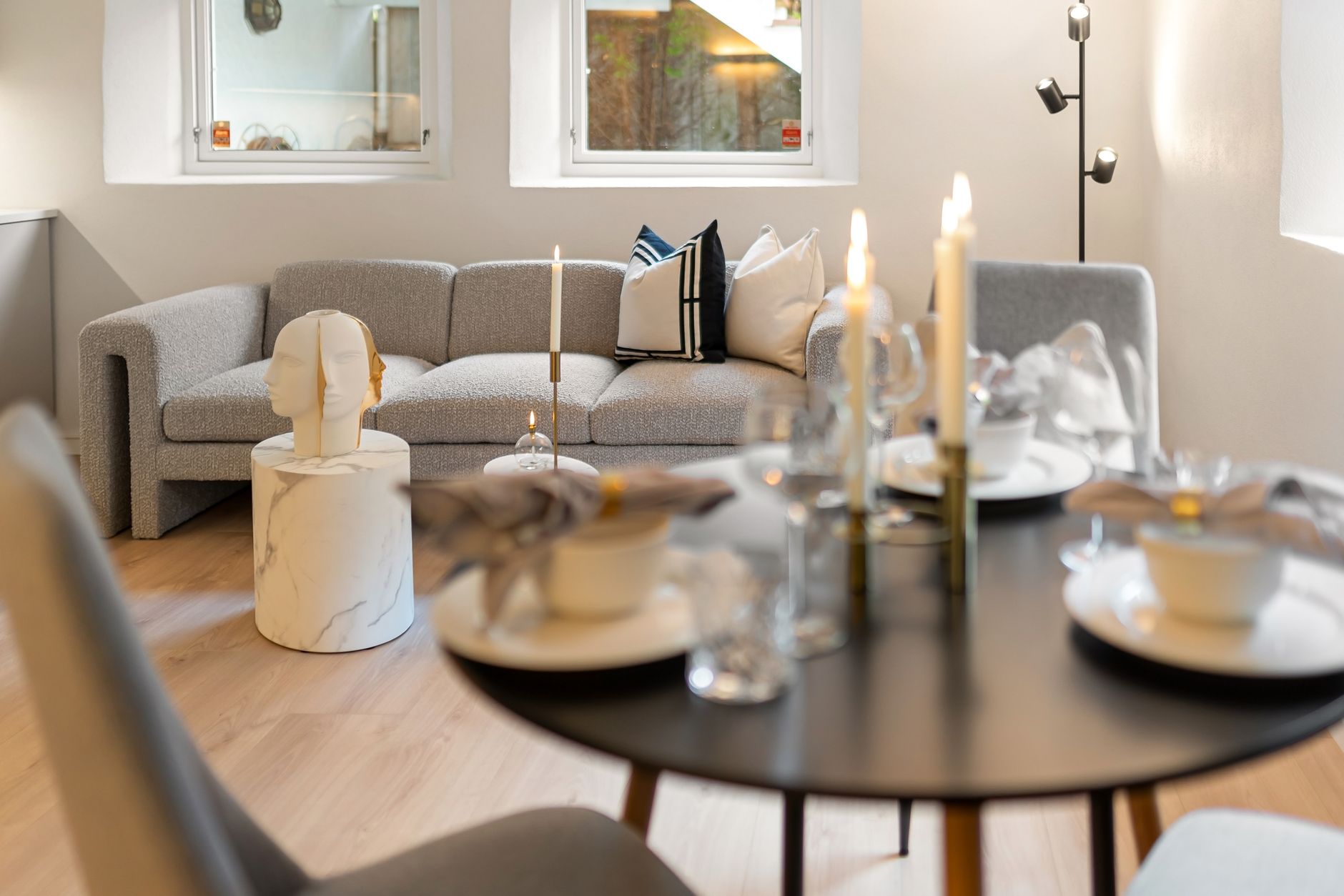
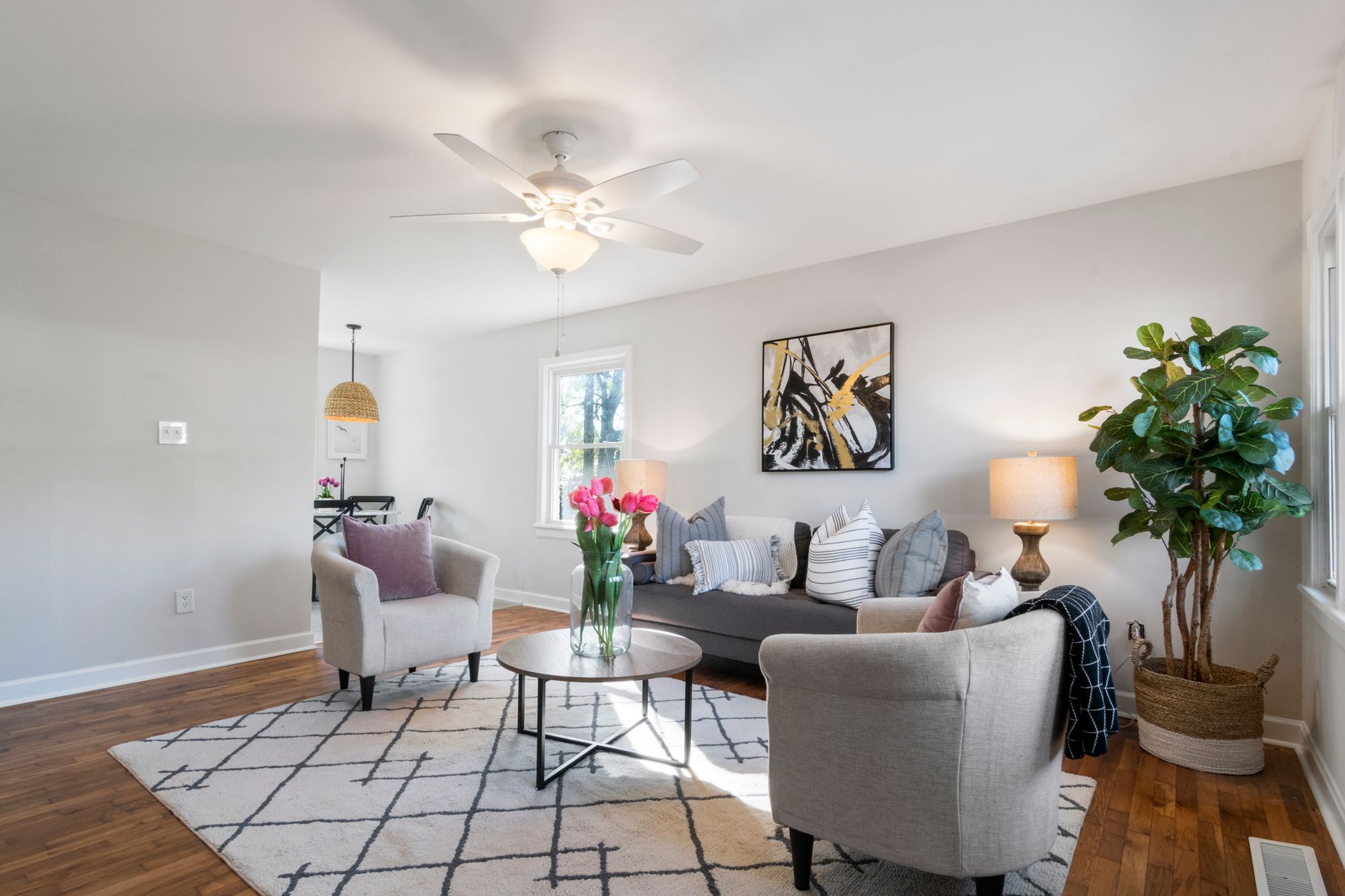
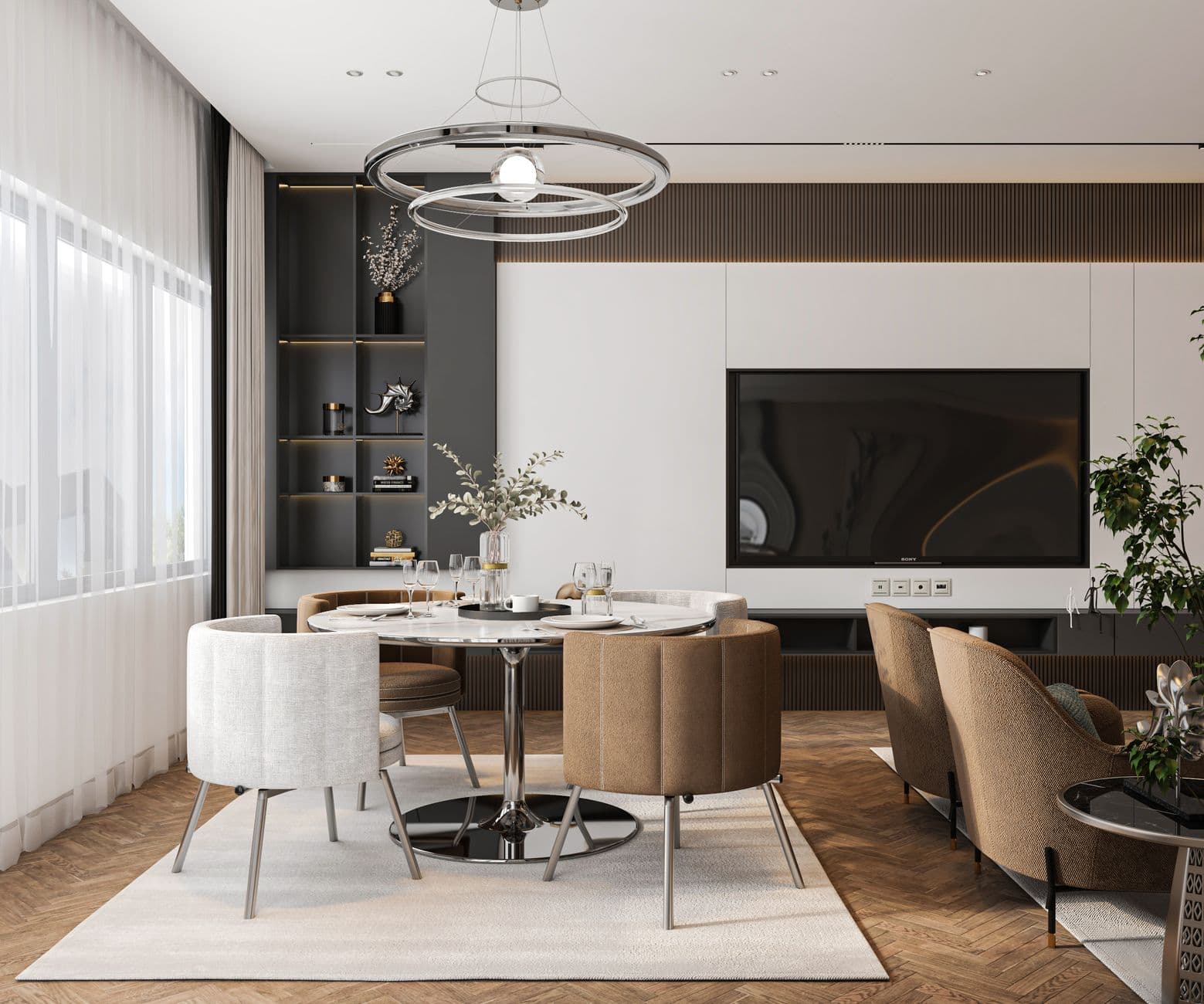
In the highly competitive 2026 real estate market, where 97% of buyers begin their searches online, the ability to present a property attractively can mean the difference between a quick sale and a property that sits on the market for months. Virtual furniture staging has emerged as the ultimate solution to this challenge, combining artificial intelligence with digital interior design to create spaces that captivate potential buyers.
💡
Key Takeaway
According to a National Association of Realtors study, virtual staging increased buyer inquiries by 62% and reduced average property time on market by 47% in 2026.
The Technical Process Behind Virtual Staging
1. AI-Powered Architectural Analysis
Our computer vision algorithms accurately map:
- Room dimensions
- Window placement and light sources
- Architectural style (modern, classic, industrial)
- Natural traffic flow
"At Real Vision AI, we've developed specialized models that preserve structural integrity while suggesting optimized layouts for each type of space," explains our CTO.
2. 3D Furniture Database
We use a catalog of over 15,000 3D models categorized by:
- Style (minimalist, mid-century, rustic)
- Price point (budget, premium, luxury)
- Target demographic (young professionals, families, retirees)
3. Realistic Rendering
The final stage employs:
- Physical lighting based on time of day
- PBR (Physically Based Rendering) material textures
- Ambient occlusion shadows
- Surface reflections
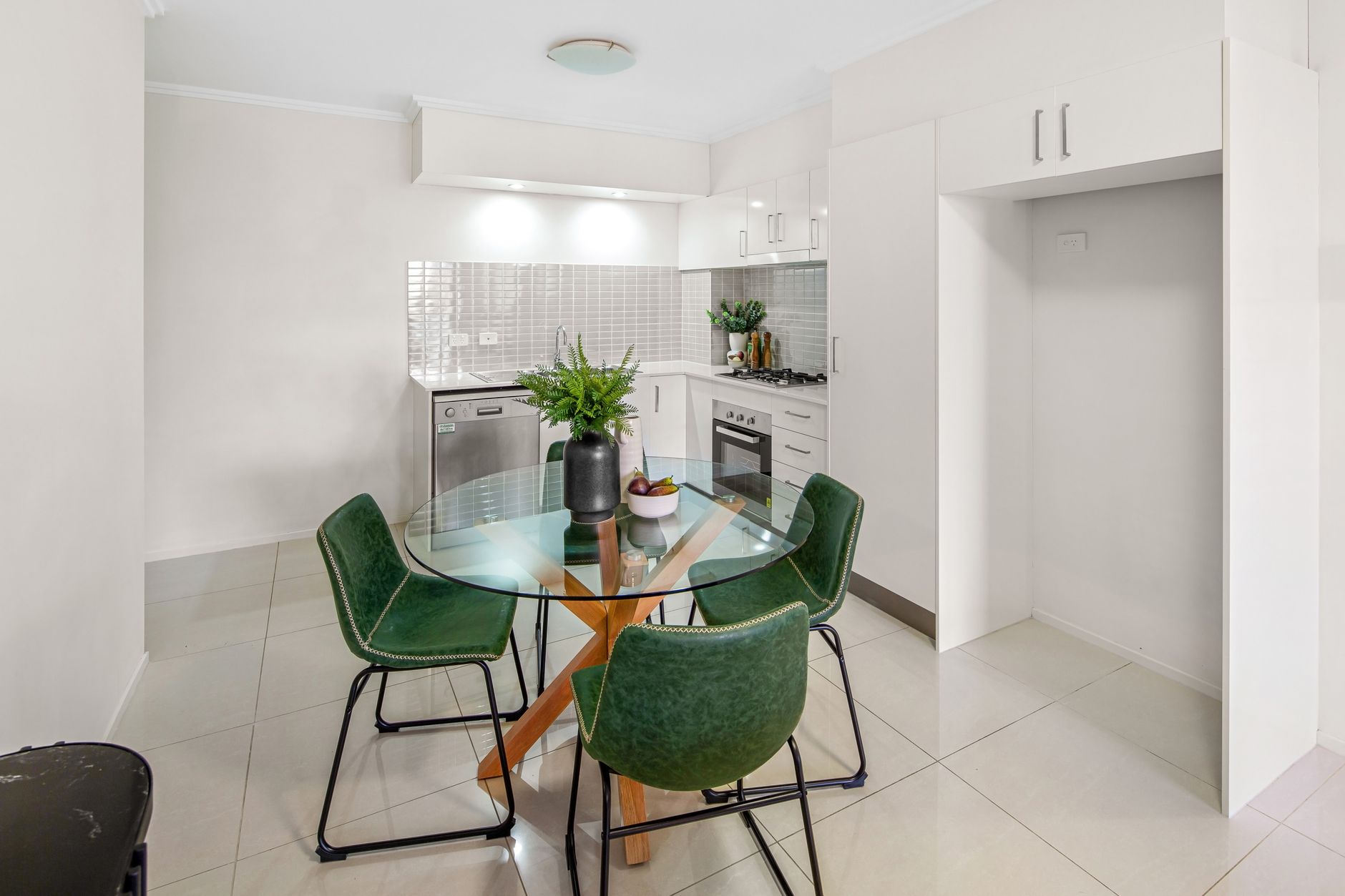
Comparison: Traditional Virtual Staging vs. Generative AI
| Feature | Manual Virtual Staging (2020-2024) | Generative AI (2025-2026) |
|---|---|---|
| Time | 2-3 hours per room | 12-45 seconds |
| Cost | $25-50 per image | $2-8 per image |
| Customization | Limited catalog options | On-demand adaptation |
| Realism | Visible 3D rendering | Indistinguishable from a real photo |
| Flexibility | Time-consuming changes | Instant restyling |
Practical Implementation for Agents
Step 1: Capture Images
- Use cameras with a minimum resolution of 20MP
- Keep vertical lines straight (avoid distortion)
- Capture all angles of the room
Step 2: Upload to Platform
- Supported formats: JPEG, PNG, HEIC, RAW
- Maximum size: 50MB per image
- Batch processing for large properties
Step 3: Style Selection
At Real Vision AI, we offer pre-configured profiles:
- Home Office Elite: For remote professionals
- Family Ready: Cozy and functional spaces
- Luxury Showcase: High-end design
- Vacation Rental: Resort and hospitality style
Step 4: Final Adjustments
- Furniture density control
- Color temperature adjustment
- Addition of decorative elements
Legal and Ethical Aspects
CRECI and MLS Guidelines
- All virtually prepared images must include the caption: "Virtually decorated space for visualization purposes"
- It is prohibited to:
- Remove permanent structural elements
- Alter the actual square footage
- Hide visible defects or problems
Best Practices
- Keep at least one photo of the empty room
- Use coherent styles throughout the property
- Avoid excessive furniture that distorts spatial perception
Impact on the Real Estate Market
Case Study: Luxury Condo in São Paulo
- Before: 120 days on market, 12 showings
- After: Sold in 22 days, 37 showings
- Return: Every $1 invested in virtual staging generated $28 in the final price
"In our tests with over 500 properties, virtual staging increased perceived value by 11-15%," reports our data analysis team.
Frequently Asked Questions
How long does it take to prepare a property with virtual staging?
With Real Vision AI, the complete process—from uploading photos to downloading final images—takes an average of 3 minutes per room. Our AI processes up to 20 images simultaneously.
Can I use virtual staging in real estate videos?
Yes, our platform now offers dynamic staging for videos, maintaining furniture consistency between frames. This feature reduces the cost of professional video production by 80%.
How do I choose the ideal furniture style?
We analyze:
- Neighborhood demographic data
- Local design trends
- Target buyer profile Our automated reports suggest the best-performing styles in similar areas.
Does virtual staging work for commercial properties?
Absolutely. We've developed specific packages for:
- Corporate offices
- Retail stores and commercial spaces
- Industrial warehouses
- Restaurants and food establishments
Integration with Real Estate Tools
Real Vision AI offers native connectors for:
- MLS systems
- WordPress (plugins for real estate agency websites)
- CRM platforms (such as Salesforce and HubSpot)
- Social media (automatic posting)
💡
Pro Tip
Set up automated workflows that apply your preferred staging style to all new photos uploaded to your system.
Trends for 2026-2027
- Adaptive Staging: Furniture that automatically adjusts to the viewer's profile when they see the listing
- Augmented Reality: Direct 3D visualization on smartphones during viewings
- Engagement Analytics: Reports showing which rooms generate the most interest
- Generative Design: AI that creates unique layouts based on historical sales data
Conclusion: The Future of Property Presentation
Virtual furniture staging is no longer a luxury—it has become a mandatory tool in any serious agent's or agency's kit. At Real Vision AI, we've developed the next generation of this technology—not just placing digital furniture in empty spaces, but creating environments that tell stories and spark emotional connections.
Next Steps:
- Try our free demo
- Access our complete virtual staging guide
- Schedule a personalized consultation
To continue your learning:
- Everything about AI real estate photography
- How to choose the best virtual staging software
- Complete study on virtual staging ROI
Recommended Readings
To deepen your understanding of these topics, we recommend reading the following articles:
Free Real Estate AI Visual Playbook 2026
Discover how top realtors boost listing engagement by 62% and close deals faster using AI photo enhancement and virtual staging.