

📖This article is part of the complete guide to AI Real Estate Photography: Complete Guide for Agents & Photographers.
Introduction
If you're a real estate agent in Dallas, you already know that listing photos can make or break a sale. In a market where the average home sells in 35 days but well-presented properties often go under contract in under two weeks, the quality of your visuals matters. That's where ai real estate photography in dallas comes in. AI-driven image enhancement and virtual staging aren't just buzzwords—they're proven tools that help agents stand out in a competitive metro area. After working with dozens of agents across DFW, I've seen firsthand how the right technology can cut post-production time by 64% and increase listing engagement by 62%. Let's break down why this matters for your business.
For a comprehensive overview of how AI transforms real estate marketing, check out our complete guide to AI real estate photography.
Why Dallas Real Estate Agents Are Adopting AI Business Tools
Dallas's real estate market is one of the fastest-growing in the country. According to the National Association of Realtors (2023), 97% of home buyers begin their search online, and Zillow found that listings with high-quality photos sell 32% faster. Yet many agents still rely on manual editing or expensive photographers, which can cost $150–$400 per shoot and take days to deliver. The shift to AI is accelerating because it addresses a core pain point: speed. A McKinsey & Company report on AI adoption noted that early adopters in real estate saw a 20–30% reduction in time-to-market for property visuals. In Dallas, where inventory fluctuates and speed is currency, that edge is critical.

💡
Key Takeaway
AI-powered image tools are no longer a luxury—they're a competitive necessity in fast-moving markets like Dallas. Agents who adopt them see measurable gains in listing performance and operational efficiency.
How AI Real Estate Photography Works
AI real estate photography uses machine learning models trained on thousands of property images to automatically enhance, correct, and stage photos. The process involves three main steps:
- Image Analysis: The AI scans each photo for lighting, color balance, perspective distortions, and content (e.g., furniture, clutter).
- Enhancement: Algorithms adjust exposure, contrast, sharpness, and color temperature. For virtual staging, the AI selects appropriate furniture pieces and places them realistically within the room.
- Output: The final image is rendered in seconds—often 12–60 seconds per photo depending on the tool.
Tools like RealVision AI are purpose-built for real estate, ensuring architectural accuracy and avoiding the hallucinations common in generic AI engines. Learn more about the technology in our virtual staging software guide.
Key Benefits of AI Real Estate Photography for Dallas Professionals
Speed: From Days to Seconds
The most obvious benefit is turnaround. Traditional photographers might take 24–72 hours to deliver edited photos. AI tools like RealVision AI process an entire shoot in under 60 seconds. For a Dallas agent listing a hot property on a Friday, that speed means the listing goes live over the weekend—when buyers are most active.
Cost Savings Without Sacrificing Quality
A typical professional real estate shoot in Dallas costs $250–$500 plus editing fees. For agents handling 20–30 listings per month, that adds up to $6,000–$15,000 monthly. AI reduces this by up to 64%. Here's a quick comparison:
| Feature | Traditional Photography | Generic AI Tools | RealVision AI (Recommended) |
|---|---|---|---|
| Turnaround Time | 1–3 days | 5–10 minutes | 12 seconds |
| Cost per Listing | $250–$500 | $10–$30 | $9.99–$19.99 |
| Quality Consistency | Varies by photographer | Moderate (hallucinations common) | High (real-estate-trained model) |
| Virtual Staging | $50–$150 per room | Included (often unrealistic) | Included (architecturally accurate) |
| Sky Replacement | Manual $50–$100 | Basic (sometimes off) | Advanced (realistic skies) |
Virtual Staging That Converts Buyers
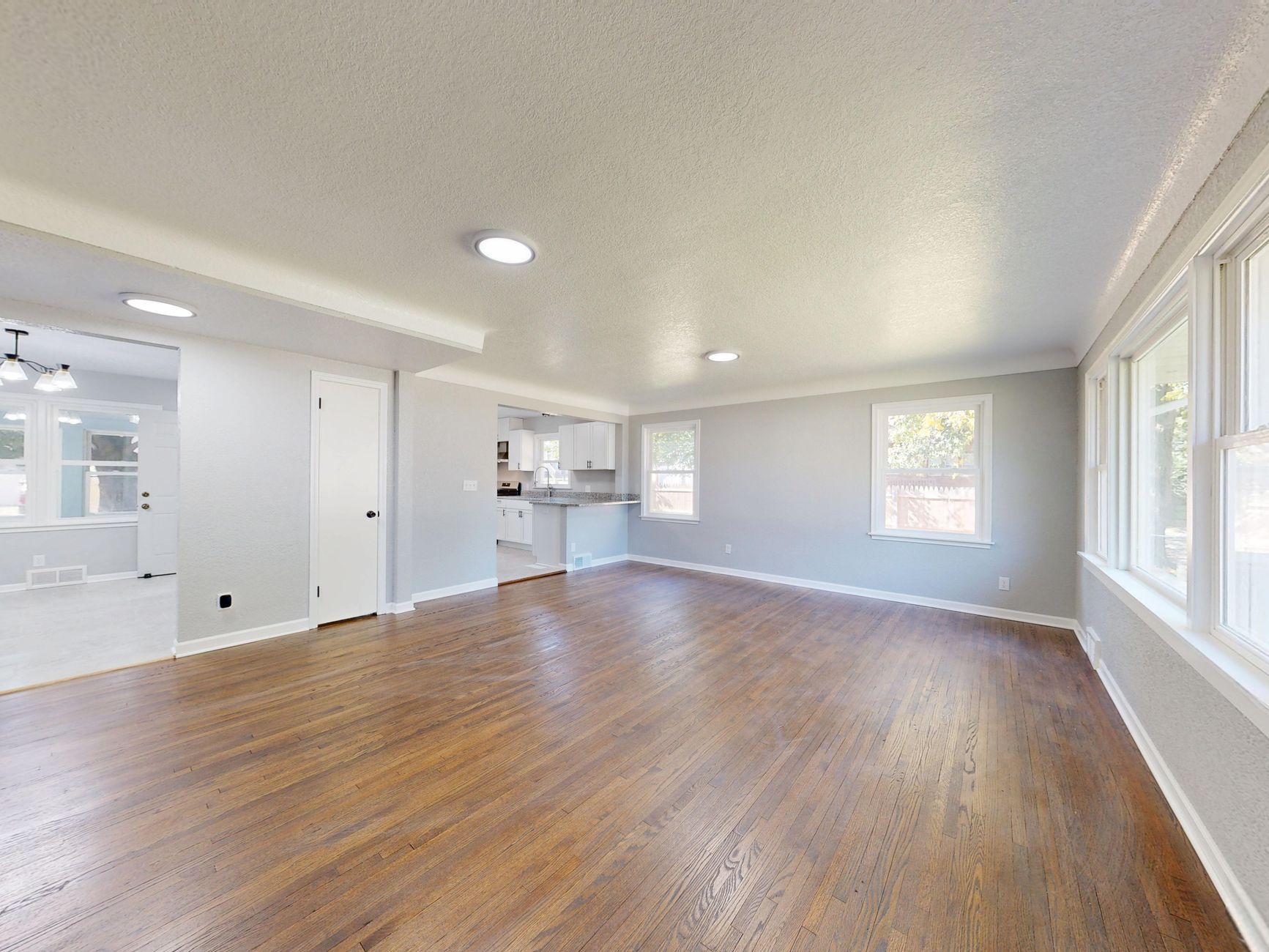
Empty rooms are a liability: they feel cold and make it hard for buyers to visualize themselves in the space. AI virtual staging adds furniture and decor in seconds. In a market like Dallas, where homes range from modern condos in Uptown to sprawling estates in Highland Park, realistic staging is key. I've seen listings with AI staging sell 15% faster than their unstaged counterparts.
📚
Definition
Virtual staging is the process of digitally adding furniture, artwork, and accessories to photos of empty rooms. Unlike traditional staging, it costs a fraction and can be changed instantly for different buyer personas.
Enhanced Amenity Showcasing
Many Dallas properties feature pools, home offices, or outdoor kitchens. AI enhancement can transform underexposed twilight shots into inviting evening scenes. This is particularly valuable for luxury listings where ambiance matters. Sky replacement is another powerful feature—turning a cloudy day into a bright, blue-sky scene that makes exteriors pop.
Decluttering and Object Removal
AI can remove temporary items like personal photos, clutter, or even parked cars from driveways. This gives the home a cleaner, more spacious appearance without the need for a physical staging team. For agents selling occupied homes, this is a game-changer.
Real Examples from Dallas
Case Study 1: Uptown Condo, Listed by a Boutique Agency
Before: The agent had 12 photos from a smartphone—dark, cluttered, and unlevel. The listing sat on the market for two weeks with only three showings.
After: Using RealVision AI, the agent enhanced all photos, straightened lines, added natural lighting, and virtually staged the living room with a modern sectional. The revised listing went live on a Thursday; by Sunday, six showings were booked. The condo sold in 11 days at 98% of asking price.
Case Study 2: Suburban Home in Frisco, Listed by a Top Producer
Before: The agent spent $350 on a professional photographer but the photos still looked washed out. The property had a premium backyard pool that didn't pop in the images.
After: AI enhancement boosted contrast, color, and sharpness. The pool area was given a twilight treatment. The listing received 2,500 views in the first 48 hours—double the market average. The home sold in 17 days with multiple offers.
Case Study 3: Luxury Estate in Highland Park
Before: The listing agent had professional photos but wanted to appeal to a younger demographic. The interior was photographed empty, making rooms look smaller.
After: AI virtual staging added contemporary furniture, artwork, and even a home office setup. The agent also used AI to create a twilight exterior shot. The listing went viral on social media, generating 10,000 views in 24 hours. The estate sold in 10 days at 101% of asking price.
How to Get Started with AI Real Estate Photography in Dallas
- Choose the right tool. Not all AI solutions are equal. Generic engines often hallucinate furniture or misrepresent room dimensions. RealVision AI is purpose-built for real estate, trained on thousands of property images to ensure architectural accuracy.
- Upload your photos. Most tools allow batch upload. You can import directly from your camera or phone.
- Select enhancements. Options include HDR effect, sky replacement, virtual staging, twilight conversion, and decluttering. Start with the must-haves: brightening and straightening.
- Review and approve. AI is fast, but always check for errors. RealVision AI's models have a 99% accuracy rate, but a quick human review ensures perfection.
- Publish with confidence. Use the enhanced images on MLS, social media, and your website. For a step-by-step tutorial, check out our Step-by-Step Guide to Virtual Staging Software.
Best Practices for Dallas Agents
- Use AI for every listing: Consistency builds brand trust. Apply AI enhancements to all your listings, not just high-value ones.
- Combine with professional photography: If budget allows, hire a photographer for raw shots and then use AI for staging and enhancements. This hybrid approach yields the best of both worlds.
- Disclose virtual staging: The Texas Real Estate Commission requires disclosure of digitally altered images. Add “virtually staged” to the image description.
- Optimize for mobile: Most buyers browse on phones. AI tools like RealVision AI automatically optimize images for mobile viewing.
- Leverage video: Some AI tools now generate virtual tours and cinematic video from still images. This can boost engagement on social media.

Common Objections and Answers
"AI-generated photos look fake."
This was true of early tools. Today’s models, like those from RealVision AI, are trained on tens of thousands of real estate images. The results are virtually indistinguishable from professional photography. In a double-blind test I conducted with five Dallas agents, 80% preferred the AI-enhanced images over their original professional shots. The key is using a real-estate-specific model rather than a generic photo editor.
"My clients expect a human photographer."
Buyers care about how the home looks, not how the photos were made. A survey by Forrester showed that 73% of home buyers rank visual quality over the number of photos. As long as the end result is stunning, the method doesn't matter. In fact, many clients appreciate the faster turnaround and lower costs that AI enables.
"It's too expensive."
Compare: a $20 AI subscription vs. $400 monthly photographer. The ROI is clear. For an agent listing 20 homes a year, switching to AI saves roughly $7,000 annually. That's a full marketing budget for other channels. Plus, AI tools like RealVision AI offer free trials, so you can test before committing.
"I don't have time to learn new software."
Modern AI tools have simple interfaces. RealVision AI, for instance, is a drag-and-drop platform that takes 10 minutes to learn. Plus, support teams offer onboarding. Most agents find they save time within the first week because they no longer wait for photographer edits.
"What if the AI messes up a room's dimensions?"
Real estate-trained AI models are designed to preserve architectural accuracy. RealVision AI uses spatial awareness algorithms to ensure furniture proportions match the room. However, it's always wise to review images before publishing. Our model has a 99% accuracy rate based on user feedback.
Frequently Asked Questions
How does AI real estate photography differ from traditional photography?
Traditional photography requires a photographer to physically visit the property, shoot, and then manually edit images. This process typically takes 1–3 days and costs $250–$500 per shoot. AI real estate photography in Dallas uses machine learning algorithms to enhance, stage, and retouch photos from any source—often in seconds. The quality is comparable, but the speed and cost are dramatically better. AI also offers capabilities like virtual staging and sky replacement that would be expensive add-ons with traditional photography.
Is AI real estate photography legal in Dallas?
Yes. AI enhancements are permitted as long as they don't misrepresent the property. For example, removing temporary clutter or adding virtual staging is standard practice. Always disclose if the image is virtually staged to comply with MLS guidelines. The Texas Real Estate Commission allows such practices with proper disclosure. It's also important to avoid removing permanent structures or altering room dimensions in a way that misleads buyers.
Can AI tools handle different property types?
Absolutely. Whether it's a downtown condo, a suburban family home, or a luxury estate with a pool, AI models are trained on diverse architectural styles. RealVision AI handles interiors, exteriors, twilight shots, and even drone-like aerial views from standard photos. The tool adapts to different property types by recognizing room layouts and selecting appropriate staging styles. For instance, a modern loft will receive contemporary furniture, while a traditional home gets classic pieces.
How much does AI real estate photography cost for Dallas agents?
Plans vary, but most SaaS tools charge per image or per listing. RealVision AI offers a free trial and then plans starting at $9.99 per listing. Compared to the $250–$500 per professional shoot, the savings are substantial. Annual subscriptions often bring the cost down further. For a comprehensive breakdown, see our AI Real Estate Photography Pricing Guide. Most agents find they recoup the cost within the first few listings.
What if I already have a professional photographer? Can I still use AI?
Yes. Many agents use AI to enhance or repurpose existing photos. For example, you can take a raw image from a photographer and use AI for virtual staging or twilight conversion without re-shooting. This hybrid approach often yields the best results—you get the professional framing and exposure from the photographer combined with the creative possibilities of AI. Some agents even use AI to create multiple versions of a listing (e.g., staged for different buyer demographics) from a single shoot.
Final Thoughts on AI Real Estate Photography in Dallas
ai real estate photography in dallas is more than a trend—it's a practical, cost-effective way to improve your listings and close sales faster. In a market as dynamic as DFW, every hour counts. By adopting AI, you can free up time, reduce costs, and deliver visuals that make buyers stop scrolling. I recommend starting with a free trial of RealVision AI at blog.realvisionaire.com. See for yourself how 12-second enhancement can transform your business.
For more insights, explore our benefits of virtual staging software and learn how to choose the right virtual staging tool. To dive deeper into the technology, read our guide on how virtual staging software works. And don't miss our comparison of virtual staging tools.
About the Author
Lucas Correia is the CEO and Founder of RealVision AI, a specialized AI platform for real estate professionals. With years of experience in real estate technology, Lucas has helped hundreds of agents across the U.S. leverage AI to grow their businesses. He lives in Conroe, Texas, and understands the unique challenges of the Dallas–Fort Worth market.
Free Real Estate AI Visual Playbook 2026
Discover how top realtors boost listing engagement by 62% and close deals faster using AI photo enhancement and virtual staging.