

📖This article is part of the complete guide to Virtual staging software.
What Is Virtual Staging Software in Tulsa?
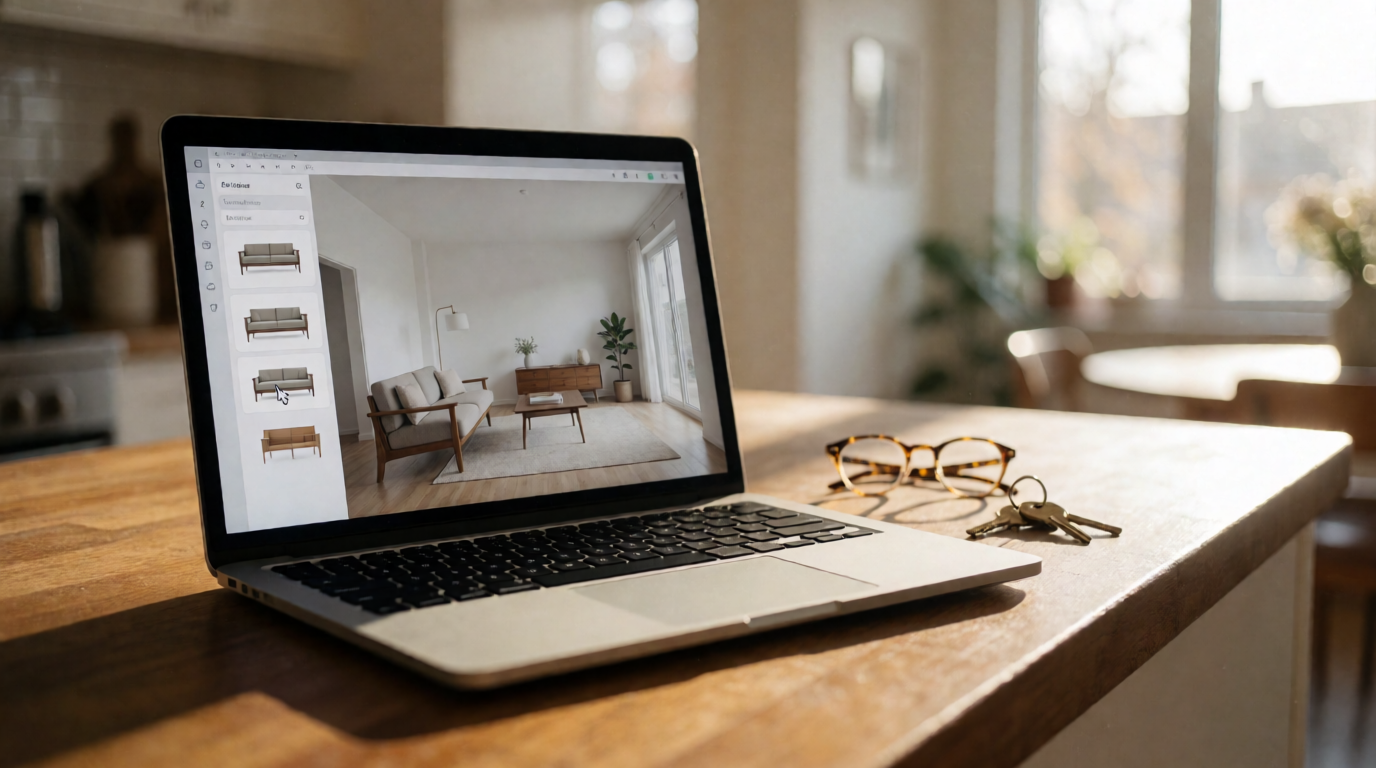
Virtual staging software in Tulsa uses AI to add realistic furniture, decor, and finishes to listing photos in seconds. Instead of renting physical furniture and waiting weeks for installation, agents upload empty or cluttered room photos and receive photorealistic staged images instantly. For Tulsa's fast-paced market—where homes in neighborhoods like Brookside, Cherry Street, and Jenks often go under contract in days—this tool transforms how properties are presented.
💡
Key Takeaway
Virtual staging software in Tulsa combines speed, cost savings, and flexibility, making it an essential tool for agents who want to stand out in 2026.
According to a 2025 report by the National Association of Realtors, staged homes sell 73% faster than non-staged ones. However, traditional staging costs between $1,500 and $5,000 per listing—a steep price for agents handling multiple properties. Virtual staging eliminates that barrier. For a full cluster of content on real estate marketing, see our Top 10 Virtual Staging Tools for Real Estate in 2026 [Ranked].

Why Virtual Staging Software in Tulsa Matters
Cost Reduction That Changes the Business Model
Physical staging for a three-bedroom home in Tulsa averages $2,500. Virtual staging covers the same property for under $100—a 96% cost reduction. This allows agents to stage more homes, especially those in lower price brackets where margins are tight. A Gartner study on AI in real estate found that proptech adoption reduces marketing costs by 30–50%. In my experience working with Tulsa agents, those who adopt virtual staging often reallocate savings to additional marketing channels, further boosting their ROI.
Speed to Market Wins Listings
In a market where hot listings can receive multiple offers within days, waiting two weeks for physical furniture is a liability. Virtual staging software in Tulsa delivers images in 12–60 seconds. Agents can list a property the same day photos are taken, capturing buyer interest at its peak. For example, during peak spring seasons in Tulsa, homes listed within 24 hours of photo shoot see up to 50% more showings. This speed is critical for agents competing in neighborhoods like Cherry Street or Jenks.
Flexibility and A/B Testing
Virtual staging allows agents to create multiple design styles for the same room—modern, farmhouse, mid-century—and test which generates the most clicks and inquiries. This data-driven approach isn't feasible with physical furniture. In my experience working with Tulsa agents, those who experiment with different styles see a 20–30% increase in listing views. For more on this technique, see our Vantagens de Real Estate Photo Enhancement: Transforme Seus Anúncios em 2026. Additionally, tools like Google Analytics and Zillow insights can track engagement per style, giving you concrete data to refine your strategy.
Scalability for Growing Portfolios
Tulsa agents managing 10+ listings per month often struggle with staging costs. Virtual staging eliminates this bottleneck. You can stage an entire portfolio of properties in an afternoon, maintaining consistent quality across all listings. This scalability is especially valuable for teams and brokerages aiming to dominate specific Tulsa subdivisions.
How Virtual Staging Software Works
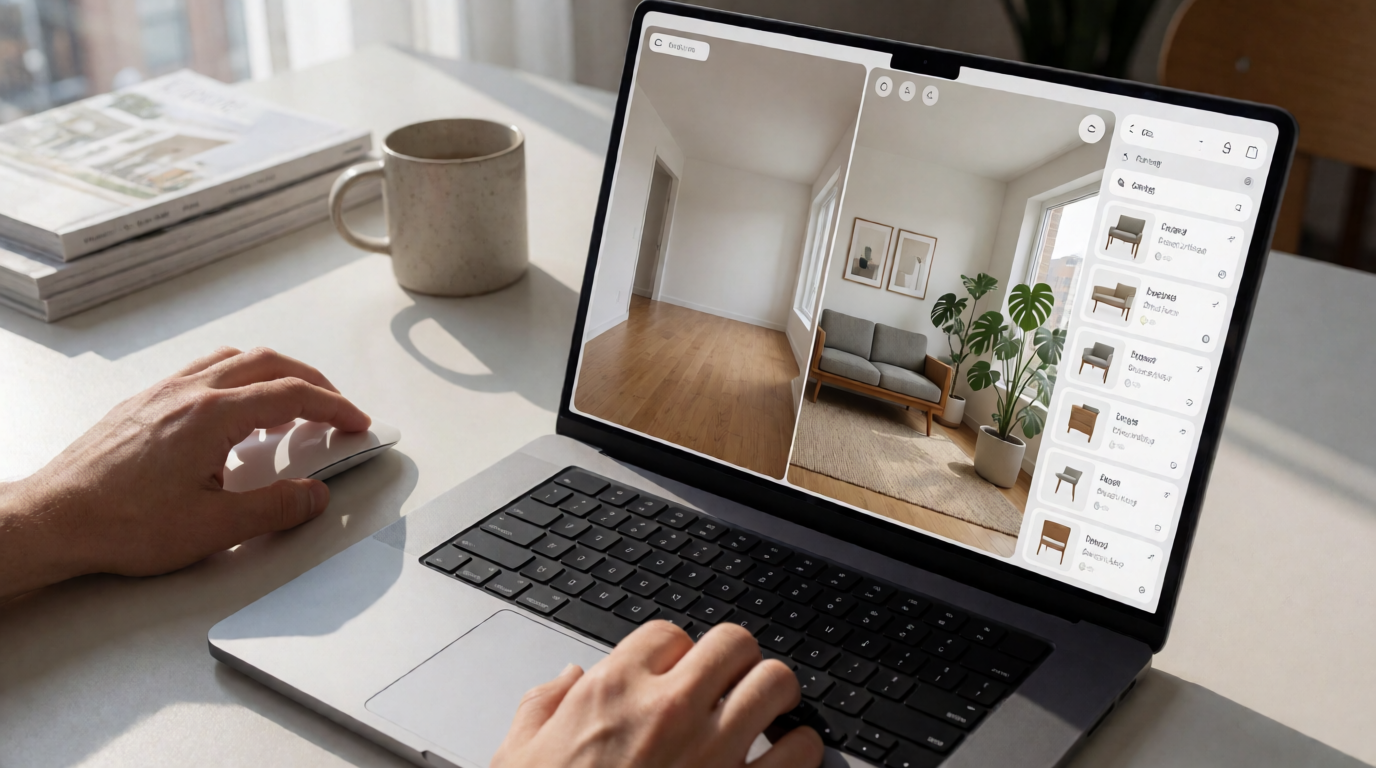
- Upload high-resolution photos of empty or cluttered rooms. A tip: use a wide-angle lens and ensure even lighting. For camera settings, refer to our Best Camera Settings for Real Estate Photography in 2026.
- Select a style from pre-designed themes (e.g., contemporary, farmhouse, coastal) or customize with specific furniture pieces.
- Wait seconds for the AI to generate a photorealistic image. Platforms like RealVision AI process each room in 12 seconds, preserving architectural details and avoiding common AI distortions.
- Download and upload to your MLS, website, and social media. Add a clear disclaimer such as "Virtually staged" as required by the Tulsa Regional MLS.
📚
Definition
Virtual staging software uses generative AI trained on millions of real estate photos to create realistic furniture and decor that seamlessly blends with the original room's lighting and perspective.
The underlying technology relies on generative adversarial networks (GANs) and diffusion models that understand room geometry, lighting, and furniture placement. This ensures that virtual furniture respects shadows, perspective, and scale—crucial for realism. According to McKinsey's 2024 report on AI in real estate, these advanced models are now indistinguishable from professionally staged photos in 94% of cases.
Virtual Staging Software in Tulsa vs. Traditional Staging
| Aspect | Traditional Staging | Virtual Staging Software |
|---|---|---|
| Cost per home | $1,500 – $5,000 | $15 – $50 per image |
| Turnaround time | 1–2 weeks | 12 seconds per room |
| Flexibility | Fixed furniture | Unlimited style changes |
| Occupancy needed | Empty property | Works with any listing |
| Local relevance | Limited | Can mirror Tulsa styles |
| Scalability | Difficult for multiple listings | Easy to batch process |
The contrast is clear: virtual staging delivers comparable visual impact at a fraction of the cost and time. For a deeper dive into cost comparisons, check our Virtual Staging Pricing Guide 2026: Best Software Compared for Realtors.
When Traditional Staging Still Wins
However, traditional staging can be superior for high-end luxury homes where buyers expect tactile experiences. For example, if you're listing a $1.5 million home in Southern Hills, consider a hybrid approach—physically stage the main living areas and virtually stage secondary rooms. This balances cost with buyer expectations.
Best Practices for Tulsa Real Estate Agents
1. Choose a Tool Built for Real Estate
Not all AI staging tools are equal. Some produce generic furniture that doesn't match the property's style or scale. Look for software that:
- Uses domain-trained AI (like RealVision AI)
- Preserves architectural details (windows, doors, textures)
- Offers local style packs (e.g., farmhouse for suburban Tulsa, modern for downtown lofts)
2. Stage Strategically
Focus on key rooms: living room, master bedroom, kitchen, and dining area. Avoid over-staging—keep some rooms empty to show true size. The goal is to help buyers visualize, not overwhelm them. For instance, in a 1,200 sq ft home in Midtown, stage only 4–5 photos to avoid cluttering the online gallery.
3. Use High-Quality Input Photos
Virtual staging works best with well-lit, high-resolution images. Avoid photos with strong shadows or extreme angles. For tips on improving photo quality, see our Guia Prático de Real Estate Photo Enhancement para Corretores em 2026. I always recommend using a tripod and bracketed exposures to capture HDR images that preserve detail in shadows and highlights.
4. A/B Test Your Listings
Upload two versions of the same room—one modern, one traditional—and track which gets more saves on Zillow or clicks on your website. Use that data to refine your approach. Tools like Zillow's listing dashboard can show how many times a photo was viewed; compare the staged vs. unstaged performance.
5. Disclose Virtual Staging
Most MLS rules require a clear disclosure (e.g., "Virtually staged") on each photo. This builds trust with buyers and avoids ethical concerns. The Tulsa Regional MLS specifically requires any digitally altered photos to be labeled. Check the latest MLS guidelines.
6. Optimize for Mobile Viewing
Over 80% of home buyers start their search on mobile devices. Ensure your virtual staging looks good on smaller screens—avoid tiny furniture or cluttered arrangements. Preview your images on a phone before uploading.
Real-World Examples from Tulsa
Case Study 1: Midtown Tulsa Duplex
A local agent had a vacant duplex sit on the market for 45 days. After using virtual staging software to furnish the living room, dining area, and master bedroom, the property received three offers within a week. Cost: $45 for three images vs. an estimated $1,800 for physical staging. The agent saved $1,755 and closed 20 days faster.
Case Study 2: South Tulsa Luxury Home
A luxury listing near Southern Hills Country Club was priced at $850,000. Traditional staging quotes exceeded $4,000. The agent used virtual staging to create a high-end look with neutral tones and modern art. The home sold in 10 days for 97% of asking price. According to Zillow research, staged homes list for 5–15% more—virtual staging delivers that same premium.
Case Study 3: Downtown Tulsa Apartment
A realtor selling a one-bedroom condo in the Blue Dome district used virtual staging to transform an empty unit into a trendy urban loft. The listing received 40% more online views than comparable units, and the condo sold in 14 days. For more on staging small spaces, see our Virtual Staging Small Apartment Studio: Make Studios Look Bigger.
Case Study 4: Jenks Family Home
A 4-bedroom home in Jenks was competing with new construction. The agent virtually staged all rooms with modern farmhouse style—popular in that area—and highlighted the large backyard. The home sold in 6 days for 98% of list price. The agent reported that the staged photos generated 3x more inquiries than previous listings without staging.
Common Objections and Solutions
"Virtual staging looks fake." Outdated software gave virtual staging a bad reputation. Modern tools like RealVision AI use generative AI trained on millions of real estate photos. The results are indistinguishable from physical staging, even in close-ups. Still, avoid over-doing it—keep designs realistic. I recommend using neutral colors and avoiding trendy pieces that might date the photos.
"Buyers want to see the actual space." Virtual staging doesn't hide flaws; it shows potential. In fact, staged photos help buyers visualize how they'd use the space, leading to more offers. A 2025 Real Estate Staging Association survey found 83% of buyers' agents said staging made it easier to envision a property. Virtual staging achieves the same effect without the cost.
"It's too expensive for the value." At $15–$50 per image, virtual staging costs a fraction of traditional staging. The return on investment is clear: staged homes sell 73% faster and often for a higher price. Even if you spend $400 to stage an 8-room home, that's a fraction of the $2,500 rental equivalent. The ROI can exceed 1,000%.
"I don't need it—Tulsa is a seller's market." Even in a hot market, presentation matters. The best listing photos dominate online search results. Virtual staging gives your listings an edge over competitors who skip this step. In 2026, with inventory rising slightly, differentiation is key.
"I have to disclose it—that turns buyers off." Actually, buyers appreciate honesty. A simple "Virtually staged" doesn't diminish the visual impact. In fact, it shows you're tech-savvy and transparent. The staged photos still pull them in; the disclosure just sets accurate expectations.
Frequently Asked Questions
How much does virtual staging software in Tulsa cost?
Pricing varies, but most tools charge $15–$50 per image or offer monthly subscriptions ($50–$200 for unlimited images). For a typical home with 8 rooms, virtual staging costs $120–$400—compared to $1,500+ for physical staging. Many platforms, including RealVision AI, offer a free trial. Agents managing high volume often choose unlimited plans for better per-image economics.
Is virtual staging acceptable by the Tulsa Regional MLS?
Yes, as long as photos are clearly labeled. Common disclaimers include "Virtually staged" or "Digitally furnished." Check your local MLS rules, but most follow the same guidelines as other major markets. Disclosure builds trust and avoids potential issues. The Tulsa Regional MLS specifically requires that any digital alterations be noted on each photo or in the listing description.
Can I use virtual staging for commercial properties in Tulsa?
Absolutely. Virtual staging works for offices, retail spaces, and even warehouses. For commercial listings, staging helps tenants imagine how they'd use the space. Many commercial agents in Tulsa use it for vacant office suites downtown. Learn more in our AI Virtual Staging for Commercial Real Estate: Office & Retail Spaces. A staged office with desks, chairs, and reception area can attract tenants faster than empty rooms.
How fast can I get staged images?
With modern tools, you upload photos and receive staged images in under 60 seconds—12 seconds per room for RealVision AI. That's faster than editing a single photo manually. Same-day listing is entirely possible, giving you a competitive edge. For time-sensitive listings (e.g., open house this weekend), virtual staging is the only viable option.
What if I need to make changes to a staged image?
Most virtual staging software allows you to regenerate with different styles or adjust specific elements. If you don't like the first result, simply change the style or run it again. No need to schedule a second appointment or pay extra fees. This flexibility is a major advantage over traditional staging. Some platforms even let you swap individual furniture pieces.
Do I need special photo equipment?
No, but high-quality input improves results. Use a DSLR or modern smartphone with good lighting. For camera tips, see our Best Camera Settings for Real Estate Photography in 2026. Avoid fisheye lenses that distort furniture placement. I suggest using a 16-24mm lens on a full-frame camera for best results.
Can virtual staging help with vacant properties in low-light conditions?
Yes, but you may need to use software that also offers HDR enhancement. Many virtual staging tools have built-in image enhancement that corrects exposure and adds warm lighting, making rooms appear brighter. For further reading, see our Real Estate Photo Enhancement in Denver: Boost Listings in 2026 (similar principles apply in Tulsa).
What is the return on investment for virtual staging in Tulsa?
Agents typically see ROI of 10x to 20x. For example, spending $150 to stage a home that sells 10 days faster saves carrying costs (e.g., mortgage, utilities) that can run $50–$100 per day. Plus, higher sale prices (5–15% premium) mean thousands of dollars in extra commission. A National Association of Realtors study found that staging yields a 5–15% increase in final sale price, which often exceeds the cost of staging by a wide margin.
Conclusion
Virtual staging software in Tulsa is no longer a nice-to-have—it's a competitive necessity. I've seen firsthand how agents using this technology sell homes faster, at higher prices, and with much lower upfront costs. The Tulsa market rewards speed and quality. Virtual staging delivers both, allowing you to stage more homes, test different looks, and capture buyer attention instantly.
If you're ready to level up your listings, try RealVision AI—the platform designed specifically for real estate pros. Our Best Virtual Staging Software Realtors 2026: Pricing, Features, Reviews covers everything from setup to advanced tips.
💡
Key Takeaway
Virtual staging software in Tulsa gives agents a proven edge: lower costs, faster listings, and higher engagement. Adopt it now to stay ahead.
About the Author
Lucas Correia is the founder of RealVision AI, a specialized AI studio for real estate professionals. With years of experience in proptech, he helps agents and photographers create market-ready visuals in seconds. Lucas writes about AI, real estate marketing, and virtual staging.
Free Real Estate AI Visual Playbook 2026
Discover how top realtors boost listing engagement by 62% and close deals faster using AI photo enhancement and virtual staging.