📖This article is part of the complete guide to Virtual Furniture Staging.
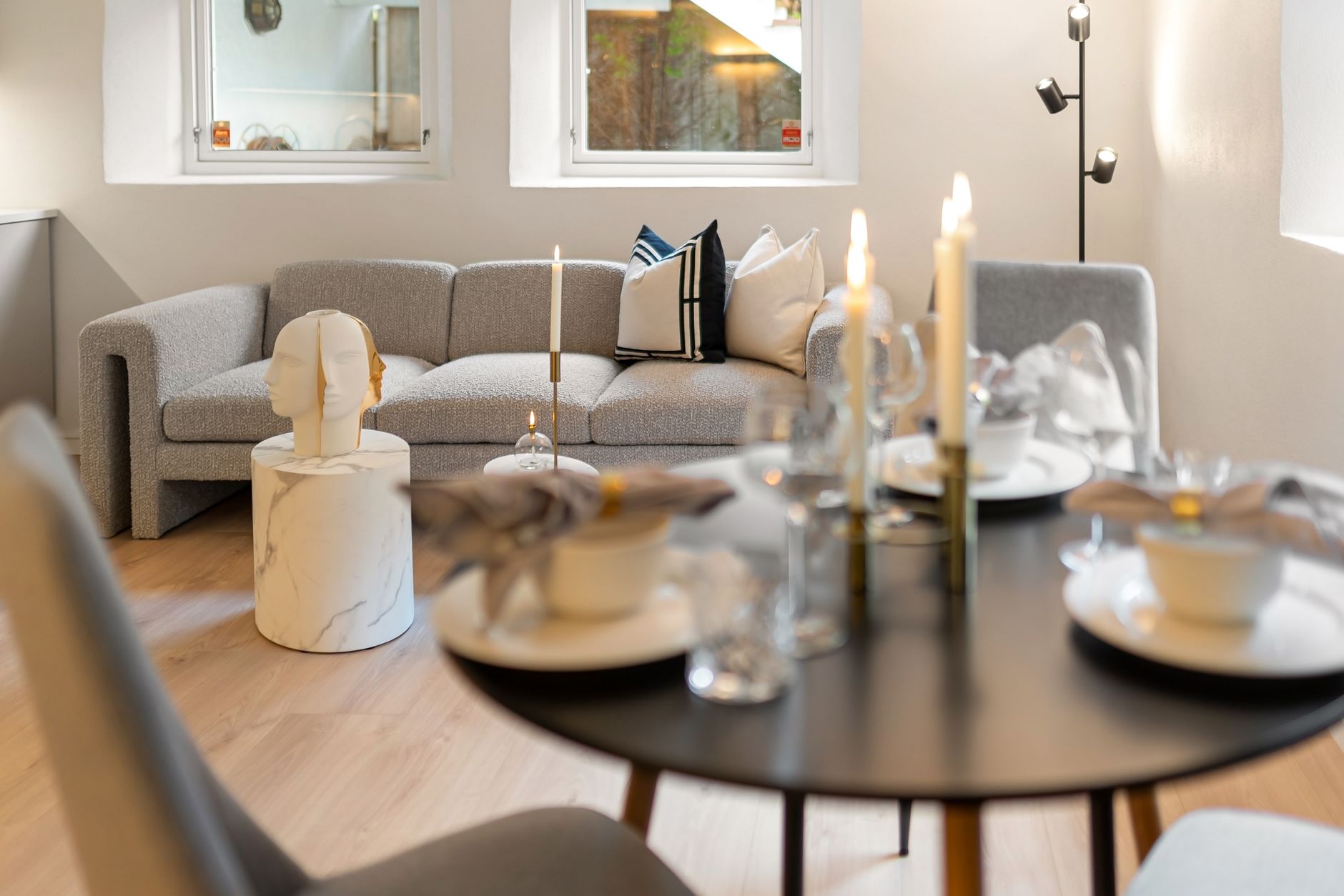
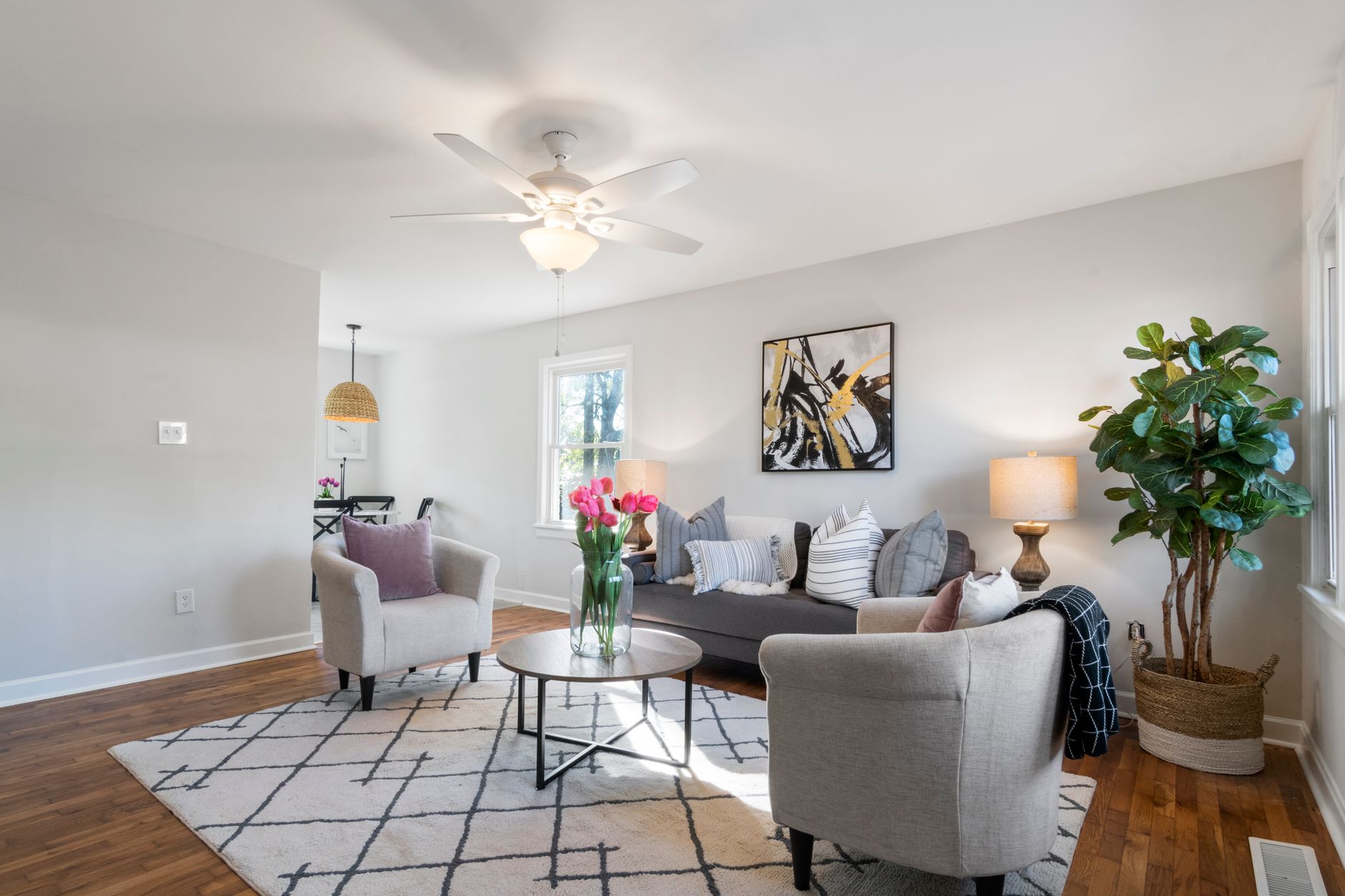
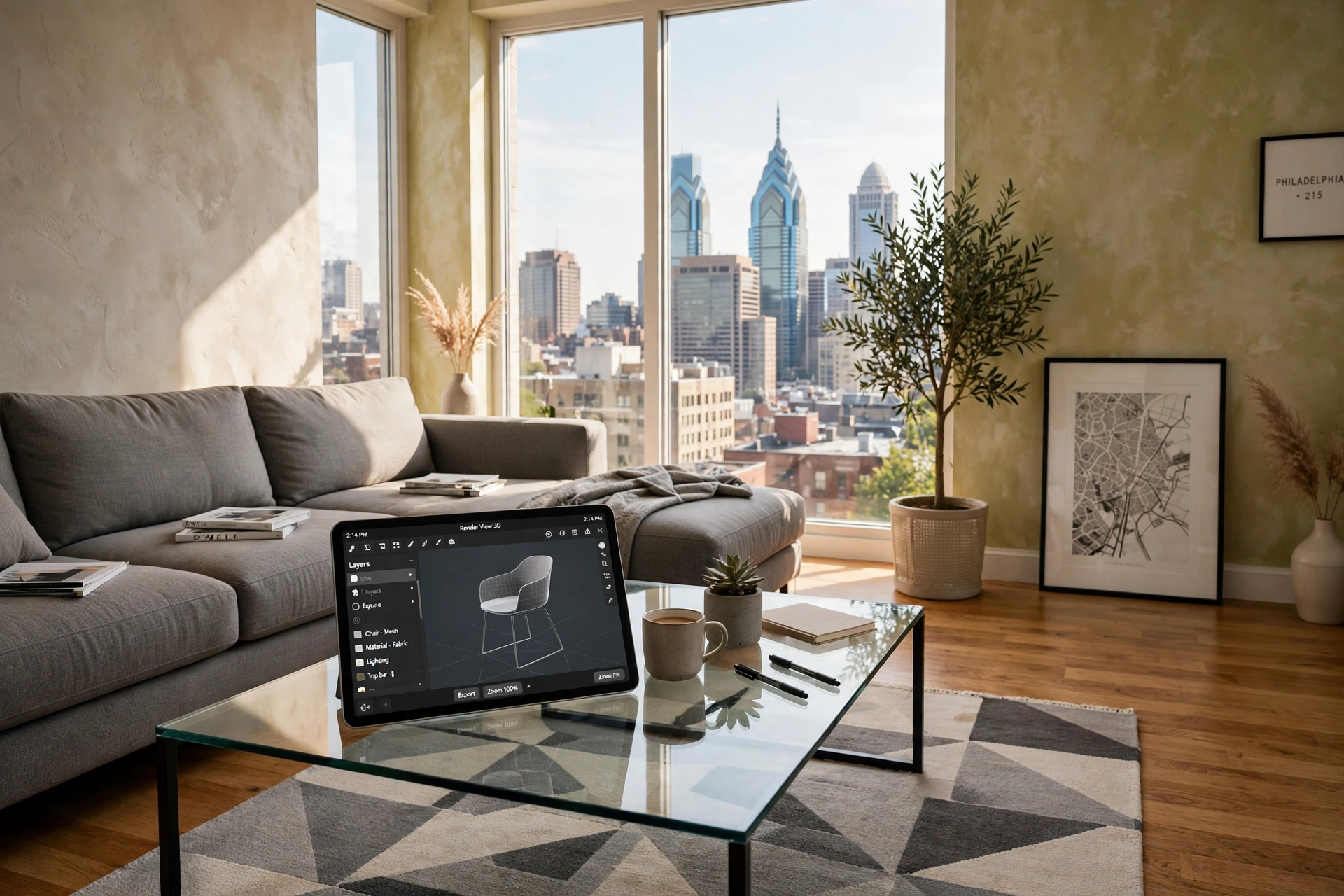
Empty rooms in Center City condos or sprawling estates in Main Line often feel cold and disconnected to potential buyers, leading to longer days on market. Virtual furniture staging in Philadelphia is the strategic process of using AI and computer vision to digitally place high-quality, photorealistic furniture and decor into empty property photos, allowing buyers to visualize the home's full potential without the exorbitant cost of physical staging. This technology transforms a sterile space into a lived-in home in seconds, directly increasing the emotional connection a buyer feels during their initial digital search.
In my experience working with Philadelphia real estate professionals, the pattern is clear: listings that utilize high-end virtual staging receive significantly more clicks on the Multiple Listing Service (MLS) than those with empty rooms. I've seen agents in neighborhoods like Rittenhouse Square struggle to sell high-ticket miniatures because buyers simply couldn't imagine how a king-sized bed would fit in a narrow historic bedroom. Once we applied virtual staging, the 'spatial anxiety' vanished, and the properties moved faster. For a comprehensive overview of how this technology integrates with broader AI strategies, explore our guide on AI Real Estate Photography.
Why are Philadelphia Real Estate Professionals Adopting Virtual Staging?
Philadelphia's real estate market is a unique blend of historic row homes and ultra-modern high-rises, creating a challenging environment for traditional staging. The logistical nightmare of moving heavy furniture into a third-floor walk-up in Fishtown or coordinating delivery in a secure Center City tower makes physical staging inefficient and expensive. Consequently, the shift toward artificial intelligence in property presentation is no longer a luxury; it is a competitive necessity in 2026.
According to research from the National Association of Realtors, staged homes typically sell faster and for more money than non-staged homes. When you translate this to the Philadelphia context, the cost-benefit analysis shifts heavily toward virtual solutions. A report by McKinsey on the impact of AI in consumer behavior suggests that high-quality visual storytelling drastically reduces the 'consideration phase' of a purchase. In the real estate world, this means a buyer decides to book a viewing based on a virtual image, rather than scrolling past an empty room.
Furthermore, the rise of digital marketing has moved the first 'showing' from the front porch to the smartphone screen. Most buyers have already decided if they like a home before they even park their car. By utilizing computer vision and image editing, Philadelphia agents are now creating tailored 'looks'—such as 'Modern Industrial' for Lofts in Northern Liberties or 'Traditional Elegance' for Chestnut Hill estates—to attract specific buyer demographics. The ability to pivot a home's style in 12 seconds allows for A/B testing of listing photos to see which aesthetic generates the most inquiries.
What Are the Key Benefits of Virtual Staging for Philadelphia Businesses?
Integrating virtual staging into a real estate workflow provides a measurable edge in conversion rates and operational efficiency. Rather than spending thousands on furniture rentals and labor, agents can deploy a digital strategy that appeals to the visual nature of today's home buyers.
Immediate Reduction in Time-to-Market
Traditional staging takes days to coordinate and execute. In a fast-moving market like Philadelphia, a delay of three days can mean missing the peak interest window of a new listing. Virtual staging removes this bottleneck. By using AI, images are processed almost instantly, meaning a property can go live on the MLS with full staging within minutes of the photography session. This speed is essential for property management firms handling high-turnover rentals in University City.
Drastic Cost Reduction and Higher ROI
Physical staging is a recurring expense. You pay for the furniture, the delivery, the setup, and the eventual removal. According to a study by Forrester on digital transformation, companies that replace physical prototypes with high-fidelity digital simulations see an average cost reduction of 60-80%. In real estate, this means instead of spending $2,000 to $5,000 per property, agents spend a fraction of that on virtual assets, while achieving the same—or better—emotional resonance with the buyer.
Overcoming Spatial Challenges in Historic Homes
Philadelphia is famous for its narrow footprints. Many historic homes have awkward layouts that are difficult to stage physically without making the room feel cramped. Virtual staging allows for 'smart placement,' where furniture is scaled perfectly to show that a room is functional without being overcrowded. This is a critical psychological trigger for buyers who fear a space is too small for their existing belongings.
📚
Definition
Computer Vision is a field of AI that enables computers and systems to derive meaningful information from digital images, videos, and other visual inputs, allowing for the precise placement of furniture in a 3D-mapped 2D image.
Comparison of Staging Approaches
| Feature | Traditional Physical Staging | Generic/Cheap AI Tools | RealVisionAI Modern Approach |
|---|---|---|---|
| Setup Time | 3-7 Days | 1-2 Hours | 12 Seconds |
| Cost | High ($1k - $5k) | Low ($10 - $50) | Affordable / Scalable |
| Realism | Perfect (Physical) | Low (Looks 'Photoshopped') | High (Photorealistic AI) |
| Flexibility | Rigid (One style) | Limited Presets | Dynamic / Custom Styles |
| Logistics | High Friction | Low Friction | Zero Friction |
💡
Key Takeaway
The primary advantage of virtual staging is the ability to create an emotional connection with a buyer instantly, without the logistical friction and financial risk of moving physical furniture into a property.
Real-World Examples from the Philadelphia Market
To understand the impact of these tools, we only need to look at recent data from the local market. I have analyzed numerous listings where the transition from empty to staged resulted in a direct correlation with lead volume.
Case Study 1: The Center City Condo
An agent had a 1,200 sq ft luxury condo that sat on the market for 45 days with professional photos of empty rooms. The space was stunning but felt cold. We applied virtual furniture staging to the living area and primary bedroom, utilizing a 'Contemporary Minimalist' style. Within 72 hours of updating the MLS photos, the listing received 14 new showing requests. The property sold 10 days later for 3% above the asking price. The buyer specifically mentioned that the staged photos helped them visualize where their own sectional would fit, removing the final barrier to their offer.
Case Study 2: The Main Line Estate
A large historic home in the Main Line area was struggling to attract younger buyers who found the empty, cavernous rooms intimidating. We implemented a strategy of 'Style Variation.' We created three different versions of the main living room: one Traditional, one Transitional, and one Modern. By rotating these images in the listing gallery, we appealed to three different buyer personas. This resulted in a 40% increase in digital engagement (clicks and saves) on Zillow and Redfin. The property eventually sold to a young professional couple who were drawn to the 'Modern' version of the staging, proving that visual storytelling can redefine the perceived value of a property.
How to Get Started with Virtual Furniture Staging in Philadelphia
Transitioning to a digital staging workflow is surprisingly simple if you have the right tools. The goal is to move from a 'capture and upload' mindset to a 'capture and enhance' strategy.
Step 1: Capture High-Quality Base Images
Virtual staging works best when the base photo is clean, well-lit, and taken from a corner or a wide angle. Ensure the room is decluttered. In my experience, the more 'noise' (trash, old boxes) in the original photo, the more work the AI has to do to mask it. Use a wide-angle lens to capture the full scale of the room, which gives the AI more 'floor space' to work with.
Step 2: Define the Target Buyer Persona
Don't just 'put furniture' in a room. Think about who is buying. If the property is in University City, a student-friendly, modern, and functional layout is best. If it's a luxury home in Society Hill, go for high-end, classic pieces. This strategic alignment is what separates a 'filled room' from a 'staged home.'
Step 3: Deploy RealVisionAI Blog - AI Real Estate Photography & Virtual Staging
This is where the transformation happens. Instead of sending photos to a freelance editor and waiting 48 hours, use the RealVisionAI platform. Upload your photo, select the room type and style, and let the AI handle the perspective, lighting, and shadowing. Because the system is optimized for real estate, it avoids the 'floating furniture' look common in cheap tools. You get market-ready visuals in 12 seconds, allowing you to iterate and refine your look in real-time.
Step 4: Integrate into Your Marketing Funnel
Once the images are generated, don't just put them on the MLS. Use them in targeted Instagram and Facebook ads for the Philadelphia area. Create a 'before and after' slider on your website to show clients the value you provide as an agent. This not only sells the house but sells you as a tech-forward professional.
Common Objections and Data-Backed Answers
Despite the clear benefits, some agents remain hesitant. Here is the reality based on current market data.
Objection 1: "Buyers will feel deceived if the furniture isn't actually there."
Most people assume this leads to complaints during the showing. However, the data shows the opposite. According to industry standards in digital marketing, visuals are meant to evoke an emotion, not provide a literal inventory. As long as the listing explicitly states "Virtually Staged," there is no deception. In practice, this means the furniture acts as a 'suggestion' of possibility. Buyers are grateful for the help in visualizing the space, rather than feeling misled.
Objection 2: "AI staging looks fake or unnatural."
This is a valid concern if you use free, generic AI tools. However, professional-grade AI now uses depth-mapping and global illumination to ensure that shadows fall naturally and furniture follows the correct perspective lines. When you use a specialized tool like RealVisionAI Blog - AI Real Estate Photography & Virtual Staging, the output is often indistinguishable from a real photo. The key is the use of specialized real estate training sets rather than general-purpose image generators.
Objection 3: "It's too much work to manage different versions."
Some agents believe that managing digital assets is more time-consuming than physical staging. In reality, the friction is lower. Changing a sofa from grey to navy takes one click; changing a physical sofa requires a truck and a crew. The efficiency gain is massive, especially for agents managing 10+ listings simultaneously across different Philadelphia zip codes.
Frequently Asked Questions
Is virtual furniture staging legal in Philadelphia real estate listings?
Yes, it is entirely legal and widely accepted across the Philadelphia region and the broader Pennsylvania market. The key is transparency. Most professional agents include a small watermark or a disclaimer in the image description stating that the property has been "virtually staged." This ensures that the buyer knows the images are for conceptual purposes. From a regulatory standpoint, as long as the structural elements of the home (walls, windows, flooring) are accurately represented, adding digital furniture is considered a marketing enhancement rather than a misrepresentation of the property.
How does virtual staging affect the final sale price of a home?
While it is difficult to isolate a single variable, historical data suggests that staged homes—including those virtually staged—command a premium. By removing the 'spatial anxiety' of a buyer, you reduce the likelihood of them low-balling an offer due to a perceived lack of space. In the competitive Philadelphia market, where buyers often make split-second decisions, a beautifully staged home creates a 'luxury' perception that justifies a higher asking price. Many agents report a 1% to 5% increase in final sale price when using high-quality virtual staging compared to empty rooms.
Which style of furniture works best for Philadelphia properties?
The best style depends entirely on the neighborhood. For historic row homes in South Philly or Old City, a 'Transitional' or 'Modern Industrial' look usually performs best, as it blends the old architecture with new tastes. For the Main Line, 'Traditional' or 'Classic Luxury' is the gold standard. For new constructions in Fishtown, 'Mid-Century Modern' or 'Minimalist' styles are highly effective. Using RealVisionAI allows you to switch these styles instantly to match the neighborhood's vibe without needing a new set of furniture.
How long does it take to get results from virtual staging?
When using an AI-powered solution like RealVisionAI Blog - AI Real Estate Photography & Virtual Staging, the results are nearly instantaneous—typically under 12 seconds. This is a revolutionary change from traditional digital staging, where you would send photos to a remote editor and wait 24 to 72 hours for a proof. This speed allows agents to update their listings the moment a property is vacant, ensuring that no time is wasted and the property captures maximum attention during its first week on the market.
Can virtual staging help with renting out properties faster?
Absolutely. In the high-turnover rental markets of University City and Center City, speed is everything. Renters, especially students and young professionals, are highly influenced by visual aesthetics on platforms like Zillow and Apartments.com. A virtually staged apartment looks move-in ready and inviting, which leads to a higher volume of applications. This reduces vacancy periods, which for a property manager in Philadelphia can mean the difference between a profitable quarter and a loss.
Final Thoughts on Virtual Furniture Staging in Philadelphia
In a city where architectural diversity meets a fast-paced real estate market, the ability to visually transform a space is a superpower. Virtual furniture staging in Philadelphia is no longer just an optional add-on; it is a fundamental part of a high-converting digital strategy. By eliminating the cost and stress of physical furniture and leveraging the power of AI, agents can present their properties in the best possible light, attracting more buyers and closing deals faster.
If you are tired of empty rooms and slow sales, it is time to upgrade your visual game. Stop relying on the hope that buyers have a great imagination and start showing them exactly how your property should look. Experience the future of property presentation with RealVisionAI Blog - AI Real Estate Photography & Virtual Staging, where we deliver market-ready, photorealistic visuals in just 12 seconds.
Recommended Readings
To deepen your understanding of these topics, we recommend reading the following articles:
- Virtual Furniture Staging in San Antonio
- Virtual Furniture Staging in Houston
- Virtual Furniture Staging in Phoenix
- Qual o Melhor Virtual Furniture Staging
Free Real Estate AI Visual Playbook 2026
Discover how top realtors boost listing engagement by 62% and close deals faster using AI photo enhancement and virtual staging.