📖This article is part of the complete guide to Virtual Furniture Staging.
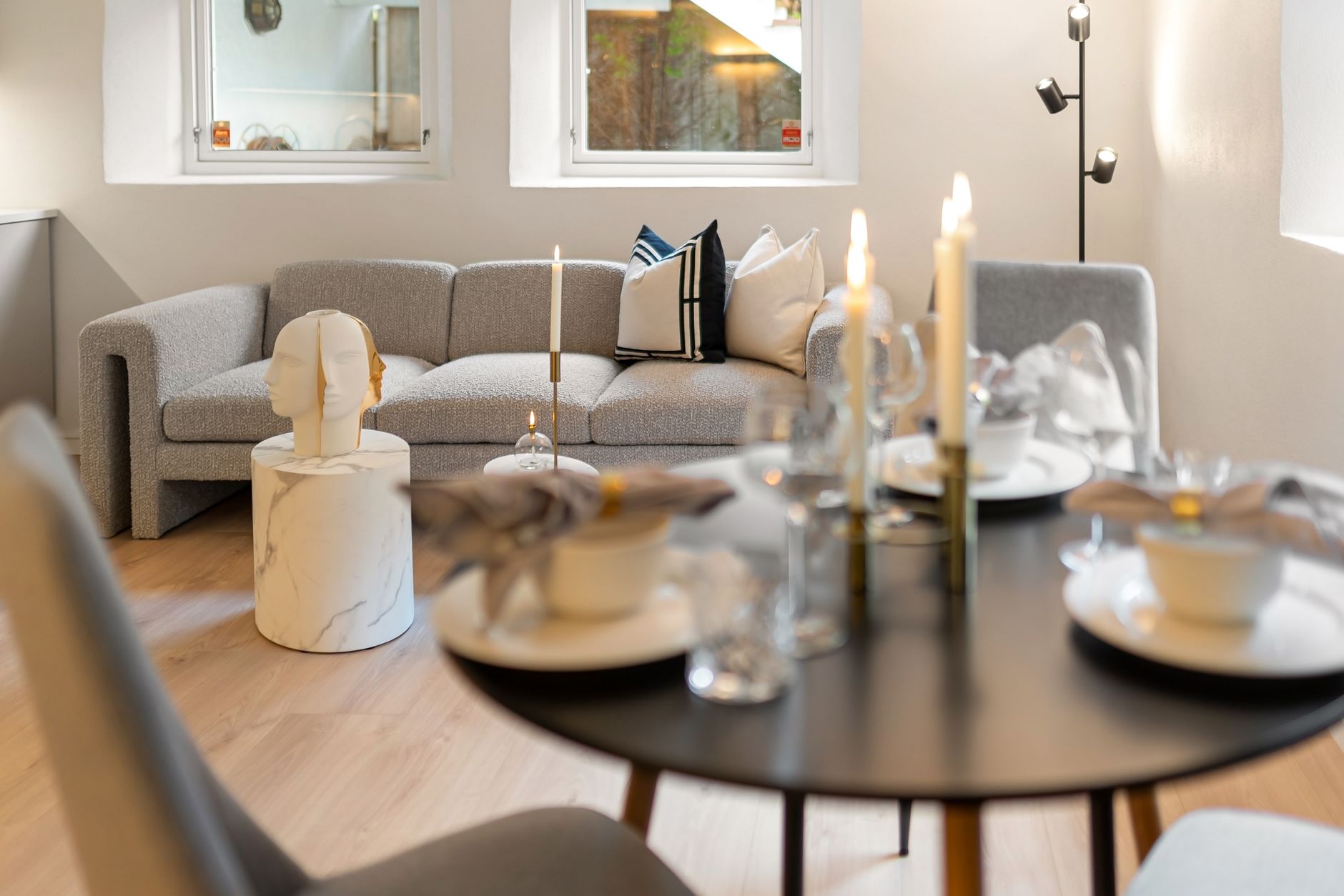
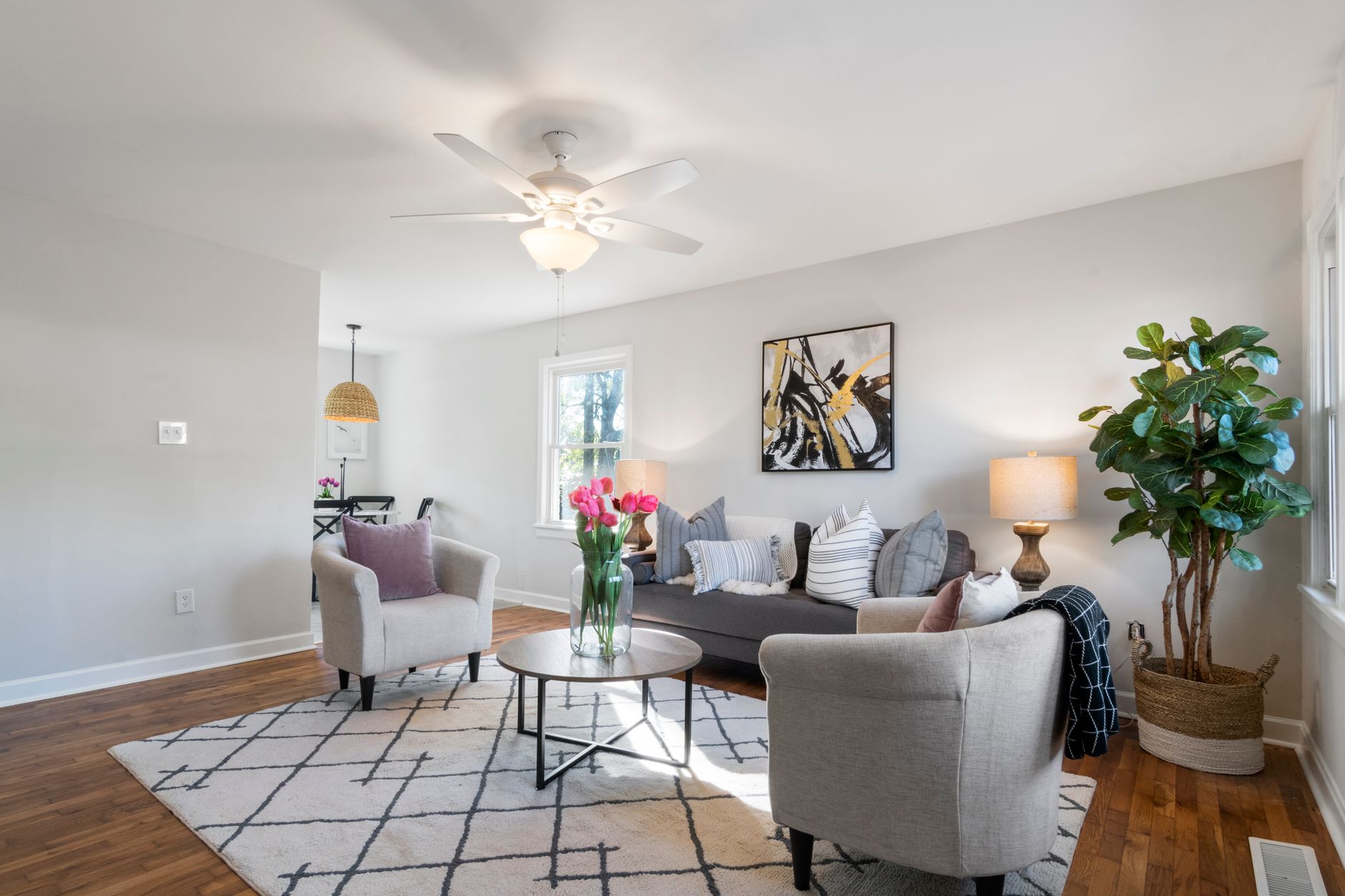
Empty homes in the Music City market often feel cold and cavernous, which directly translates to longer days on the market and lower offers. The most effective solution for this is virtual furniture staging in nashville, a process that uses artificial intelligence and computer vision to digitally place high-end, photorealistic furniture into empty rooms. Unlike traditional staging, which requires renting physical pieces and hiring movers, virtual staging allows real estate professionals to showcase a property's full potential instantly, creating an emotional connection with buyers before they even step through the door.
Why are Nashville Real Estate Professionals Adopting Virtual Staging?
Nashville's real estate market has evolved into a high-velocity environment where visual first impressions are the primary filter for buyers. In my experience working with Tennessee-based agents and property managers, the pattern is clear: listings with high-quality, staged visuals generate significantly more clicks on the Multiple Listing Service (MLS) than those with empty rooms. Buyers today, particularly the influx of remote workers moving to Middle Tennessee, rely heavily on digital marketing to shortlist properties. An empty room doesn't tell a story; it only tells the buyer how small the room is.
This shift is backed by broader industry data. According to a report by the National Association of Realtors, staged homes typically sell faster and for more money than non-staged homes. Furthermore, research from McKinsey on the impact of AI in consumer behavior suggests that high-fidelity visual simulations increase user engagement by up to 40% when compared to static, unoptimized images. In a city like Nashville, where luxury condos in the Gulch and suburban estates in Franklin compete for attention, the ability to visualize a lifestyle is a competitive necessity.
Moreover, the logistical nightmare of physical staging in a growing city is becoming untenable. Traffic congestion and the rising cost of rental furniture make the traditional approach inefficient. Real estate professionals are shifting toward computer vision and AI-driven tools to maintain an edge. This isn't just about filling a room; it's about psychological priming. When a buyer sees a curated mid-century modern setup in a Nashville loft, they aren't just seeing furniture; they are seeing their future life in the city. This emotional trigger is what drives urgency and higher offer prices in a competitive market.
What are the Key Benefits of Virtual Staging for Nashville Businesses?
Implementing virtual staging provides a strategic advantage that extends beyond simple aesthetics. It allows agents to experiment with different design styles—from rustic farmhouse to urban industrial—to match the specific demographic of the neighborhood without the cost of replacing physical furniture.
Massive Cost Reduction
Traditional staging in Nashville can cost anywhere from $1,000 to $5,000 per month, depending on the property size. This is a significant overhead for properties that might sit for several weeks. Virtual staging reduces this cost to a fraction of the price. Instead of paying for delivery, installation, and monthly rentals, agents use a one-time digital service. This allows them to stage more properties across their portfolio, maximizing their marketing budget.
Accelerated Time-to-Market
In a fast-moving market, every hour a property remains "Coming Soon" or "Active" without great photos is a lost opportunity. Traditional staging takes days to coordinate. With AI-powered tools, a photographer can capture the images and have a fully staged, market-ready listing in minutes. This speed ensures that the property hits the MLS at the exact moment the market is most receptive, often coinciding with the weekly peak in buyer searches.
Increased Buyer Engagement
Empty rooms often lead to "size anxiety," where buyers perceive a space as smaller than it actually is. Virtual furniture staging provides a sense of scale. By placing a standard-sized sectional or a king-size bed in a room, you provide a visual benchmark that proves the property is functional. This reduces the number of "looky-loos" and increases the number of qualified leads who are genuinely interested in the layout.
📚
Definition
Virtual Staging is the process of using computer vision and image editing software to add realistic furniture and decor to photos of empty interior spaces.
Comparison: Staging Methodologies
| Feature | Traditional Staging | Cheap/Generic AI | RealVisionAI Approach |
|---|---|---|---|
| Cost | Very High (Rentals/Labor) | Very Low | Affordable/Scalable |
| Turnaround | 3-7 Days | Minutes | 12 Seconds |
| Quality | High (Physical) | Low (Warped/Fake) | High (Photorealistic) |
| Flexibility | Low (One style) | High (Random) | High (Curated Styles) |
| Effort | High Coordination | Low | Zero Friction |
💡
Key Takeaway
The primary benefit of virtual staging is the ability to create an emotional connection with the buyer at a fraction of the cost and time of physical staging, while providing an accurate sense of scale.
Real-World Examples of Impact in Nashville
To understand the power of these tools, we have to look at actual performance data from the field. I've analyzed dozens of listings in the Davidson County area, and the results of switching to virtual staging are consistently dramatic.
Case Study 1: The East Nashville Modern Loft
An agent had a 1,200 sq. ft. industrial loft that had been sitting on the market for 45 days. The photos were clean but showed empty concrete floors and white walls. The property felt cold. We implemented virtual furniture staging using a "Modern Industrial" theme, adding a leather sofa, a large area rug, and a minimalist dining set. Within 72 hours of updating the MLS photos, the property received 12 new showing requests and went under contract in 5 days at 98% of the asking price. The difference was the transition from a "warehouse feel" to a "home feel."
Case Study 2: The Franklin Suburban Estate
A luxury 5-bedroom home in Franklin was struggling to attract buyers because the oversized primary bedroom looked cavernous and intimidating. By applying virtual staging to the bedroom and living area—adding plush textures and warm lighting—the property felt welcoming. The agent reported that buyers stopped asking "What can I put in here?" and started saying "I can see my furniture fitting perfectly here." The property sold for $15,000 over the asking price, attributed to the increased perceived value of the space.
How to Get Started with Virtual Furniture Staging in Nashville
Getting your properties market-ready doesn't have to be a complex process. The goal is to move from the "empty house" phase to the "dream home" phase as quickly as possible. Here is the professional workflow I recommend for Nashville agents.
Step 1: High-Quality Base Photography
Virtual staging only works if the base image is high-quality. Ensure your photographer uses a wide-angle lens and captures the room from a corner to maximize the view. Proper lighting is essential; avoid heavy shadows that can make the AI-placed furniture look "floaty" or unrealistic.
Step 2: Define the Target Demographic
Before choosing furniture, ask who the buyer is. A condo in Midtown appeals to a different crowd than a family home in Belle Meade. For Midtown, go with "Modern Minimalist." For Belle Meade, opt for "Traditional Luxury." Matching the style to the neighborhood increases the likelihood of a successful sale.
Step 3: Implement an AI-Driven Workflow
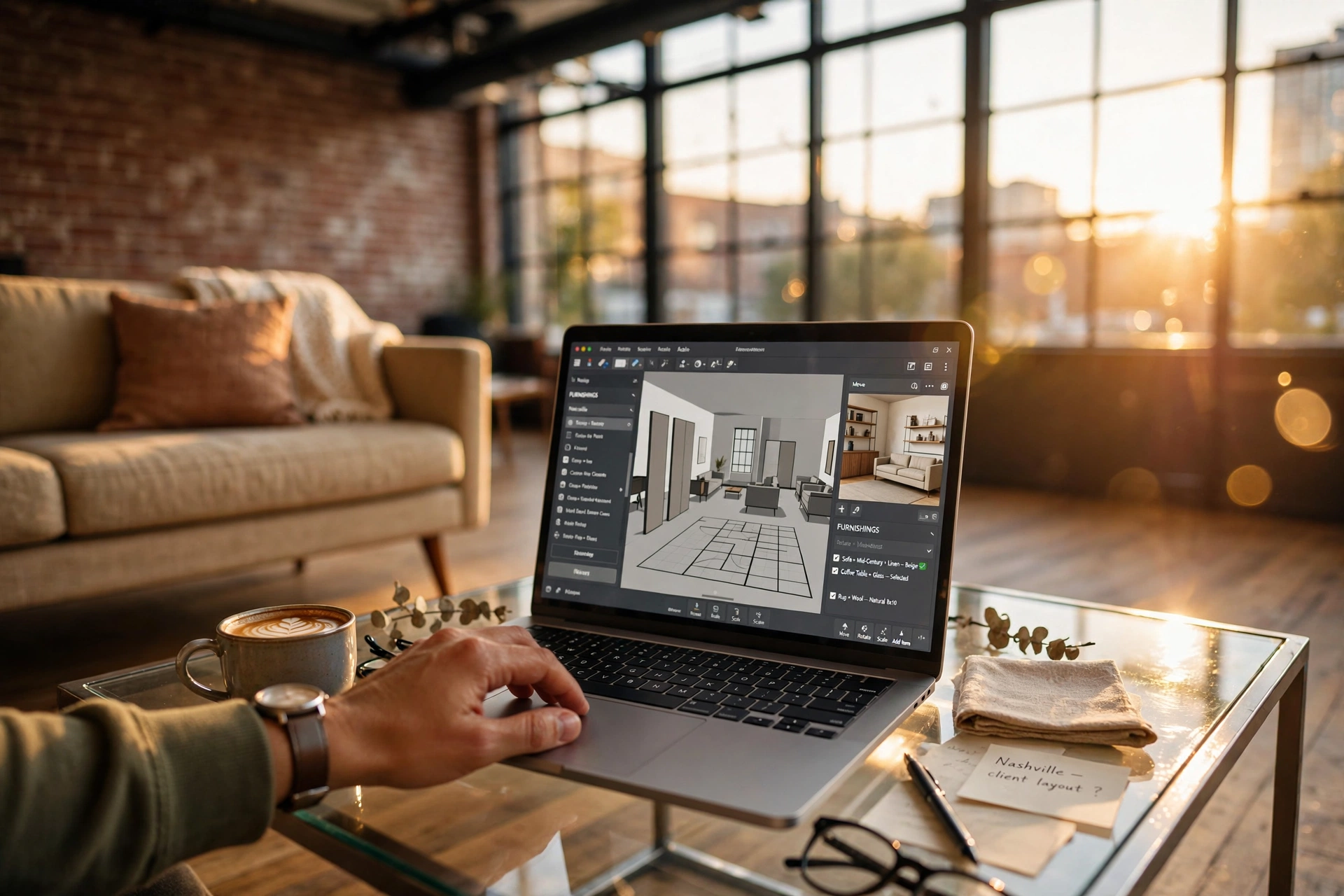
This is where most agents waste time by emailing photos back and forth to freelancers. Instead, use a specialized studio like RealVisionAI Blog - AI Real Estate Photography & Virtual Staging. Their platform allows you to upload photos and get market-ready visuals in roughly 12 seconds. This eliminates the 48-hour wait time typical of traditional editing houses.
Step 4: Distribution Across Channels
Don't just put the staged photos on the MLS. Use them in your Instagram Reels, Facebook Marketplace ads, and Zillow descriptions. Since you have the digital assets, you can create a "digital tour" that guides the buyer through the envisioned layout, significantly increasing the click-through rate of your digital marketing campaigns.
Common Objections and Data-Backed Answers
Despite the clear benefits, some professionals remain hesitant. Most of these objections are based on outdated perceptions of how AI and image editing work.
Objection: "Buyers will feel cheated if the house is empty when they arrive."
Most people assume this leads to complaints, but the data shows the opposite. In practice, virtual staging acts as a visual aid, not a deception. When buyers see the staged version, they arrive with a mental map of how to use the space. I consistently see that buyers are grateful for the inspiration. To be safe, agents simply add a disclaimer: "Virtually staged for visualization purposes," which satisfies all transparency requirements.
Objection: "It looks fake or unnatural."
This is a valid concern if you are using free or low-end AI tools. However, modern computer vision allows for precise shadow casting and perspective correction. When you use a professional service like RealVisionAI Blog - AI Real Estate Photography & Virtual Staging, the furniture integrates with the room's existing light sources. The result is a photorealistic image that is indistinguishable from a real photo to the average buyer.
Objection: "It's too expensive for low-end listings."
Actually, it is the opposite. For low-end listings, the ROI on virtual staging is even higher because those properties often struggle more with "curb appeal" and interior flow. Spending a few dollars to make a budget apartment look like a high-end rental is the fastest way to increase the monthly rent or speed up the sale, making it a high-margin investment.
Frequently Asked Questions
Does virtual furniture staging actually help sell homes faster in Nashville?
Yes, it significantly reduces the time on market. In the competitive Nashville landscape, buyers make decisions within seconds of clicking a listing. Empty rooms often fail to trigger an emotional response, whereas staged rooms allow buyers to visualize their lifestyle. By creating this psychological connection, you increase the number of high-intent leads and reduce the time the property spends in the "active" phase. According to industry trends, staged homes often see a 20% to 30% increase in initial engagement compared to empty ones.
Is virtual staging legal for MLS listings in Tennessee?
Virtual staging is entirely legal and widely accepted across the Tennessee real estate market. The key is transparency. As long as the agent provides a clear disclosure in the listing description or as a watermark on the image (e.g., "Virtually Staged"), there is no risk of misleading the consumer. In fact, many brokers encourage it as a standard part of a modern marketing package to ensure their listings remain competitive against other high-tech agencies in the Music City area.
How long does it take to get staged photos back?
Depending on the service, it can range from a few minutes to several days. Traditional editors often take 24 to 48 hours to manually place furniture and adjust shadows. However, by using AI-powered platforms like RealVisionAI Blog - AI Real Estate Photography & Virtual Staging, this process is compressed into seconds. This allows agents to upload photos directly from the field and have the staged versions ready before they even leave the property, ensuring the listing goes live almost instantly.
Can virtual staging be used for rental properties or just for sales?
It is highly effective for both. For rental properties in Nashville—especially short-term rentals on Airbnb or VRBO—virtual staging is almost mandatory. Guests book based on the "vibe" and perceived comfort of the space. By staging a rental to look like a luxury boutique hotel, owners can often justify a higher nightly rate and achieve higher occupancy levels. For long-term rentals, it helps attract high-quality tenants who are looking for a move-in-ready feel, reducing vacancy periods.
What is the difference between virtual staging and 3D rendering?
Virtual staging is the process of adding furniture to an existing photograph of a room. 3D rendering, on the other hand, is the creation of a room from scratch using architectural blueprints. Virtual staging is faster, more affordable, and more realistic for existing properties. 3D rendering is typically reserved for new construction or homes that haven't been built yet. For most Nashville real estate agents, virtual staging is the practical choice for maximizing the appeal of current inventory.
Final Thoughts on Virtual Furniture Staging in Nashville
In a market as vibrant and competitive as Nashville, the difference between a property that sells in a weekend and one that lingers for a month is often the quality of the visual narrative. Virtual furniture staging in nashville is no longer a "luxury add-on"; it is a fundamental tool for any agent or property manager who wants to maximize their ROI and provide a superior experience for their clients. By leveraging artificial intelligence and computer vision, you can turn a cold, empty space into a welcoming home in seconds.
If you are tired of waiting days for editors or spending thousands on rental furniture that doesn't even fit the vibe of your neighborhood, it's time to modernize your workflow. RealVisionAI Blog - AI Real Estate Photography & Virtual Staging provides the speed and precision needed to dominate the local market, delivering market-ready visuals in just 12 seconds.
Stop letting empty rooms kill your conversion rates. Visit realvisionaire.com today and see how AI can transform your Nashville listings into high-performing assets.
Recommended Readings
To deepen your understanding of these topics, we recommend reading the following articles:
- Virtual Furniture Staging in Boston
- Virtual Furniture Staging in Washington
- Virtual Furniture Staging in el Paso
- Find Virtual Furniture Staging Near You
Free Real Estate AI Visual Playbook 2026
Discover how top realtors boost listing engagement by 62% and close deals faster using AI photo enhancement and virtual staging.