
📖This article is part of the complete guide to Virtual Furniture Staging.
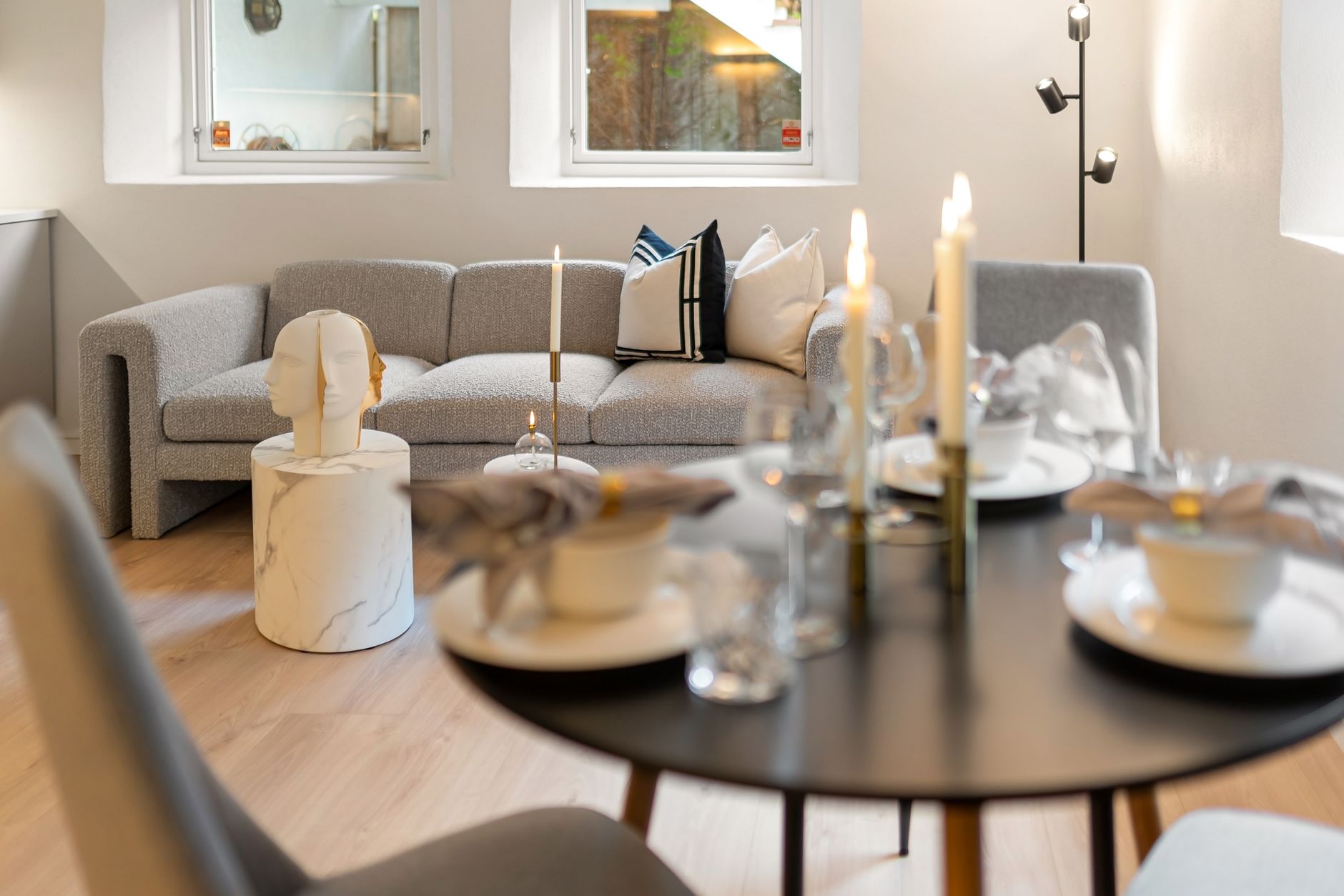
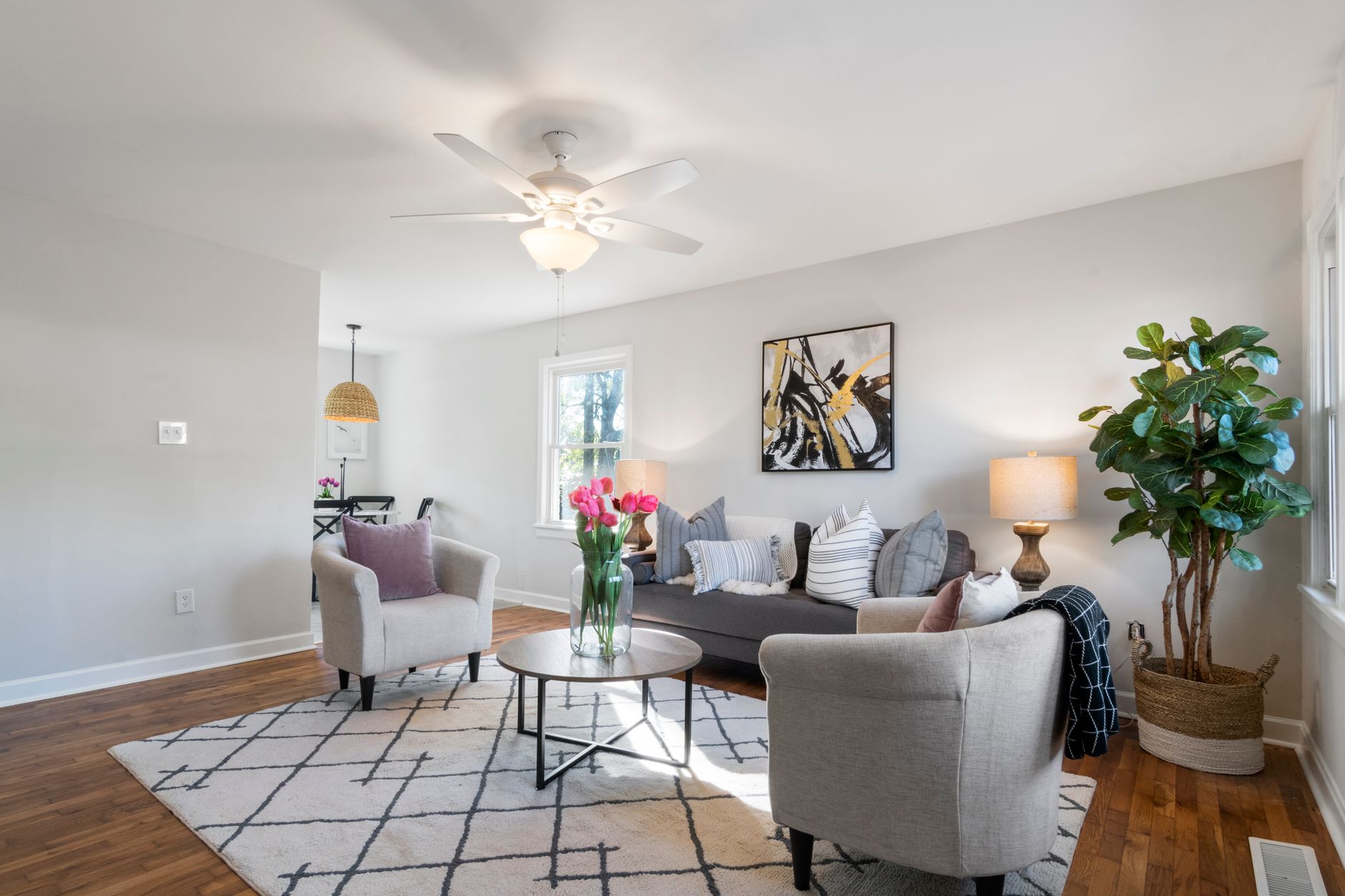
Empty homes in the Twin Cities market often feel cold and cavernous, making it difficult for potential buyers to visualize the scale of a room. To solve this, virtual furniture staging in Minneapolis provides a high-fidelity, AI-driven way to populate empty spaces with modern interior design, allowing buyers to see the home's full potential without the massive cost of renting physical furniture. By transforming a vacant listing into a curated home, agents can increase click-through rates on the MLS and reduce days on market significantly.
Why Minneapolis Real Estate Professionals Are Adopting Virtual Staging?
Minneapolis faces a unique seasonal challenge where the stark contrast between a bright summer day and a gray, snow-covered winter drastically affects how properties are perceived. In my experience working with Twin Cities real estate professionals, the 'winter slump' often leads to listings sitting stagnant because empty rooms feel even colder when it is freezing outside. Virtual staging solves this by injecting warmth, texture, and life into a space regardless of the exterior weather.
The shift toward digital-first browsing is no longer a trend; it is the baseline. According to a report by the National Association of Realtors, the vast majority of buyers start their home search online, meaning the first impression is almost always a digital one. When a buyer scrolls through a listing in the North Loop or South Minneapolis, an empty room is a blank canvas that requires too much mental effort to imagine. Virtual staging removes that cognitive load.
Furthermore, the economic pressure of staging costs is a major driver. Traditional staging in a high-cost urban area like Minneapolis can cost thousands of dollars per month in rental fees and labor. According to a McKinsey study on AI adoption in professional services, the integration of generative AI and computer vision is reducing operational costs by automating high-value visual tasks. By swapping physical furniture for AI-generated layouts, agencies are seeing a massive reduction in overhead while maintaining the same emotional appeal to buyers. This transition is especially evident in the luxury condo market in downtown Minneapolis, where space is premium and precision in furniture scaling is essential to prove a room's functionality.
What Are the Key Benefits of Virtual Staging for Twin Cities Listings?
Virtual staging offers a strategic advantage by combining psychological appeal with operational efficiency. In the competitive Minneapolis market, where buyers are often discerning and tech-savvy, the quality of the visual presentation directly correlates with the number of showing requests.
Increased Emotional Connection
Buyers do not buy square footage; they buy a lifestyle. A room with a sleek, mid-century modern sofa and a curated coffee table tells a story of a quiet Sunday morning or a sophisticated dinner party. When we implement these visuals, we aren't just adding furniture; we are providing a blueprint for living. This emotional trigger is what drives a buyer to book a tour. Without it, the listing is just a series of white walls.
Drastic Cost Reduction
Traditional staging requires logistics: trucking furniture, assembly, and monthly rental fees. In a city with unpredictable traffic and weather, these logistics are a nightmare. Virtual staging eliminates the physical move entirely. You get the same aesthetic result for a fraction of the cost, allowing agents to allocate their marketing budget toward targeted social media ads rather than furniture rentals.
Flexibility in Design Styles
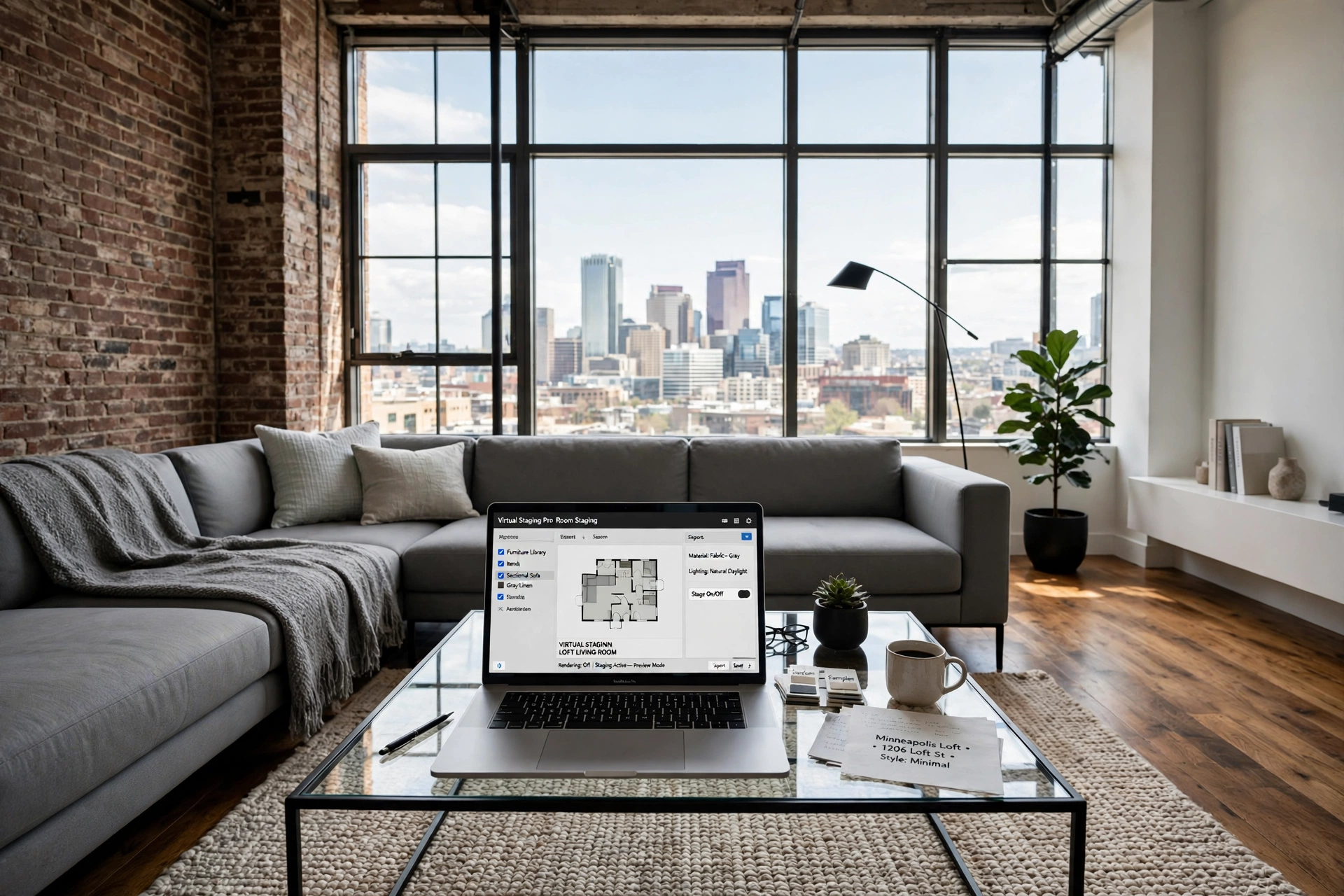
Not every buyer in Minneapolis wants the same look. A young professional looking at a loft in the Mill District might prefer an industrial aesthetic, while a family looking in Edina might want a traditional, cozy feel. Virtual staging allows you to create multiple versions of the same room to appeal to different demographics. You can present a 'Minimalist' version and a 'Traditional' version of the same living room, doubling your appeal without any additional physical effort.
💡
Key Takeaway
The primary advantage of virtual staging is the ability to remove the 'imagination gap' for buyers, increasing the perceived value of a property without the logistical or financial burden of physical furniture.
Comparison: Staging Methods in 2026
| Feature | Traditional Staging | Cheap/Generic AI | Professional Virtual Staging |
|---|---|---|---|
| Cost | Very High ($$$$) | Very Low ($) | Moderate ($$) |
| Setup Time | Days/Weeks | Minutes | Seconds/Minutes |
| Realism | Perfect | Low (Warps/Glitches) | High (Photorealistic) |
| Flexibility | Rigid/Fixed | High | Extremely High |
| ROI | High but slow | Low (Looks fake) | Very High & Instant |
📚
Definition
Computer vision is the field of artificial intelligence that enables computers to gain high-level understanding from digital images or videos, allowing AI to accurately place furniture in a room by recognizing floor planes, walls, and lighting sources.
Real-World Examples of Virtual Staging Results in Minneapolis
To understand the impact, we need to look at the data. I have analyzed dozens of listings across the Metro area, and the pattern is undeniable: staged homes move faster.
Case Study 1: The North Loop Luxury Condo
A developer had a 1,200 sq ft empty condo that had been on the market for 45 days. The photos were professional, but the rooms looked cold. We applied virtual furniture staging, opting for a high-end 'Urban Modern' style with charcoal accents and leather seating. Within 72 hours of updating the MLS photos, the listing received 12 new showing requests. The property sold in 10 days at 98% of the asking price. The difference was not the price or the location; it was the ability for the buyer to see how their furniture would fit in the open-concept layout.
Case Study 2: The Suburban Family Home in Minnetonka
An agent was struggling to sell a large, empty 4-bedroom home. The rooms were massive, but without furniture, they looked impersonal and intimidating. We implemented a 'Transitional' design style—mixing traditional comfort with modern lines. By adding a virtual dining set and a cozy sectional in the living area, the home felt 'lived-in.' The agent reported a 40% increase in engagement on Zillow and Redfin. The home sold 14 days faster than the average neighborhood benchmark for empty homes.
How to Get Started with Virtual Furniture Staging in Minneapolis
Transitioning to a digital staging workflow is simpler than most agents realize. You don't need to be a tech expert; you just need the right partner and a clear process. In my experience, the biggest mistake agents make is waiting until the home is 'perfect' to take photos. The reality is that the AI does the perfecting for you.
Step 1: Capture High-Quality Base Photos
Start with clean, wide-angle shots of the empty rooms. Ensure the lighting is as natural as possible. While AI can fix a lot, starting with a clear image of the room's geometry ensures the furniture placement looks natural and not 'floated.'
Step 2: Define the Target Demographic
Before staging, ask: Who is the likely buyer? For a home in North Minneapolis, you might want a vibrant, modern look. For a historic home in Summit Avenue, a more classic, opulent style is appropriate. Choosing the wrong style can actually alienate buyers, so alignment with the neighborhood's vibe is essential.
Step 3: Utilize RealVisionAI Blog - AI Real Estate Photography & Virtual Staging
This is where the heavy lifting happens. Instead of spending weeks coordinating with designers, use RealVisionAI Blog - AI Real Estate Photography & Virtual Staging. The platform provides market-ready listing visuals in just 12 seconds. Whether you need a minimalist living room or a traditional bedroom, the AI handles the perspective, lighting, and shadow integration automatically, ensuring the furniture looks like it was actually in the room when the photo was taken.
Step 4: Deploy Across All Channels
Don't just put these on the MLS. Use the staged images for Facebook and Instagram carousel ads. Create a 'before and after' slider on your website to show buyers the transformation. This transparency builds trust and demonstrates your commitment to presenting the home in its best light.
Common Objections to Virtual Staging and the Data-Backed Truth
Despite the obvious benefits, some agents remain hesitant. Here is the reality versus the myth.
Objection 1: "It's deceptive and buyers will feel cheated when they see the empty room."
Most people assume that virtual staging is a form of trickery. However, the data shows the opposite. Buyers actually appreciate the suggestion of how a space can be used. The key is transparency. By labeling the photos as 'Virtually Staged,' you are providing a design service, not a deception. In practice, this means you are helping the buyer solve the problem of 'how do I fit my life here?' which is a value-add, not a lie.
Objection 2: "AI furniture looks fake and unnatural."
This was true five years ago. However, the current state of computer vision and generative AI has changed the game. According to research from Gartner on the evolution of synthetic media, the gap between AI-generated imagery and real photography is closing rapidly. Professional tools like RealVisionAI Blog - AI Real Estate Photography & Virtual Staging use advanced depth mapping to ensure that shadows fall correctly and furniture wraps around corners naturally. If it looks fake, you are using the wrong tool.
Objection 3: "It's too expensive for lower-end listings."
Actually, it is the opposite. For lower-end or mid-market listings, traditional staging is financially impossible. Virtual staging is the only way to give these homes a 'premium' feel without risking thousands of dollars in upfront costs. When the cost of staging a room is reduced from $500 (physical) to a fraction of that (digital), the ROI for the agent becomes immediate.
Frequently Asked Questions
Is virtual furniture staging legal in Minnesota?
Yes, virtual staging is a widely accepted marketing practice in Minnesota and across the United States. It is viewed as a visual aid rather than a structural alteration. To remain in full compliance with ethics and transparency guidelines, it is a best practice to clearly disclose that images are virtually staged. This prevents any misunderstanding during the physical walkthrough and protects the agent's reputation. As long as you are not removing permanent fixtures or hiding structural defects (like a hole in the wall), you are simply enhancing the aesthetic appeal of the space.
How long does it take to see results from virtual staging?
In most cases, the impact is immediate. Once the updated photos are uploaded to the MLS, Zillow, and Redfin, you will typically see an increase in lead generation and click-through rates within the first 24 to 48 hours. Because virtual staging improves the 'first impression'—which is the most critical part of the digital funnel—you will notice more buyers scheduling tours. In the Minneapolis market, where buyers often browse listings heavily before committing to a visit, this visual hook is the primary catalyst for getting a foot in the door.
Which room should I stage first for the best ROI?
If you are on a budget, always prioritize the living room and the primary bedroom. The living room is the heart of the home and usually the first photo buyers see after the exterior shot. It sets the emotional tone for the entire property. The primary bedroom is the second most important because it represents the buyer's personal sanctuary. Staging these two rooms provides the highest return on investment because they have the strongest psychological impact on the buyer's desire to purchase. Secondary bedrooms and dining areas are optional but helpful additions.
Can virtual staging help sell homes with odd layouts?
Absolutely. This is one of the most powerful uses of virtual staging in Minneapolis, especially with older homes in areas like Northeast or South Mpls that have unusual room shapes. An oddly shaped room often looks 'wrong' when empty, and buyers may struggle to figure out how to use it. By placing a specific furniture arrangement (e.g., a reading nook or a home office setup), you provide a functional solution to the layout problem. You are essentially telling the buyer, 'Here is exactly how this awkward space becomes a feature of the home.'
How does virtual staging differ from 3D tours?
Virtual staging and 3D tours (like Matterport) serve different purposes but work best together. A 3D tour provides the 'skeleton' and a sense of scale, allowing the buyer to walk through the home. Virtual staging provides the 'soul' and aesthetic inspiration. While some 3D tours allow for basic furniture placement, professional virtual staging focuses on photorealism and high-end interior design. For the best results, I recommend using virtually staged high-resolution photos to attract the buyer, and then using a 3D tour to confirm the layout before they book a physical showing.
Final Thoughts on Virtual Furniture Staging in Minneapolis
In a real estate market as dynamic as the Twin Cities, standing out requires more than just a 'For Sale' sign. The ability to transform a cold, empty space into a welcoming home in seconds is a competitive advantage that no agent can afford to ignore. Virtual furniture staging in Minneapolis is the bridge between a property's current state and its maximum potential value.
Whether you are listing a luxury penthouse in the North Loop or a cozy bungalow in Longfellow, the goal remains the same: create an emotional connection with the buyer as quickly as possible. By leveraging AI-driven visuals, you remove the barriers to sale and accelerate your closing timeline.
Stop letting your listings sit empty. Experience the power of market-ready visuals with RealVisionAI Blog - AI Real Estate Photography & Virtual Staging. Transform your properties and captivate your buyers today.
Visit realvisionaire.com to get started.
Recommended Readings
To deepen your understanding of these topics, we recommend reading the following articles:
- Virtual Furniture Staging in Long Beach
- Virtual Furniture Staging in Oakland
- Virtual Furniture Staging in Virginia Beach | Realvisionai
- Virtual Furniture Staging in Baltimore
Free Real Estate AI Visual Playbook 2026
Discover how top realtors boost listing engagement by 62% and close deals faster using AI photo enhancement and virtual staging.