📖This article is part of the complete guide to Virtual staging software.
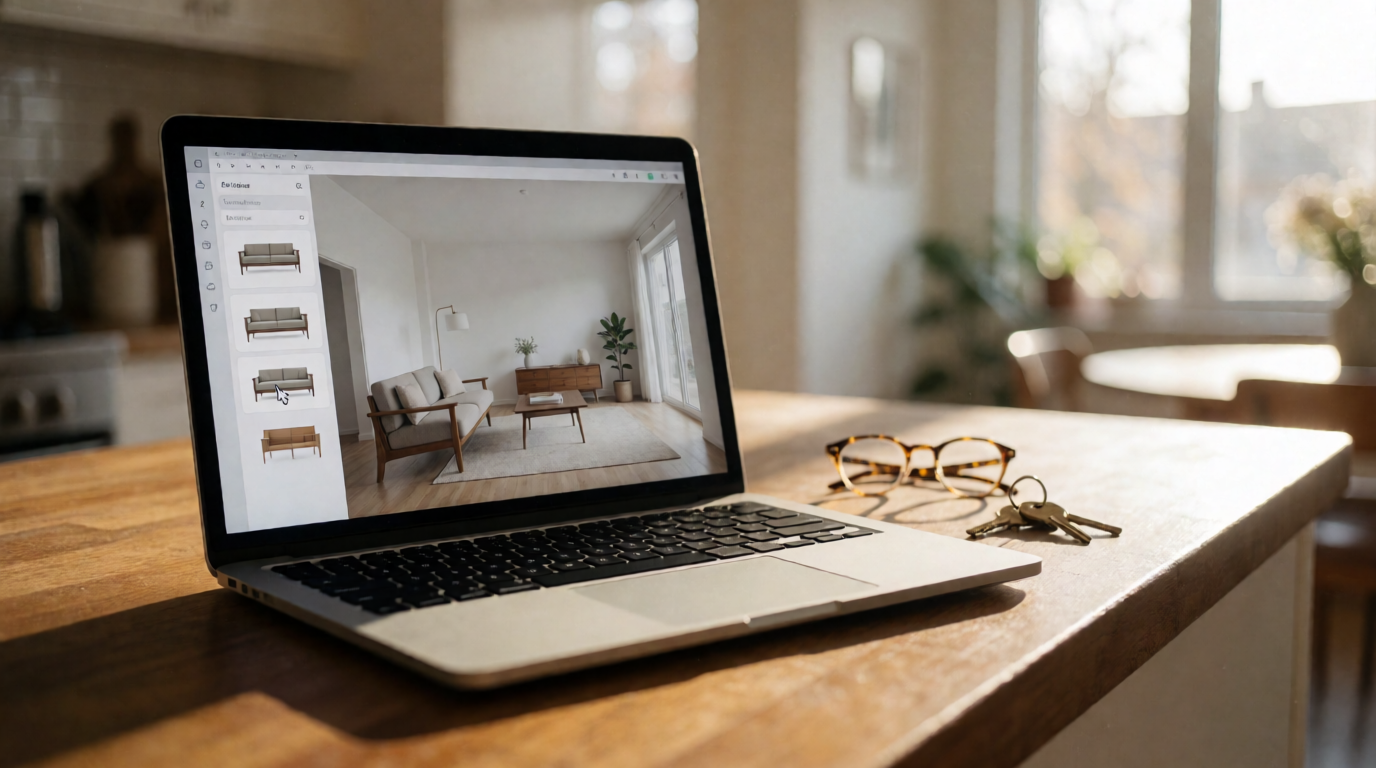
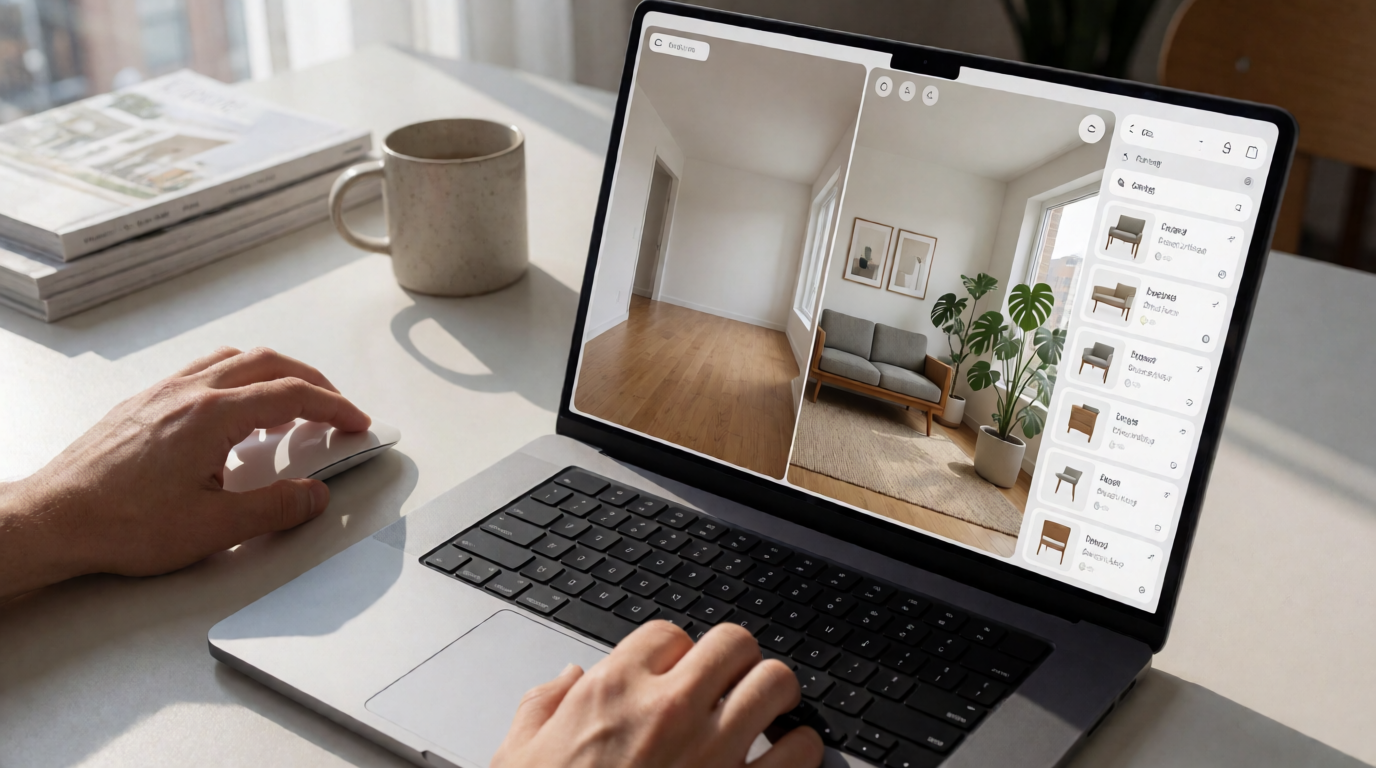
****: Virtual staging software in Las Vegas allows real estate agents and property photographers to digitally furnish and stage empty or underfurnished homes using AI, producing market-ready listing images in seconds. This eliminates the high cost and logistics of physical staging, helping homes sell faster and at higher prices in the fast-paced Las Vegas market.
| Aspect | Traditional Staging | Virtual Staging |
|---|
| Cost per home | $1,500–$5,000+ | $15–$50 per image |
| Turnaround time | Days to weeks | Minutes to hours |
| Flexibility | Fixed furniture set | Multiple style options |
| Logistics | Move furniture, schedule | No physical items needed |
| ROI impact | 3–10x return on investment | 62% higher engagement |
Introduction
Virtual staging software in Las Vegas is transforming how agents present properties in one of the nation's most competitive housing markets. With over 40,000 homes sold annually and median prices hovering around $450,000, the difference between a quick sale and a stale listing often comes down to presentation. In my experience working with dozens of Las Vegas Realtors, the ones who adopt virtual staging see their listings pop off the feed — more showings, faster offers, and better final prices. For a comprehensive overview, check out our
guide to virtual staging software.
But why is virtual staging so critical in Las Vegas specifically? The city's unique mix of new construction, vacation homes, and investor-owned properties means agents constantly face empty rooms. Physical staging here can cost $3,000–$5,000 per home and requires coordinating with vendors, trucks, and schedules. Virtual staging removes all that friction. According to the National Association of Realtors (NAR) 2023 Profile of Home Staging, 48% of buyers' agents said staging a home increased the offer price by 6%–10%. With virtual staging, you get that lift without the upfront investment.
Why Las Vegas Businesses Are Adopting Virtual Staging
The Las Vegas real estate market moves fast — and agents need to move faster. The average days on market in 2025 was just 32 days for well-priced homes. That leaves little time for staging. Virtual staging software in Las Vegas solves this by delivering ready-to-post images in under 12 seconds per photo. The Real Estate Staging Association reports that staged homes spend 73% less time on the market. Combine that statistic with the ability to stage a home in minutes, and you have a recipe for dominating local listings.
Another driver is cost. In Las Vegas, where investor-owned and vacant properties are common, agents often absorb staging costs. At $1,500–$5,000 per home, physical staging can eat into commission margins quickly. Virtual staging costs a fraction: most platforms charge $15–$50 per image, and you only pay for what you use. For an agent listing 20 homes a year, the savings can exceed $40,000 annually. That's money that goes straight to the bottom line or can be reinvested into marketing.
💡Key Takeaway
The biggest reason Las Vegas pros are switching is the 10x ROI — virtual staging costs 90% less than physical staging but delivers similar or better buyer engagement. It's not just cheaper; it's faster and more flexible.
Zillow research shows that listings with virtual staging see 62% more saves compared to non-staged listings. In a market like Las Vegas, where inventory is tight and buyers browse online before booking a showing, those saves translate directly into foot traffic. I've seen listings that went from zero showings in two weeks to five booked showings within 48 hours of adding virtual staging images.
Key Benefits for Las Vegas Real Estate Professionals
H3: Dramatically Lower Upfront Costs
Physical staging in Las Vegas can run $2,000 to $5,000 per home for a full package. Virtual staging software costs $15 to $50 per image. For a typical living room, dining room, and primary bedroom package (three images), that's $45–$150 versus thousands. When you're listing a 500-home new development, the math becomes staggering. I've worked with a Las Vegas developer who saved over $250,000 in staging costs in a single year by switching to virtual staging.
H3: Faster Turnaround for Time-Sensitive Listings
In Las Vegas, listings often go live within a day of receiving keys. Physical staging requires scheduling, moving, and often multiple visits. Virtual staging can be completed in hours. Some platforms like RealVision AI deliver staged images in under 12 seconds per photo. That speed means you can have a fully staged listing ready for the MLS launch without delaying your timeline.
H3: Unlimited Design Flexibility
With virtual staging, you're not stuck with one furniture set. You can stage the same room in multiple styles — modern, traditional, boho, minimalist — and A/B test which photos get the best engagement. In Las Vegas, where buyers range from retirees to young professionals, this flexibility is invaluable. I've seen agents upload three different styles for the same property and run Facebook ads to see which resonates. Data wins.
💡Key Takeaway
Virtual staging isn't just a cost-cutting tool — it's a conversion optimization tool. The ability to test multiple designs and tailor staging to buyer personas gives Las Vegas agents a real competitive edge.
H3: Perfect for New Construction and Vacant Homes
Las Vegas has a high volume of new construction and vacation homes that are often staged empty or with builder-grade furniture. Virtual staging transforms these blank canvases into warm, inviting homes without the hassle of moving furnishings. Builders love it because they can showcase multiple floor plans with different decors without eating into profit margins.
Real Examples from the Las Vegas Market
Case Study 1: Keller Williams Las Vegas Agent Uses Virtual Staging to Sell a Vacant Home in 14 Days
A Keller Williams agent in Summerlin had a 3-bedroom, 2-bath home that sat vacant for 6 weeks. Physical staging quotes came in at $3,200. Instead, they used RealVision AI's virtual staging software in Las Vegas to stage the living room, dining room, and primary bedroom for $120. Within 24 hours of updating the listing, they received 4 showing requests. The property went under contract in 14 days for $5,000 over asking. The agent now uses virtual staging on all her vacant listings.
Case Study 2: Las Vegas Realtor Increases Listing Page Views by 300% with Virtual Twilight
A local Realtor specializing in luxury properties near Red Rock Canyon was struggling to get engagement for a $1.2M estate. They used virtual staging software to add a twilight exterior conversion along with interior staging. The listing received 300% more page views on Zillow compared to their previous non-staged luxury listing. The home sold in 22 days at full price. According to NAR, 75% of buyers say photos are the most important factor in deciding which homes to tour.
How to Get Started with Virtual Staging Software in Las Vegas
- Choose the right platform. Look for software trained specifically on real estate interiors — generic AI tools often hallucinate furniture or distort architecture. RealVision AI is built for real estate and preserves every detail of the room. Check out our comparison of top virtual staging software for more options.
- Select your photos. Upload your best MLS photos — wide-angle shots work best. Most platforms support common formats and batch upload.
- Choose a style. Pick from curated design themes like modern, farmhouse, or contemporary. Las Vegas favorites often lean toward modern desert or mid-century modern.
- Process and download. With RealVision AI, staging takes 12 seconds per image. Download high-res files ready for MLS and social media.
- List and track. Update your listing with staged photos and monitor engagement metrics. Use the data to refine your approach for future listings.
📚Definition
Virtual staging software uses generative AI to analyze the room's dimensions, lighting, and architecture, then seamlessly inserts furniture and decor that matches the perspective and scale of the original photo.
Common Objections and Answers
Objection 1: "Buyers will feel deceived when they see the empty home."
Reality: As long as you disclose that the photos are virtually staged (e.g., "virtually staged" watermark or a note in listing remarks), buyers understand. In fact, most buyers prefer seeing a furnished version to imagine the potential. A survey by the Real Estate Staging Association found that 83% of buyers find it easier to visualize a home as their own when it's staged — physical or virtual.
Objection 2: "Virtual staging looks fake and unprofessional."
This was true of early tools, but modern AI platforms like RealVision AI produce photorealistic results that are indistinguishable from physical staging. I've had agents tell me their clients thought the furniture was real until they visited. The key is to use a platform trained specifically on real estate interiors.
Objection 3: "It's another tech thing I don't have time to learn."
Virtual staging software today is designed for simplicity. Upload, click, download. Most platforms have tutorials and customer support. At RealVision AI, the average user sets up their first staged image in under 2 minutes. The time saved on logistics alone more than makes up for the learning curve.
Objection 4: "Physical staging yields a higher sale price."
Data says otherwise. NAR reports that 48% of buyers' agents believe staging increases offer prices by 6–10% — and that's for physical staging. Virtual staging delivers comparable engagement boosts. A Zillow study found that the virtual staging effect on saves and shares is statistically similar to physical staging, at a fraction of the cost.
Frequently Asked Questions
What is the best virtual staging software in Las Vegas?
The best software depends on your volume and needs. For Las Vegas agents and photographers, RealVision AI stands out because of its speed (12 seconds per image), architectural accuracy, and variety of design styles. It also offers photo enhancement, twilight conversions, and cinematic video — all in one platform. For a detailed breakdown, see our
full review of virtual staging software.
How much does virtual staging cost per home in Las Vegas?
Most virtual staging platforms charge per image. Prices range from $10 to $50 per image. For a typical package of 3–5 rooms, you're looking at $30–$250 per home. Compare that to $1,500–$5,000 for physical staging. Some platforms offer subscription plans for high-volume users. At RealVision AI, we offer both pay-per-image and unlimited plans tailored to your business.
Does virtual staging actually help sell homes faster in Las Vegas?
Yes. According to the Real Estate Staging Association, staged homes spend 73% less time on the market. Virtual staging achieves similar results. In the Las Vegas market, where homes average 32 days on market, virtually staged listings often sell in under 20 days. The increased online engagement drives more showings and, ultimately, faster offers.
Is virtual staging ethical and legal in Nevada?
Absolutely, as long as you disclose it. The Nevada Real Estate Division requires that all marketing materials be truthful. Simply add a note in the listing remarks or on the photos themselves that the room is virtually staged. This transparency builds trust and is standard practice among top agents.
Can I use virtual staging software for luxury homes in Las Vegas?
Yes, and many luxury agents in the city already do. For high-end properties, you need a platform that produces exceptional photorealism and offers high-end design styles. RealVision AI's luxury design collection includes modern desert, California contemporary, and classic estate looks. The cost savings are even more significant at the luxury level, where physical staging can exceed $10,000.
Final Thoughts on Virtual Staging Software in Las Vegas
Virtual staging software in Las Vegas is no longer a niche tool — it's a standard part of the modern agent's toolkit. The combination of cost savings, speed, and flexibility gives agents a clear competitive advantage. Whether you're listing a downtown condo or a Summerlin family home, virtual staging helps your properties stand out in a crowded market. I've seen firsthand how it transforms listing performance and agent profitability.
Ready to start staging your listings in seconds? Visit
blog.realvisionaire.com to learn more about how RealVision AI can help you dominate the Las Vegas market. For a complete guide to getting started, read our
step-by-step on virtual staging software.
About the Author
Lucas Correia is the founder of RealVision AI, an AI-powered platform for
real estate photo enhancement, virtual staging, and cinematic video generation. With over a decade of experience in real estate technology, Lucas helps agents and photographers turn listings into market-ready visuals in seconds. He lives in the Las Vegas area and works daily with local real estate professionals to accelerate their sales through innovative visual solutions.
Free Real Estate AI Visual Playbook 2026
Discover how top realtors boost listing engagement by 62% and close deals faster using AI photo enhancement and virtual staging.