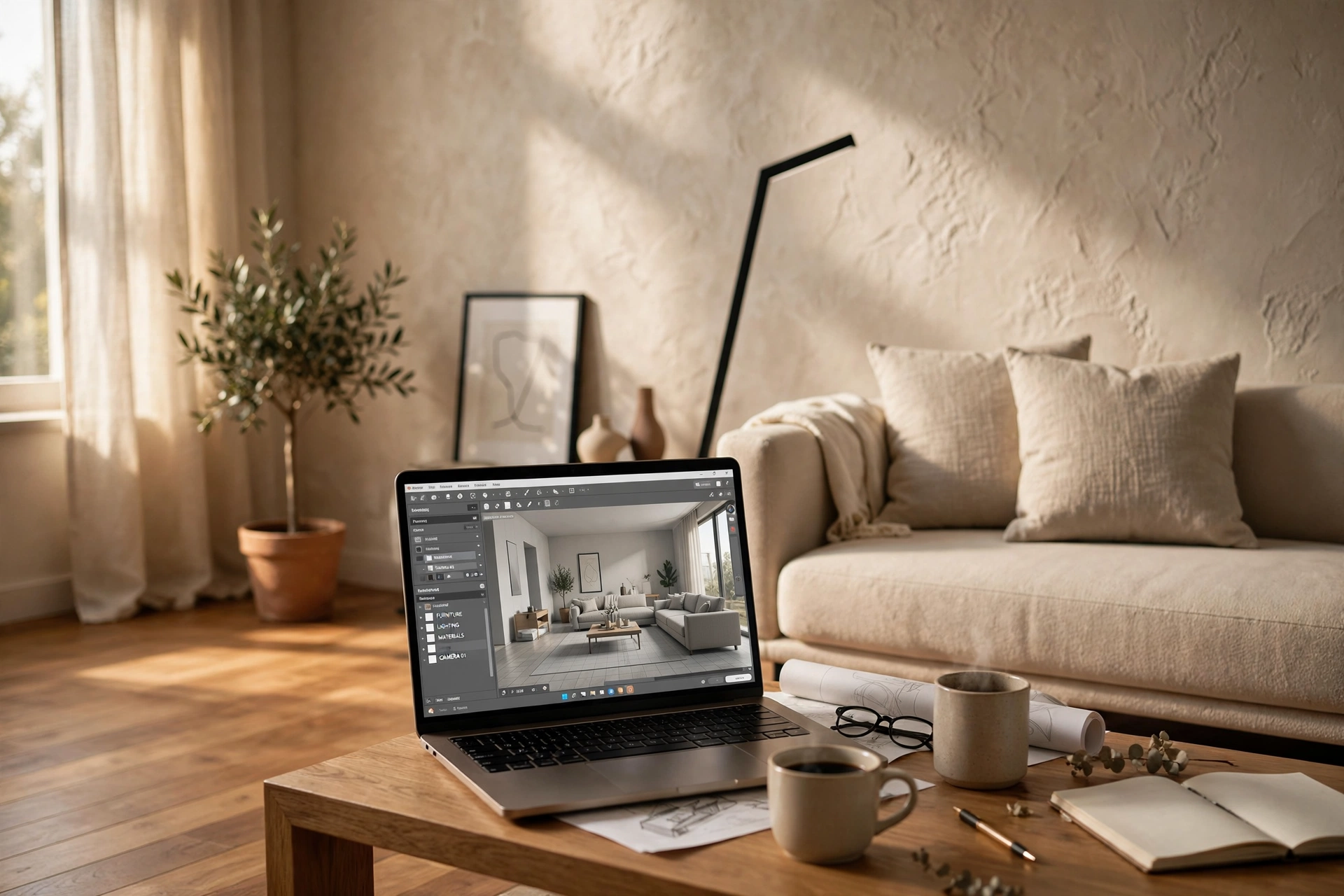


How to Choose the Right Residential Virtual Staging for Your Listings
Empty rooms often feel smaller and colder than they actually are, leading potential buyers to overlook the emotional potential of a space. To solve this, you must choose a residential virtual staging strategy that balances photorealistic accuracy with target buyer psychology, ensuring the furniture style aligns with the property's price bracket and the local demographic. The most effective way to do this is by auditing your target buyer persona, selecting a design style (Modern, Transitional, or Minimalist) that enhances the architectural strengths of the room, and utilizing a high-speed AI engine to iterate looks in seconds rather than days.
In my experience working with high-volume real estate agencies, the biggest mistake I see is the "one-size-fits-all" approach. Agents often apply the same luxury modern furniture to a cozy starter home, creating a visual dissonance that actually pushes buyers away. To avoid this, your selection process must be driven by the specific intent of the property's market position.
For those starting their journey, exploring the AI Property Enhancement for Beginners guide can provide a foundation before diving into specific staging choices.
What is Residential Virtual Staging and How Does it Work?
📚
Definition
Residential virtual staging is the process of using computer-generated imagery (CGI) or artificial intelligence to digitally add furniture, decor, and architectural elements to photos of an empty residential property to help buyers visualize the space.
Unlike traditional physical staging, which requires renting furniture and paying movers, residential virtual staging happens entirely in a digital environment. The process begins with a high-quality photograph of a vacant room. An AI engine then analyzes the perspective, lighting, and depth of the image to insert 3D models of furniture that look as if they were actually present during the shoot.
According to research by the National Association of Realtors (NAR), properties that are staged—whether physically or virtually—consistently sell faster and often for higher prices because they remove the "cognitive load" from the buyer. When a buyer sees an empty room, they have to work mentally to imagine where a sofa fits; when they see a staged room, they simply imagine themselves living there.
Now, here is where it gets interesting: the technology has shifted from manual 3D rendering to AI-driven computer vision. In the past, a designer would manually map out every corner. Today, tools like RealVisionAI Blog - AI Real Estate Photography & Virtual Staging can identify the floor plane and wall junctions in 12 seconds, automatically scaling the furniture to fit the room's actual dimensions. This prevents the common "floating furniture" look that plagued early digital staging efforts.
If you are wondering about the broader impact of these tools, you should look into the Key Benefits of AI Property Enhancement for Real Estate to understand how this fits into a larger marketing funnel.

Why Choosing the Right Staging Style Matters for Your ROI
Choosing the wrong style for residential virtual staging isn't just an aesthetic error; it is a financial risk. If you place ultra-modern, industrial furniture in a classic Victorian home, you create a stylistic clash that distracts the buyer from the property's inherent value. The goal is to highlight the home's strengths, not the furniture's design.
Data from McKinsey's reports on AI adoption in consumer services suggests that hyper-personalization—matching the product to the specific user's desire—significantly increases conversion rates. In real estate, this means the "product" is the home, and the "personalization" is the staging style. For example, a property in a retirement community should feature a "Traditional" or "Classic" style with comfortable, larger-scale furniture, whereas a downtown condo targeted at Gen Z professionals should lean toward "Minimalist" or "Scandi-Modern."
The business impact is measurable. When the staging aligns with the buyer's aspiration, the "time on market" (TOM) drops. A study by the Real Estate Staging Association (RESA) indicates that staged homes are often perceived as having more value, which allows agents to justify a higher asking price.
The cost of failure here is the "dead listing." When a property sits for 30+ days without an offer, it becomes "stale" in the eyes of the Multiple Listing Service (MLS), often leading to price drops. By choosing the correct staging style immediately, you prevent this downward spiral. This is why understanding Why Use AI Property Enhancement for Real Estate? is fundamental to any agent's 2026 strategy.
Practical Steps to Implement Residential Virtual Staging
Selecting the right residential virtual staging requires a systematic approach. You cannot simply "guess" what looks good; you must follow a framework based on the property's specific characteristics.
Step 1: Analyze the Property's "Best Feature"
Before adding a single piece of furniture, identify the room's primary asset. Is it the floor-to-ceiling windows? The hardwood floors? The unique ceiling beams? Your staging choice must frame these features. If you have a stunning view, do not place a tall bookshelf or a high-back sofa in front of the window. Instead, use low-profile furniture that directs the eye toward the exterior view.
Step 2: Define the Target Buyer Persona
Ask yourself: Who is the most likely buyer for this specific zip code and price point?
- The First-Time Buyer: Needs a look that feels attainable, cozy, and functional.
- The Luxury Investor: Expects high-end materials, avant-garde art, and a sense of exclusivity.
- The Growing Family: Requires a focus on layout, durability, and "zoning" (e.g., a designated play area or a large dining table).
Step 3: Select the Design Aesthetic
Once the persona is set, choose from these three primary styles:
- Modern/Contemporary: Clean lines, neutral palettes, and metallic accents. Best for new builds and urban condos.
- Transitional: A blend of traditional and modern. This is the "safest" bet for most residential properties as it appeals to the widest demographic.
- Minimalist: Very few pieces of furniture, focusing on "breathability" and light. Ideal for very small apartments where clutter makes the space feel cramped.
Step 4: Execute with High-Speed AI Tools
This is where the execution happens. Using RealVisionAI Blog - AI Real Estate Photography & Virtual Staging, you can upload your photos and apply these styles in seconds. The ability to iterate is the most important part of this process. I recommend generating three different versions of the main living area—one Modern, one Transitional, and one Minimalist—and testing them with a few trusted colleagues to see which evokes the strongest emotional response.
💡
Key Takeaway
The most successful residential virtual staging does not showcase the furniture; it showcases the lifestyle the buyer wants to achieve in that specific space.
For those who want a more detailed walkthrough of the technical side, our Passo a Passo: AI Property Enhancement provides the granular details needed for perfect execution.
Comparing Your Staging Options
When deciding how to approach your listings, you will likely encounter three different paths. The "Traditional" way is no longer viable for fast-moving markets, and "Cheap AI" often damages brand reputation.
| Feature | Traditional Physical Staging | Generic/Cheap AI Tools | RealVisionAI Professional Approach |
|---|---|---|---|
| Speed | Weeks (Rental & Setup) | Minutes | 12 Seconds |
| Cost | High ($2k - $10k per home) | Low (Subscription) | Optimized Value / Per Image |
| Accuracy | Perfect (It's real) | Poor (Wrong scale/lighting) | High (Computer Vision optimized) |
| Flexibility | Zero (Furniture is fixed) | Moderate (Limited assets) | Extreme (Multiple styles/instants) |
| Best For | Ultra-luxury estates | Low-end rentals | Fast-turnaround professional listings |
As the table shows, the professional AI approach provides the scale of digital tools with the quality of a human designer. If you are unsure which tool to pick, check out the Best AI Property Enhancement Tools: Top Rankings 2026 to see how the top performers compare.

Common Misconceptions About Digital Staging
Most guides get this wrong by suggesting that "more furniture is better." In reality, over-staging is one of the fastest ways to make a room feel smaller. Here are the most common myths debunked:
Myth 1: "Buyers will feel deceived if the furniture isn't actually there."
Actually, the opposite is true. When a room is empty, buyers often feel anxious because they cannot visualize the scale. As long as the listing clearly states "Virtually Staged," buyers appreciate the guidance. In fact, the psychological effect of "anchoring" a space with furniture makes the buyer more confident in their decision.
Myth 2: "Any AI tool will work as long as the furniture looks modern."
This is a dangerous assumption. Many cheap AI tools suffer from "perspective drift," where the furniture is placed at an angle that doesn't match the camera's lens. This creates an uncanny valley effect that subconsciously tells the buyer something is "wrong" with the house, even if they can't put their finger on it. Professional-grade computer vision is essential.
Myth 3: "You only need to stage the living room."
The biggest missed opportunity in residential virtual staging is ignoring the bedrooms and bathrooms. A staged primary bedroom creates an emotional connection to "rest" and "privacy," which are powerful drivers in a home purchase. If you only stage the common areas, you leave a gap in the emotional narrative of the home.
To understand when it's time to shift your strategy, refer to the guide on When to Upgrade Your Real Estate Image Processing.
Frequently Asked Questions
How do I know if my property needs residential virtual staging or physical staging?
If the property is in an ultra-high-end luxury bracket (typically $5M+), physical staging is still recommended because high-net-worth buyers demand a tactile, "touch-and-feel" experience. However, for 95% of all other residential listings, virtual staging is the superior choice. It is faster, cheaper, and allows you to test multiple styles. If the home is completely vacant and lacks "warmth," virtual staging is essential to prevent the listing from looking like a sterile gallery.
Will using virtual staging affect the legalities of my listing agreement?
In most jurisdictions, virtual staging is perfectly legal provided it is disclosed. The key is to include a disclaimer in the photo caption or the listing description stating that "some images have been virtually staged." This ensures transparency and prevents any claims of misrepresentation. According to industry standards for digital marketing in real estate, disclosure is the best way to maintain trust while still leveraging the psychological benefits of an attractive, furnished space.
Which furniture style is the safest for residential virtual staging?
The "Transitional" style is almost always the safest bet. It combines the comfort and warmth of traditional furniture with the clean lines and neutral colors of modern design. Because it doesn't lean too far in any one direction, it avoids alienating potential buyers who might dislike a strictly "Ultra-Modern" or "Country-Rustic" look. It creates a neutral, appealing backdrop that allows the buyer to imagine their own furniture in the space.
How does virtual staging impact the actual sale price of a home?
While it doesn't physically change the house, it changes the perception of value. When a buyer can see how a dining set fits perfectly in the alcove or how a king-sized bed fits in the bedroom, they stop worrying about the logistics and start focusing on the lifestyle. This reduction in friction leads to more offers and less aggressive negotiating. In many cases, this results in a final sale price that is closer to the original asking price than an unstaged home.
Can I use residential virtual staging for "ugly" rooms or rooms that need repair?
Virtual staging works best on clean, empty rooms. If a room has peeling wallpaper or a hole in the wall, you should first use AI-driven "decluttering" or "virtual renovation" before adding furniture. Adding a beautiful sofa to a room with a stained carpet creates a visual conflict. Use a tool like RealVisionAI Blog - AI Real Estate Photography & Virtual Staging to first clean the image and then apply the staging for a seamless, professional result.
Final Thoughts on Residential Virtual Staging
Choosing the right residential virtual staging is not about picking a "pretty" sofa; it is about strategic psychological positioning. By aligning your design choices with the target buyer's persona and utilizing high-speed, accurate AI tools, you transform a vacant house into a desirable home. The shift from traditional staging to AI-driven visuals is the most significant efficiency gain in real estate marketing since the invention of the MLS.
To stay competitive in 2026, you cannot rely on luck or a "good eye." You need a system that allows for rapid iteration and professional-grade output. If you are ready to stop losing leads to empty, cold-looking rooms, it is time to implement a professional workflow.
For a deeper dive into how to maximize your listing's visibility, we recommend reading about Property Listing Optimization: The 2026 Guide to Higher Conversion.
Ready to transform your listings in 12 seconds? Experience the future of real estate visuals at RealVisionAI Blog - AI Real Estate Photography & Virtual Staging.
Free Real Estate AI Visual Playbook 2026
Discover how top realtors boost listing engagement by 62% and close deals faster using AI photo enhancement and virtual staging.