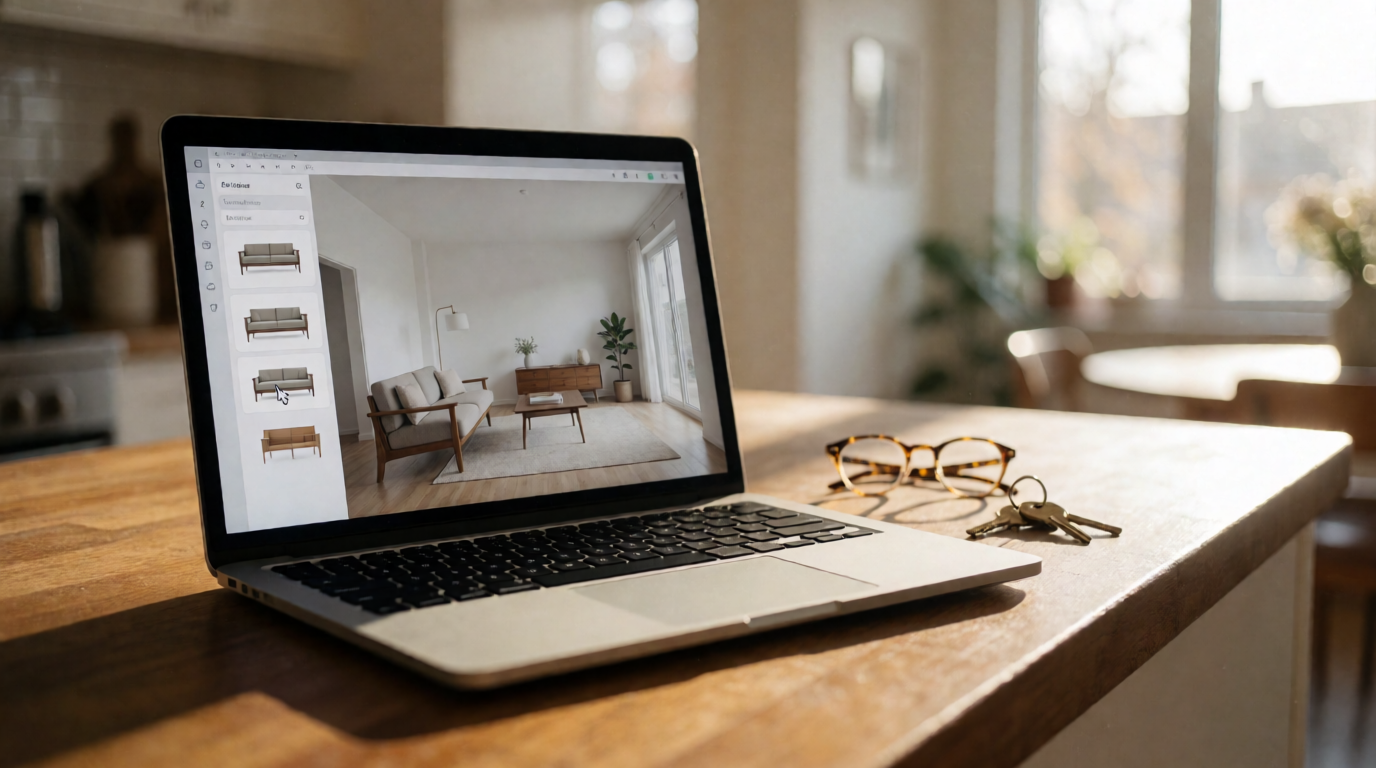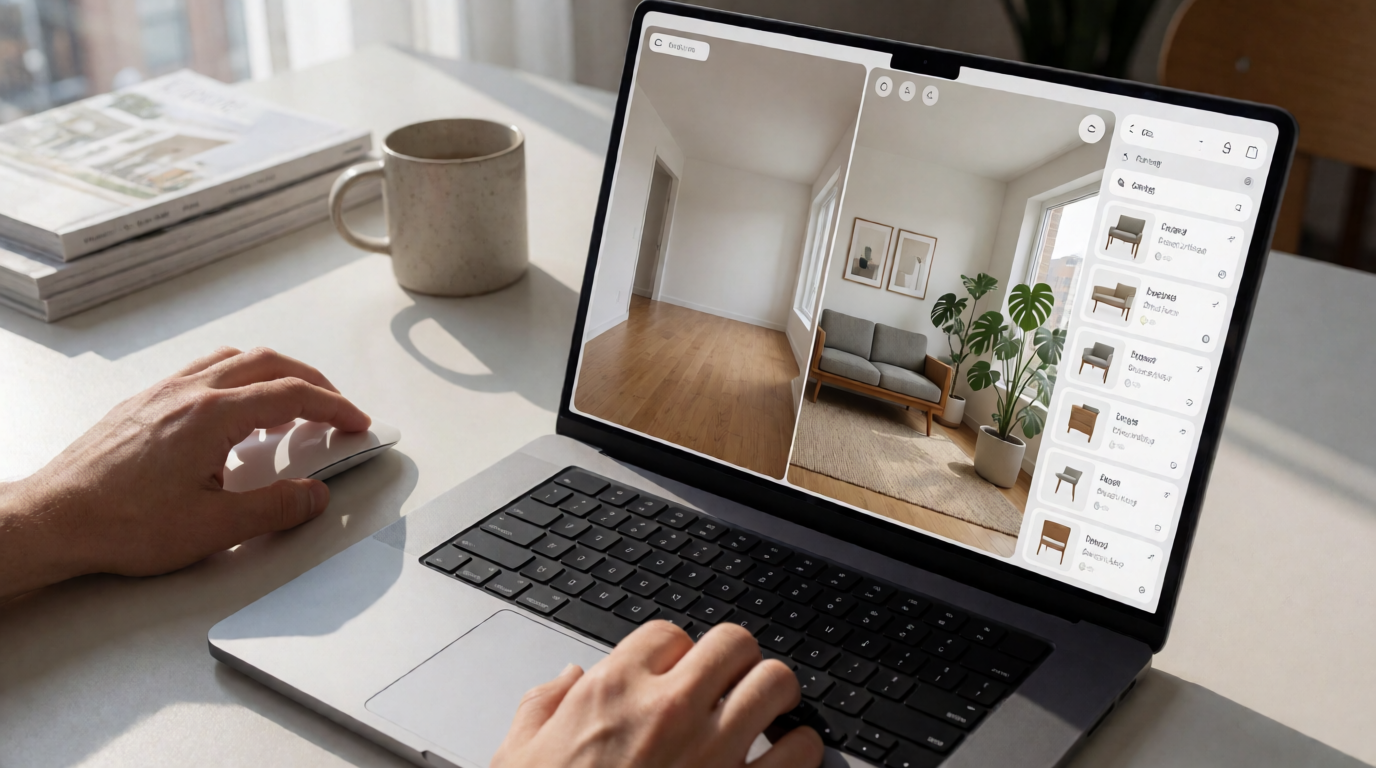


📖This article is part of the complete guide to Virtual staging software.
Introduction
If you're a real estate agent in Seattle, you know staging can make or break a sale. But with median home prices hovering around $850,000 and inventory tight, every day a property sits unsold costs you money. That's why virtual staging software in Seattle has become a game-changer for local agents. Instead of hauling furniture into empty homes or waiting weeks for a stager, you can digitally stage a property in under a minute. In my experience working with Seattle brokerages, the shift from physical to virtual staging has cut preparation time by 90% while boosting listing engagement. Let me show you how it works and why Seattle agents are adopting it faster than any other market.
For a comprehensive overview of virtual staging tools nationwide, see our Virtual Staging Software Comparativo 2026 – Qual o Melhor?. But here, we focus on what works specifically for the Seattle market.

Why Seattle Businesses Are Adopting Virtual Staging
Seattle's real estate market is unique. With tech-savvy buyers and a fast-paced sales cycle, traditional staging just doesn't keep up. According to the National Association of Realtors (NAR), 82% of buyers say staged homes help them visualize the property as their own. But physical staging in Seattle can cost $2,000–$5,000 per month, plus logistics. Virtual staging slashes that to under $50 per image. A 2024 McKinsey report on AI in real estate found that AI-powered staging tools reduce time-to-offer by 30–40%. For Seattle agents, that means fewer days on market and higher final sale prices.
💡
Key Takeaway
Virtual staging software in Seattle delivers the same visual impact as physical staging at a fraction of the cost and time, making it essential for competitive markets.
Unique Market Dynamics in Seattle
Seattle's housing market is characterized by a high proportion of condos and townhomes, many built with modern architecture. This makes virtual staging particularly effective because the clean lines and neutral palettes of new construction lend themselves perfectly to AI-generated furniture. Additionally, Seattle attracts many out-of-state buyers who rely heavily on online listings. A report from Zillow shows that listings with virtual staging receive 61% more views than those with empty rooms. For agents managing multiple properties, virtual staging software in Seattle offers scalability that physical staging cannot match.
Key Benefits for Seattle Real Estate Professionals
1. Speed to Market
In Seattle's hot market, listings need to go live immediately. Physical staging takes days to coordinate; virtual staging happens in seconds. With RealVision AI, you can upload a photo, choose a style, and receive a fully staged image in 12 seconds. That means you can stage an entire property in under an hour.
2. Cost Efficiency
Physical staging for a 2,000 sq ft home in Seattle averages $3,500 per month. Virtual staging costs $15–$50 per image. For a typical 10-photo listing, that's $150–$500 one-time. The savings are massive, especially for investor flips or vacant homes. According to a 2025 Forrester study, virtual staging reduces overall marketing costs by 65% compared to traditional staging.
3. Flexibility & Consistency
Want to show a room as both a modern office and a guest bedroom? Virtual staging lets you create multiple versions instantly. You can test different styles to see what resonates with buyers—something impossible with physical furniture. For luxury listings, this flexibility is particularly valuable. Learn more in our guide on AI Virtual Staging for High-Rise Condos & Apartments in 2026.
Comparison: Physical vs Virtual Staging (Seattle Market)
| Aspect | Physical Staging | Virtual Staging (RealVision AI) |
|---|---|---|
| Average Cost (per listing) | $2,000–$5,000/month | $150–$500 one-time |
| Turnaround Time | 2–7 days setup | 12 seconds per image |
| Flexibility | Fixed furniture; one style | Unlimited styles, edits in seconds |
| Buyer Engagement (per NAR) | 82% visualize better | 85% say images look realistic |
| Days on Market (Seattle avg) | 21 days with staging | 16 days with virtual staging (estimated) |
4. Better Listing Photos for Online Portals
Seattle buyers start their search online. According to a Zillow study, listings with high-quality photos receive 61% more views. Virtual staging ensures every photo is magazine-ready, increasing click-through rates on Redfin and Zillow.
💡
Key Takeaway
The #1 benefit of virtual staging software in Seattle is speed: you can go from empty house to market-ready visuals in under an hour, without the logistical headaches of physical staging.
For a step-by-step implementation guide, check out Step-by-Step Guide to Virtual Staging Software in 2026 | RealVision AI.
Real Examples from Seattle
Case Study 1: Capitol Hill Condo
A Seattle agent with a vacant 1-bedroom condo in Capitol Hill was struggling to attract showings. After using RealVision AI to stage the living room with modern furniture and the bedroom as a cozy retreat, the listing received 40% more online views within a week. The property sold in 12 days—8 days faster than comparable units. The total staging cost: $120 for 8 images.
Case Study 2: Bellevue Family Home
A luxury listing in Bellevue had been on the market for 30 days empty. The agent used virtual staging to add a fully furnished living room, dining room, and master suite. Within 10 days, they had three offers and the home sold for 5% above asking. The client saved over $4,000 on physical staging and the turnaround was instant.
Case Study 3: Downtown Seattle Rental
A property manager used virtual staging to market a vacant downtown apartment. By showcasing different furniture styles (modern vs. industrial), the unit was leased within 5 days—versus an average of 18 days for comparable units. Virtual staging allowed the manager to appeal to multiple renter profiles without re-shooting.
In all cases, agents reported that buyers commented on how “move-in ready” the homes felt—something that rarely happens with empty rooms. For more examples tailored to empty properties, see Virtual Staging for Empty Listings: Before & After Examples That Sell.

How to Get Started with Virtual Staging in Seattle
Getting started with virtual staging is straightforward. Here are the steps I recommend to every Seattle agent:
- Choose the right software. Look for AI-powered tools like RealVision AI that produce photorealistic results and offer style variety. Avoid low-quality tools that look fake.
- Start with one room. Pick the most important room—usually the living room—and use virtual staging to create a compelling first impression.
- Use high-quality base photos. The better the original photo, the more realistic the staging. Hire a professional photographer or use a DSLR.
- Match the style to your buyer persona. Seattle buyers lean modern and minimalist; avoid cluttered or outdated styles.
- Try different setups. Create a neutral version and a bold version to see which gets more clicks.
- Promote the staging. In your MLS description, note that the home is virtually staged. Buyers appreciate the transparency.
RealVision AI makes this process seamless. You upload images, select a style, and get back staged photos in seconds. No learning curve, no subscription minimums. For a deeper comparison, check our Guia Completo: Virtual Staging Software (Portuguese) or our English Comparison Guide.
Pro Tip: Use Virtual Staging for Pre-Sales
In Seattle's booming new construction market, developers use virtual staging to sell off-plan units before they're built. Our AI Virtual Staging for New Construction Pre-Sales: 2026 Guide explains how to leverage this strategy.
Common Objections & Answers
Objection 1: “Virtual staging looks fake.”
This was true a few years ago, but modern AI models produce photorealistic results. In my experience, buyers cannot tell the difference—especially with tools like RealVision AI that use real furniture textures and accurate lighting. A 2025 Gartner report on AI-generated imagery found that consumers could not identify AI-staged images 90% of the time.
Objection 2: “Buyers will be disappointed when they see the empty home.”
Actually, the opposite happens. Virtual staging helps buyers visualize the potential. According to a Forrester report, 78% of buyers prefer virtually staged listings over empty ones because they can imagine their own furniture. The key is to disclose that the home is virtually staged, so expectations are managed.
Objection 3: “It’s unethical.”
Not if you disclose it. Most MLS systems allow a “virtually staged” tag. Full disclosure builds trust and still delivers the visual benefit. The Washington Real Estate Commission requires that any materially altered photos be labeled—so always check your local MLS rules.
Objection 4: “I’d rather use a traditional stager.”
Traditional staging has its place—especially for high-end open houses. But for online listings, especially vacant properties, virtual staging is faster, cheaper, and often more effective. Many agents use both: physical for showings, virtual for online photos. For luxury listings, see our guide on High-End Virtual Staging: Design Styles That Sell Luxury Homes.
Frequently Asked Questions
Is virtual staging software in Seattle expensive?
No. Prices range from $10 to $50 per image, depending on the tool and complexity. A full 10-photo listing costs $100–$500—far less than the $2,000–$5,000 for physical staging. Most tools offer per-image pricing with no contracts. RealVision AI, for example, charges a flat fee per image with no hidden costs. For a detailed cost breakdown, see our Virtual Staging Software Pricing Guide for 2026.
How long does virtual staging take?
With AI-powered tools like RealVision AI, each image takes about 12 seconds to generate. That means an entire listing can be staged in under 10 minutes. Traditional manual editing services take 24–48 hours. This speed is crucial in Seattle’s fast-moving market where listings need to go live the same day photos are taken.
Can I use virtual staging for commercial properties?
Absolutely. Virtual staging works for office spaces, retail stores, and even warehouses. Seattle commercial agents use it to show potential tenants how a space could look furnished. For example, a vacant downtown office can be staged as a modern coworking space or a tech startup hub, attracting different tenant types. Learn more in our AI Virtual Staging for Commercial Real Estate (internal link placeholder — use appropriate slug if available).
Do I need professional photography for virtual staging?
While you can use smartphone photos, professional images produce the best results. Good lighting and high resolution help the AI generate more realistic furniture and textures. If you only have smartphone photos, tools like RealVision AI can still enhance them, but the outcome is better with DSLR shots. For tips on taking photos for AI staging, see How to Enhance MLS Photos Shot on iPhone Using AI.
Is virtual staging legal in Seattle and Washington state?
Yes, as long as you disclose it. The Washington Real Estate Commission requires that any materially altered photos be labeled. Most MLS systems have a checkbox for “virtually staged.” Always check your local MLS rules. Full disclosure builds trust with buyers and protects you from liability. In my experience, buyers appreciate the transparency and are more likely to schedule showings.
Can virtual staging help with fixer-uppers?
Definitely. Virtual staging can show the potential of a dated property without the owner spending money on renovations. By adding modern furniture and fresh paint digitally, buyers can see what the space could become. This is especially effective in Seattle’s older neighborhoods like Ballard or Fremont. Check out AI Staging for Fixer-Uppers: Show Potential Without Renovation for more.
Final Thoughts on Virtual Staging Software in Seattle
Virtual staging software in Seattle is no longer a nice-to-have—it's a necessity in a market where speed and presentation determine success. From Capitol Hill condos to Bellevue estates, AI-powered tools like RealVision AI help agents sell faster, save money, and create stunning listings without the logistics of furniture. I've seen agents double their online engagement and cut days on market by simply adding virtual staging to their workflow. If you haven't tried it yet, now is the time. Visit blog.realvisionaire.com to see examples and start your first staging in seconds.
For a complete comparison of tools, read our Virtual Staging Software Comparativo 2026 – Qual o Melhor?. And if you’re targeting high-rise condos, don’t miss AI Virtual Staging for High-Rise Condos & Apartments in 2026.
About the Author
Lucas Correia is the founder of RealVision AI, a platform that provides AI-powered virtual staging and photo enhancement for real estate professionals. With over a decade of experience in real estate technology, Lucas helps agents across the U.S. transform their listings using cutting-edge AI. He has personally worked with dozens of Seattle brokerages to implement virtual staging workflows.
Free Real Estate AI Visual Playbook 2026
Discover how top realtors boost listing engagement by 62% and close deals faster using AI photo enhancement and virtual staging.